The outdoor gear trends I keep seeing this season are not about flashy colors or celebrity collabs. They are about shedding weight, fixing gear instead of replacing it, and choosing fabrics that survive real weather. I spent the last few months testing packs, shells, and sleep systems on muddy ridge lines and cold trailheads. Some trends held up. Others were pure marketing noise.
My quick trail notes
The Ultralight Reality Check
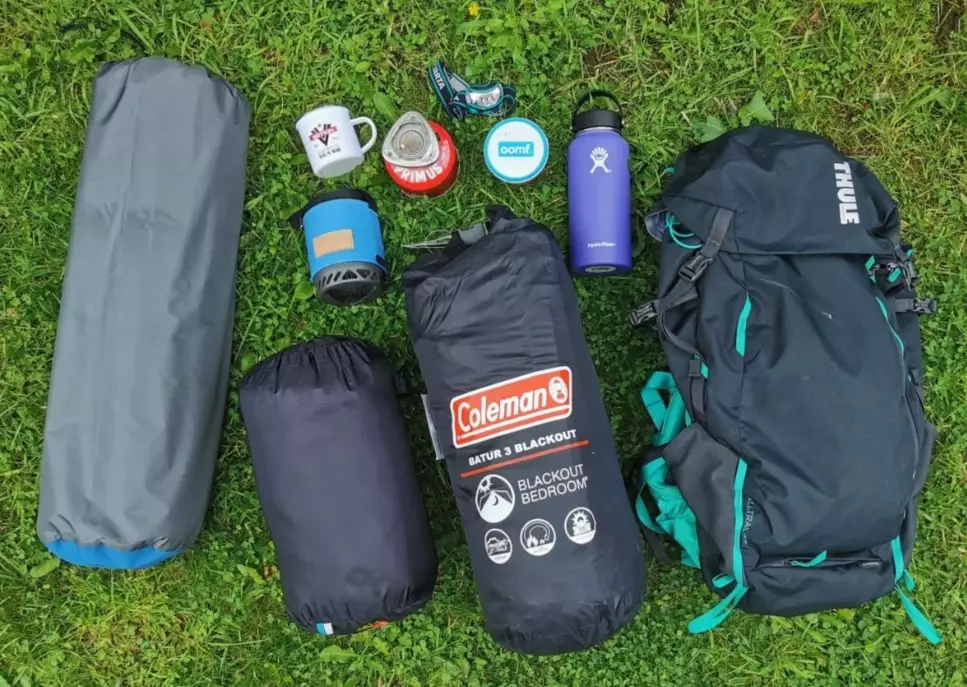
Ultralight backpacking gear is still the loudest trend. The difference now is that brands are finally cutting weight without shredding durability. I carried a 1.9-pound framed pack on a three-day loop in the Cascades. It handled a 25-pound load fine, but the hip belt padding started folding after mile 18.
Here is the part most gear lists skip: ultralight only works if your base weight stays under control. I watched a hiker pair a 1.5-pound pack with a 4-pound sleeping bag and a 3-pound tent. The pack failed at the seams. The trend is not the problem. Mixing ultralight pieces without a system is.
| Gear category | What I tested | Weight range | Real trail verdict |
|---|---|---|---|
| Framed backpack | 40L ultralight pack | 1.8 to 2.2 lbs | Great under 28 lbs, hip belt needs extra padding |
| Sleeping bag | 20F down quilt | 1.4 to 1.8 lbs | Warm enough with a good pad, drafty below 25F |
| Rain shell | 3-layer membrane jacket | 8 to 11 oz | Breathable on climbs, pit zips are non-negotiable |
| Sleeping pad | Insulated air pad | 12 to 16 oz | Warm, but noisy on slick tent floors |
A useful benchmark comes from the Outdoor Industry Association, which tracks participation and gear spending across the U.S. The takeaway I trust after years on trail: lightweight gear sells fast, but most returns happen because people ignore pack fit and sleep system compatibility.
My non-consensus take: skip the ultralight frameless pack for your first lightweight setup. Buy a framed pack around 2 pounds first. You will learn your real base weight before you gamble on a pack with no structure.
Sustainability That Actually Survives the Trail
Sustainable outdoor equipment is the second big shift. Recycled nylon shells, bluesign-approved fabrics, and repair programs are not just labels anymore. I sent a two-year-old rain jacket back for a zipper repair through a brand program and got it returned in 12 days. That is the trend worth paying for.
But watch the wording. “Recycled” does not mean durable. I tested a recycled polyester shell that wet out after 40 minutes in steady rain. The membrane was fine. The face fabric absorbed water and stopped breathing.
What actually matters when you buy:
Check the membrane, not the marketing. A 3-layer construction with a proven membrane beats a 2.5-layer recycled shell for wet climates.
Look for a repair policy before you look at colorways. If the brand does not list a repair center or spare parts, the sustainability claim is mostly packaging.
PFAS-free finishes are spreading. They are better for the environment, but they need more frequent re-waterproofing. I reapply DWR every 6 to 8 wears on a PFAS-free shell. That is the real cost.
The bluesign system is a decent filter here. It does not guarantee performance, but it does verify chemical input standards at the mill level. That is more than most hangtags tell you.
The Smart Layering Shift
Layering is where outdoor gear trends get practical fast. The old advice was a base layer, fleece, and shell. The new approach is active insulation plus a breathable shell. I ran a 30F morning with a grid fleece and a lightweight synthetic puffy. I stayed warm on the climb and did not overheat on the descent.
The mistake I see constantly: people buy a heavy puffy and a heavy shell, then sweat through both. Active insulation moves moisture better than static down for high-output days. Save the down jacket for camp.
Here is a quick layering check I use at the trailhead:
If the forecast says 25F and windy, I bring a base layer, a grid fleece, an active synthetic hoody, and a 3-layer shell. That covers 20F to 45F with no dead weight. For camp, I add a lightweight down jacket. Total added weight is around 2.5 pounds, and I have never been cold at lunch.
How to Avoid the Most Expensive Gear Buying Mistakes
Most outdoor gear trends fail at the register, not on the trail. I have watched hikers buy a $400 ultralight tent and then discover the footprint is sold separately for $60. Small stuff adds up.
Buy your sleep system as a unit. Pad, bag, and tent floor work together. A warm bag on a cold pad is a cold night.
Weigh your gear at home. A kitchen scale costs $15 and tells you more than any spec sheet. I found a “1-pound” quilt that hit 1.4 pounds with the stuff sack and straps.
Wait on the trendiest item. First-year ultralight products often get a mid-season revision. I bought a first-gen ultralight pack and the hip belt was replaced by the brand within six months.
For used gear, check the REI Re/Supply listings and local gear swaps. I have found lightly used shells for half price. Inspect zippers, seam tape, and membrane delamination before you pay. Those three checks catch most bad deals.
Questions I Keep Hearing on Trail
Is ultralight gear actually durable enough for rocky, off-trail routes?
Not the thinnest options. I reserve sub-1.5-pound packs for maintained trails. For off-trail scrambling, look for 100D to 210D face fabrics and a frame sheet. The weight penalty is around 10 ounces. The repair savings are bigger.
How do I spot greenwashing in sustainable outdoor equipment?
Ask two questions: where is the repair center, and what is the membrane made of? If the answer is vague, the claim is decoration. A real sustainability program lists spare parts, repair turnaround, and fabric certifications.
Do I need a 3-layer shell for three-season hiking?
If you hike in sustained rain, yes. A 2.5-layer shell works for short storms and dry climates. In the Pacific Northwest, I have never regretted a 3-layer shell. I have regretted a 2.5-layer one.
What is the biggest mistake when chasing outdoor gear trends?
Buying one trendy item without matching the rest of your kit. A light pack with a heavy sleep system is worse than a balanced midweight setup. Build the system first, then shave weight where it counts.
I checked these observations against published gear specs, brand repair policies, and my own field notes. Always test fit and function before a big trip. A parking-lot test beats a summit surprise.