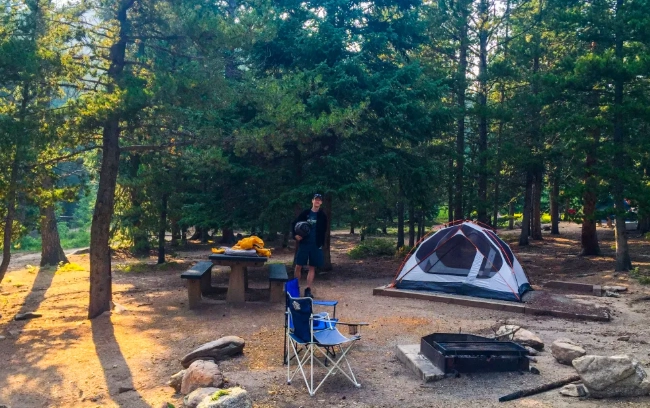
You've packed the tent, the sleeping bag, the cooler. You're ready to disconnect. But there's one piece of gear that doesn't fit in your backpack: your impact. Camping ethics, or the lack of them, determine whether that beautiful spot remains beautiful for the next person, or for the foxes and ferns that live there year-round. It's more than a list of dos and don'ts. It's a mindset, a contract we sign with nature and each other when we step onto a trail or into a campsite.
I've seen the aftermath of poor ethics too many times. A pristine lakeside cove littered with cigarette butts and fishing line. A quiet forest loop where the only sound after 10 PM is someone's bluetooth speaker pumping out bass. It chips away at the experience for everyone. The good news? Getting it right is straightforward, and it makes your own trip better. You sleep deeper knowing you haven't harmed the place that's giving you peace.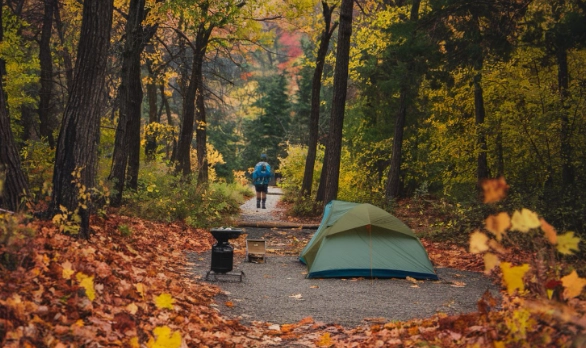
What's Inside This Guide
- How to Choose an Ethical Campsite (The 200-Foot Rule)
- The Real Deal on Waste Management: It's Not Just Trash
- Fire Respect: More Than Just Putting It Out
- Wildlife Etiquette: Beyond "Don't Feed the Bears"
- The Social Contract: Noise, Light, and Shared Spaces
- The 5 Most Common (and Avoidable) Camping Etiquette Mistakes
How to Choose an Ethical Campsite (The 200-Foot Rule)
This is where it all starts. In developed campgrounds, it's easy—you pitch on the pad. Backcountry or dispersed camping is where your choices matter most. The golden rule from the Leave No Trace Center for Outdoor Ethics is to camp on durable surfaces.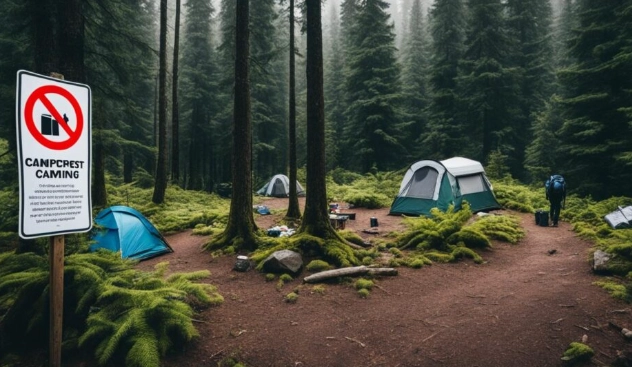
What does that mean on the ground? Look for spots that already look used: bare dirt, rock, gravel, sand, or dry grass. The goal is to avoid crushing delicate vegetation like meadow flowers or soft, moist soil that will show your tent's imprint for weeks. If you're in a truly pristine area without any existing sites, spreading out is better than concentrating in one new spot.
Then, there's the 200-foot rule. Your campsite should be at least 200 feet (about 70 big steps) from any lake, stream, river, or trail. This protects fragile riparian zones—the green areas near water that are critical for wildlife—and keeps our soap, food, and waste from polluting the water. I can't tell you how many times I've seen tents pitched right on a creek bank. It might look idyllic, but it's damaging.
Pro Tip: Set up camp, then walk your 200 feet to the water source to collect what you need. It adds a moment of intentionality to the process and truly minimizes your footprint.
The Real Deal on Waste Management: It's Not Just Trash
Everyone knows "pack it in, pack it out." But ethical waste management gets more nuanced.
Human Waste
If there's an outhouse or pit toilet, use it. In the backcountry, you'll need to dig a cathole. This isn't optional. Find a spot 200 feet from water, trails, and camp. Dig a hole 6-8 inches deep (the depth where soil organisms are most active for decomposition) in organic soil. Do your business, fill the hole back in, and disguise it. Pack out your toilet paper in a zip-lock bag. Yes, really. Burning it often leaves charred scraps, and burying it doesn't work well. It's a bit gross at first, but you get used to it, and it's the cleanest method.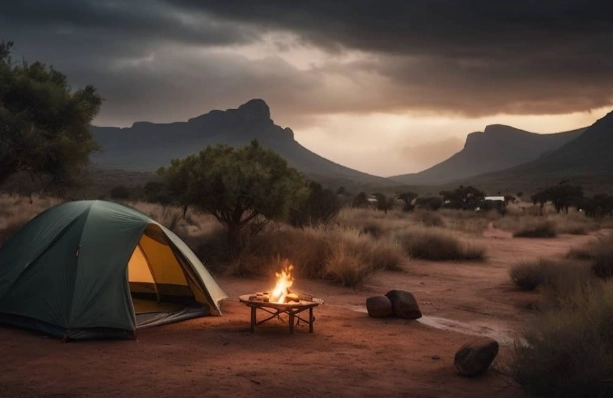
Gray Water and Food Scraps
This is the big one most people mess up. That pasta water or dish soap isn't harmless. Never dump it directly into a lake or stream, or even on the ground near camp.
Here's the drill: Strain your dishwater through a fine mesh strainer to catch all food bits. Pack those soggy bits out with your trash. Then, take the strained water and scatter it widely over a vegetated area at least 200 feet from your site and any water source. The soil acts as a filter. Use minimal, biodegradable soap (like Dr. Bronner's) but remember—biodegradable doesn't mean "dump it anywhere." It still needs soil to break down.
Fire Respect: More Than Just Putting It Out
A campfire is a primal joy. It's also a major responsibility. First, know if there's a fire ban. With increasing droughts, these are more common. Respect them—a portable gas stove is a fine alternative.
If fires are allowed, use an existing fire ring. Don't build a new one. Scouring a new circle of rocks and blackening a new patch of earth is unnecessary. Keep the fire small. You only need enough heat for ambiance and maybe to roast a marshmallow, not a bonfire visible from space.
Burn only local, dead, and downed wood that's small enough to break by hand. Don't cut live branches. Transporting firewood from home can spread invasive insects that decimate forests—it's a huge ecological issue. Buy it locally near your campsite or gather it on-site where permitted.
Putting it out? "Drown, stir, feel." Pour water on it, stir the ashes with a stick, pour more water, and feel for heat with the back of your hand. It should be cool to the touch. Never just bury a fire; it can smolder for days and start a wildfire.
Wildlife Etiquette: Beyond "Don't Feed the Bears"
We all know not to feed bears. But the principle applies to every creature, from squirrels and chipmunks to birds and deer.
Feeding wildlife teaches them to associate humans with food. This leads to aggressive behavior (that cute jay becomes a dive-bombing menace), poor animal health (our food isn't their diet), and often, the animal's death. A "habituated" bear that raids coolers is often euthanized. It's not the bear's fault.
Proper food storage is the flip side of this coin. In bear country, use the provided bear-proof lockers or your own bear-resistant canister. Hang your food bag properly using the counter-balance method if required. Even in non-bear areas, secure all food, trash, and scented items (toothpaste, sunscreen, deodorant) in your car or a sealed container. Never leave food out or bring it into your tent. A mouse chewing through your tent for a granola bar is a bad way to wake up.
Observe wildlife from a distance. Use binoculars. Getting too close stresses them out and can alter their natural behavior, especially during sensitive times like nesting or winter.
The Social Contract: Noise, Light, and Shared Spaces
We go outdoors for solitude and natural sounds. Respect that.
Noise pollution is a top complaint. Keep voices down, especially after dark. If you want music, use headphones. Your taste in music is not shared by the family in the next site or the person seeking silence a mile down the trail. Generators? Check campground rules, but generally, limit use to daytime hours only. Their drone can ruin the ambiance for a huge radius.
Light pollution is the visual version of noise. Blazing lanterns and bright white headlamps that sweep across other campsites are intrusive. Use lanterns sparingly and shield them. When walking around camp at night, use the red-light setting on your headlamp—it preserves your night vision and is less disruptive to others and wildlife.
Finally, respect campsite boundaries. Walking through someone else's designated site is like cutting through their front yard. Stick to roads and trails when moving around the campground.
The 5 Most Common (and Avoidable) Camping Etiquette Mistakes
After years of camping, these are the blunders I see constantly. Avoid these, and you're ahead of 80% of campers.
- Leaving "micro-trash" behind: Orange peels, apple cores, pistachio shells. "It's biodegradable!" you say. Yes, but slowly, and in the meantime, it's litter that attracts animals and looks ugly. An orange peel can take 6 months to decompose. Pack it all out.
- Not fully extinguishing a fire: That smoldering log you left because "it'll burn out" is a real danger.
- Dumping gray water by the picnic table: It creates a smelly, sticky mess for the next camper and attracts insects and animals.
- Letting dogs run off-leash in leash-required areas: Not everyone is comfortable with dogs, and your dog might chase wildlife or intrude on other sites.
- Arriving late and making a huge racket setting up: Clanking poles, loud whispers, car doors slamming. Try to arrive before quiet hours, and if you must arrive late, have your setup routine down to a quiet, efficient science.
Camping ethics come down to awareness and consideration. It's asking yourself, "If everyone did what I'm about to do, would this place still be worth visiting?" When the answer is yes, you've done it right. You've earned that sunset view and the quiet of the forest.