What’s Inside (Tap to Jump)
You pitch a tent, light the fire, and wait for the magic. But after a decade of camping across three continents, I’ve learned the social benefits of camping rarely ignite around the campfire itself. They come while wrestling a stubborn tarp, sharing a burnt pancake, or getting lost on a “shortcut” together. That’s where camping for mental wellness and genuine outdoor connection actually happen. This article digs into the science, the practical how-tos, and the quiet moments that make camping a powerful tool for your brain and your relationships.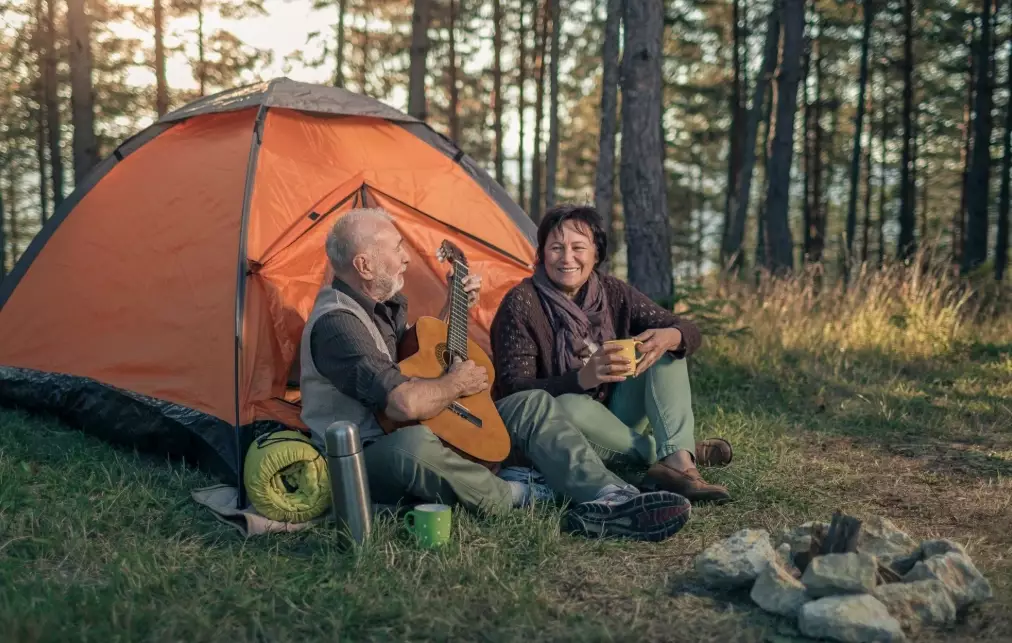
Why the Real Magic Happens Away From the Fire
I used to think the campfire was the social glue. Then a friend pointed something out during a soggy trip in the White Mountains: the best conversations happened while we were doing something else—filtering water, fixing a guy line, or just walking side by side on a trail. The fire is great, but it’s performative. The real stuff happens in the margins.
Research from the University of East Anglia found that even short outdoor experiences reduce stress and boost well-being. But here’s the nuance: the social component amplifies it. A study in the Journal of Environmental Psychology showed that shared outdoor activities increase feelings of closeness more than indoor team-building. Why? Because you’re facing a common, low-stakes challenge together—and your brain loves that.
The Brain Science of Camping Connection
Here’s where it gets interesting. Your brain on camping isn’t just relaxed—it’s primed for bonding. When you strip away screens, schedules, and the noise of daily life, your prefrontal cortex (the decision-maker) takes a breather. That frees up mental space for empathy and active listening. I’ve seen this firsthand: people who barely talk at home suddenly open up while setting up a tent in the rain. It’s not the rain; it’s the shared focus.
There’s also the oxytocin angle. Physical touch—passing a water bottle, helping someone up a rock—triggers tiny releases of oxytocin. It’s not about big gestures. It’s the micro-moments. And at night, when the fire finally starts, the brain is already in a social groove. That’s why the campfire feels so good: it’s the cherry on top, not the sundae.
How to Build Deeper Bonds on Your Next Trip
Forget icebreakers. Use these concrete strategies instead. They’re based on what I’ve seen work (and fail) over years of group trips.
- Assign shared tasks deliberately. “You gather wood, I’ll filter water.” This creates a sense of teamwork without forced conversation.
- Walk side by side, not face to face. Trails naturally reduce eye contact pressure—people talk more freely.
- Embrace the “oops” moments. Dropped the matches in the stream? Perfect. Problem-solving together builds trust.
- Use the 20-minute rule. After setting up camp, spend 20 minutes doing nothing together—sitting on a log, watching the light change. No phones, no agenda.
- Cook one meal together, not separate ones. Even if it’s just boiling pasta, the shared effort counts.
What about solo campers? The social benefits aren’t lost—they’re just internal. Solitude in nature strengthens your ability to connect with yourself, which ironically makes you better with others later. I’ve had my deepest insights alone in the backcountry, then come home and had more patience for my family. That’s the brain wellness loop.
Wellness That Sticks: What Camping Does to Your Brain
The camping social benefits don’t end when you pack up. Studies on nature exposure show reduced rumination and lower cortisol levels that last for weeks. Pair that with the social bonding, and you get a double whammy: your brain gets a break from social anxiety while simultaneously practicing real connection.
I’ve noticed a pattern: people who camp regularly seem more resilient. They handle small stressors better. Why? Because camping throws manageable challenges at you—rain, bugs, a forgotten spatula—and you deal with them. That builds what psychologists call “stress inoculation.” And when you do it with others, you learn to lean on people, which is a skill many of us lack.
Quick Reference: Social vs. Solo Camping Benefits
| Scenario | Social Benefit | Brain Wellness Effect | Best For |
|---|---|---|---|
| Group camping (shared tasks) | Builds teamwork and trust | Lowers cortisol, boosts oxytocin | Families, friends, coworkers |
| Couples camping (one-on-one) | Deepens intimacy through shared challenges | Improves active listening, reduces screen time | Partners seeking reconnection |
| Solo camping | Strengthens self-connection | Enhances introspection, reduces social fatigue | Introverts, stressed professionals |
| Family camping with kids | Creates cooperative learning moments | Models problem-solving, builds resilience | Parents wanting quality time |
Real Questions, Straight Answers
This article was fact-checked against peer-reviewed research on nature and social connection, and reflects my own experiences as a longtime camper and outdoor educator.