Quick Guide
- Breaking Down the 222 Rule: What Do the Numbers Mean?
- Why Bother? The Real Benefits of Following This Rule
- How to Actually Apply the 222 Rule: A Step-by-Step Plan
- Flexibility and Exceptions: The Rule Isn't a Straightjacket
- Common Questions About the 222 Camping Rule
- Mistakes the 222 Rule Helps You Avoid
- Wrapping It Up: More Than Just Numbers
Let's be honest. We've all been there. You're driving for what feels like forever, the sun is dipping below the trees, and you finally pull into the campground. It's getting dark, you're hungry, and now you have to figure out how to set up a tent you've only seen in the bag. Stress city. That first night can make or break a whole weekend.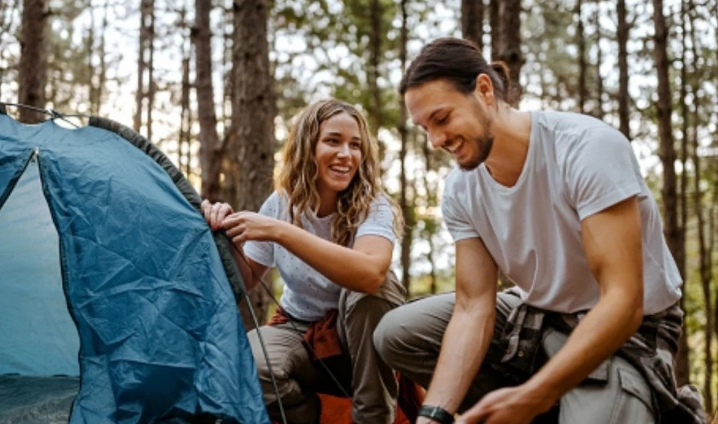
I learned this the hard way on an early trip to the Sierra Nevada. We got a late start, hit traffic, and rolled in just as the last bit of light vanished. Fumbling with headlamps and tent poles while mosquitoes feasted on us wasn't exactly the "connection with nature" I had in mind. It was a mess.
That's where a simple piece of camping wisdom comes in. It's called the 222 rule for camping. You might have heard veterans mention it. Maybe you saw it in a forum. But if you're asking yourself, "What is the 222 rule for camping, really?" you're in the right place. It's not some official law, but a guideline born from collective experience to prevent exactly the kind of chaotic situation I just described.
It's one of those things that seems obvious once you hear it, but most beginners (and even seasoned folks who get overconfident) forget to plan for.
Sounds simple, right? But the magic is in how it changes your entire approach. It's not just about time; it's about safety, comfort, and actually enjoying yourself. This guide will dig into every part of it, why it works, and how to make it work for you, even when things don't go as planned.
Breaking Down the 222 Rule: What Do the Numbers Mean?
So, let's get specific. When someone explains what is the 222 rule for camping, they're usually referring to three separate two-hour windows. It's a checklist for your arrival timeline.
| The "2" | What It Means | The "Why" Behind It |
|---|---|---|
| First 2 Hours | Aim to arrive at your campsite at least 2 hours before sunset. | This gives you the precious gift of daylight. Setting up in the dark is difficult, frustrating, and can be unsafe. Daylight lets you scout your site, identify potential hazards (like ant hills or sloping ground), and do everything with visibility. |
| Second 2 Hours | Plan to have your shelter fully set up 2 hours before you plan to eat dinner. | Your tent, hammock, or sleeping quarters are your home base. Getting this done first, well before you're hungry and tired, means it's one major task off your list. If weather turns suddenly, you and your gear have a safe, dry place to go. It also lets you organize your sleeping area calmly. |
| Third 2 Hours | Have your cooking and eating finished 2 hours before you plan to go to sleep. | This is crucial for safety and wildlife. Cleaning up cooking smells, storing food properly in a bear canister or car (depending on regulations), and disposing of wastewater takes time. Finishing early minimizes the chance of attracting animals to your site after dark. It also gives you time to digest, relax by the fire, and wind down naturally. |
See how they chain together? It creates a relaxed, sequential flow to your setup. Arrive with light, build your home, then make dinner, clean up, and enjoy the evening. Instead of a panicked rush where everything happens at once in the dark.
I think a lot of people misunderstand the 222 camping rule as being rigid. It's not. It's a buffer. If you arrive 2.5 hours before sunset, even better. The point is to build in a margin for error. Because there will always be errors.
Why Bother? The Real Benefits of Following This Rule
You might be thinking this is overkill. Maybe you're a fast tent pitcher. Maybe you don't mind cooking in the dark. I get it. But the value of the 222 rule for camping goes way beyond just checking boxes on a timeline. It fundamentally changes the quality of your trip.
Safety First (Always)
This is the biggest one. Daylight is your best safety tool in the outdoors. It helps you:
- Avoid Injury: See tripping hazards, uneven ground, and dead branches overhead when choosing a tent spot.
- Set Up Correctly: Properly stake out your tent rainfly for weather readiness. A poorly pitched tent in a midnight storm is a nightmare.
- Manage Wildlife: See and safely avoid any wildlife activity in your area. It also gives you ample time for proper food storage, which is non-negotiable in bear country. Resources like the National Park Service's bear safety guidelines consistently stress storing food before dark.
Massively Reduce Stress
Camping is supposed to be fun, not a race against the clock. When you're not rushed, you can actually enjoy the process. You can take a walk around the campground, chat with your companions, and soak in the surroundings instead of barking orders about who holds which tent pole.
The mental shift is huge. You transition from "travel mode" to "camp mode" smoothly.
Actually Enjoy Your Evening
This is the payoff. When dinner is cleaned up by 8 PM and your camp is shipshape, you get to just be there. You have time for a proper campfire, stargazing, telling stories, or just listening to the sounds of the night. Your evening isn't consumed by chores. That's the whole point of going out there, isn't it?
How to Actually Apply the 222 Rule: A Step-by-Step Plan
Knowing what is the 222 rule for camping is one thing. Implementing it is another. It starts long before you turn the key in the ignition.
Phase 1: The Pre-Trip Planning (The Most Important Part)
This is where you win or lose. Pull up a map or your campground reservation email.
- Check Sunset Time: For your campground location and date of travel. Don't guess.
- Calculate Your "Must Arrive By" Time: Sunset minus 2 hours. Write this down. If sunset is at 7:45 PM, your target arrival is 5:45 PM.
- Work Backwards for Departure: Now factor in drive time. Add extra for traffic, rest stops, and maybe getting gas or supplies near the campground. If it's a 3-hour drive, don't leave 3 hours before 5:45 PM. Leave 4-4.5 hours before. This is the critical step everyone skips.
- Pack for Efficiency: Pack your car so the tent and first-night essentials are accessible. You shouldn't have to unpack everything to find your tent.
A failed plan here makes the whole rule fall apart.
Phase 2: The Arrival & Setup Flow
You've arrived with daylight! Now follow the sequence.
First Hour on Site:
- Don't just start unloading. Walk the site. Where's the best flat spot for the tent? Where's the picnic table? Where will you cook (ideally downwind from your tent)?
- Get the shelter up immediately. All hands on deck. Make it sturdy.
- Unroll sleeping pads and bags inside to let them loft.
Second Hour on Site:
- Set up your kitchen area. Organize your food, stove, and utensils.
- Gather water if needed.
- Now you can change into camp clothes, set up chairs, and relax a bit knowing your home is secure.
Third Hour on Site (Dinner & Cleanup):
- Cook and eat dinner. Enjoy it!
- Immediate Cleanup: This is a discipline. Wash dishes, put all food and smellables (toothpaste, deodorant) into the designated storage (bear locker, car, hang). Scatter your dishwater far from camp.
- Do a final "smell check" of your site and clothing.
Now, look at the time. If you followed this, you likely have those precious 2 hours of chill time before bed. You earned it.
Flexibility and Exceptions: The Rule Isn't a Straightjacket
Okay, reality check. Sometimes you can't make the timeline. A flat tire, a detour, a late work meeting. It happens. The beauty of understanding what is the 222 rule for camping is that it gives you a framework to adapt.
Scenario: You're running late and will arrive at dusk.
- Adaptation: Your priorities compress. Shelter first, above all else. Have a headlamp for each person. Consider a "no-cook" first dinner—sandwiches, wraps, snacks that require zero cleanup. Your main goal is safe shelter and getting food stored properly, even if it's a simple meal.
Scenario: Bad weather is rolling in fast.
- Adaptation: The sequence might flip. Get the tent up in the last minutes of dry weather, even if it's before you've fully scouted. Throw your gear inside to keep it dry. You can cook under a tarp or rainfly later if you have a safe stove setup. The rule's spirit—creating safety buffers—still applies, just in a different order.
Scenario: Camping with young kids.
- Adaptation: Everything takes longer. Add a "kid buffer." Maybe you need to aim for 3 hours before sunset. Build in time for snack breaks, potty stops, and little helping hands. The rule prevents the stress of rushing cranky children, which is a special kind of hell.
The rule is a guideline for ideal conditions. Your experience and judgment trump it. But having the ideal plan in mind makes adapting from a position of knowledge, not panic.
Common Questions About the 222 Camping Rule
Let's tackle some stuff people really wonder about.
Is the 222 rule for camping only for beginners?
Not at all. I know experts who swear by it. It's just good practice. Experience might let you execute faster, but the principle of building in buffers is smart at any level. An experienced camper might use the saved time to gather better firewood or take a short hike, not just rush less.
Does this apply to backpacking?
It applies even MORE to backpacking. Your margin for error is smaller. Daylight is critical for finding a good backcountry site, filtering water from an unknown source, and hanging a bear bag properly. The physical fatigue also means you move slower. Planning your hiking miles to hit camp with daylight is a core backpacking skill that aligns perfectly with the first "2" of the rule.
What about winter camping?
In winter, daylight is scarce and tasks take longer in the cold. The rule becomes critical. You might need to adjust the "2 hours" to "3 hours" because putting on layers, melting snow for water, and setting up a tent with frozen fingers is a slow process. The core idea—maximize daylight for setup—is amplified.
How do I handle this with a large group?
Delegate! Assign teams: a shelter team, a kitchen setup team, a water/firewood team. The rule provides a shared timeline for everyone to work against. A pre-trip huddle to explain the goal of arriving with light and the setup sequence gets everyone on the same page and prevents chaos.
Mistakes the 222 Rule Helps You Avoid
Sometimes it's clearer to see the value in what you prevent. Here’s a short list of disasters this simple plan stops before they start.
- The Midnight Food Raid: Cooking late and going to bed with food smells on you or in your tent. This is a top way to invite unwanted wildlife visitors.
- The Wet Gear Debacle: Setting up in the dark and missing that your tent is in a slight depression. A midnight rain turns your floor into a sponge.
- The Family Argument: Nothing breeds bickering like hunger, fatigue, and struggling with a tent in the dark. The rule preserves group harmony.
- The Abandoned Trip: A first night so miserable that people want to pack up and go home in the morning. I've seen it happen.
It's really about respecting the environment and your own limits. The outdoors doesn't care about your schedule. The 222 rule for camping is how you sync your human plans with the rhythm of the natural world—daylight, animal activity, weather.
Wrapping It Up: More Than Just Numbers
So, if someone asks you, "What is the 222 rule for camping?" you can tell them it's more than a timing trick. It's a philosophy for better outdoor experiences. It's the wisdom of planning for things to go slower than you think, of prioritizing safety through daylight, and of creating space to actually enjoy why you went out there in the first place.
It turns a potentially stressful arrival into a smooth, controlled transition from the road to your home in the woods. It gives you the gift of a calm evening under the stars.
Try it on your next trip. Plan backwards from that sunset time. Give yourself the gift of those buffers. You might find that the simple act of not rushing transforms everything. Your tent will feel homier, your food will taste better, and the silence of the night will feel peaceful, not intimidating. That's the real goal, isn't it?
Happy camping, and don't forget the headlamps (just try not to need them for the big setup jobs).