Let's be honest. The hardest part of camping isn't sleeping on the ground or cooking over a flame. It's figuring out what to bring. You stare at your gear pile, then at your car, and a familiar panic sets in. Did I pack enough? Did I pack too much? Will I freeze? Will I starve? I've been there. On my first solo trip, I brought three sweaters but forgot a towel. I spent a damp, chilly evening wrapped in a flannel shirt. Not ideal.
Packing for camping isn't about throwing random outdoor-looking things into a bag. It's a system. Get it right, and your trip is smooth, comfortable, and fun. Get it wrong, and you're the person borrowing matches at 10 PM. This guide is the system. We'll move beyond generic lists and dive into the how and why of packing, tailored to real-world scenarios. Forget guesswork. Let's build your kit.
Your Packing Roadmap
The Two Rules That Change Everything
Before we list a single item, internalize these principles. They're more valuable than any piece of gear.
1. Pack by System, Not by Item
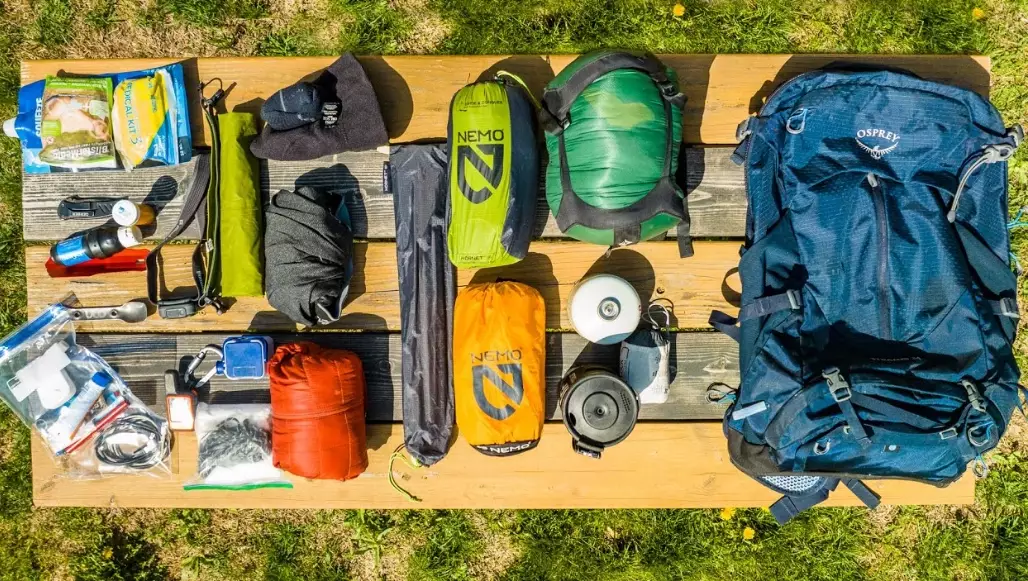
New packers think: "Tent, sleeping bag, flashlight, food." This leads to chaos and forgotten essentials. Experienced campers think in functional systems:
- Shelter System: Tent, footprint/ground tarp, stakes, guylines, mallet/hammer.
- Sleep System: Sleeping bag, sleeping pad, pillow, liner (if needed).
- Kitchen System: Stove, fuel, pot/pan, utensils, bowl/plate, mug, cleaning supplies, food, cooler.
- Clothing System: Layered outfits (base, mid, outer), sleep clothes, rain gear, footwear.
- Comfort & Safety System: Headlamp, first-aid kit, navigation, sun protection, repair kit, camp chair.
Pack and check off each system individually. This mental model ensures you have a complete, functional setup, not just a bag of random stuff. I physically pack my car in these clusters—all sleep gear in one duffel, all kitchen gear in a plastic tub.
2. Your Trip Dictates Your Gear
A weekend at a drive-in campground in July requires a completely different kit than a 3-day backpacking trip in the mountains in October. Ask yourself:
- Where are you going? (Car campground, backcountry site, desert, forest, lakeside)
- How long are you staying? (1 night, weekend, week)
- What's the weather forecast? (Temperature range, chance of rain, wind)
- How are you getting there? (Car camping with ample space, hiking in with limited capacity)
The answers to these questions are your packing filter. A forecast of 10°C lows means you need a sleeping bag rated for at least 0°C. A lakeside site means bug spray and a swimsuit become critical. Tailor everything.
The Master Camping Packing List (By Category)
Here is the comprehensive, category-by-category breakdown. Use this as your master template, then apply the filtering principle above.
| Category | Essential Items | Why It's Critical & Notes |
|---|---|---|
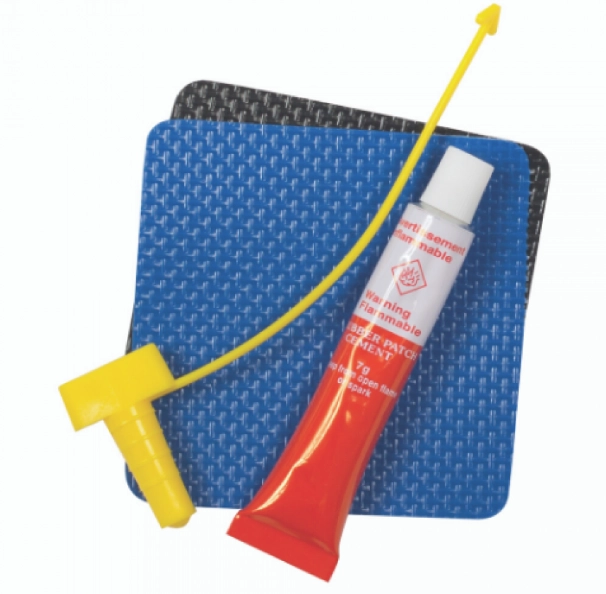
| Shelter & Sleep | Tent with rainfly & poles, footprint/ground tarp, sleeping bag, sleeping pad, pillow, tent repair kit. | Your home base. The footprint protects your tent floor. Your sleeping bag's temperature rating should be lower than the expected low. A pad is for comfort AND insulation from the cold ground. |
| Cooking & Food | Camp stove & fuel, lighter/matches, pot/pan with lid, spatula, cooking knife, bowl/plate, mug, spork, cooler, food, water containers, biodegradable soap, sponge, towel, trash bags. | Plan simple meals. Pre-chop veggies at home. A cooler isn't just for food—it keeps bears away if used properly. Always pack more water than you think you'll need. |
| Clothing | Layers: Moisture-wicking base layer (synthetic/wool), insulating mid-layer (fleece/puffy), waterproof outer shell. Quick-dry pants/shorts, camp socks, sleep clothes, sun hat, warm hat, rain jacket & pants, sturdy footwear, camp shoes (sandals/crocs). | Avoid cotton. It retains moisture and loses insulating power when wet ("cotton kills"). Merino wool or synthetics are your friends. Pack for the worst weather you might encounter. |
| Tools & Lighting | Headlamp (with extra batteries), multi-tool/pocket knife, mallet/hammer for tent stakes, paracord, duct tape (wrap some around a water bottle). | A headlamp is non-negotiable—hands-free light is a game-changer. Duct tape fixes tent poles, shoes, and gear tears. A simple multi-tool can save a meal. |
| Health & Safety | Well-stocked first-aid kit, personal medications, sunscreen (SPF 30+), insect repellent, hand sanitizer, toilet paper & trowel (for backcountry), map & compass/GPS, whistle, fire starter. | Don't buy a pre-made mini first-aid kit. Build one tailored to your group. Include blister treatment. Know how to use your map and compass. |
| Personal & Comfort | Toothbrush/paste, quick-dry towel, sunglasses, camp chair, book/games, battery pack for phone. | These are the items that transform survival into enjoyment. A camp chair is worth its weight in gold after a day of hiking. A quick-dry towel is vastly superior to a bulky cotton one. |
Notice something? No quantities are listed for clothing. That's intentional. For a 3-day summer trip, I pack: 2 base layer tops, 1 mid-layer, 1 outer shell, 2 pairs of quick-dry pants/shorts, 3 pairs of socks (1 for sleeping), 1 set of sleep clothes. That's it. You can rinse and re-wear.
What Most Beginners Get Wrong (And How to Avoid It)
After a decade of guiding trips and watching countless newcomers, I see the same errors repeatedly. Here's the shortlist.
Mistake #1: The "Just in Case" Clothing Pile. You end up with a duffel full of unworn shirts. Fix: Embrace the layering system. A few versatile layers outperform a suitcase of individual outfits. A merino wool base layer can be worn for multiple days without smelling.
Mistake #2: Assuming the Weather Will Hold. Sunshine at the trailhead doesn't guarantee sunshine at the campsite. Fix: Pack your rain jacket and warm hat every single time, even if the forecast is clear. Mountain and coastal weather shifts fast.
Mistake #3: Neglecting Footwear Planning. One pair of boots for everything. Fix: Bring dedicated camp shoes. After a long hike, letting your feet breathe in sandals or lightweight sneakers is pure bliss and allows your hiking boots to dry out.
Mistake #4: Forgetting the "Camp" in Camping. Packing only for survival, not for relaxation. Fix: Allocate space for one luxury item—a good book, a compact camp chair, a fancy coffee press. It dramatically improves your evening morale.
Advanced Packing: Space, Weight, and Sanity
You have the list. Now, let's talk about the physical act of packing, especially for car camping where space seems unlimited but gets cluttered fast.
The Container Method
Ditch loose items. Use clear plastic storage bins with lids for each system.
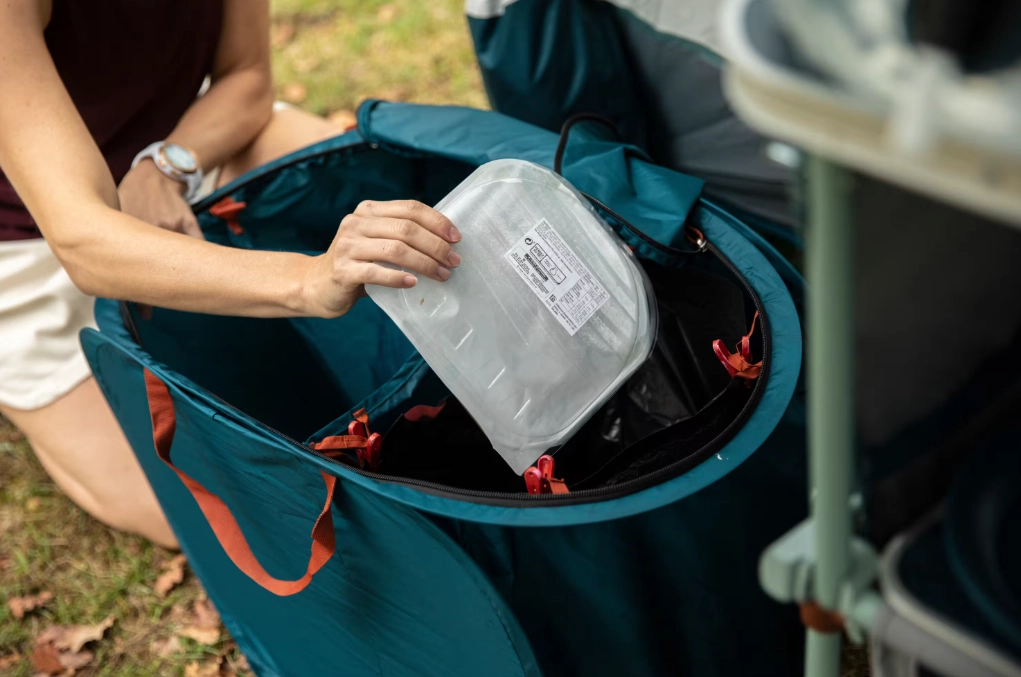
- Kitchen Bin: Holds stove, fuel, cookware, utensils, cleaning kit, spices. At camp, pull out the whole bin—your kitchen is ready.
- Sleep Bin/Bag: A large duffel for all sleep-related items: sleeping bags, pads, pillows, liners.
- Clothing Bag: A single backpack or duffel for everyone's clothes, organized by person in packing cubes.
This keeps your car organized, protects gear from dust and moisture, and makes setup/teardown a breeze. Label the bins.
The "First Night" Box
This is my secret weapon for arriving late at a campsite. Pack one small, easily accessible box or bag with:
- Headlamp
- Tent >Sleeping bags/pads >Water bottle and a snack >Rain jackets
With this box, you can set up shelter and get to bed without unpacking your entire vehicle. It eliminates that frantic, tired search for essentials in the dark.
Your Camping Packing Questions, Answered
How do I pack camping gear in a small car?
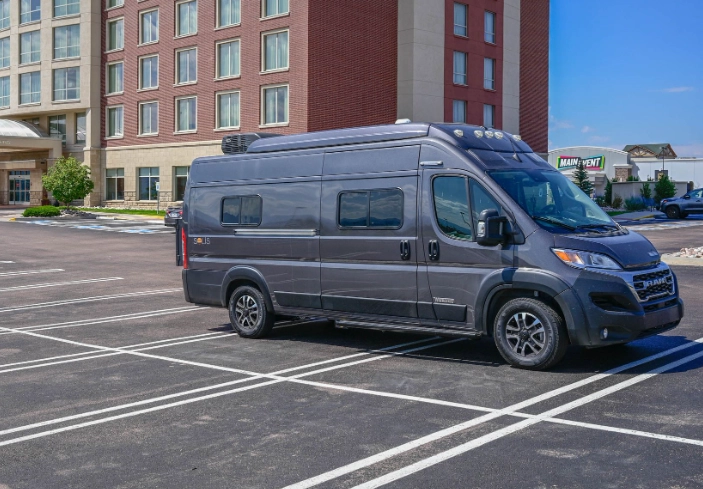
The container method is key. Soft bags (duffels, backpacks) conform to odd spaces better than hard suitcases. Pack heaviest, least-needed items (like the cooler full of food) first, on the bottom or against the seatbacks. Place the "First Night" box and clothing bag last, so they're accessible. Use every nook—footwells, under seats. Roof cargo boxes are a major upgrade if you camp frequently.
What is the one item most people forget when packing for camping?
A towel. Specifically, a quick-dry, packable camping towel. Everyone remembers a sleeping bag, but a surprising number assume the campground will have towels or think a beach towel will suffice. A wet, sandy cotton towel is useless and takes forever to dry. A $20 synthetic camping towel packs to the size of a soda can and dries in minutes.
How can I pack light for a 3-day camping trip?
Focus on multi-use items and strict clothing discipline. A bandana can be a pot holder, towel, sun protection, or pre-filter for water. Wear your bulkiest clothes (boots, jacket) to the site. Plan meals that share ingredients to minimize food weight. Share community gear (tent, stove, first-aid) with your group. Every item should earn its place by having at least two functions.
Is it better to roll or fold clothes for camping?
For casual car camping, it doesn't matter much—use packing cubes for organization. For backpacking or serious space crunching, rolling is generally superior. It minimizes wrinkles and, when done tightly, can create more compact bundles that fit into the crevices of your pack. For puffy items like jackets, just stuff them loosely into empty spaces—they compress best that way.
What should I NOT pack for camping?
Avoid: 1) Fragrance-heavy products (perfumes, scented lotions)—they attract insects and bears. 2) Electronic entertainment you don't need (gaming consoles, speakers). Embrace the disconnect. 3) Glass containers—they're heavy and can break. Transfer food to plastic. 4) Your entire wardrobe. 5) Cotton jeans and sweatshirts for active wear—they're miserable when wet. Stick to technical fabrics.