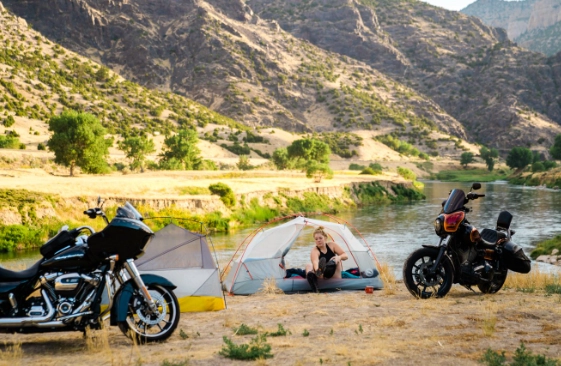
Planning your first camping trip? That mix of excitement and nervousness is completely normal. I remember my first time—I overpacked, forgot a can opener, and spent half an hour figuring out how my tent poles connected. It was messy, but it was fantastic. The goal isn't perfection; it's getting outside and enjoying it enough that you want to go again. This guide strips away the overwhelm and gives you the practical, no-fluff camping tips for beginners that I wish I'd had.
Your Camping Roadmap
Before You Go: Planning is Everything
Jumping straight into buying gear is a classic rookie mistake. Start with the plan.
How to Choose Your First Campsite
For your maiden voyage, think car camping at an established campground. Backpacking can wait. Look for a site that offers:
- Designated Drive-Up Spots: You can park right next to where you'll pitch your tent. Hauling gear 100 feet is much better than a mile.
- Basic Amenities: A picnic table, a fire ring, and access to a restroom with running water (even a vault toilet is fine). These comforts are huge for confidence.
- Proximity to Home: Pick a place within a 2-hour drive. If something goes wrong or the weather turns, you're not stranded far away.
Where to look? I always check Recreation.gov for federal sites (National Parks, Forests) and state park websites. Read recent reviews on platforms like The Dyrt or Campendium—they often mention if a site is level, shady, or has pesky mosquitoes.
The Critical Step Everyone Forgets: A Trial Run
Set up your new tent in your backyard or living room. I'm serious. Practice in daylight. Then, if you're feeling brave, sleep in it there. This accomplishes three things: you learn how the tent works, you verify all parts are present, and you realize if your sleeping pad is comfortable or feels like a rock. Discovering a missing pole at home is a minor annoyance. Discovering it in the woods at dusk is a trip-ender.
Gear Up Without Breaking the Bank
You don't need the latest $500 tent. You need functional, reliable basics. Here’s where to focus your budget and where to save.
| Category | Essential Item | Beginner Priority & Tips |
|---|---|---|
| Shelter & Sleep | Tent, Sleeping Bag, Sleeping Pad | HIGH PRIORITY. Don't skimp on warmth. A bag's temperature rating is its survival limit, not comfort. If camping in 50°F (10°C) nights, get a 30°F (-1°C) bag. The pad is not optional—it insulates you from the cold ground. A basic foam pad works fine. |
| Cooking Kit | Stove, Fuel, Pot, Utensils, Lighter | >MEDIUM PRIORITY. A simple single-burner propane stove (like a Coleman Classic) is foolproof. Plan easy meals: pre-made chili, hot dogs, oatmeal. Bring a backup lighter.|
| Clothing | Synthetic Layers, Rain Jacket, Sturdy Shoes | HIGH PRIORITY. Cotton kills (comfort). It gets wet and stays wet. Wear polyester or wool. Pack layers: base, insulating (fleece), and waterproof shell. Always, always pack a rain jacket. |
| Lighting | Headlamp, Lantern | MEDIUM PRIORITY. A headlamp is non-negotiable. It keeps your hands free for cooking or setting up in the dark. A small lantern for the picnic table is a nice morale booster. |
| Comfort & Misc. | Camp Chair, First-Aid Kit, Map | LOW/MEDIUM. A camp chair is the luxury that makes evenings enjoyable. A basic first-aid kit is a must. Download offline maps or bring a paper one—cell service is unreliable. |
Consider renting big-ticket items like tents or sleeping bags from outdoor co-ops or stores like REI before you buy. It's a low-cost way to test what you like.
Setting Up Camp Like a Pro
You've arrived. Don't just start unloading the car.
Your Campsite Inspection Checklist
Walk the site first. Look for:
- The High Ground: Pitch your tent on the highest, flattest spot you can find. Even a slight slope will have you sliding to one side all night.
- Overhead Dangers: Check for dead branches ("widowmakers") hanging over your chosen spot.
- Drainage: Avoid natural dips or trenches. If it rains, you'll be in a puddle.
- Wind Direction: Face the tent door away from the prevailing wind. Use your car as a windbreak if possible.
How to Set Up Your Tent (Without the Arguments)
Lay out the footprint or ground tarp first. Then unfold the tent on top. Assemble the poles away from the tent, then slide them through the sleeves or attach the clips. Work diagonally when staking it out—opposite corners—to keep it square and taut.
Once the tent is up, organize your "kitchen" area downwind of your tent, and store food/smellables in a secure container or your car (if allowed) away from your sleep site.
Mastering Camp Life: Food, Fire, and Fun
This is where memories are made.
Simple Camp Cooking That Actually Works
Keep it stupid simple. My go-to first-night meal: pre-cooked sausages heated in a pan, with instant mashed potatoes and a bag of pre-washed salad. Zero prep, minimal cleanup. For breakfast, instant coffee and bagels with peanut butter beat trying to cook bacon at 7 AM with sleep in your eyes.
Always have a "no-cook" backup meal (wraps, trail mix, jerky) in case the stove fails or you're just too tired.
Campfire 101 (If It's Allowed)
First, check for active fire bans. Never assume. Use only the existing fire ring. Start small with dry kindling (bring your own or buy local firewood to prevent spreading pests). Keep a bucket of water or a shovel right next to the ring before you light a match. The fire should be completely out before you go to sleep—drown it with water, stir the ashes, drown it again, and feel for heat with the back of your hand.
Honestly? You don't need a fire to have a great time. A lantern and good company work just fine.
Staying Safe and Leaving No Trace
Being a good camper means being safe and leaving the place as good as you found it.
Wildlife: You're in their home. Store all food, trash, toothpaste, and deodorant in a locked car or a bear-proof locker if provided. Making noise on the trail is the best way to avoid surprising larger animals. Seeing a deer is a thrill; surprising a bear is not.
Weather: Check the forecast right before you leave. Be prepared for it to be wrong. That rain jacket is your best friend.
Leave No Trace (LNT): This isn't just a slogan. It's the rulebook. Pack out every single piece of trash you generate, including food scraps and biodegradable items like orange peels. Stay on designated trails. Respect other campers' quiet hours. For a deep dive on the seven LNT principles, the official Leave No Trace Center for Outdoor Ethics website is the authoritative source.
When you pack to leave, do a "police line" sweep of your entire site. Walk in a grid pattern and pick up every micro-trash, twist-tie, and bottle cap.
First-Timer FAQs Answered
The biggest tip I can give you is to adjust your expectations. Something will go slightly wrong. You'll forget the salt. It might drizzle. Your air mattress might have a slow leak. That's not failure; that's camping. The stories come from the minor misadventures. Focus on the feeling of cooking a meal outdoors, the smell of pine trees, and the incredible darkness that lets you see the Milky Way. Master these basic camping tips for beginners, and you'll build a foundation for a lifetime of outdoor adventures. Now go book that site.