Quick Guide
You know that feeling when you've been staring at screens all week, your head feels foggy, and even a good night's sleep doesn't seem to hit the reset button? Yeah, me too. It's brutal. That's probably why you're here, searching for a real solution. You might have heard a friend rave about their weekend in the woods, or seen an article suggesting nature is the answer. But you're skeptical. Is camping actually good for your brain, or is it just another trendy wellness fad wrapped up in expensive gear and Instagram photos?
Let's cut through the noise. Based on a growing pile of scientific research and a whole lot of personal (and sometimes messy) experience, the short answer is a resounding yes. Camping is profoundly good for your brain. But it's not magic. It's a combination of powerful, simple factors that work together to reset systems in your mind and body that modern life constantly throws out of whack.
Think of it less like a spa day and more like hitting the factory reset button on a glitchy computer. It's not always comfortable in the moment—you might get a bit cold, or struggle to light a stove—but the reboot it provides is often exactly what your overloaded cognitive processor needs.
The Core Idea: Camping is good for your brain because it forcibly disrupts the artificial, hyper-connected, and sedentary routines that cause mental fatigue, stress, and poor sleep. It replaces them with natural rhythms, physical activity, and sensory experiences that our brains evolved to thrive on.
The Science Behind the Serenity: How Camping Rewires Your Brain
This isn't just hippie philosophy. There's solid neuroscience and psychology explaining why pitching a tent can feel like a brain bath. It boils down to three major shifts your brain experiences when you trade your ceiling for a canopy of stars.
The Digital Detox Effect (Your Brain's Vacation from Noise)
This is the big one. We're constantly bombarded with notifications, emails, updates, and an endless stream of information. This puts our brains in a state of chronic, low-grade stress, always “on” and scanning for the next stimulus. It fragments our attention and depletes our mental resources, a phenomenon often called “attention fatigue.”
Camping, especially if you choose a spot with poor or no cell service, is a forced digital detox. You can't check work email. You can't doomscroll. The constant ping-pong of digital demands stops. What happens then? Your brain's default mode network—the part associated with daydreaming, introspection, and creative thinking—finally gets a chance to activate without interruption. This is where “aha!” moments often come from, and where your mind processes complex emotions and problems in the background.
A study often cited in this area is the work on “Attention Restoration Theory” by psychologists Rachel and Stephen Kaplan. They found that natural environments engage our attention in a gentle, effortless way (like watching clouds or a fire), which allows the directed attention we use for work to rest and recover. Camping is essentially immersion therapy for this theory.
I remember my first real off-grid trip. The anxiety of being disconnected lasted about an hour. Then, a weird quiet settled in my head. By the second day, I noticed my thoughts felt… longer. Deeper. I wasn't jumping from topic to topic. I was just watching the river flow for what felt like ages, and it was incredibly peaceful. That mental space is the direct result of the digital detox.
Sunlight & Sleep: Resetting Your Internal Clock
Your circadian rhythm is your body's master clock, regulating sleep, hormone release, and even mood. In modern life, it's completely confused. We get blue light from screens late into the night, wake up in dark rooms with alarms, and spend our days under artificial lighting.
Camping fixes this with brutal efficiency. You wake up with the sun (because your tent gets bright and maybe a bird is chirping right next to your ear). You go to bed not long after it gets dark because, well, there's not much else to do and your flashlight battery is limited. This simple alignment with the natural light-dark cycle is incredibly powerful.
Research, like a study highlighted by the National Institute of Mental Health, has shown that exposure to natural light patterns can rapidly reset delayed sleep cycles and increase melatonin production at the appropriate time. You fall asleep easier, sleep more deeply, and wake up feeling more refreshed. Quality sleep is the foundation of nearly every aspect of brain health—memory consolidation, emotional regulation, and cognitive function. So, is camping good for your brain? If it fixes your sleep, then absolutely yes.
Nature's Calming Effect on the Nervous System
This is about moving from a state of “fight-or-flight” (sympathetic nervous system) to “rest-and-digest” (parasympathetic nervous system). Urban environments are full of subconscious stressors: traffic noise, crowded spaces, artificial lights, and the general hustle. These keep our stress-response system subtly activated.
Natural environments do the opposite. The sights, sounds, and smells of nature—what the Japanese call “Shinrin-yoku” or forest bathing—have been shown to lower cortisol (the stress hormone), reduce heart rate, and lower blood pressure. The American Psychological Association has covered extensive research on how exposure to nature reduces rumination (that obsessive, negative thought pattern) and decreases activity in the prefrontal cortex associated with brooding.
When you're camping, you're not just visiting nature for an hour; you're living in it. The calming effect is sustained. The sound of wind in trees, the visual complexity of a forest (which engages our interest without demanding focus), the smell of pine and soil—all these sensory inputs signal safety to our ancient brain, telling it it's okay to stand down.
Beyond the Basics: Different Camping, Different Brain Benefits
Not all camping is the same, and the mental benefits can vary depending on your style. Let's break it down, because your choice here matters.
| Type of Camping | Primary Brain Benefits | Who It's Best For | The Mental Challenge |
|---|---|---|---|
| Car Camping (Drive-up site, more gear) |
Accessible digital detox, sleep reset, stress reduction. Low barrier to entry maximizes the chance you'll actually do it. | Beginners, families, those seeking relaxation over adventure. Great for a first-time brain reset. | Fighting the urge to bring too many comforts (like a tablet) that defeat the purpose. |
| Backpacking / Wilderness Camping (Hike-in, carry everything) |
Deep digital detox, intense mindfulness, major accomplishment boost. The physical challenge releases endorphins and builds resilience. | Experienced outdoors people, those seeking solitude and a profound sense of self-reliance. | Managing physical discomfort and potential anxiety about being truly remote. The mental payoff, however, is huge. |
| “Glamping” (Luxury amenities, often in tents) |
Stress reduction through nature exposure without the hardship. Sleep reset if you avoid screens. Good introduction to sleeping outdoors. | People who need comfort to relax, or those using it as a gateway to more traditional camping. | The risk is minimal “detox.” If you have Wi-Fi and a king bed, you might not get the full cognitive reset. It's nature-*lite* for the brain. |
My personal take? While glamping is fun, it's the middle ground—backpacking or even rustic car camping—that delivers the most potent mental reboot. A little bit of manageable struggle (figuring out the rain fly, cooking on a camp stove) forces you into the present moment like nothing else. There's no autopilot.
Maximizing the Brain Benefits: A Practical Guide
Okay, so you're convinced camping is good for your brain. How do you make sure your trip actually delivers those benefits? It's not automatic. You can go camping and still come back stressed if you do it wrong.
Before You Go: Set Your Brain's Intention
- Embrace the Disconnect: Tell people you'll be offline. Set an email auto-responder. The goal is to remove the ability to check in, which frees your mind from the obligation to check in.
- Pack for Comfort, Not a Tech Suite: A good sleeping pad is a wiser investment than a portable projector. Prioritize sleep and basic comfort. Pack books, a journal, a deck of cards—analog entertainment.
- Manage Expectations: It might rain. Bugs might bite. Your first night's sleep might be rough as your body adjusts. This is all part of the process. Framing it as an “adventure” rather than a “perfect vacation” helps your brain adapt.
While You're There: Activities for a Mental Boost
- Practice “Soft Fascination”: Just sit and observe. Watch the fire, clouds, or water. Don't try to “think about nothing.” Just let your attention be gently held by the natural movement around you. This is the active ingredient in attention restoration.
- Walk Without a Destination: Go for a hike without a strict mileage goal. Wander. Stop when something catches your eye. This is the opposite of our usual task-oriented movement.
- Engage Your Senses: Literally stop and smell the pine trees. Feel the texture of bark. Listen to the layers of sound. This grounds you firmly in the present, short-circuiting anxiety about the past or future.
- Try “Camera-Free” Observation: For a few hours, or even a whole day, leave your phone/camera behind. Experience the view just for yourself, not for documenting it. This removes the performance aspect and deepens the personal experience.
A rule I try to follow: For every photo I take, I spend at least five minutes just looking at the scene without the lens. It makes a massive difference in how deeply I absorb the moment.
Bringing the Calm Home: The Post-Camping Glow (and How to Extend It)
The feeling doesn't have to end when you pack up the tent. The real question of “is camping good for your brain” includes the lasting effects.
- Protect Your Sleep: Try to maintain a more consistent sleep schedule. Consider reducing screen time an hour before bed, mimicking the natural light cue of sunset.
- Schedule Micro-Doses of Nature: A 20-minute walk in a park during lunch can reactivate some of that calm. It's not the same, but it helps.
- Notice Your Triggers: Post-camping, you might become acutely aware of how jarring constant notifications are. Use that awareness to change settings—turn off non-essential notifications, create phone-free zones/times at home.
It really is that simple. The trick is consistency.
Your Questions, Answered (The Real Stuff People Wonder)
How long do I need to camp to see benefits?
Even a single overnight trip can significantly improve sleep patterns and reduce stress markers. Most studies on circadian rhythm reset show changes after 2-3 days immersed in natural light cycles. A weekend (2 nights) is often the sweet spot to feel a noticeable mental shift. A week can be transformative. But don't let perfect be the enemy of good—one night is infinitely better than zero.
What if I hate the idea of “roughing it”?
Then don't! Start with car camping at a developed campground with bathrooms. Bring a comfy air mattress and your favorite foods. The goal isn't suffering; it's changing your environment and rhythm. The National Park Service and other agencies manage thousands of accessible campgrounds perfect for this. Ease into it. The brain benefits come from the disconnect and natural immersion, not from how many beans you eat from a can.
Is there actual scientific proof camping is good for your brain?
Yes, and it's growing. We've touched on Attention Restoration Theory and circadian rhythm research. There's also work on how nature exposure increases creativity and problem-solving skills. A famous study from the University of Utah and Kansas found that participants scored 50% higher on a creative problem-solving test after four days of backpacking, disconnected from electronic devices. The researchers attributed it to the constant exposure to nature and the absence of technology. So, it's not just a feeling; it's measurable.
I have anxiety. Will camping make it worse or better?
This is highly individual. For many, the removal of social and digital pressures combined with nature's calming effect greatly reduces anxiety. For others, the unfamiliarity and distance from immediate help can trigger it. If you're anxious, go with an experienced, calm friend. Choose a safe, popular campground for your first time. Have a plan and focus on the controllables. For countless people, camping becomes a primary tool for managing their anxiety because it teaches self-reliance and puts life's smaller worries into perspective.
Can I get the same benefits from a long day hike?
A day hike is fantastic and offers many of the same stress-reduction and attention-restoration benefits. However, you miss the crucial component of the sleep reset. Sleeping away from artificial light and on a natural schedule is a unique and powerful part of the equation. Think of a day hike as a great mental refresh, while an overnight trip is a full operating system update.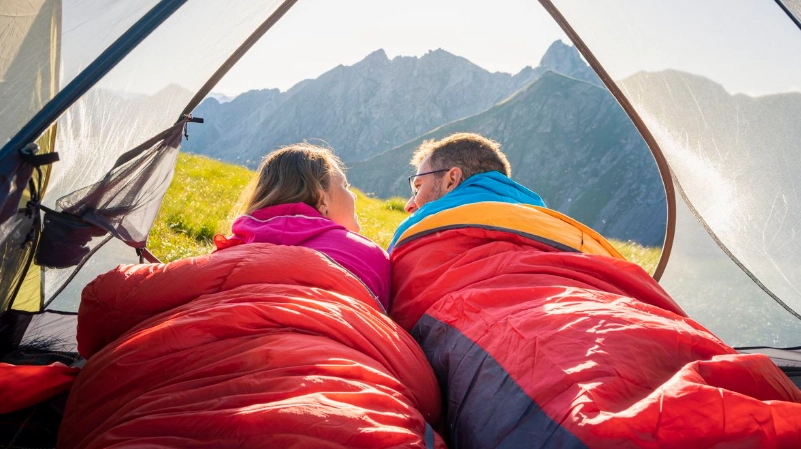
The Final Verdict: More Than Just a Getaway
So, let's circle back to the big question one last time. Is camping good for your brain?
The evidence, both scientific and anecdotal, points overwhelmingly to yes. It's good for your brain because it isn't just an activity; it's a temporary but complete lifestyle shift that counteracts the most harmful aspects of modern living. It forces a digital detox, resets your sleep clock to its natural state, and bathes your nervous system in the calming, low-stress environment it evolved for.
It won't solve deep-seated psychological issues on its own, and it's not a substitute for professional help if you need it. But as a tool for maintenance, for recovery from the weekly grind, for clearing mental fog and sparking creativity, it is remarkably effective and accessible.
The best part? You don't need to be an expert. You don't need the fanciest gear. You just need a willingness to step away, be a little uncomfortable in a new way, and let your brain remember what it's like to operate on its original, natural settings. That reminder, that reset, is the true gift of a night under the stars. Your brain will thank you for it.
Maybe start by looking up a campground for next weekend. Your overworked, under-slept, digitally saturated brain is already dreaming of the quiet.