In This Guide
Let’s be honest. The idea of cooking over a campfire or a tiny stove can turn the dream of a relaxing weekend into a bit of a chore. You picture complicated recipes, a mountain of dirty dishes, and that sinking feeling when you realize you forgot the can opener. I’ve been there—standing in the woods, hungry, staring at a bag of rice and a cold can of beans. Not exactly the gourmet wilderness experience.
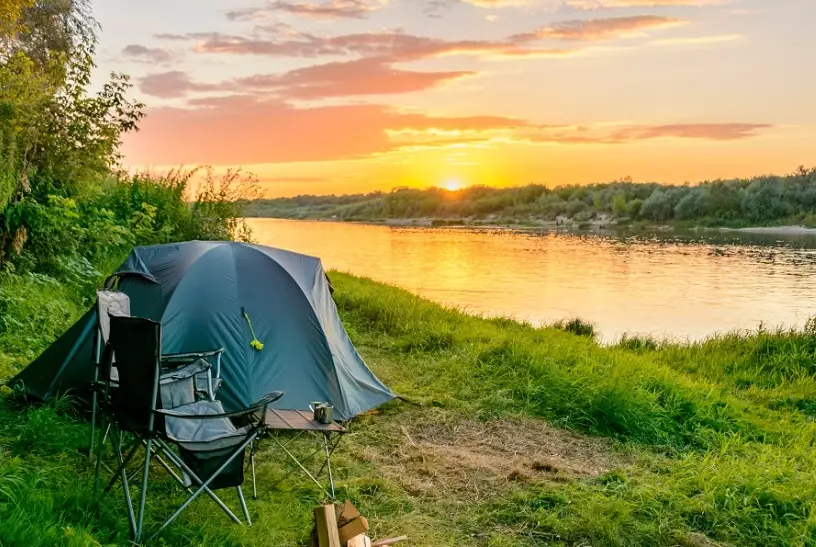
But it doesn’t have to be that way. The secret to enjoying your time in nature is embracing the philosophy of easy camping meals. This isn’t about surviving on granola bars (though they have their place). It’s about eating well with minimal effort, so you can spend less time fussing over dinner and more time watching the sunset.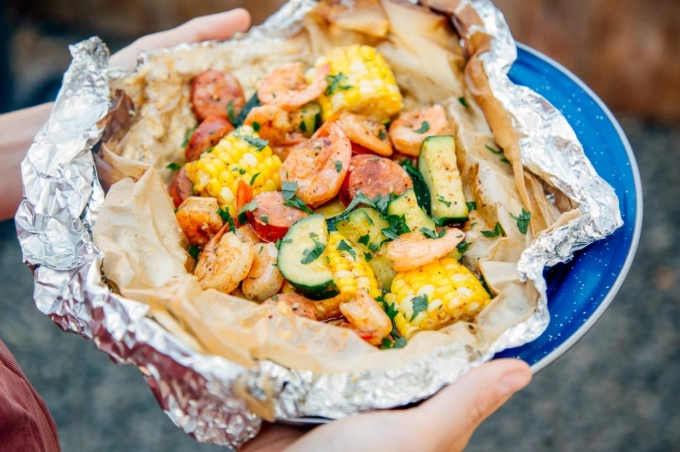
Good food makes the trip. A hot, satisfying meal after a day of hiking is pure magic. This guide is everything I wish I’d known when I started. We’ll ditch the complexity and focus on what actually works.
The Golden Rule of Camp Cooking: Keep It Simple, Seriously
Before we dive into recipes, let’s get the mindset right. Your camp kitchen is not your home kitchen. You have limited space, limited water, and probably limited patience. Every ingredient and piece of gear needs to earn its spot in your pack or cooler. The goal is maximum flavor with minimum hassle.
Step 1: The Smart Plan – Your Map to Camp Kitchen Success
Winging it at the grocery store on your way out of town is a recipe for disaster (and forgotten ketchup). A little planning is the biggest favor you can do for your future, hungry self.
Ask Yourself These Questions Before You Shop:
- How many days/nights? Be realistic about how many meals you need to prepare.
- What’s your cooking method? Camp stove, fire with grill grate, or maybe just a jetboil for boiling water? Your gear dictates your menu.
- Who’s coming and what do they eat? Any vegetarians, allergies, or super picky kids? Address this now, not at the campsite.
- What’s the weather? Super hot? You’ll want meals that use up cooler items first. Cold and rainy? Plan for more hearty, one-pot warmers.
- What’s your activity level? Big hiking days demand more calories and carbs.
I use a simple spreadsheet, but a notepad works just fine. List each meal (Breakfast Day 1, Lunch Day 1, Dinner Day 1, etc.) and jot down the main idea. Then, build your shopping list directly from that menu. This single step eliminates so much stress.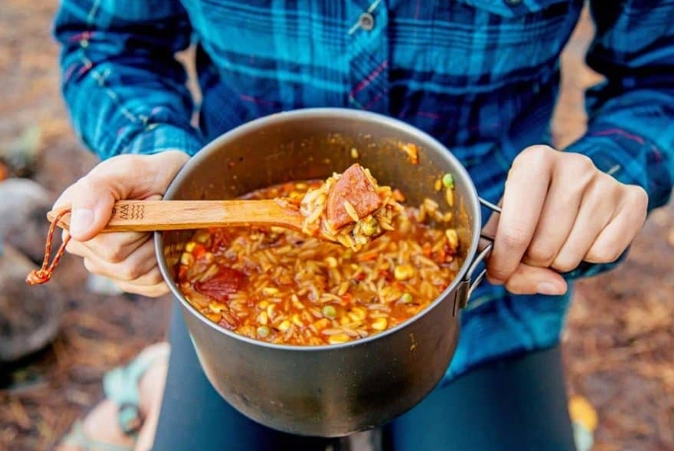
Step 2: The Recipes – Tried, True, and Truly Easy
Here’s where the rubber meets the road. These aren’t fancy; they’re functional, delicious, and designed for the outdoors. We’ll break them down by cooking style.
Category 1: The “Just Add Water” Champions (No-Cook & Minimal Cook)
Perfect for your first night, a lazy day, or when you roll into camp late.
- Walking Tacos: This is a crowd-pleaser. Bring individual bags of Fritos or Doritos. Cook some seasoned ground beef or turkey at home and freeze it—it’ll help keep your cooler cold and just needs reheating. At camp, heat the meat, open the chip bag, and spoon in meat, cheese, salsa, and lettuce. Eat straight from the bag. Zero dishes. Genius.
- Elite Lunch Wraps: Tortillas are your best friend—they don’t get squished like bread. Spread on some hummus or pesto from a squeeze tube, add pre-sliced veggies (bell peppers, cucumbers), some pre-cooked chicken or turkey slices, and maybe a cheese stick. Roll it up. Done. It’s fresh, crunchy, and requires no cooking.
- Adult Lunchables: Don’t underestimate the power of a good snack plate. Good crackers, sliced salami or summer sausage (it’s shelf-stable!), cheese, nuts, dried fruit, and some mustard packets. It feels fancy but takes two minutes to assemble.
See? Easy camping meals can be fresh and satisfying without ever lighting a stove.
Category 2: The One-Pot Wonders (Your Camp Kitchen Heroes)
This is the heart of stress-free camp cooking. One pot, one mess, one amazing meal.
My Go-To: The “Dump-and-Simmer” Chili
I’ve made this in rain, wind, and perfect weather. It always works. In your pot, sauté one chopped onion (or use frozen pre-chopped to save time). Add 1 lb of ground beef (or turkey) and brown it. Now, literally dump in: 1 can of kidney beans, 1 can of diced tomatoes, 1 small can of tomato paste, and a packet of chili seasoning. Add a cup of water or broth. Stir, let it simmer for 15-20 minutes. That’s it. Serve with bread or tortillas. It’s hearty, it’s hot, and it feels like a real accomplishment.
- One-Pot Pasta Primavera: In your pot, combine dried pasta (penne works well), enough water or broth to just cover it, a glug of olive oil, and a bunch of chopped hardy veggies (broccoli florets, sliced zucchini, cherry tomatoes). Bring to a boil, then simmer until the pasta is cooked and water is mostly absorbed. Stir in a big spoonful of pesto or some grated Parmesan. It cooks in one go and the starch from the pasta makes a light sauce.
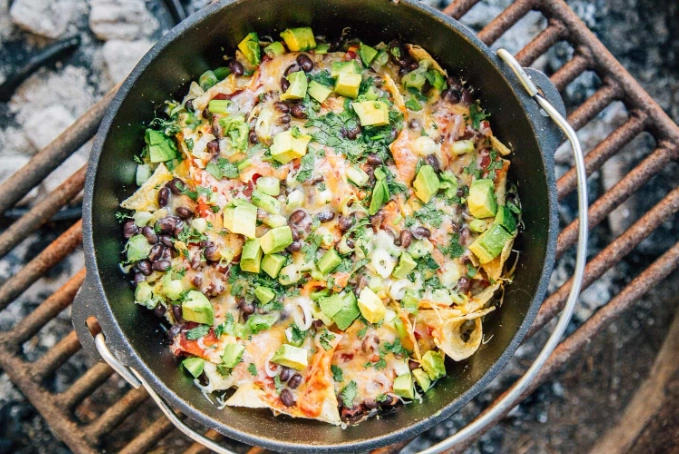
- Campfire Quesadillas: Okay, technically this uses a pan, but it’s still simple. Heat a large skillet or griddle. Place a tortilla down, sprinkle with cheese, pre-cooked chicken or beans, and maybe some corn. Top with another tortilla. Cook until golden and cheese is melted, flip once. Cut into wedges and serve with salsa and sour cream. Kids (and adults) go nuts for these.
Category 3: Foil Packet Magic (Minimal Cleanup)
Foil packets are brilliant for cooking over hot coals. You make them ahead, toss them on the fire, and eat right out of the packet. Cleanup is just crumpling up foil.
| Packet Name | Main Ingredients | Cook Time & Tips |
|---|---|---|
| Lemon Herb Salmon & Asparagus | Salmon fillet, asparagus spears, lemon slices, dill, butter, salt & pepper. | ~15 mins on coals. Ensure packet is sealed tight. Fish should flake easily. |
| Savory Sausage & Potato Medley | Smoked sausage slices, baby potatoes (halved), bell pepper, onion, olive oil, Cajun seasoning. | ~25-30 mins. Cut potatoes small for faster cooking. Shake packet halfway. |
| Break-in-a-Packet | Beaten eggs (pre-mix at home), diced ham, frozen hash browns, cheese, salt & pepper. | ~20 mins. Mix everything in the packet before sealing. Great for group breakfast. |
The key with foil packets is a double layer of heavy-duty foil and a really good seal so steam builds up inside and cooks everything beautifully.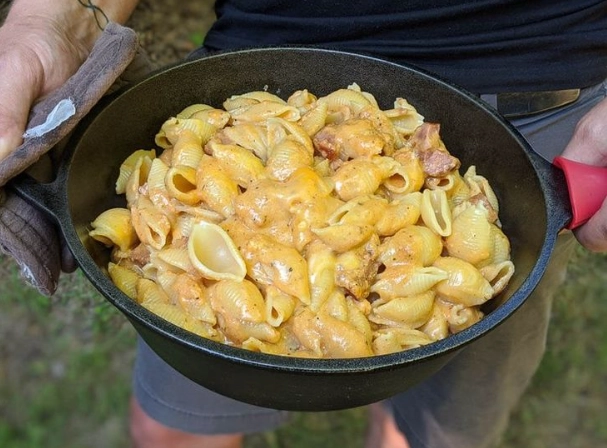
Step 3: Gear & Prep – The Unsung Heroes
The right tools make easy camping meals actually easy. You don’t need a lot, but you need the right stuff.
The Minimalist Camp Kitchen Kit
- Stove & Fuel: A reliable two-burner propane stove is the workhorse for most car campers. Check fuel levels before you leave!
- One Good Pot & One Good Pan: A 3-4 quart pot with a lid and a 10-inch non-stick skillet will handle 95% of meals.
- Basic Utensils: A long-handled spatula, a large spoon, a good knife (in a sheath!), and tongs. Don’t forget a can opener—it’s the most forgotten item.
- Collapsible Sink & Biodegradable Soap: Makes cleanup a civilized affair. Always follow Leave No Trace principles for wastewater disposal.
Prep Like a Pro at Home
This is the biggest time-saver at camp. Do as much as you can in your full-sized, well-lit kitchen.
- Chop Everything: Onions, peppers, carrots, potatoes. Store them in zip-top bags or reusable containers.
- Pre-mix Spices: Put all the spices for a specific recipe (like taco seasoning, chili powder blend) into a small bag labeled for that meal.
- Pre-cook Proteins: Cooking ground beef, bacon, or chicken at home means you just reheat it at camp, saving time, fuel, and mess.
- Repackage: Dump bulky boxes. Put pancake mix, pasta, rice, etc., into sealed bags or containers. Write cooking instructions on the bag with a marker.
Food Safety: It’s Not Glamorous, But It’s Critical
A foodborne illness will ruin your trip faster than anything. Keep your cooler at or below 40°F (4°C). Use a separate cooler for drinks, which you’ll open frequently, to keep the food cooler cold. Pack raw meat at the bottom, sealed in a separate zip-top bag to prevent leaks. The USDA’s food safety guidelines are the gold standard—when in doubt, throw it out.
Answering Your Real Camp Cooking Questions
Here are the things people actually search for when they’re planning their easy camping meals.
How do I keep food cold for 3 days without a fridge?
It’s all about cooler management. Start with a pre-chilled cooler (rinse it out with ice water before packing). Use block ice instead of cubes—it melts much slower. Pack your cooler tightly; a full cooler stays cold longer than a half-empty one. Keep it in the shade, covered with a blanket. And remember the drink cooler trick!
What are some good easy camping meals for large groups?
Think big-batch, build-your-own style meals. A huge pot of chili or pasta. Taco bars with all the fixings. A massive foil packet cookout where everyone assembles their own. These scale easily and let people customize, which is key for groups.
I’m a vegetarian. What are my options?
So many! Veggie chili, bean burritos, pasta with marinara, lentil soup, loaded sweet potatoes (bake them in the coals), and hearty grain salads made ahead. Halloumi cheese is fantastic for grilling. Don’t feel limited.
What’s the best camp coffee method?
This is a holy war. For ease and minimal gear, I’m team Aeropress. It makes a great cup, is nearly indestructible, and cleanup is a simple pop of the coffee puck. The Aeropress guide has all the methods. Pour-over cones are also great. Avoid the instant stuff if you can; good coffee makes the morning.
My Personal “Wish I Knew” Tips
- The Spice Kit: I have a small plastic box with tiny jars of salt, pepper, garlic powder, chili flakes, and everything bagel seasoning. It elevates every single meal.
- Oil in a Squeeze Bottle: So much cleaner than a big bottle. Same for syrup.
- Pre-Make Pancake Mix: At home, mix the dry ingredients for pancakes in a gallon bag. At camp, just add the wet ingredients (water, oil, maybe an egg) right into the bag, squeeze to mix, snip a corner, and pour. No bowl to wash.
- Freeze Your Own Water Bottles: Use them as ice packs in the cooler. As they melt, you have cold drinking water.
Look, the goal isn’t to be a gourmet chef in the woods. The goal is to eat well enough that food becomes a highlight, not a hassle. With a bit of planning and these simple recipes, you’ll nail it. Your future self, sitting by the fire with a full belly, will thank you.
Now go pack your cooler. And don’t forget the can opener.