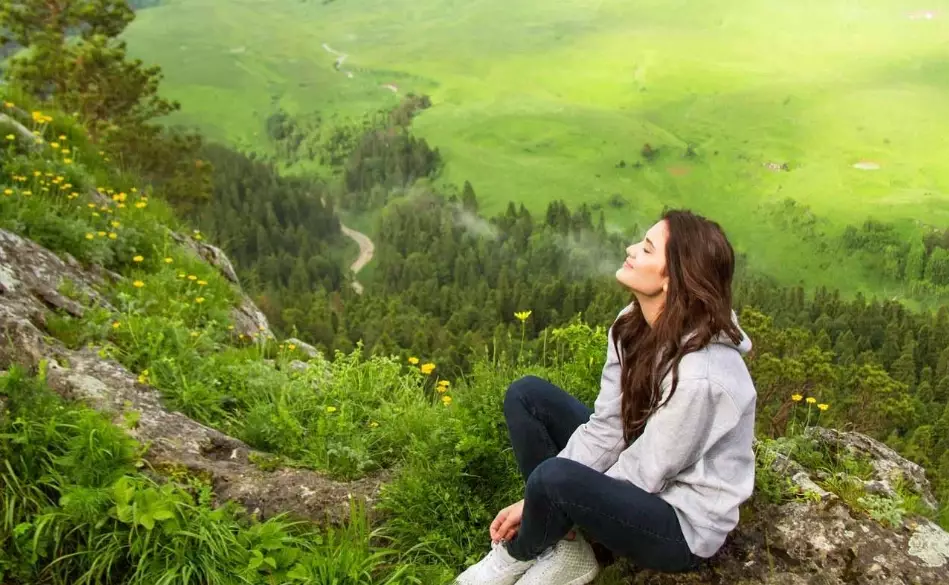
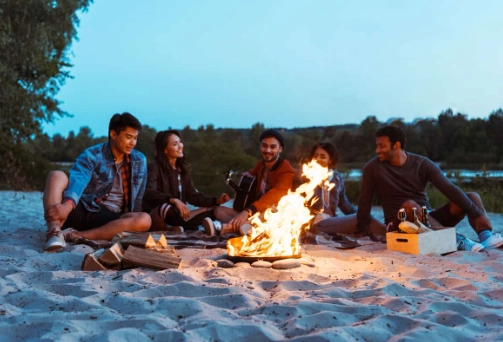
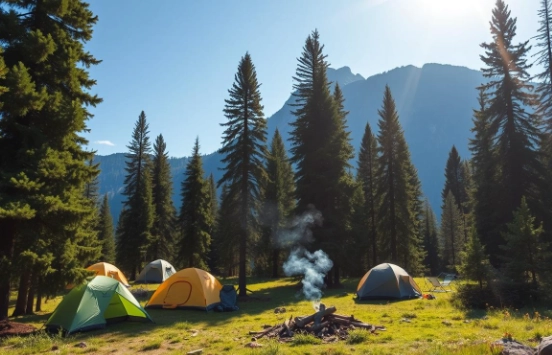
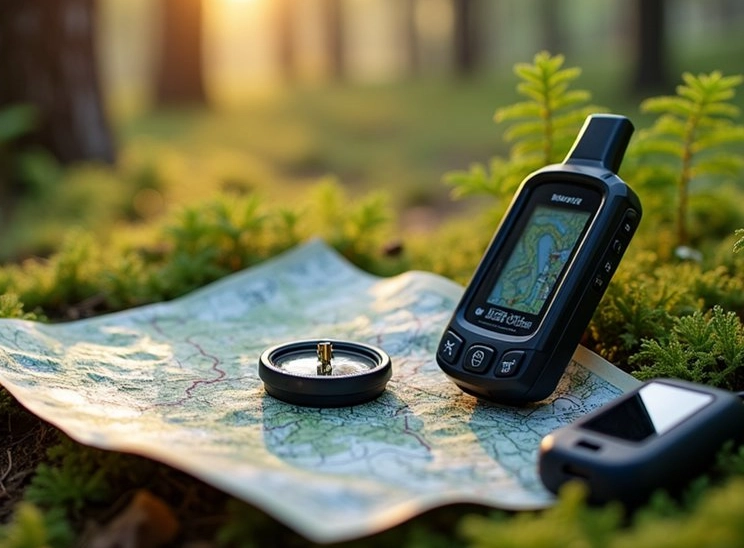
You know that feeling. The constant buzz of notifications, the endless to-do list scrolling behind your eyes, the low-grade anxiety that feels like background noise. Now imagine trading that for the sound of wind in pine trees, the smell of damp earth, and a sky so full of stars it makes you feel small in the best way possible. This isn't just a vacation. It's a neural reset. Camping, when done with intention, is one of the most powerful and accessible forms of mental health therapy available. Forget the Instagram-perfect shots of gear; this is about using time in nature to mend a frazzled mind.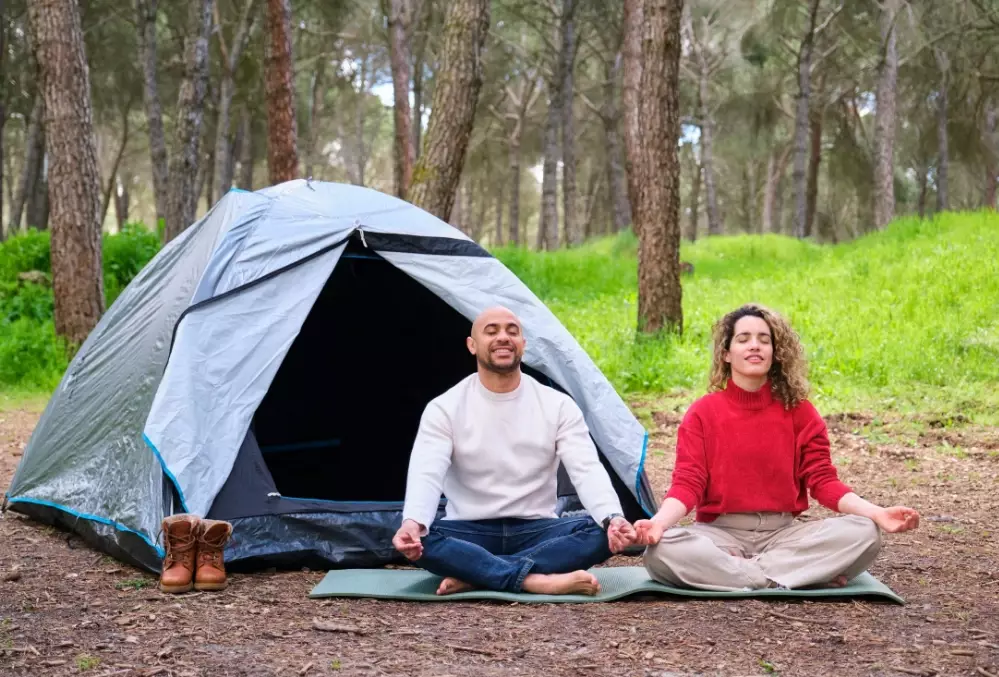
Your Quick Trail Map to a Calmer Mind
The Science Behind Camping and Mental Wellness
This isn't just poetic nonsense. Research from institutions like the American Psychological Association consistently shows that time in natural environments reduces stress hormones like cortisol, lowers blood pressure, and eases feelings of anxiety and depression. One theory, Stress Reduction Theory (SRT), suggests that nature effortlessly captures our attention in a gentle way (soft fascination), allowing our directed-attention muscles—the ones we burn out scrolling and multitasking—to finally rest and recover.
Then there's the concept of forest bathing or Shinrin-yoku, a Japanese practice with a growing body of science behind it. Studies have shown that phytoncides, airborne chemicals released by trees, can boost our immune system and lower stress. When you camp, you're not just near trees; you're immersed in them for 24 to 72 hours straight. The effect is cumulative and profound.
But here's the expert nuance most articles miss: the magic isn't just in being outside, it's in the removal of the modern stressors. Camping forces a digital detox. There's no Wi-Fi password to tempt you. The constant drip-feed of news and social comparison stops. Your brain, for the first time in maybe years, isn't being hijacked by algorithms designed to provoke a reaction. The silence that feels awkward at first is the sound of your own thoughts returning.
How to Plan Your First Mental Health Camping Trip
If you're new to camping or doing it for mental clarity, your goal isn't survivalism. It's creating a container for ease. Complexity is the enemy of relaxation.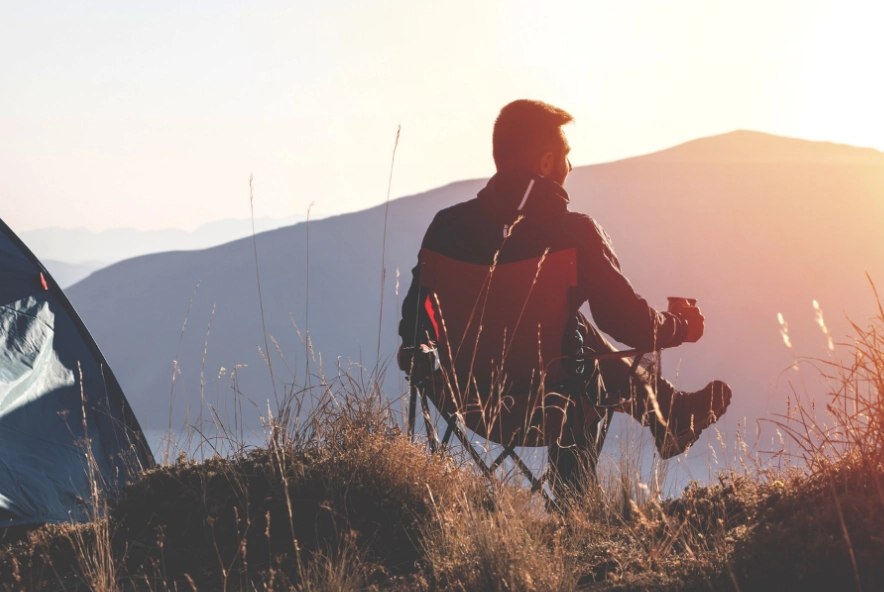
Step 1: Choose the Right Environment (This is Critical)
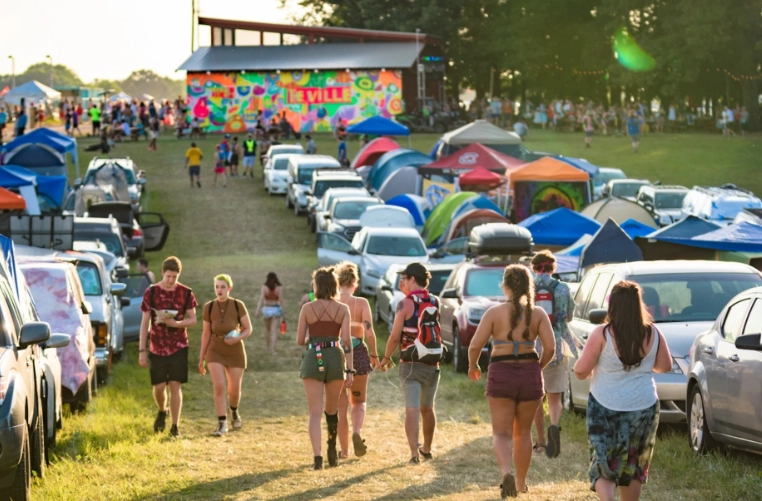
A noisy, party-filled campground next to a highway will counteract the benefits. Your priorities are peace, privacy, and natural beauty.
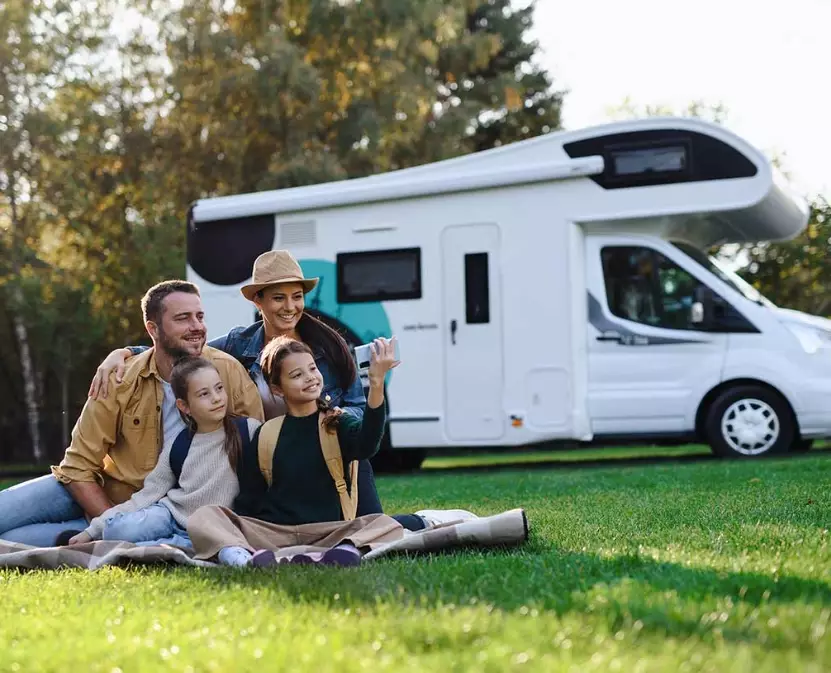
- Look for State or National Park campgrounds, not private RV parks. Parks are designed for nature immersion. Use recreation.gov or the park's own site.
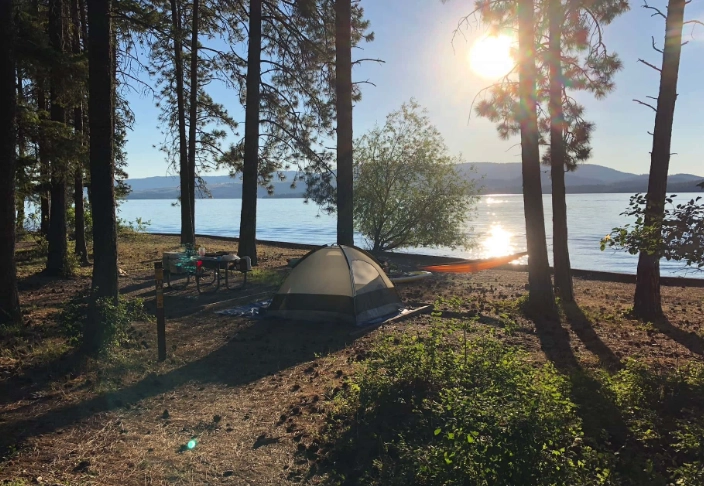
- Read the campsite descriptions. Look for words like "secluded," "wooded," "walk-in," or "next to river." Avoid "near playground" or "open field."
- Consider a walk-in site. Having a 50-yard walk between your car and your tent dramatically reduces road noise and creates a stronger sense of separation from your daily life.
Step 2: Pack for Comfort, Not Endurance
Your packing list is a mental health toolkit. Forget ultralight dogma for this trip.
| Category | Essential Items for Mental Ease | Why It Matters |
|---|---|---|
| Shelter & Sleep | A roomy tent, a sleeping pad with a high R-value (for warmth), your pillow from home, an extra blanket. | Poor sleep ruins everything. Prioritize coziness. Your own pillow is a scent-of-home anchor that reduces anxiety. |
| Sustenance | Easy, comforting food. Pre-made stews to heat up, good coffee, dark chocolate, marshmallows. | Don't make cooking a project. The goal is to eat without stress. Simple pleasures trigger dopamine. |
| Clothing | Merino wool base layers, waterproof layers, camp shoes (like Crocs or sandals). | Being cold or wet is miserable and spikes stress. Comfortable feet change your whole mood. |
| Mind Kit | A physical book, a journal and pen, a simple sketchpad, a bluetooth speaker for quiet music. | These replace your phone. Journaling by firelight is therapy. Music can set a calm evening mood. |
Step 3: Set an Intention, Not an Itinerary
Your only job is to rest and notice. Tell yourself: "I have nowhere to be and nothing to achieve." This is the hardest part for many. It helps to have a loose framework of gentle activities—a short hike, filtering water from a stream, identifying three different bird calls—but let the day unfold. The goal is to follow your curiosity, not a schedule.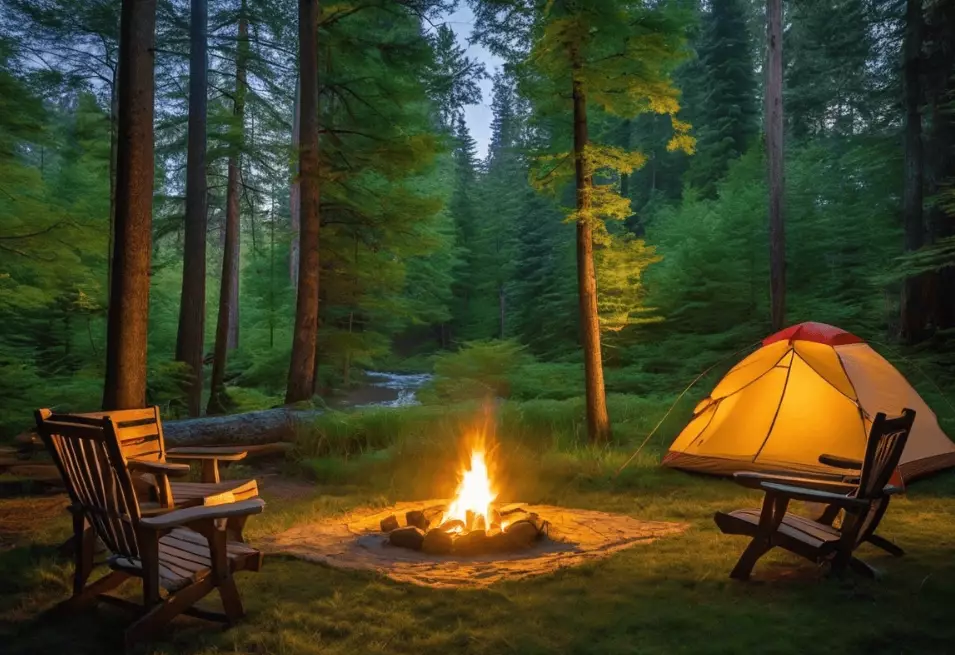
A Sample 3-Day Mental Reset Camping Itinerary
Here’s what a restorative trip might look like. This is a template, not a rulebook.
Day 1: The Unwind. Arrive in the afternoon. Set up camp slowly. Notice the feel of the tent poles, the sound of the rainfly snapping. Take a 20-minute "sensory walk" around the campground—no destination, just notice 5 things you see, 4 things you hear, 3 things you feel, 2 things you smell. Cook a simple dinner. As it gets dark, just sit. Don't light the lantern immediately. Let your eyes adjust to the dusk. Go to bed early.
Day 2: The Immersion. Wake naturally. Make coffee and sit with it. Maybe read a few pages. Later, take a proper hike, but with a twist: for 15 minutes of each hour, stop completely. Sit on a rock. Just be there. Afternoon is for hammock time, journaling, or napping. This is the day the mental chatter really starts to quiet down. You might feel boredom. That's the gateway.
Day 3: The Integration. A slow morning. Pack up leisurely. Before you leave, spend 10 minutes sitting at your campsite one last time. Jot down three physical sensations (e.g., sun on neck, pine scent) and one insight you're taking home. The drive back is part of the ritual—listen to calm music or silence, not news radio.
Navigating Challenges and Maximizing Benefits
It won't all be zen. The mind fights the quiet.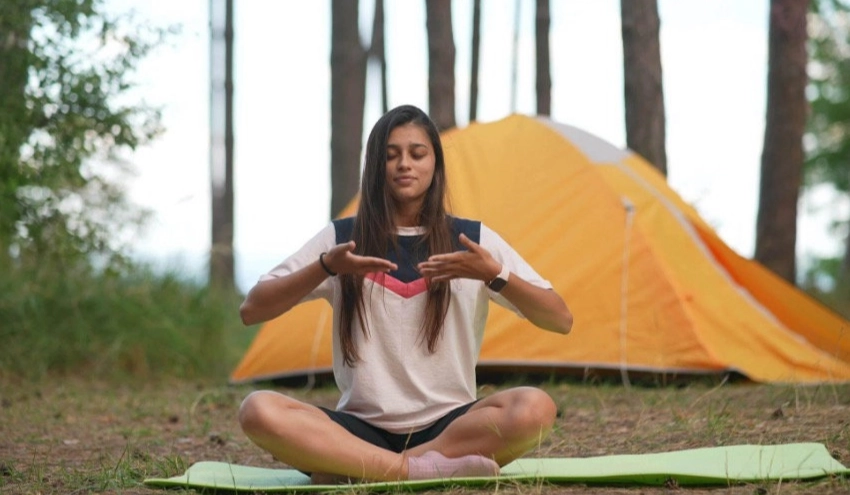
If anxiety spikes at night: This is common. Have a headlamp and your book handy. Do a simple breathing exercise: inhale for 4, hold for 7, exhale for 8. Remind yourself you are safe. The unfamiliar sounds are just the forest living its life. Often, the breakthrough happens on the other side of this initial anxiety.
The digital detox dilemma: Don't go cold turkey if it will cause more stress. Put your phone in airplane mode and use it only as a camera or for an offline podcast/music playlist you made beforehand. The key is removing the interactive elements—the feeds, the messages, the web browser.
Bringing the calm home: The trip is a catalyst, not a cure. To make it stick, build a "nature anchor" into your week. A 20-minute walk in a local park without headphones. Eating lunch outside. Even placing a potted plant by your workspace and tending to it. You're teaching your brain that peace is accessible, not locked away in a distant forest.