What You'll Find in This Guide
- What Primitive Camping Really Means (And Why It's Not for Everyone)
- How to Find Primitive Camping Sites: A Step-by-Step Method
- Top Primitive Camping Sites in the U.S. Worth the Effort
- Gear You Actually Need for Primitive Camping
- Safety and Common Mistakes Even Experienced Campers Make
- Answers to Real Questions About Primitive Camping
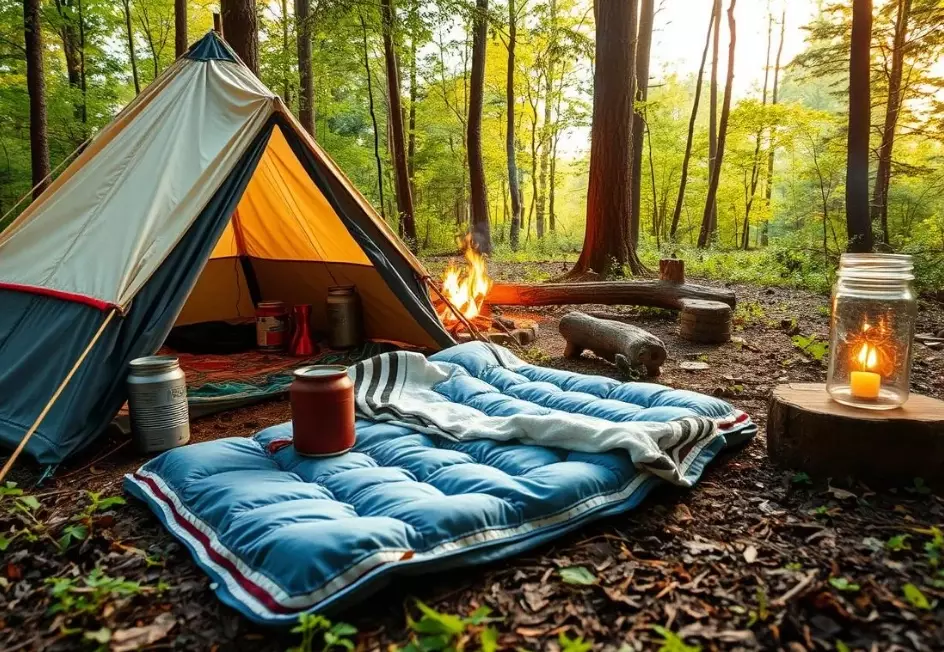
Let's cut to the chase. Primitive camping sites—also called dispersed camping or backcountry camping—are spots with no facilities. No toilets, no picnic tables, no trash cans. Just you, your gear, and the wilderness. I've been doing this for over a decade, and I still get a thrill from finding a new site. But here's the thing most guides don't tell you: if you're looking for a cozy campground with neighbors nearby, this isn't it. Primitive camping is about solitude and self-reliance.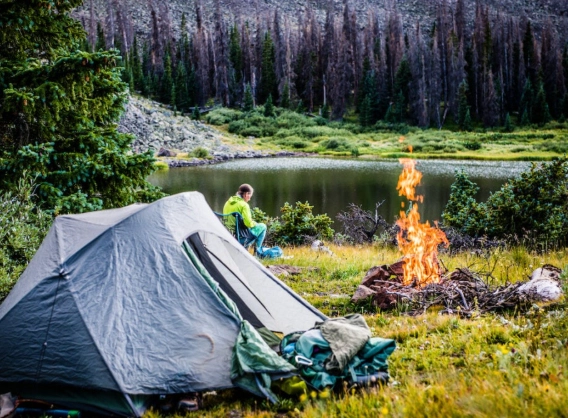
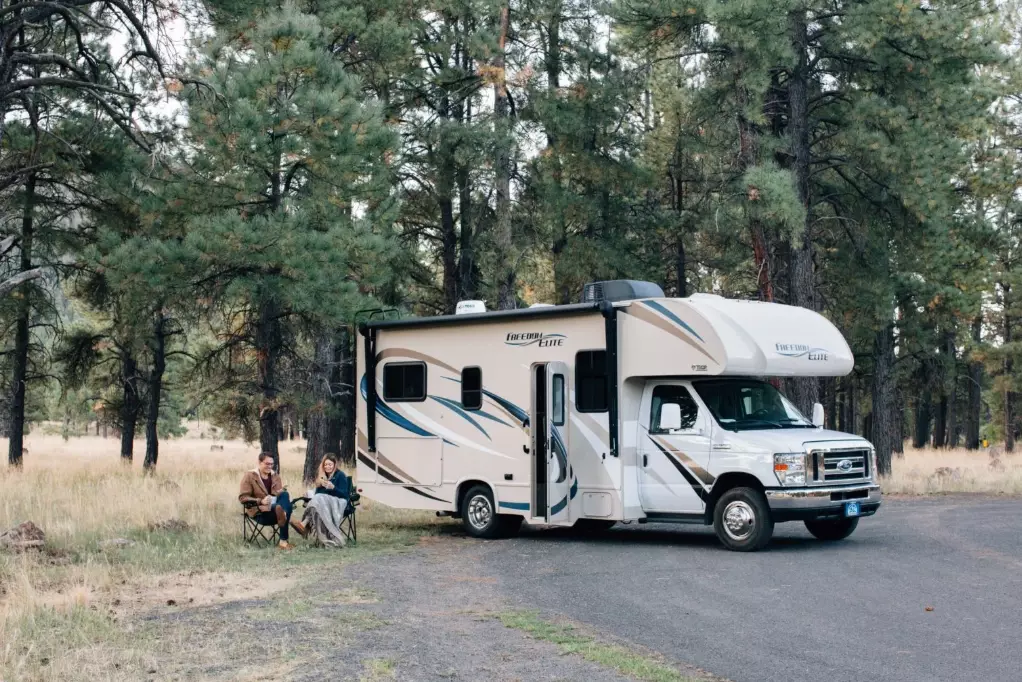
Why bother? It's free most of the time. You escape crowds. You connect with nature on a deeper level. But you need to know what you're doing. Last year, I saw a family show up at a remote site in Colorado with a giant RV, only to realize there was no turnaround space. They had to back out for miles. Don't be that person.
What Primitive Camping Really Means (And Why It's Not for Everyone)
Primitive camping isn't just "camping without a shower." It's camping on public lands where the land manager allows it, usually in national forests or Bureau of Land Management (BLM) areas. These sites are often unmarked—you won't see a sign saying "Camp Here." You have to find them yourself.
The biggest misconception? People think it's all about roughing it with minimal gear. Sure, but the real challenge is navigation and leave-no-trace ethics. I've met campers who leave food scraps, thinking animals will clean it up. That's how you attract bears and ruin the site for others.
If you're new to camping, start with a developed campground. Primitive sites require more planning. But if you're ready, the rewards are huge. Silent nights under starry skies, waking up to bird calls instead of generator noise.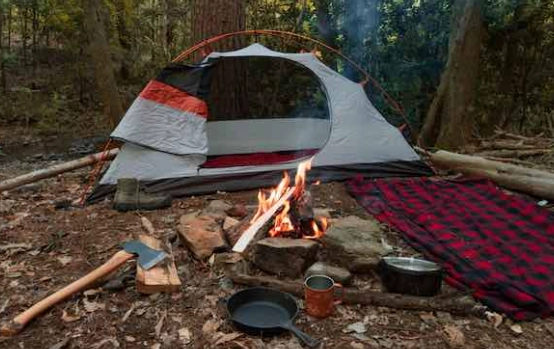
How to Find Primitive Camping Sites: A Step-by-Step Method
Finding these sites feels like a treasure hunt. Here's how I do it, based on years of trial and error.
First, identify public lands. In the U.S., focus on national forests and BLM land. Websites like the U.S. Forest Service and Recreation.gov are goldmines, but they're not always up-to-date. I once drove to a site listed on Recreation.gov only to find it closed for restoration. Always call the local ranger district. Seriously, pick up the phone. Rangers know current conditions, fire restrictions, and hidden gems.
Second, use maps. Digital maps like Gaia GPS or OnX Backcountry are great, but bring a paper map as backup. Cell service is nonexistent in most primitive areas. I rely on the Motor Vehicle Use Maps (MVUMs) from the Forest Service—they show exactly where dispersed camping is allowed along roads.
Third, scout in person. Arrive early, especially on weekends. Popular spots fill up. Look for existing fire rings or flat ground, but avoid camping right next to water sources to protect wildlife habitats. A pro tip: drive forest service roads slowly. The best sites are often a mile or two off the main road, just far enough to deter casual visitors.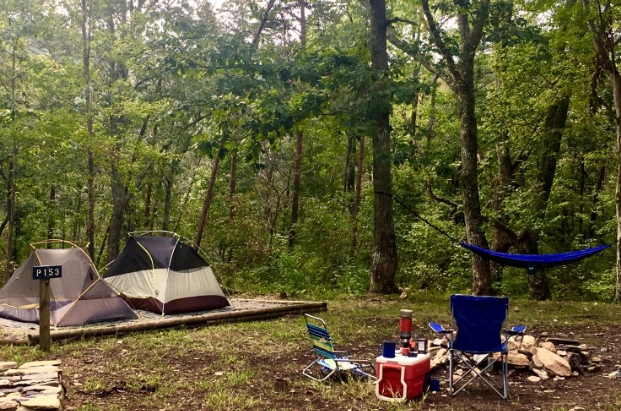
Top Primitive Camping Sites in the U.S. Worth the Effort
Here are three primitive camping sites I've personally visited. They're not secret, but they're reliable and stunning.
1. Uncompahgre National Forest, Colorado
Address: Near Lake City, CO. No specific address—use coordinates 38.0286° N, 107.3156° W as a starting point. Access via Forest Road 867. It's a dirt road, manageable with a high-clearance vehicle in dry weather. No fees, no reservations. Open year-round, but snow blocks access from November to May. The nearest gas is in Lake City, 20 miles away. Why go? Alpine meadows, wildflowers in July, and chances to see elk. I camped here last summer and had a whole valley to myself. Just watch for afternoon thunderstorms.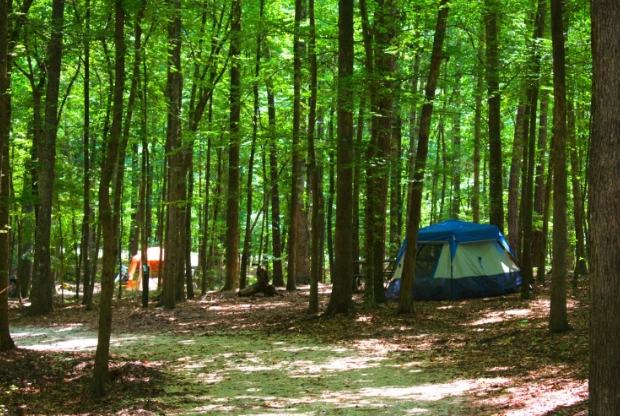
2. Mojave Desert, BLM Land, California
Address: Off Kelbaker Road, near Baker, CA. This is vast open desert. Coordinates 35.0125° N, 115.6500° W lead to a popular area. Dirt roads are flat but sandy—4WD recommended. No fees, no reservations. Best from October to April; summer temperatures exceed 100°F. Bring all your water—there's none available. The nearest supplies are in Baker, 30 miles north. I love the solitude here, but the wind can howl at night. Stake your tent securely.
3. Cherokee National Forest, Tennessee
Address: Along the Ocoee River, TN. Forest Road 77 offers multiple pull-offs. No address, but from Ducktown, TN, take Highway 64 and look for FR77 signs. No fees, but some areas have a 14-day stay limit. Open all year, but spring and fall are ideal. The river provides ambient noise, perfect for drowning out thoughts. I've camped here in October—colors were insane. Watch for black bears; use bear-proof containers.
These sites are just examples. Your best bet is to explore locally. Check the National Forest Service website for regional guides.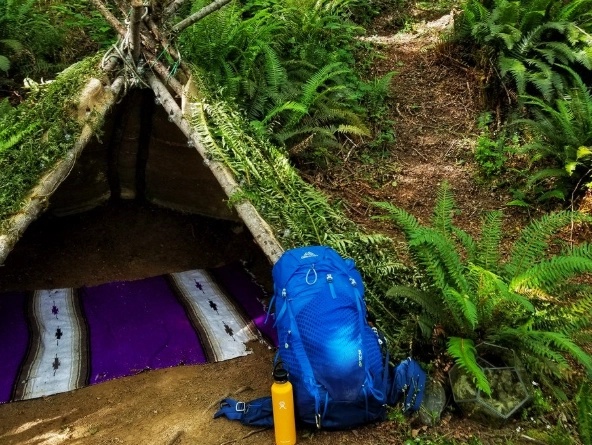
Gear You Actually Need for Primitive Camping
Forget those "ultimate camping checklists" with 50 items. For primitive sites, focus on essentials. I've seen people bring portable generators—please don't. Here's what matters.
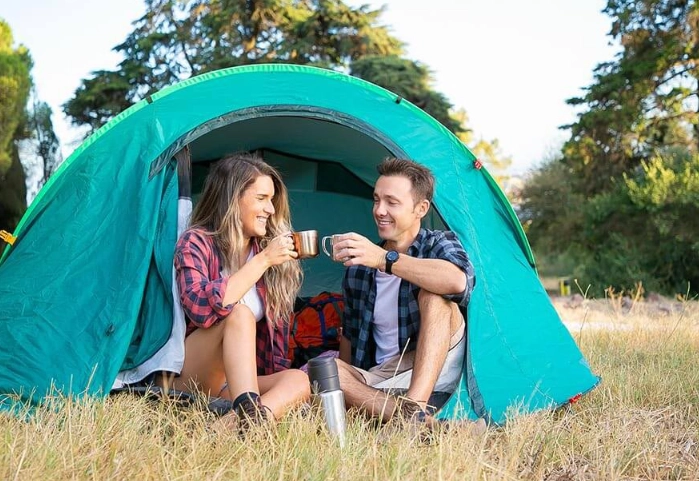
Shelter: A sturdy tent rated for wind and rain. I use a three-season tent with a full rainfly. In desert areas, a tent with good ventilation is key to avoid condensation.
Sleep system: A sleeping bag rated 10 degrees colder than expected lows. Pair it with a sleeping pad for insulation. I learned this the hard way—one chilly night in Utah, my cheap pad left me shivering.
Water: Plan for 2 gallons per person per day. I carry a portable water filter like a Sawyer Squeeze and extra containers. No running water means you're responsible for purification.
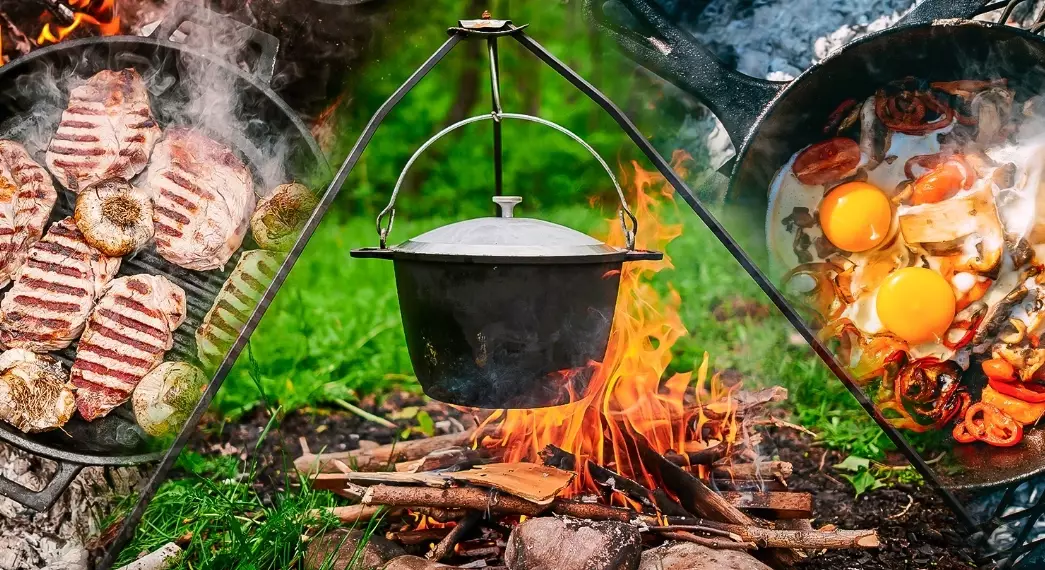
Food: Simple, non-perishable meals. A camp stove is safer than building a fire, especially during dry seasons. Store food in a bear canister or hang it properly.
Navigation: GPS device or phone with offline maps, plus a paper map and compass. I never rely solely on electronics.
First-aid kit: Include blister treatment and tweezers for ticks. Most injuries are minor, but remote locations mean help is far away.
Leave-no-trace supplies: Trash bags, a trowel for burying waste, and biodegradable soap. Pack out everything you bring in.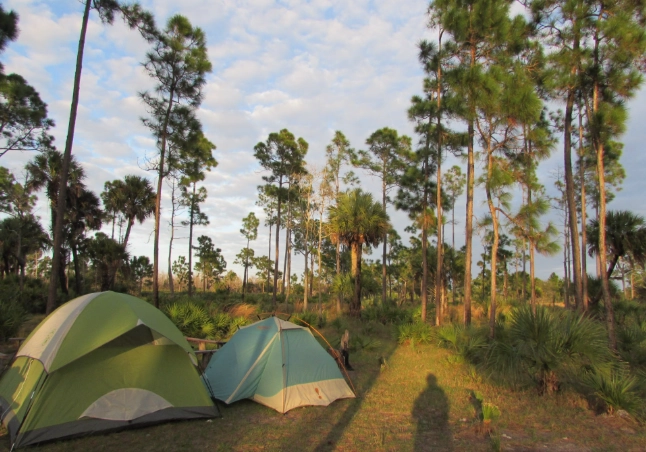
Safety and Common Mistakes Even Experienced Campers Make
Safety isn't just about bears. It's about preparation. The biggest mistake I see? Underestimating weather. Check forecasts, but assume they're wrong. Mountain weather changes fast. I got caught in a hailstorm in Wyoming because I ignored cloud buildup.
Wildlife: Store food properly. Black bears are curious, but mountain lions are rare. Make noise while hiking to avoid surprises. Surprisingly, mosquitoes can be worse than bears—bring repellent.
Fire safety: Many primitive areas ban fires during drought. Use a camp stove instead. If fires are allowed, keep them small and fully extinguish them. I pour water on ashes until they're cool to the touch.
Navigation errors: Mark your campsite on the map before wandering off. It's easy to get disoriented in dense forest. I once spent an hour circling back because I didn't note a landmark.
Tell someone your plans. Share your location and expected return. If something goes wrong, rescuers need a starting point.
Answers to Real Questions About Primitive Camping
Primitive camping isn't about suffering. It's about skill and respect. You'll mess up—I've forgotten matches, gotten lost, and dealt with leaky tents. But each trip teaches something new. Start small, maybe a one-nighter close to home. Build your confidence. The wilderness is waiting, and those quiet moments are worth every bit of effort.