I learned the hard way that not all firewood is created equal. It was my third camping trip ever, in a damp Oregon forest. We bought a bundle of wood from a roadside stand that looked fine. Three hours, half a box of matches, and countless lungfuls of eye-watering smoke later, we had a sad, sputtering pile of blackened logs and zero warmth. The fire refused to catch properly, and the wood hissed like it was angry at us. That miserable night taught me more about camping firewood than any guidebook could. It’s not just fuel; it’s the difference between a trip you remember fondly and one you just endure.
Getting your firewood right solves so many problems before they start. A good fire heats your food, dries your socks, becomes the social center of your camp, and keeps the bugs at bay. Bad firewood? It’s a source of frustration, pollution, and sometimes even danger.
What's in this guide?
Why Your Campfire Wood Choice Matters More Than You Think
Think of firewood as an ingredient. You wouldn't make a stew with rotten vegetables, so why build a fire with poor wood? The core concept here is moisture content. Freshly cut, or "green," wood can be over 50% water. Trying to burn it is like trying to light a soaked newspaper. All the heat energy goes into boiling off that water, resulting in weak flames, excessive smoke, and creosote buildup—a nasty, flammable tar that coats your chimney (or your lungs and the inside of your tent if you're careless).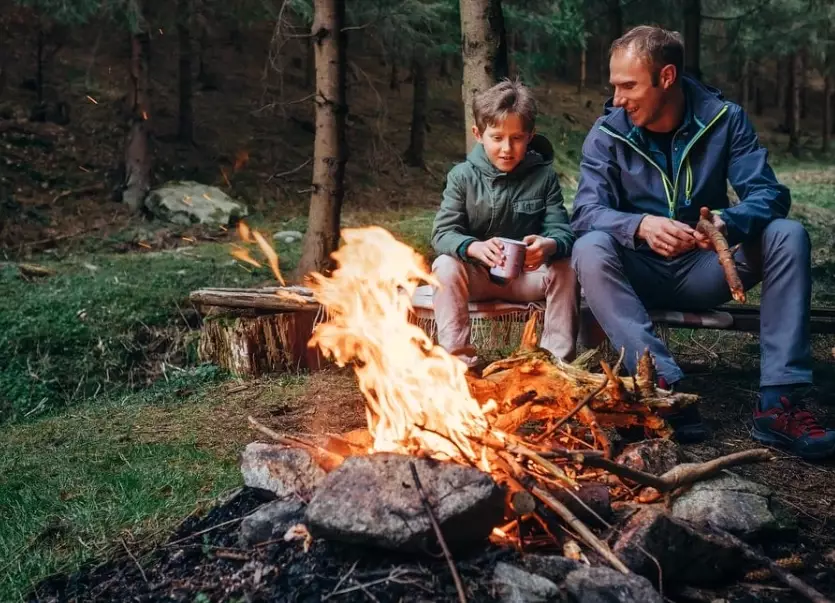
Properly seasoned wood, dried for at least 6-12 months, has a moisture content below 20%. This is your goal. It ignites easily, burns hot and cleanly, and provides consistent heat. The difference in experience is night and day.
There's an ecological angle, too. Transporting firewood long distances is a primary vector for invasive species like the emerald ash borer and Asian longhorned beetle. These pests have devastated millions of acres of North American forests. Regulations from agencies like the USDA Forest Service and many state departments of natural resources exist for a critical reason.
A common mistake I see: People think any dead, standing tree is fair game for firewood. Often, that wood is punky, rotten, and full of insects or fungus. It burns poorly and can collapse unexpectedly in your fire ring. Good seasoned wood usually comes from logs that have been cut, split, and stacked off the ground to dry.
How to Choose the Best Firewood for Camping: A Wood Type Breakdown
Hardwoods vs. softwoods—it's the classic debate. Hardwoods (from deciduous trees like oak, maple, hickory) are dense. They burn longer and hotter, making excellent coal beds for cooking. Softwoods (from conifers like pine, fir, cedar) are less dense, have more sap, and ignite faster. They're fantastic kindling but burn up quickly. For a balanced campfire, I use softwoods to get it going and hardwoods to keep it going.
Here’s a quick look at some common types and their best uses around camp:
| Wood Type | Category | Burn Qualities | Best For... | Note |
|---|---|---|---|---|
| Oak | Hardwood | Very hot, long-lasting, great coals | All-night warmth, slow cooking | Can be hard to find seasoned; takes 1-2 years to dry properly. |
| Maple | Hardwood | Hot, steady burn, pleasant aroma | General campfire, cooking | A reliable all-rounder if you can get it. |
| Hickory | Hardwood | Extremely hot, aromatic | Grilling, smoking food | The gold standard for flavor if you're cooking over the fire. |
| Birch | Hardwood | Hot, fast-burning for a hardwood | Quick heat, good kindling (thanks to its papery bark) | Bark ignites even when damp. A camping favorite. |
| Pine | Softwood | Ignites easily, burns fast & hot, pops a lot | Firestarter, kindling, quick heat | Can be smoky if not fully dry. Avoid for closed fireplaces; fine for open campfires. |
| Cedar | Softwood | Ignites very easily, fragrant, crackly | Supreme kindling, aromatic fire | Splits easily into small sticks. The scent is a natural insect repellent. |
My personal go-to combination? I pack a bag of cedar kindling and fatwood sticks I've collected, then aim to buy a mixed bundle of local hardwood (like maple or oak) at or near the campground. This gives me control over the start and the sustained burn.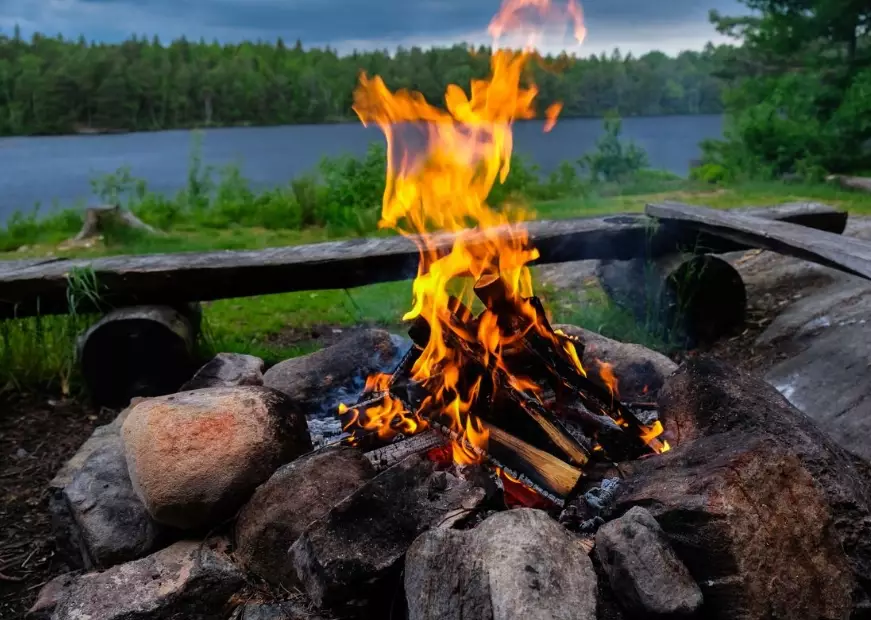
How to Identify Seasoned Firewood (The Practical Tests)
You're at a roadside stand or the camp store. The wood is stacked. How do you know it's good? Forget fancy tools at first—use your senses.
Look at It
Seasoned wood looks old. The ends have radial cracks (checks). The color is grayish or faded, not fresh yellow or white. The bark is often loose, peeling, or missing entirely. Green wood looks brighter and the bark is stuck on tight.
Feel the Weight
Pick up two similar-sized pieces. The drier one will feel significantly lighter. Water is heavy, and when it evaporates, the wood loses weight. This takes a bit of practice, but it's a great clue.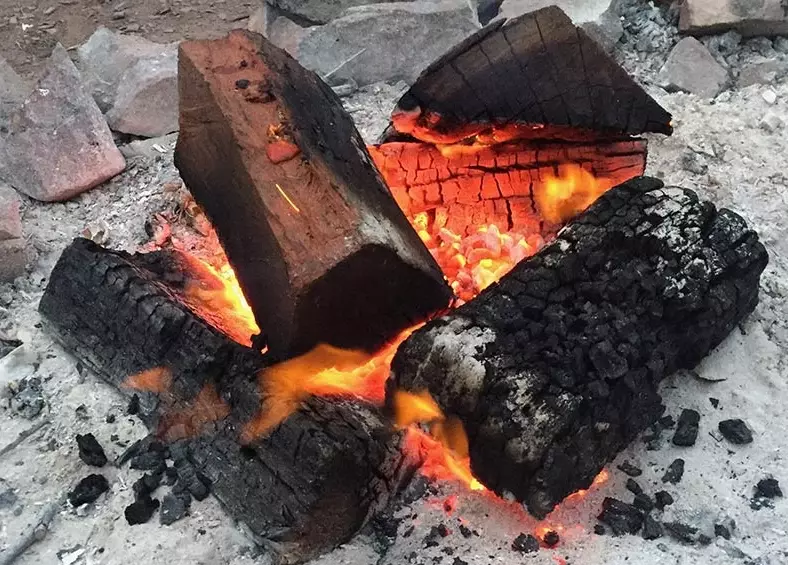
The Sound Test
This is the most telling field test. Take two pieces and bang them together firmly. Properly seasoned wood makes a hard, sharp, hollow *clack* or *crack* sound. Unseasoned wood makes a dull, solid *thud*. The difference is unmistakable once you've heard it.
The Ultimate Check: The Split and Scratch
If you can see a freshly split face, that's the truth teller. The inside should look dry, not shiny or damp. Here's my expert trick: use your thumbnail. Press it hard into the freshly exposed wood. If your nail sinks in easily and leaves a wet-looking dent, the wood is green. If the wood is hard and your nail barely makes a mark, it's seasoned. A US Forest Service publication on firewood notes that wood below 20% moisture is ideal for clean burning, and this simple test gets you close.
Pro Tip: Don't be shy. Ask the seller, "How long has this been seasoned?" A reputable seller will know. If they hesitate or say "I dunno, it's dry," be skeptical and run the tests yourself.
Sourcing and Using Firewood Safely and Legally
This is where many well-meaning campers trip up. The rule is simple: Buy It Where You Burn It. This means purchasing firewood as close to your final campsite as possible, ideally within 10-50 miles. Many state parks and all U.S. National Parks have strict regulations prohibiting imported firewood. You can often find approved vendors right outside the park gates.
Always, always check the specific rules for your campground before you go. A quick web search for "[Park Name] firewood rules" or a call to the ranger station will give you the definitive answer. It's not worth a fine, and it's certainly not worth accidentally spreading pests.
Once you have good wood, treat it with respect. Keep your fire manageable—no towering infernos. Never leave it unattended. And the most non-negotiable rule: drown it dead out when you're done. Pour water, stir the ashes, pour more water, and feel for heat with the back of your hand. If it's too hot to touch, it's too hot to leave.
Beyond the Log: Modern and Sustainable Alternatives
The traditional wood fire isn't always the best or only option. Sometimes, you need a different tool for the job.
During high fire danger or outright bans, a portable propane fire pit is a game-changer. They're legal in most restricted areas, produce zero sparks and almost no smoke, and turn on/off with a knob. The flame isn't quite the same, but the warmth and ambiance are there. I keep one in my car for summer trips out West.
For a super-efficient, minimal-impact option, consider a twig-burning rocket stove. These small, portable stoves let you cook a meal or boil water using just a handful of small, dead twigs you can gather from the ground. They concentrate heat incredibly well and leave almost no trace.
Pressed sawdust logs or bricks are another clean-burning alternative. They're dense, burn very hot and evenly, and are made from recycled wood waste. They're perfect for car camping where weight isn't an issue and you want a predictable, low-mess fire.
Choosing the right fuel is the first step to a perfect campfire. It’s a small detail that makes all the difference. It turns a chore into a joy, a smoky mess into a warm, clear flame. It’s what lets you relax, stare into the coals, and remember why you came out here in the first place.