You’ve spent months planning the perfect weekend in the backcountry. The scenery is breathtaking, the air is crisp. Then, a gust of wind snaps a tent pole. Or you discover a slow leak in your sleeping pad at dusk. That perfect trip grinds to a halt. I’ve been there, fumbling in the dark while my friends stayed warm. A comprehensive camping repair kit isn't just a "nice-to-have"; it's the difference between a minor hiccup and a trip-ending emergency. This guide isn't about buying a pre-packaged bag of dubious quality. It's about building a personalized kit that actually works, based on a decade of fixing things in the rain, wind, and mud.
What's Inside This Guide
Why a DIY Camping Repair Kit Beats a Store-Bought One Every Time
Most commercial repair kits are designed to look good on a shelf, not to solve real problems in the field. They often include flimsy gear patches that don’t adhere well to modern waterproof fabrics, or a single size of duct tape that's useless for a small puncture. The biggest mistake I see beginners make? Assuming a kit is "complete." Your gear is unique. A kit built for a canvas tent won't help much with a ultralight nylon one.
Building your own ensures you have the right adhesives, the correct repair materials for your specific shelter and sleep system, and tools you actually know how to use. It also forces you to think through failure points before they happen. That mental rehearsal is as valuable as the physical items.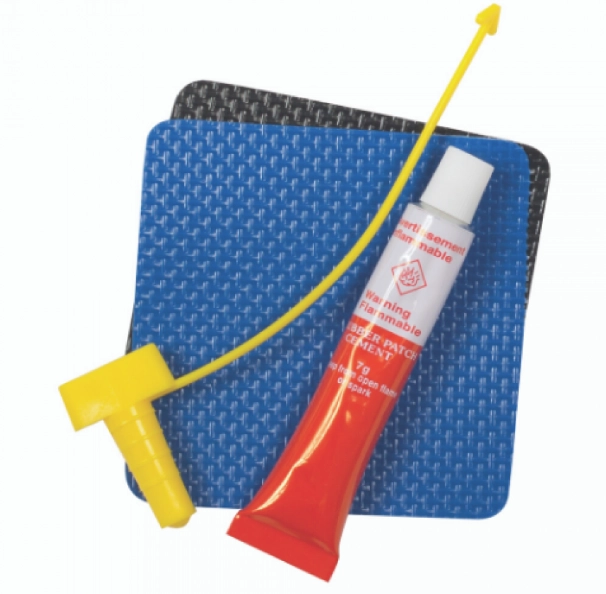
A quick story: Years ago, I relied on a cheap pre-made kit. My tent fly developed a 3-inch tear in a storm. The included "universal" patch peeled off in minutes. I spent a miserable night getting damp. The next day, I used a piece of my backpack's nylon and a proper seam sealant from a friend's kit for a permanent fix. I learned my lesson.
How to Build Your Custom Repair Kit: A Systematic Approach
Don't just throw things into a bag. Think in systems: Adhesives & Bonding, Structural Support, and Tools. Your kit's size depends on your camping style. A car camper can afford a more robust kit, while a backpacker needs minimalist, multi-use items.
Start by laying out all your critical gear: tent (body, fly, poles, stakes), sleeping pad, backpack, stove, water filter. Touch each one. Where is it thin? Where does it get the most stress? The pole joints? The sleeping pad valve? The backpack's shoulder strap seams? Those are your targets.
Your Container Matters More Than You Think
A ziplock bag will eventually fail. Use a durable, waterproof stuff sack or a small hard-sided case. I prefer a transparent pouch so I can see contents at a glance. Organize with smaller bags inside: one for adhesives, one for tapes and fabrics, one for tools. This prevents a glue tube from erupting over everything.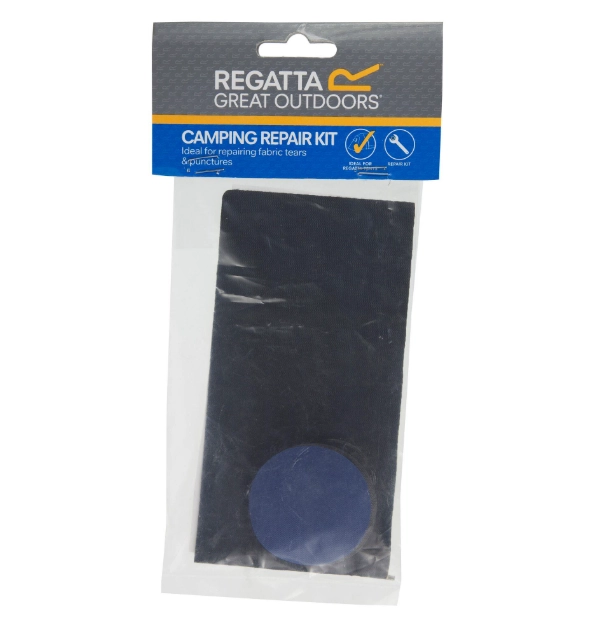
The Non-Negotiable Core Items: Your Repair Kit Inventory
This table breaks down the essentials. Don't just copy it—use it as a checklist and tailor the "Pro-Tip/Alternative" column to your gear.
>A curved upholstery needle is easier to use on thick fabric. Dental floss is incredibly strong and waxed.>Pack a dedicated pair or ensure your multi-tool's scissors are decent.>You have one for your stove anyway. Use it to seal rope ends.| Category | Item | Primary Use | Pro-Tip / Alternative |
|---|---|---|---|
| Adhesives & Sealants | Seam Grip (or similar polyurethane sealant) | Waterproof seams, patch tents/rainflies, fix peeling laminates. | Get the clear kind. It's less visible. A small, half-used tube is fine. |
| Adhesives & Sealants | Cyanoacrylate (Super Glue) Gel | Bonding hard plastics, metal, fixing small cracks in plastic parts (e.g., stove knob). | Gel is crucial—it doesn't run. Pack a single-use tube or a small bottle. |
| Adhesives & Sealants | Tenacious Tape or Repair Patches | Instant repair of tears/punctures in tents, sleeping bags, inflatable pads. | Pre-cut various sizes. Round patches work better than square for punctures. |
| Tapes & Wraps | Duct Tape (Gorilla Tape preferred) | MacGyver-level fixes: splinting poles, temporary gear patches, securing bandages. | Wrap several feet around a water bottle or trekking pole to save space. |
| Tapes & Wraps | Electrical Tape | Insulating wire repairs (headlamps), bundling items, securing loose fabric ends. | More flexible and less gooey than duct tape for certain wraps. |
| Structural & Hardware | Tent Pole Repair Sleeve | Splinting a broken tent pole section. This is a trip-saver. | Ensure the diameter fits your poles. Practice using it at home once. |
| Structural & Hardware | Spare Tent Guyline (10-15 ft) | Replacing snapped lines, improvising a ridgeline, or even as a shoelace. | Use reflective cord. It's a safety feature at night. |
| Structural & Hardware | Assorted Cordage (Paracard, Zing-It) | General lashing, repairing backpack straps, creating gear hangers. | 20 feet of 2mm cord weighs nothing and is incredibly versatile. |
| Structural & Hardware | Safety Pins & Paper Clips | Temporary zipper pull, pinning a torn mesh, unclogging a stove jet. | A few large safety pins are gold. They can even act as a fishhook in dire need. |
| Tools | Multi-tool or Pocket Knife | Cutting tape/cord, trimming frayed material, screwdriver functions. | Must include scissors and pliers. The pliers can help bend a tent stake back. |
| Tools | Needle & Strong Thread (or Dental Floss) | Sewing torn straps, repairing large fabric tears before taping. | |
| Tools | Small Scissors | Precision cutting of tape and fabric. Don't rely solely on a knife. | |
| Tools | Lighter or Matches | Melting ends of cut synthetic cord to prevent fraying. |
Step-by-Step: Fixing Common Gear Failures in the Field
Let's walk through real scenarios. Knowing what to do is 90% of the battle.
Scenario 1: A 4-Inch Tear in Your Tent Rainfly
Immediate Action: Get the area as dry as possible. From inside the tent, push the torn fabric outward to create a flat surface.
The Repair: Clean the area around the tear with a bandana or spare cloth. Cut a piece of Tenacious Tape at least 1 inch larger than the tear on all sides. Round the corners of the tape patch—square corners peel first. Apply firmly, smoothing from the center out to eliminate air bubbles. For a more durable fix, once you're home, you can add a layer of Seam Grip around the tape's edges on the outside.
Most people try to patch from the inside where it's wet. Always patch the outside if you can. The pressure from wind will help seal it.
Scenario 2: A Broken Tent Pole Section
You hear that awful *snap* in the wind. Don't panic.
Immediate Action: Carefully disassemble the pole to remove the broken section. Find the repair sleeve from your kit.
The Repair: Slide the repair sleeve over the break. It should span well past the fractured area on both sides. If the break is sharp, you might need to use a bit of duct tape on the pole ends to create a smoother surface for the sleeve to slide over. Once the sleeve is centered, reassemble the pole. The sleeve acts as an external splint, restoring most of the pole's strength. It's a temporary field fix, but it will absolutely get you through the night. I've used sleeves that lasted for years afterward.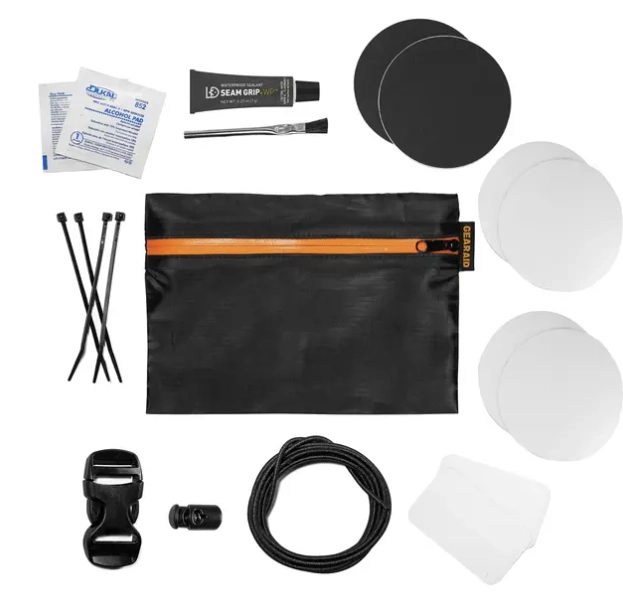
Scenario 3: A Leaking Air Sleeping Pad
This one tries your patience. Find the leak first. Inflate the pad, listen closely, or submerge sections in a shallow stream or lake (carefully!). Mark the hole.
The Repair: Dry the area completely. This is the most critical step. Adhesives fail on damp surfaces. Cut a round patch from your repair tape or the included patch kit. Apply, press firmly for two full minutes. Let it cure for as long as possible before reinflating. A common mistake is using a patch that's too small. Go big. A quarter-sized patch for a pinhole is not overkill.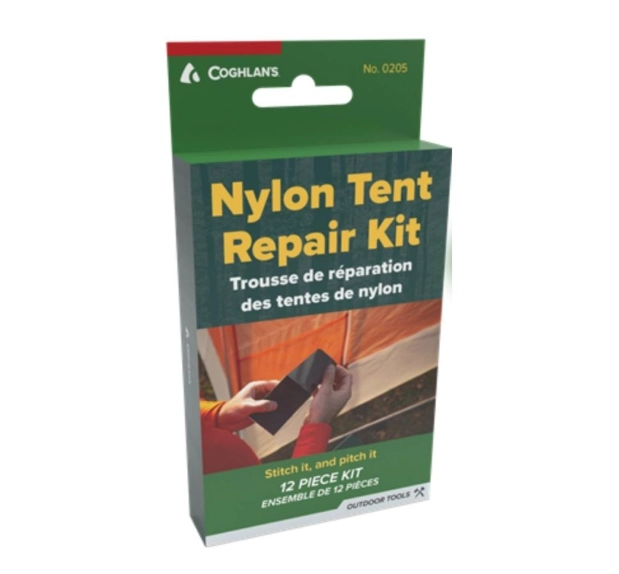
Keeping Your Kit Ready for Action: Maintenance is Key
Check your kit at the start and end of each season. Tubes of glue can dry out or crack. Tape can lose its stick. Did you use all your Tenacious Tape on last trip's jacket tear? Replace it. I keep a "home resupply" box with backup items so I can quickly restock my field kit.
Every few trips, take 10 minutes to handle each item. Does the multi-tool open smoothly? Is the thread tangled? This familiarization means you won't be fumbling with unfamiliar tools in an emergency.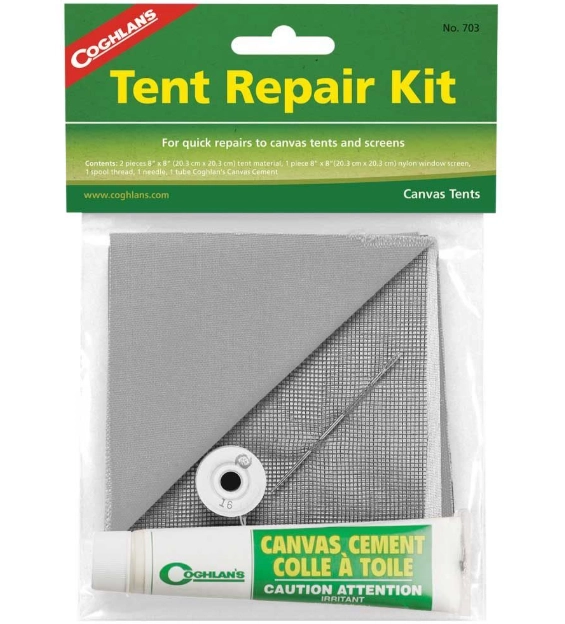
Expert Answers to Your Camping Repair Questions
Can I just use duct tape for everything?
Duct tape is a fantastic temporary fix, but it's a terrible permanent one. The adhesive degrades with UV exposure and temperature changes, leaving a horrible residue. It should be your first responder, not your only solution. Always follow up a duct tape field repair with a proper patch and adhesive (like Seam Grip) once you're home.
My store-bought repair patches won't stick to my waterproof tent fabric. What's wrong?
The fabric likely has a Durable Water Repellent (DWR) coating or a silicone treatment. These coatings prevent adhesives from bonding. You need to gently abrade the area with fine-grit sandpaper (pack a small square) or the rough side of a sponge to create a "tooth" for the adhesive. Wipe away the dust with an alcohol wipe (also great for your kit). Now the patch will stick.
What's the one item most people forget that's actually vital?
A small permanent marker. You need to mark leak locations on sleeping pads, write notes on tape patches ("fixed 9/15"), or label gear. It's tiny, weightless, and endlessly useful for diagnostics you'll forget by morning.
How do I repair a torn mesh door on my tent?
Tape is too heavy and clumsy for fine mesh. This is where your needle and thread shine. Use a simple running stitch to pull the tear together. Then, apply a very small drop of super glue gel to the knot and the end of the thread to lock it. For larger holes, you can sew in a patch of spare mosquito netting.
Is it worth carrying a spare tent pole section?
For car camping, yes, absolutely. Toss the spare pole bag in your bin. For backpacking, no—the weight and bulk aren't justified for most. A repair sleeve is the backpacker's solution. Know which section is most likely to break (often the one near the door where stress is highest) and ensure your sleeve fits it.
My backpack's hip belt strap is fraying and coming loose. Can I fix it?
Yes, and you should before it fails completely. Use your needle and strong thread (dental floss is perfect) to re-sew the bar-tacking—those dense clusters of stitches at the end of the strap. Sew back and forth through the original holes if possible. Finish with a drop of super glue on the thread ends. For a quick field reinforcement, a tight wrap of electrical or duct tape can slow the fraying until you can sew it.