I learned the hard way. My first multi-day backpacking trip, I wore a pair of decent-looking, "all-terrain" sneakers. They were fine for the first five miles. By mile ten, every pebble felt like a knife. By the time we made camp, I had two blossoming blisters on my heels and a deep regret that overshadowed the beautiful alpine views. The right camping footwear isn't about looking the part in a catalog. It's the foundation of your entire experience. Get it wrong, and pain becomes your primary focus. Get it right, and the world opens up.
This guide cuts through the marketing. We're not just listing shoes. We're talking about system—how your shoes, socks, and foot care work together across different terrains, from a car campground to a week in the backcountry.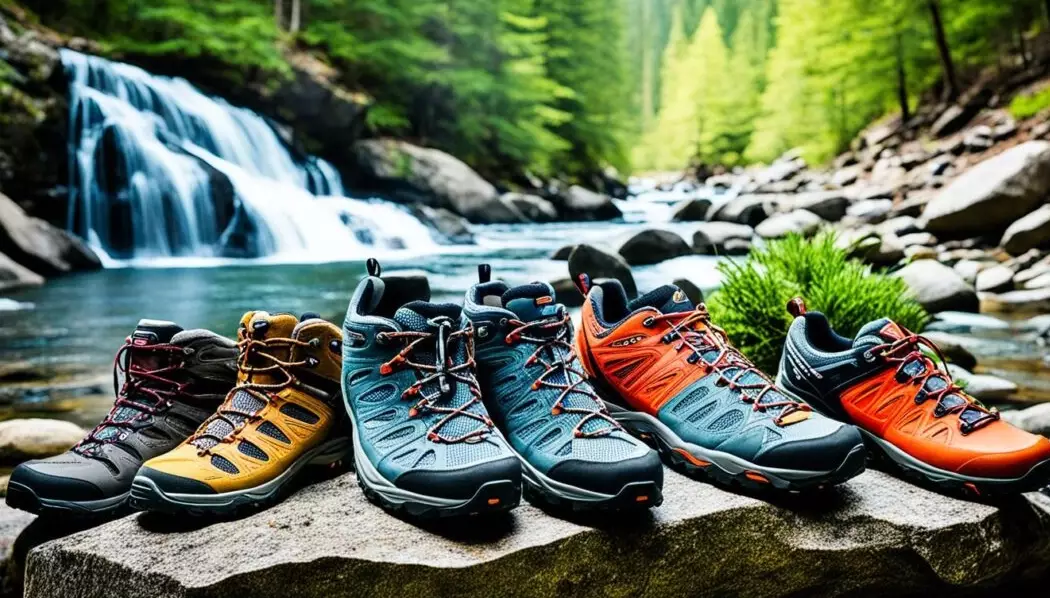
Quick Navigation: What You'll Find Here
The Camping Footwear Universe: From Ankle-Biters to Camp Slippers
Think of your camping footwear as a toolkit. You might need different tools for different jobs. Let's break down the categories based on function, not just brand names.
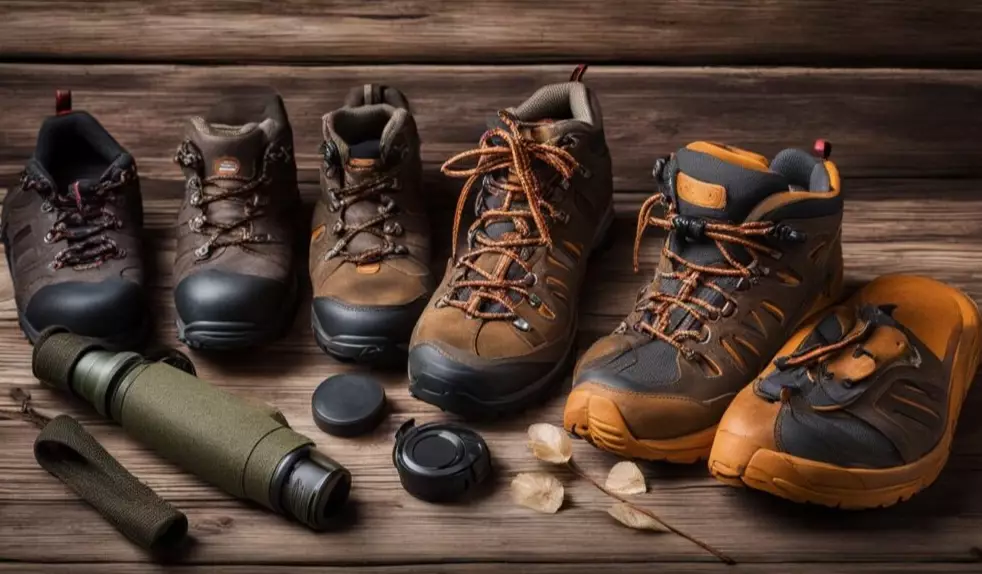
The Workhorses: Hiking Boots & Trail Shoes
These are for the miles between points A and B.
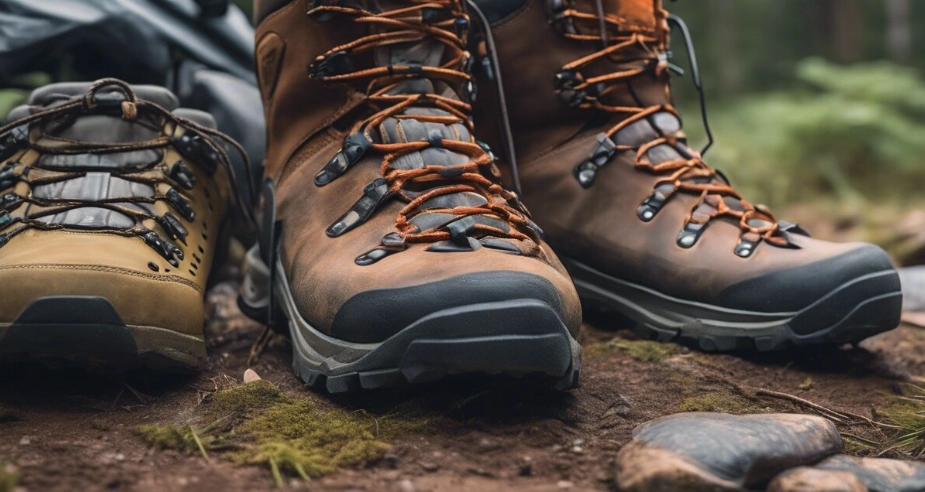
Backpacking Boots (Mid to High Cut): The classic. Stiff soles, aggressive tread, ankle support. Ideal for off-trail travel, heavy loads (over 30 lbs), and unstable terrain like scree or roots. The trade-off? Weight and break-in time. A stiff boot protects your foot from fatigue on long descents—your toes won't jam forward on every step. Brands like Scarpa and Lowa are benchmarks here. But that stiffness can feel like overkill on a smooth trail.
Lightweight Hiking Shoes (Low Cut): More flexible, lighter, and often more breathable. Perfect for well-maintained trails and moderate loads. They dry faster than boots. The lack of ankle support means you rely more on the strength of your ankles and lower legs—which isn't inherently bad, it's just different. Many long-distance thru-hikers have switched to these for the efficiency gain.
Trail Runners: Don't let the name fool you. These are legitimate camping footwear for the fast and light crowd. Incredibly breathable, supremely comfortable from day one, and they dry in a heartbeat. The downside is minimal protection from rocks and less durability under heavy pack weight. If your style is covering distance on established trails with a sub-25-pound pack, these could be your best friend.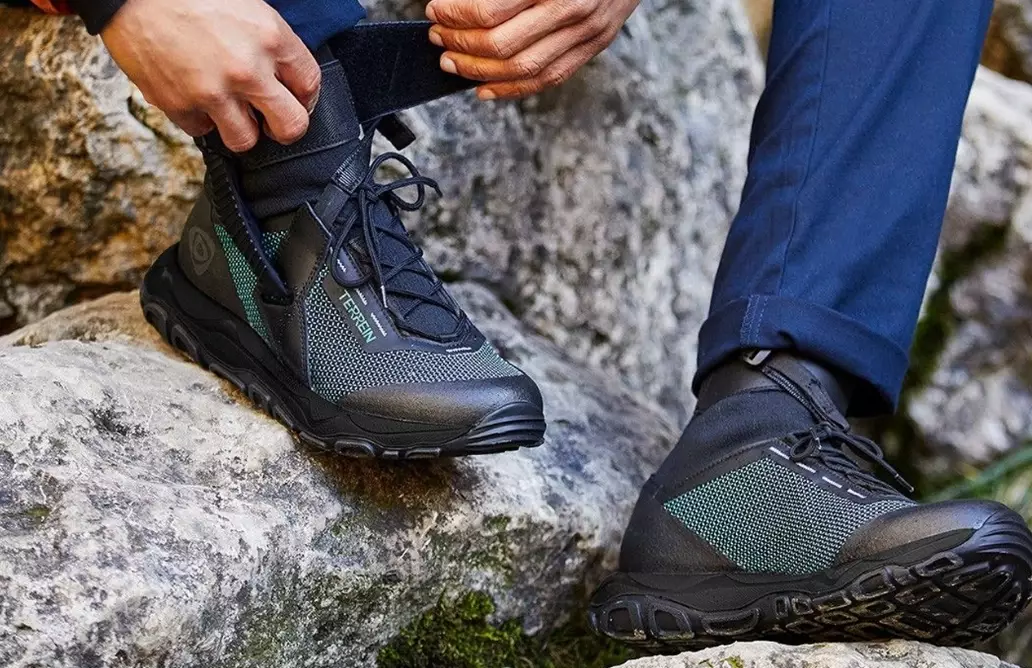
The Camp Comfort Specialists
You've arrived. The pack is off. This is where a separate pair of shoes changes everything.
Camp Shoes / Camp Slippers: Non-negotiable for multi-day trips. Their job is to let your feet recover. They should be lightweight, packable, and completely different from your hiking shoes. Options include:
- Sandals (like Bedrocks or Chacos): Great for airing out feet, crossing streams, and showering at developed campgrounds.
- Down Booties: The ultimate in cozy warmth for cold nights. They pack down tiny.
- Ultralight Sneakers or Water Shoes: A versatile option for camp chores and light exploration.
I pack a pair of foam sandals that weigh almost nothing. Putting them on at camp feels like a psychological reset. My feet expand, air out, and prepare for the next day.
How to Match Your Shoe to Your Actual Trip (Scenarios)
Forget generic advice. Let's get specific. What are you actually doing?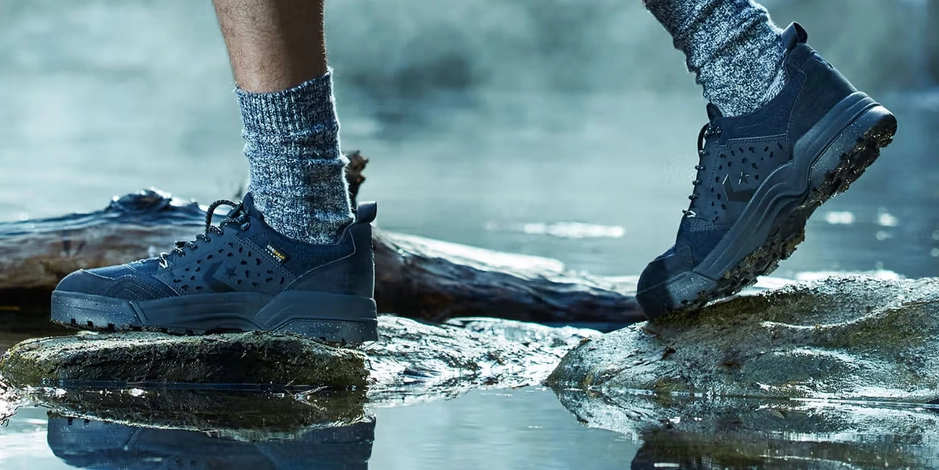
Scenario 1: The Weekend Car Camper with Day Hikes.
You're based at a site, maybe doing a 3-5 mile hike to a lake. Focus on comfort and versatility. A pair of sturdy low-cut hiking shoes is perfect. You can hike in them, wear them around camp, and they're fine for driving. Bring a pair of simple sneakers or sandals as a backup for absolute comfort. Waterproofing is a nice bonus for morning dew or unexpected puddles.
Scenario 2: The 3-Day Backpacking Loop in the Mountains.
Weight and support matter. Your pack is heavy. Terrain is variable. This is the core domain of the mid-cut hiking boot. The ankle support helps with stability when you're tired on day three with a pack. Prioritize fit and break-in over any specific technology. A waterproof membrane is a good investment here for stream crossings and unpredictable mountain weather.
Scenario 3: The Desert Canyon Trek.
Heat, sand, and dry river beds. Breathability is king. Non-waterproof trail runners or hiking shoes are ideal. They'll let your feet breathe, and sand will easily shake out. A gaiter (a fabric sleeve that goes over your shoe and calf) is a game-changer here to keep debris out. Camp shoes? Sandals, 100%.
The Sock Secret: Your Footwear's Best Friend (or Worst Enemy)
You can buy the perfect boot and ruin it with the wrong sock. This is the most overlooked part of the system.
Material is Everything: Cotton is the enemy. It absorbs moisture, holds it against your skin, and leads to maceration and blisters. Just don't.
Merino Wool: The gold standard. It wicks moisture, regulates temperature, and retains warmth even when damp. It's naturally odor-resistant. Yes, it costs more. It's worth every penny. Look for a blend (like 70% merino, 30% nylon) for durability. Brands like Darn Tough and Smartwool are popular for good reason.
Synthetic (Polyester/Nylon): Excellent at wicking, dries fast, and is often more affordable. Can hold odors more than merino.
Fit is Critical: Socks should fit snugly without wrinkles. Wrinkles create friction points. They shouldn't be so tight they restrict circulation. Consider a liner sock system for demanding trips: a thin silk or synthetic liner under a medium-weight hiking sock. The layers move against each other, transferring friction away from your skin.
I bring at least one pair of clean socks for every day on the trail, plus the pair I sleep in. Dry socks are a morale miracle.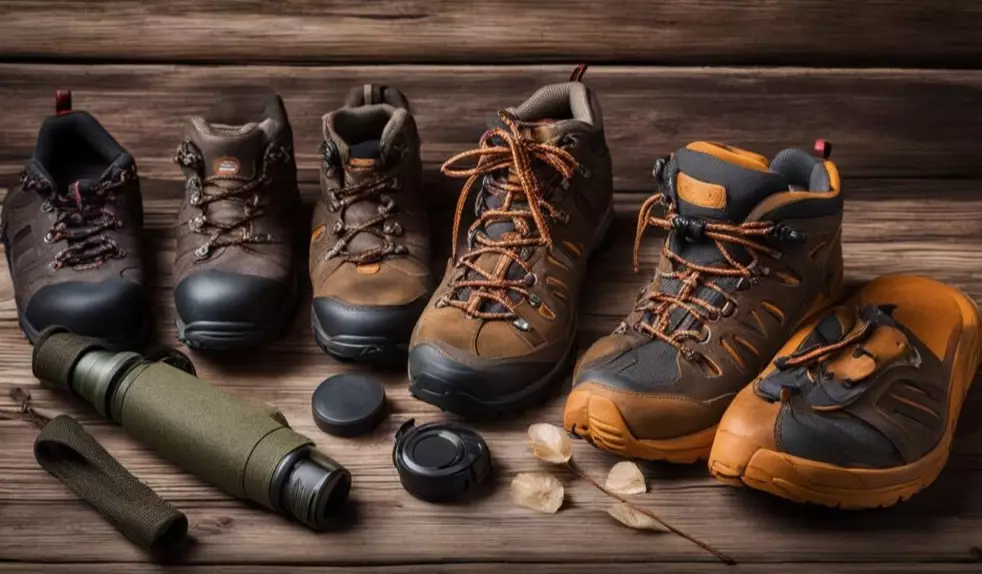
Breaking In and Basic Care: The Unskippable Rituals
New boots are not for new trails. Break them in slowly over 3-4 weeks. Wear them around the house, then on errands, then on short walks. Finally, take them on a modest day hike with your loaded pack. Listen for "hot spots"—areas that get warm. Address them immediately with moleskin or leukotape.
After the trip, care is simple but vital. Remove the insoles. Stuff the shoes with newspaper to absorb moisture and help them keep their shape. Let them air dry naturally, away from direct heat (a heater will crack the leather and glue). Once dry, brush off dirt and mud. For leather boots, a periodic application of a conditioner (like Nikwax) will keep the leather supple and water-resistant.
It's boring maintenance. Do it anyway. Your gear lasts longer.
Your Camping Shoe Questions, Answered (No Fluff)
 How do I break in new hiking boots before a camping trip?
 The right camping footwear isn't a purchase. It's a decision that supports every step of your adventure. It's about understanding the conversation between your feet, the terrain, and your goals. Skip the hype, focus on fit and function, and don't forget the socks. Your future self, relaxing by the campfire with happy, healthy feet, will be glad you did.