Explore the 5 C's
- The First C: Cutting (Your Primary Tool)
- The Second C: Combustion (Mastering Fire)
- The Third C: Cover (Staying Dry and Regulating Temperature)
- The Fourth C: Container (The Key to Hydration)
- The Fifth C: Cordage (The Wilderness Multi-Tool)
- How the 5 C's Work Together: A Real-World Scenario
- Common Questions About the 5 C's of Bushcraft
Let's be honest, when you first hear the question "what are the 5 C's of bushcraft?", it sounds like some secret club password or a overly simplistic survival meme. I thought the same thing years ago. I figured it was just another internet list for beginners. But then I actually spent a long, damp night in the woods with a cheap, failing knife and a tarp that was more of a suggestion than a shelter. That's when the penny dropped.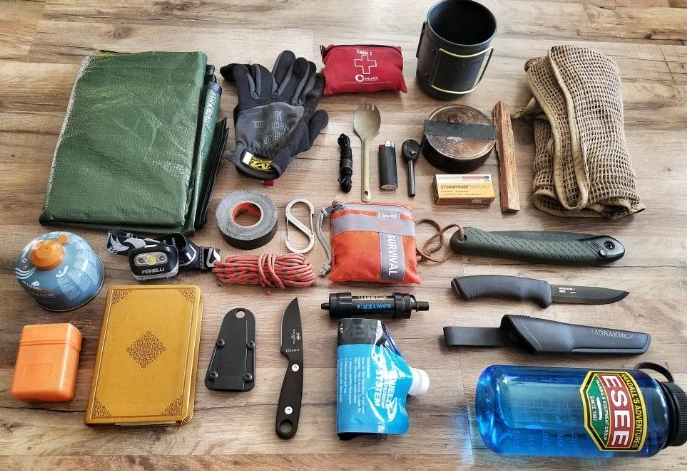
The 5 C's aren't just a list. They're a system. A mental model for prioritizing what you absolutely need to manipulate your environment and stay safe, warm, and hydrated. Forget packing your fears with a 50-pound backpack. Understanding what are the 5 C's of bushcraft forces you to think about function, not just stuff. It's about the minimum effective toolkit for wilderness problem-solving.
The concept is widely credited to Dave Canterbury, a well-known wilderness skills instructor, who codified it as a modern framework for survival priorities. It cuts through the noise and gives you a solid starting point, whether you're planning a weekend camping trip or thinking about what you'd actually need in a pinch.
I want to walk you through each one, not just by giving you a textbook definition, but by sharing why they matter, the common pitfalls (I've hit most of them), and how they work together. This isn't about selling you gear; it's about giving you a lens to look at your own kit and your own skills.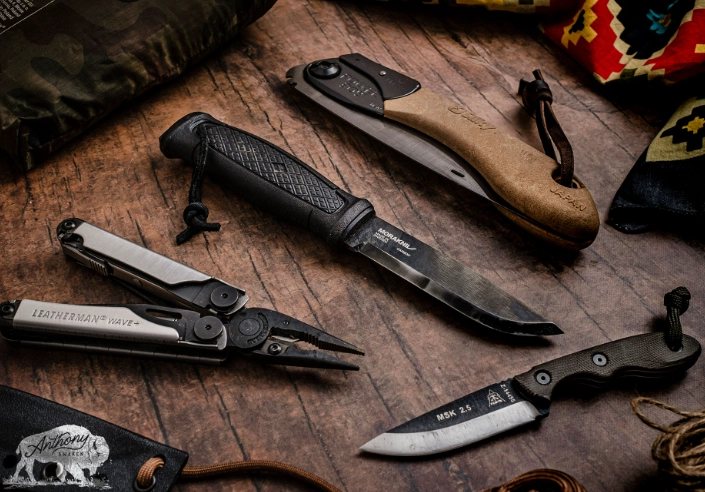
The First C: Cutting (Your Primary Tool)
This is usually the first thing people geek out over, and for good reason. A cutting tool is your main interface with the natural world. It's how you process wood for fire and shelter, prepare food, make other tools, and handle emergencies. Asking "what are the 5 C's of bushcraft?" always starts here.
But here's where people mess up. They go for the biggest, baddest Rambo knife they can find. That's often a mistake. For most bushcraft tasks, you want a sturdy, full-tang knife with a blade between 4 and 5 inches. It's a sweet spot for control and power. I used to carry a massive bowie-style knife. It was great for looking cool and not much else. It was terrible for fine carving, used too much steel, and was heavy. I traded it for a more modest Scandinavian-style knife, and my ability to make feather sticks (fine wood shavings for tinder) improved overnight.
Your cutting system can have layers:
- The Main Blade: Your workhorse. Think Morakniv, or a good quality fixed-blade from a reputable maker.
- The Saw: A folding saw (like a Bahco Laplander or a Silky) is a game-changer for processing firewood. It's safer and more efficient than batoning large logs with your knife.
- The Backup/Abrasive: A small pocket knife or a sharpening stone. Redundancy is key.
When you're evaluating your kit against the 5 C's of bushcraft, ask: Can I process all the wood I need for a robust fire and a solid shelter frame with what I have? If the answer relies on finding the perfect dry, dead branch that just snaps to size, you're under-equipped.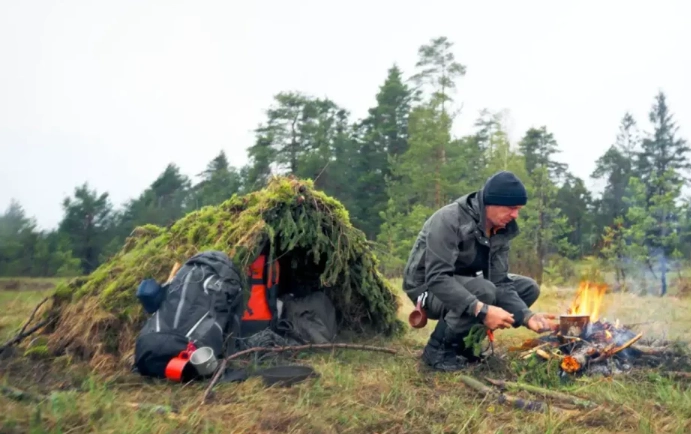
The Second C: Combustion (Mastering Fire)
Fire is life. It provides heat, light, safety from animals, a way to purify water, cook food, boost morale, and signal for help. Your combustion device is your guaranteed way to create an ember or flame, regardless of conditions. This is the "C" that separates a mildly uncomfortable night from a potentially dangerous one.
Let's get the obvious out of the way: a disposable lighter is a fantastic primary. It's cheap, reliable, and works in most conditions. But it can fail if wet or out of fuel. So you need a backup. This is where the classic ferrocerium rod (ferro rod) comes in. It throws hot sparks (around 3,000 °F) even when wet, and it lasts for thousands of strikes. It's my personal favorite backup.
But—and this is a big but—a ferro rod is useless without good tinder. You need to know how to prepare a tinder bundle from natural materials (birch bark, fatwood, certain types of fungus) or carry reliable man-made tinder (cotton balls soaked in petroleum jelly are a classic). I've seen too many people frantically scraping a ferro rod over a damp log expecting a fire to magically appear.
| Combustion Method | Best For | Biggest Drawback | My Personal Take |
|---|---|---|---|
| Disposable Lighter | Primary fire starter. Fast, easy, one-handed. | Can fail when wet/empty. Plastic can break. | Always have two. Keep one in a waterproof case. |
| Ferrocerium Rod | Ultra-reliable backup. Works wet or dry. | Requires practice and good tinder. | The best skill-based backup. Practice in your backyard! |
| Stormproof Matches | Windy/wet conditions. Good psychological backup. | Limited quantity. Can be bulky. | Great to have a small stash, but don't rely solely on them. |
| Magnifying Glass | Daytime, sunny conditions. Unlimited “fuel.” | Utterly useless at night, in clouds, or in forest shade. |
The real skill isn't just making a spark; it's building a fire structure that will grow from that spark. Understanding tepee, log cabin, and lean-to fire lays is part of mastering this C. Resources from the National Park Service on responsible campfire building are excellent for learning the basics of site selection and safety, which is just as crucial as ignition.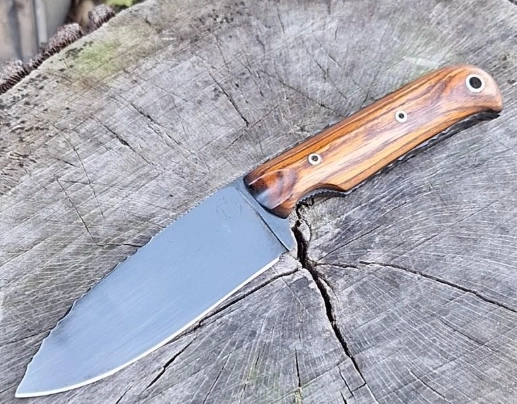
The Third C: Cover (Staying Dry and Regulating Temperature)
Hypothermia is a silent, sneaky killer, and it doesn't need freezing temperatures to strike. Wind and wetness are its best friends. The "Cover" C addresses your need for shelter and insulation from the elements. This is about more than just a tent; it's about creating a microclimate.
Your cover system has two main parts: a shell to block wind and rain (a tarp, tent, or bivy bag), and insulation to trap warmth (a sleeping bag, quilt, or blankets). The most versatile bushcraft cover item is undoubtedly a sturdy tarp. With a tarp and some cordage (see how the C's connect?), you can create a dozen different shelter configurations—an A-frame, a lean-to, a diamond fly—to suit the weather and terrain.
I made the classic mistake of buying a cheap, thin plastic tarp. The first time I used it in a light rain, it leaked like a sieve, and the grommets ripped out with a slight breeze. A good silnylon or polyester tarp is worth every penny. Pair it with a sleeping pad. This is critical! The ground will suck heat from your body far faster than the cold air. A closed-cell foam pad is cheap, indestructible, and provides essential insulation.
When considering what are the 5 C's of bushcraft for your environment, think hard about Cover. A summer kit in the Southeast US needs bug protection and rain cover. A kit for the Rockies needs serious insulation for cold nights. Your cover is your mobile home.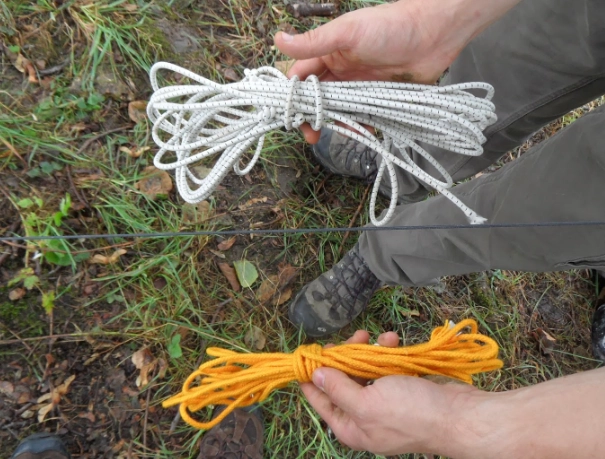
The Fourth C: Container (The Key to Hydration)
You can survive weeks without food, but only about three days without water. A container allows you to collect, carry, store, and—crucially—purify water. This might be the most overlooked of the 5 C's.
A single-wall stainless steel water bottle (like a classic 1-liter bottle) is the bushcraft favorite, and for good reason. You can boil water right in it over a fire, making it both a container and a purification tool. Nalgene bottles are tough and have clear volume markings, but you can't boil in them. Hydration bladders are great for drinking on the move but are fragile and hard to clean.
The container C forces you to think about water management. How many liters do you need to carry between sources? How will you treat the water? Boiling is the most reliable method, but it uses fuel (your Combustion C) and time. Chemical treatments (iodine/chlorine dioxide tablets) are light and easy but leave a taste and have wait times. A good filter (like a Sawyer Squeeze) is fantastic for clear water but can freeze and break.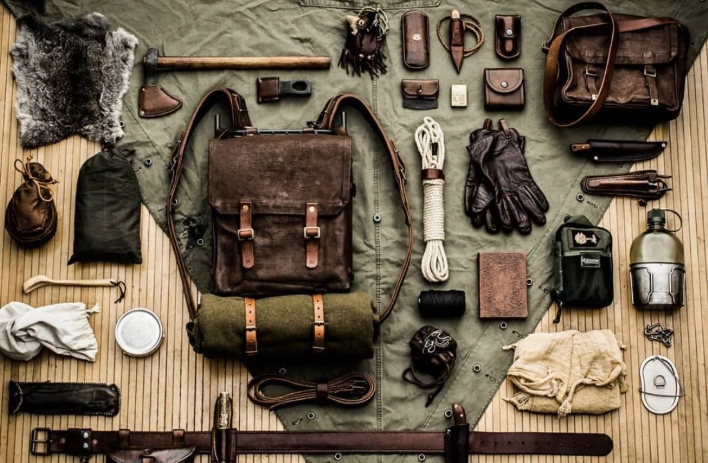
I always carry two methods: my steel bottle for boiling/carrying, and a small dropper bottle of chlorine dioxide tablets as a backup. It's a redundancy that has saved me when a planned water source was dry and I had to collect from a murky pond. The CDC's guide to backcountry water treatment is an authoritative source on why and how to treat water, detailing the pathogens you're up against.
No container means you're at the mercy of every puddle and stream. Don't be that person.
The Fifth C: Cordage (The Wilderness Multi-Tool)
If your knife is your primary tool, cordage is your wilderness duct tape. It's what binds the other C's together—literally. You use it to pitch your tarp (Cover), build traps, lash together shelter frames (using your Cutting tool), secure gear, make repairs, and even as an emergency tourniquet.
The gold standard is paracord (550 cord). It has a nylon sheath and 7 inner strands, each with a decent tensile strength. You can use the whole cord for heavy-duty tasks, or remove the inner strands for finer work like fishing line or sewing thread. It's incredibly versatile.
But not all paracord is created equal. Cheap, imported "paracord" often doesn't meet the 550-pound strength rating and melts instead of burning. Bank line (tarred nylon twine) is another fantastic option—it's water-resistant, doesn't stretch much, and is great for detailed lashings.
A skill that complements this C is knowing how to make natural cordage from plant fibers like stinging nettle, dogbane, or inner tree bark. It's a slow, labor-intensive process, but it's the ultimate backup and a deeply satisfying skill. It connects you to how people survived for millennia before nylon.
Carry at least 50 feet of quality paracord. I keep a 20-foot hank on my person and another 50 feet in my pack. You'll be surprised how quickly you use it when you start building a proper shelter.
How the 5 C's Work Together: A Real-World Scenario
Let's say you're out for a day hike and twist your ankle, forcing an unplanned night out. This is where answering "what are the 5 C's of bushcraft?" moves from theory to life.
- Assess: You're not moving far. Priority: Shelter (Cover) and Water (Container).
- Act: Using your Cutting tool (knife/saw), you process wood for a shelter frame and firewood. You use Cordage and your Cover (tarp/emergency blanket) to build a lean-to shelter out of the wind.
- Sustain: You use your Combustion device (lighter/ferro rod) to light a fire for warmth, light, and morale. You use your Container (bottle) to collect water from a nearby source and purify it by boiling it in the bottle next to the fire.
Each C supports the others. Without cordage, your shelter fails. Without a cutting tool, you can't process enough wood for a lasting fire. It's an interconnected web.
Common Questions About the 5 C's of Bushcraft
They are an excellent core system for addressing immediate physiological needs. However, you should add a robust First-Aid Kit and a Means of Signaling (whistle, signal mirror, PLB) to any serious kit. The 5 C's are your tool-based foundation, not the entire survival pyramid.
It's situational, but if forced to choose, most experienced folks lean towards Cutting or Combustion. With a good knife, you can process materials for shelter and tools. With reliable fire, you can purify water, stay warm, and signal. But honestly, asking which is most important misses the point—their strength is in their synergy.
Absolutely! The framework is about functions, not specific products. Your "Container" could be a metal canteen cup. Your "Cover" could be a large garbage bag (a very underrated emergency item). Your "Cordage" could be 100 feet of bank line instead of paracord. The system is adaptable to your budget, environment, and personal preference.
Start simple and use what you have. A Mora knife, a Bic lighter and a ferro rod, a military poncho, a stainless steel bottle, and 50 feet of paracord. That's a incredibly capable and affordable starter kit that directly answers the question of what are the 5 C's of bushcraft. Then, practice with each item in your backyard or on short trips. Skills are more important than gear.
So, the next time someone asks you "what are the 5 C's of bushcraft?", you can tell them it's not a gimmick. It's a practical, time-tested framework for self-reliance. It forces you to think about essentials, promotes skill development, and could one day make the difference between a story of minor hardship and a real crisis. Start with one C, master it, and build from there. The woods are waiting.