Forget the crowded national parks for a second. If you want real adventure, often closer to home and almost always easier on the wallet, state parks are your secret weapon. I’ve spent over a decade sleeping under the stars in everything from a flimsy tarp to a fully-loaded RV, and I keep coming back to state parks. They’re the workhorses of the outdoor world—less fanfare, more genuine connection with nature. But there’s an art to doing it right, and a ton of small mistakes can turn a dream trip into a damp, bug-bitten slog.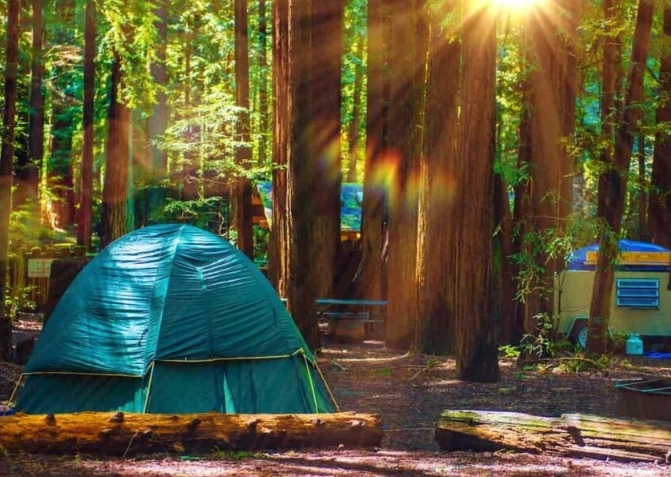
Your Quick Navigation Guide
How to Choose the Perfect State Park for Your Camping Trip
Picking a park isn't just about the prettiest pictures. It's about matching the park's reality with your group's expectations. A park perfect for a solo backpacker is a nightmare for a family with toddlers.
Start with your state’s official parks website. It’s the single most authoritative source. Don't just browse—use the filters. Look for:
- Campground Type: Are you in an RV needing full hookups, or are you hiking in with a tent? Filter for “walk-to” or “boat-in” sites if you want solitude.
- Activities On-Site: This is huge. Want to fish? Make sure the lake or river is actually accessible from the campground. Dreaming of stargazing? Look for parks with “Dark Sky” designations or check light pollution maps.
- Bathhouse Status: This is a rookie blind spot. The website will usually say “Flush Toilets,” “Vault Toilets,” or “No Facilities.” A “vault toilet” is a fancy term for a very clean outhouse. Manage expectations, especially with kids.
Now, here’s the pro move everyone misses: Call the park office. Seriously. The ranger or park attendant knows things the website doesn’t. Ask: “Which loop has the most shade in July?” or “Is the water level in the lake good for swimming right now?” or “How bad are the mosquitoes this week?” This 5-minute call has saved me from baking in a sun-trap site more than once.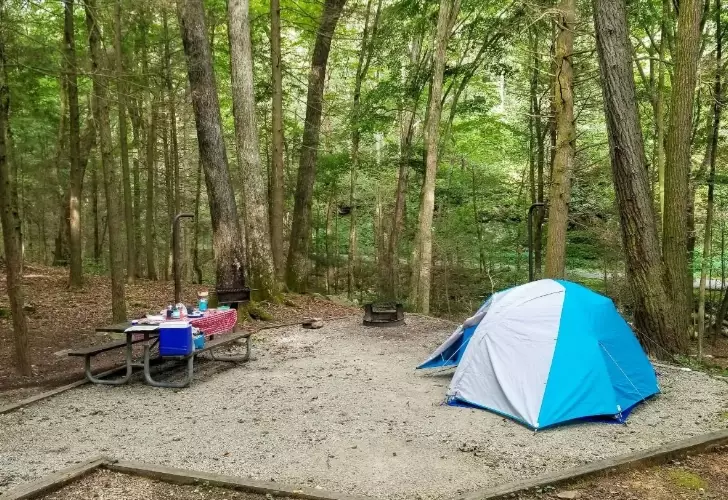
The Essential Gear Checklist for State Park Camping (Forget the Kitchen Sink)
Overpacking is the first-timer's curse. You don't need a portable blender. You need the right stuff. This list assumes you have a tent, sleeping bag, and pad already.
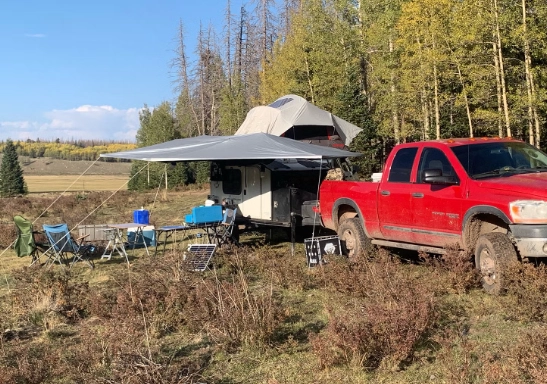
- A Rugged Tarp & Paracord: More versatile than a pop-up canopy. Creates instant shade over a picnic table, a dry vestibule outside your tent in rain, or a ground cloth.
- Headlamp with a RED Light Mode: White light kills night vision and attracts every moth within a mile. Red light lets you see, keeps bugs away, and doesn’t blind your camp neighbors.
- Camp Chair You Actually Like: You will sit in it for hours. A $10 foldable that sits 4 inches off the ground is a recipe for back pain. Invest in one with proper back support.
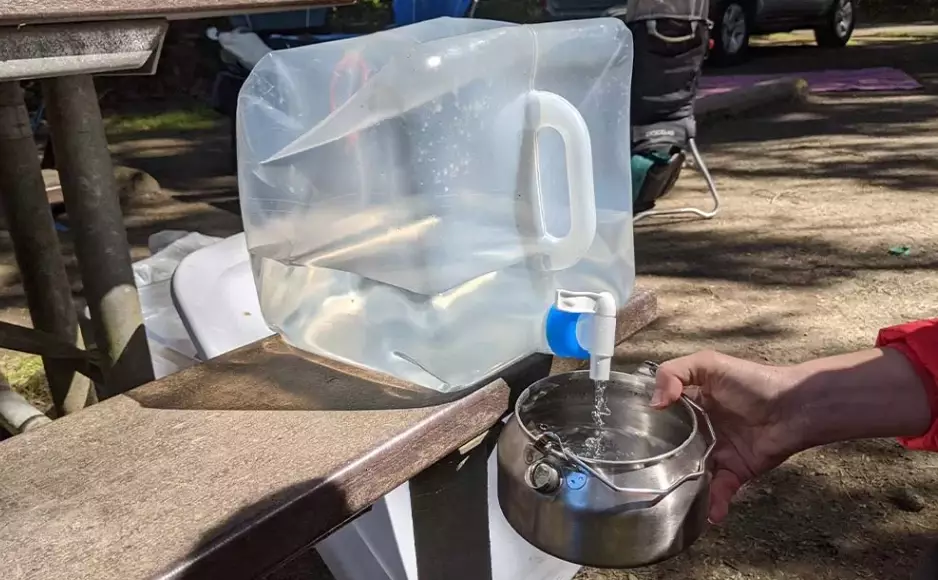
- Large Water Jug with Spigot: Forget constantly refilling small bottles. A 5-gallon jug with a spigot is your camp’s water station for cooking, washing, and drinking.
Food storage is non-negotiable. Most state parks require it. A simple, bear-proof cooler is fine in many areas, but in bear country, you’ll need a hard-sided container or a bear locker (often provided). The real threat is often raccoons and squirrels—they’re clever. Never leave food, trash, or even scented items like toothpaste in your tent. Ever.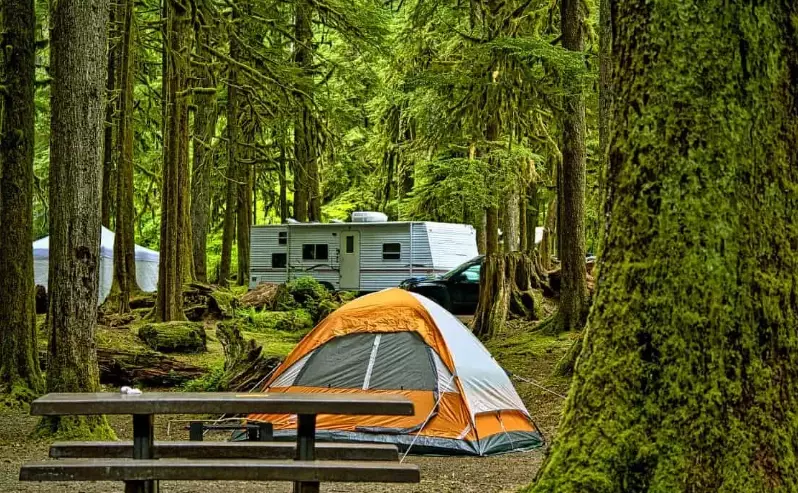
My Personal Gear Mistake Story
I once bought a fancy, ultralight sleeping pad for a trip to a mountainous state park. It was rated for “comfort.” What the rating didn’t say was that it felt like sleeping on a slightly padded cafeteria tray. I spent two nights shifting every 20 minutes, listening to my friend snore happily on his bulky, car-camping pad. Lesson: For drive-in sites, prioritize comfort over weight savings every time.
How to Secure a Campsite Reservation (And What to Do If It's 'Full')
The reservation system is the biggest pain point. Popular parks on summer weekends sell out in minutes. Here’s how to game it.
First, understand the booking window. It’s usually 6 months to a year in advance, often at 8:00 AM on a specific date. Set a calendar alert. Be logged in with payment info ready at 7:55 AM.
If everything shows booked, don't panic. Try these strategies:
- Mid-Week Magic: Shift your trip to Tuesday-Thursday. You’ll have the pick of sites and a quieter park.
- Shoulder Season: April-May and September-October often have better availability and nicer weather than peak summer.
- Refresh, Refresh, Refresh: People cancel plans all the time. Check the reservation site daily, especially in the 2-7 days before your desired date. A site often pops up.
- Look at Adjacent Parks: Is your dream park full? Search for a state park 30-45 minutes away. You might discover a hidden gem with zero crowds.
Many states participate on ReserveAmerica or Recreation.gov, but some have their own portals. Know which one you need. A report by the National Association of State Park Directors highlights the increasing pressure on reservation systems, so getting savvy is key.
Three Standout State Parks to Frame Your Planning
To make this concrete, let’s look at three diverse, top-tier state parks. This isn't a “top 10” list—it’s a sampler to show you what’s out there.
1. Big Basin Redwoods State Park, California
The Vibe: Walking among ancient, cathedral-like coastal redwoods.
Camping Intel: The park is recovering from 2020 wildfires. Always check the official California State Parks page for the latest on which campgrounds and trails are open. Reservations are mandatory and competitive. Opt for a hike-in site if you want profound silence among the giants.
Don't Miss: The Berry Creek Falls loop hike. It’s long, but it passes through the heart of the old-growth forest.
2. Letchworth State Park, New York
The Vibe: The “Grand Canyon of the East” with dramatic waterfalls.
Camping Intel: Massive park with several large campgrounds (like Highbanks). Sites vary from open fields to wooded spots. Book far ahead for fall foliage season. The Glen Iris Inn inside the park is a great backup if camping is full.
Don't Miss: The views from the Inspiration Point overlook, and a hot air balloon ride over the gorge if your budget allows.
3. Dead Horse Point State Park, Utah
The Vibe: Mind-blowing mesa-top views of Canyonlands National Park.
Camping Intel: The Kayenta campground has sites with literally million-dollar views. Zero shade, so bring that tarp. Reservations are essential spring through fall. It’s high desert—hot days, cold nights.
Don't Miss: Sunrise at Dead Horse Point. Then, skip some of the Canyonlands crowds and explore the park’s own mountain biking and hiking trails.
Here’s a quick comparison to help you decide:
| Park | Best For | Booking Difficulty | Ideal Season |
|---|---|---|---|
| Big Basin Redwoods | Hikers, Forest Lovers | High (Post-fire recovery) | Late Spring - Fall |
| Letchworth | Families, Waterfall Views | Medium-High | Summer & Fall |
| Dead Horse Point | Photographers, Adventure | High | Spring & Fall |
Your State Park Camping Questions, Answered by Experience
What's the biggest mistake first-timers make when camping in state parks?
Ignoring the specific rules of the park they're visiting. Every park has its own quirks—firewood must be certified pest-free (often available to buy inside the park), quiet hours might start at 9 PM sharp, or certain trails might be closed for restoration. Not reading the park's specific regulations page or the sheet they give you at check-in is asking for a ranger visit or a spoiled experience.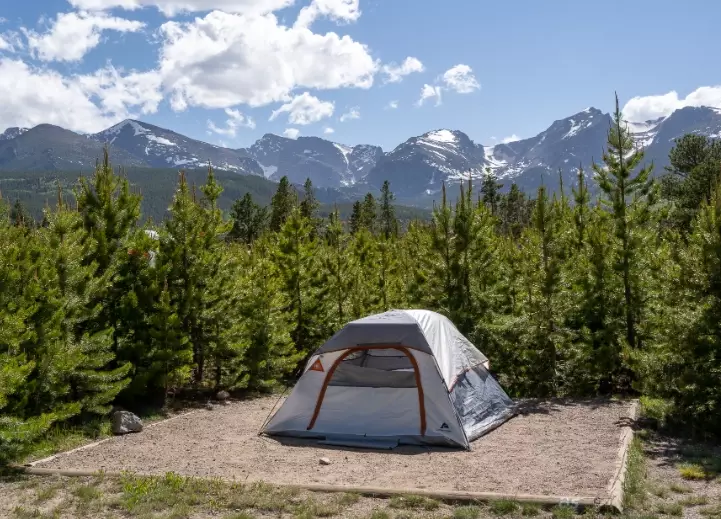
Is state park camping actually cheaper than national parks?
Almost always, yes. The nightly fee for a standard non-electric tent site is typically $10-$30 less than a comparable national park site. The real savings is on the entrance fee. A state park annual pass is often under $100 for a whole year of access to every park in that state, while a single national park can charge $35 just to enter for a week.
How do I find state park campgrounds that aren't packed with RVs?
Filter aggressively. Look for campgrounds labeled “Tent Only,” “Walk-To,” or “Primitive.” These sites are often in separate, quieter loops without the pavement and electrical posts. Also, look at the site map. Sites at the end of a spur road or tucked against a natural barrier tend to be more private. Calling the park and asking “Which loop has the fewest RV-friendly sites?” works wonders.
What's one piece of advice you'd give for camping with young kids in state parks?
Pick a park with a major, easy “attraction” within 10 minutes of your site—a swimming beach, a gentle waterfall, a nature center with animal pelts. Kids' patience for “being in nature” wears thin. Having that guaranteed activity to pivot to when they get fidgety saves the trip. Letchworth’s waterfalls or a park with a lake beach are perfect examples.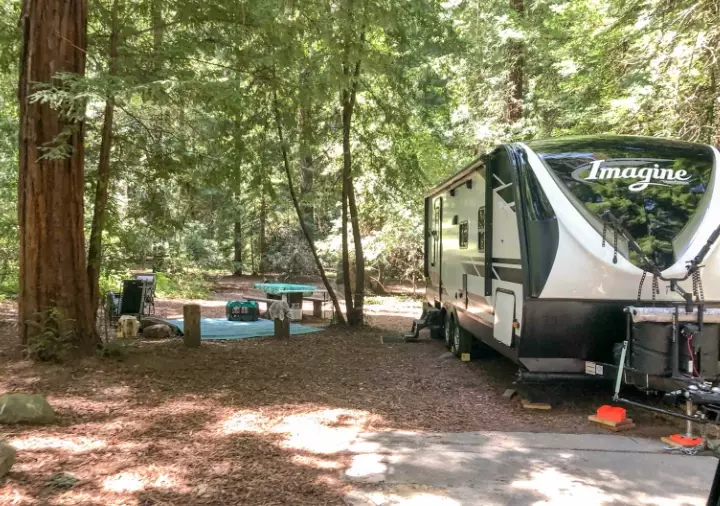
I want to try state park camping but don't own any gear. Is it still possible?
Absolutely. First, see if your chosen park has cabins, yurts, or “glamping” tents for rent—many do. Second, look into gear rental outfits like REI’s rental program or local outdoor shops near the park. You can rent a full tent, sleeping bag, and pad kit for a weekend for less than $100. It’s a fantastic, low-commitment way to try before you invest hundreds in your own setup.
The secret to great state park camping isn't fancy gear or secret locations. It's preparation that matches reality. It's picking the right park for *your* group, packing smart, and rolling with the small surprises—the sudden afternoon rain, the overly curious deer, the campfire smoke that follows you no matter where you sit. That's where the stories come from. Now you have the map. Go make your own.