Let's cut to the chase. The question "Can I sleep in my car at a camping site?" has a frustratingly common answer: it depends. It's not a simple yes or no. I learned this the hard way a few years back, pulling into a seemingly relaxed state park after a long drive, only to be told by a ranger at 10 PM that "vehicle sleeping" wasn't allowed in my booked campsite. I had to drive another hour to find a Walmart parking lot. Not the wilderness experience I'd planned.
That experience taught me that the world of car camping is governed by a patchwork of rules that vary by the type of land, the managing agency, and even the specific campground manager's mood that day. This guide is what I wish I'd had. We'll move beyond the basic yes/no and dive into the how, where, and why—covering everything from decoding legalese on websites to turning your sedan into a cozy, safe bedroom for the night.
Your Quick Guide to Car Camping
The Rulebook: Why Policies Vary Wildly
Understanding who owns the land is the first key to answering our question. The rules aren't arbitrary; they're based on land management goals, safety codes, and revenue models.
Public Land Campgrounds (Federal & State)
This is where it gets most complex. Agencies like the National Park Service (NPS), US Forest Service (USFS), Bureau of Land Management (BLM), and state park systems each have their own playbook.
Pro Tip: Never assume rules are consistent within the same agency. A USFS campground in Oregon might allow it, while one in Colorado might not. Always, always check the specific campground's webpage or call the local ranger district.
Many developed public campgrounds require you to use the "designated sleeping facility" tied to your site—usually a tent pad or an RV spot. Sleeping in a car on a tent site can violate this rule. Their reasoning often cites fire safety, vehicle emissions, or simply that it wasn't the intended use. However, some public campgrounds, especially more rustic or remote ones, explicitly offer "car camping" sites. These are designed for it.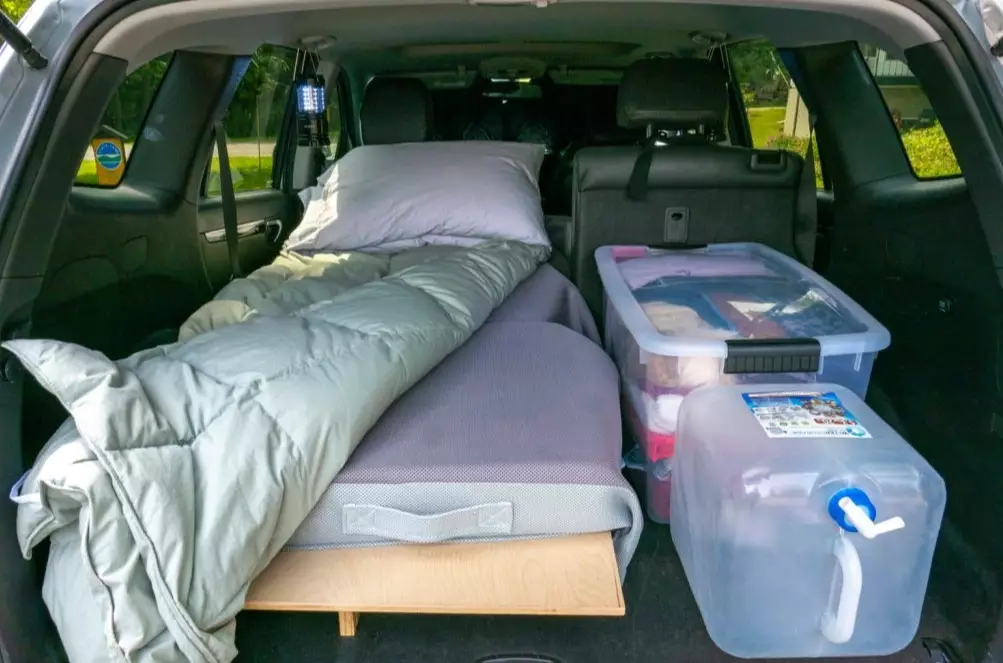
Private Campgrounds (KOA, Jellystone, Independent)
Private campgrounds are businesses. Their policies are often clearer but geared towards their customer base. Many see car sleepers as potential lost revenue from an RV or cabin rental. It's not uncommon for their terms to specify "no sleeping in vehicles not designated as RVs."
That said, some privately-owned, rustic, or hippie-leaning campgrounds are totally cool with it, especially if you're paying for a site. The best approach? Look for phrases like "tent and car camping sites" on their website. If it's not clear, a quick phone call is your best bet. I've found mom-and-pop places are often more flexible than large chains.
The Critical Terminology Decoder
Websites use specific language. Here’s how to translate it:
- "Tent Site": High chance sleeping in your car is not allowed.
- "RV Site": You're paying for hookups you won't use, and they may prohibit non-RVs.
- "Car Camping Site": Bingo. This is what you want.
- "Walk-in/Tent-only Site": Definitely no. Your car will be parked far away.
How to Find Campgrounds That Allow Car Sleeping
You need a strategy. Don't just Google "camping near me" and hope.
Step 1: Use the Right Filters on Booking Platforms. On Recreation.gov (for federal lands) or ReserveAmerica (for many state parks), use the "Site Type" filter. Look for "Standard Nonelectric" and then read the site details. It might say "Vehicle length: 15ft, Driveway: Dirt, This is a car camping site." On Hipcamp, filter for "Car Camping" under "Land Type."
Step 2: Decipher the Campground Description. Look for tell-tale phrases in the overview: "This campground is popular for car and tent campers," or "Sites are suitable for tents or passenger vehicles."
Step 3: The Direct Call (The Most Reliable Method). If anything is ambiguous, call the campground directly or the managing ranger station. Ask plainly: "I have a [SUV/Sedan/Minivan] and I'm planning to sleep in it on a campsite. Is that allowed at your specific campground?" Get a name if you can. This call has saved me countless times.
How to Prepare Your Vehicle for a Safe and Comfortable Night
Assuming you've found a legal spot, doing it wrong can still ruin your trip. Comfort and safety aren't optional.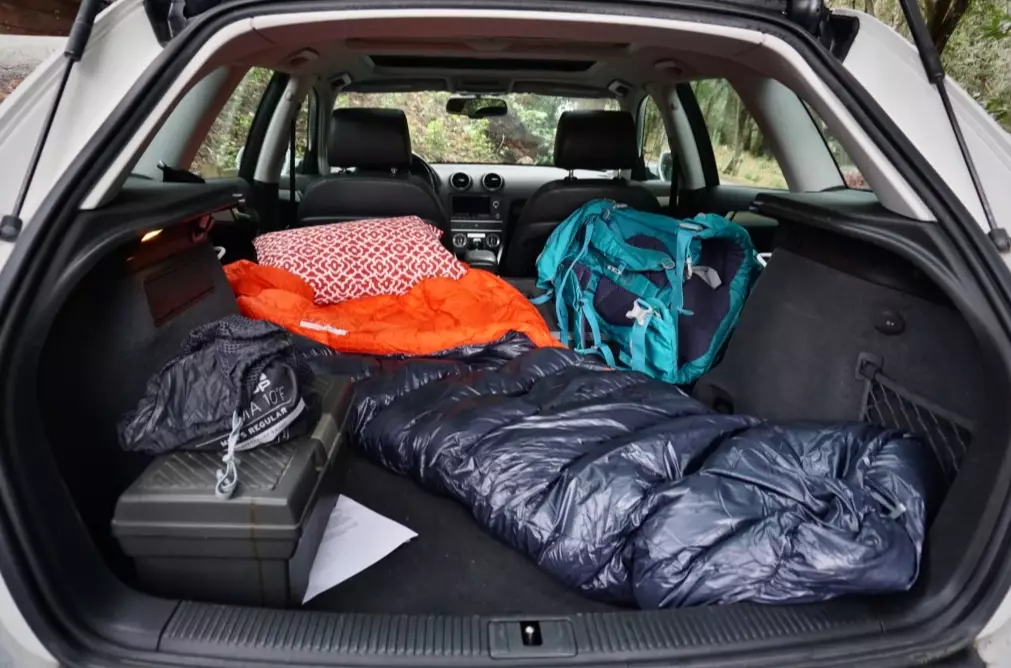
| System | Essential Gear | Why It Matters |
|---|---|---|
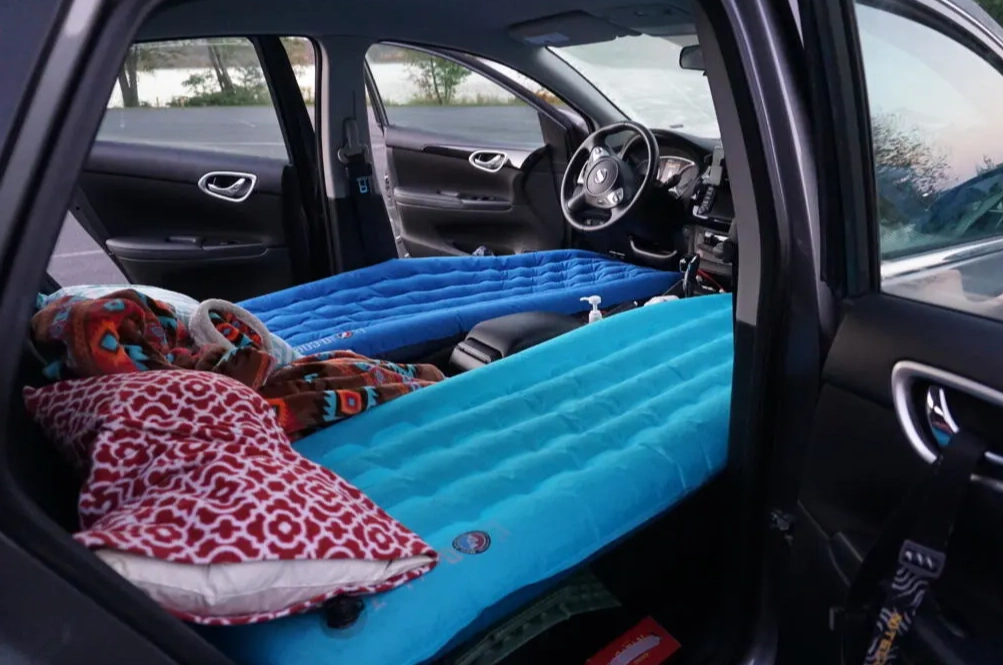
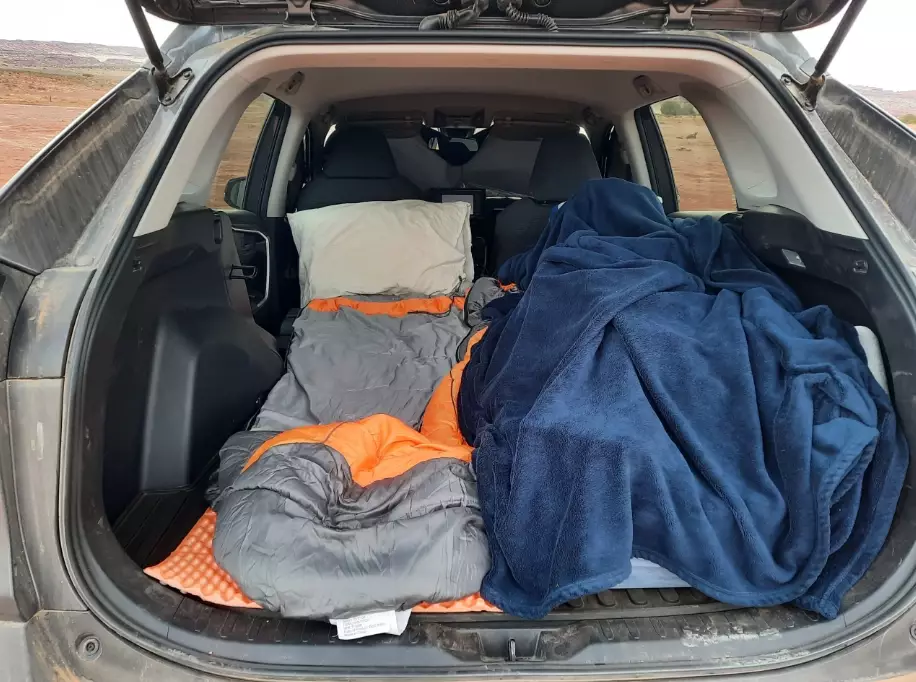
| Sleeping | Quality sleeping pad (not an air mattress), warm sleeping bag, pillows, window covers/sunshades. | Car seats are terrible beds. Insulation from the cold metal/glass is critical. Window covers provide privacy and thermal insulation. |
| Ventilation | Rain guards (window visors), a small USB fan, mosquito netting cut to window size. | This is the #1 safety issue. Stagnant air leads to condensation and potential carbon monoxide risk (if near other vehicles). Rain guards let you crack windows in any weather. |
| Organization | Plastic bins, a headlamp, a small trash bag, a dedicated "go-bag" for midnight bathroom trips. | Clutter causes stress. Bins keep gear sorted. A headlamp keeps hands free. The go-bag has shoes, toilet paper, and a key. |
| Power & Light | High-capacity power bank, LED lantern with red light mode, car jumper battery pack. | Preserve your car battery. Red light preserves night vision and is less glaring to neighbors. A jumper pack is cheap insurance. |
Never Run Your Engine for Heat. This is a severe carbon monoxide risk, even in "well-ventilated" areas. Use proper sleeping insulation and a rated sleeping bag instead. If you must, use a portable power station to run a small, safe electric blanket for a short period.
Stealth, Safety, and Privacy: The Unspoken Essentials
Even in a legal spot, drawing attention can lead to a knock from security or uncomfortable stares from RV neighbors.
Be Inconspicuous. Use window covers on all windows. Park naturally—don't angle your car weirdly or put up excessive tarps. Arrive at a reasonable hour and avoid slamming doors late. Keep interior lights low (use that red mode).
Security Mindset. Always lock your doors. Keep your keys and a flashlight within easy reach. Park in a well-lit area of the campground if possible. Trust your gut—if a spot feels off, move. I keep a can of pepper gel in the door pocket, just in case.
Campground Etiquette is Everything. You're sharing space. Don't spread your gear over the picnic table and fire ring. Keep your site tidy. Be friendly but not intrusive to neighbors. Following these unspoken rules makes everyone, including managers, more tolerant of car campers.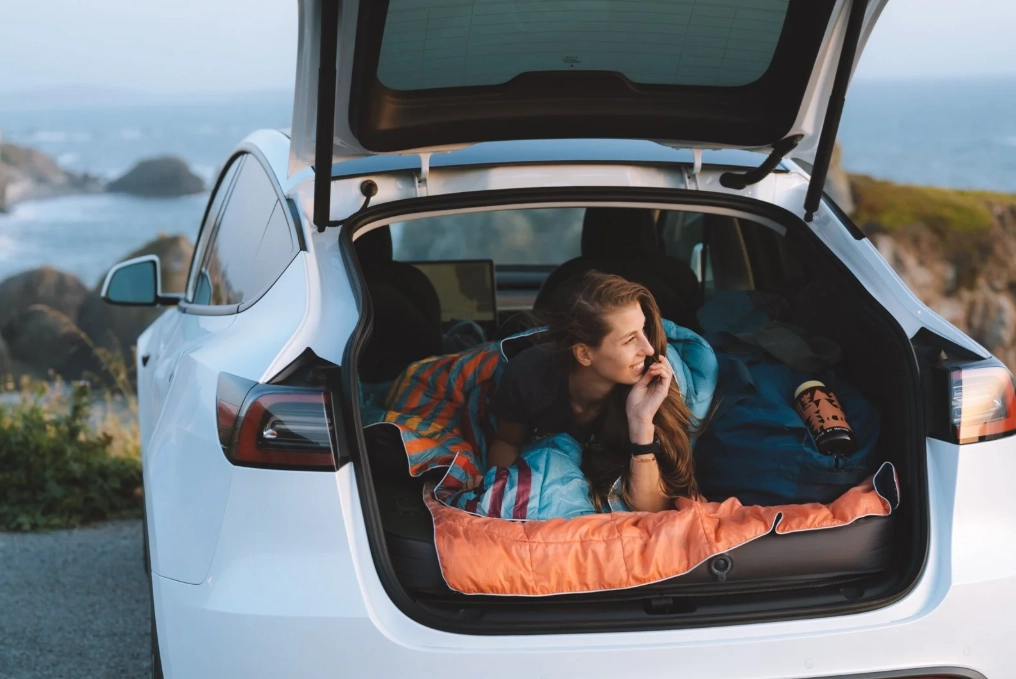
When Campgrounds Say No: Legal Alternatives
What if everywhere nearby says no? You have options beyond Walmart.
- BLM Land & National Forests (Dispersed Camping): This is the golden ticket for self-reliant car sleepers. On millions of acres of Bureau of Land Management and US Forest Service land, "dispersed camping" is often free and allowed for up to 14 days. You can usually park and sleep anywhere unless posted otherwise. Research area-specific rules on the agency website first. Pack out all waste.
- Rest Stops & Truck Stops: State laws vary. Some allow 8-hour stays, some prohibit it. Truck stops like Love's or Flying J are generally welcoming if you're discreet, purchase something, and don't set up camp outside.
- Apps are Your Friend: iOverlander and FreeRoam are crowd-sourced maps showing thousands of vetted, free, and legal spots for vehicle sleepers, from pull-offs to parking lots.
Car Camping FAQs: Straight Talk from the Road
If I rent a campsite for my tent, can I just sleep in my car on the same site instead?
This is the most common pitfall. In many developed campgrounds, the answer is no. The site is leased for a specific use—a tent on the tent pad. A ranger doing night rounds might see a car running or occupied and knock. They can ask you to leave. Always verify the site allows "car camping" or "vehicle sleeping" specifically.
What's the biggest mistake new car campers make with ventilation?
They crack the windows an inch and think it's enough. In humid or cold conditions, that tiny gap does almost nothing. Condensation will soak your sleeping bag and gear by morning. You need cross-ventilation. Crack the front windows and a rear window opposite each other. Rain guards are non-negotiable for doing this stealthily in bad weather.
 Can I use a campground's bathroom and shower facilities if I'm just sleeping in my car?
Absolutely, if you've paid for a campsite. Your site fee grants you access to the campground's amenities. This is a major advantage over boondocking. Be respectful, clean up after yourself, and go during normal hours if possible.
My SUV has a "camp mode." Does that make it okay to sleep in anywhere?
No. Camp mode typically just manages battery use for climate control. It does not change land use laws or campground policies. A fancy feature doesn't grant you permission. The rulebook still applies.
How do I handle food and bears when car camping?
A car is not a bear-proof container. In bear country, treat your vehicle like a tent. Never store food, toiletries, or trash inside overnight. Use the campground's provided bear locker (if available) every single time. An interior that smells like snacks is a broken window waiting to happen.
 The bottom line? Sleeping in your car at a camping site is absolutely possible and can be an amazing, affordable way to travel. But it requires homework, the right gear, and a respect for the rules—both written and unwritten. Do your research, prepare thoroughly, and you'll unlock a world of freedom right from your driveway.