Let's be honest. The idea of your first camping trip can feel overwhelming. You're picturing bears, getting lost, and sleeping on a root. What if I told you it doesn't have to be that way? After helping dozens of friends take the plunge, I've learned the secret: picking the right spot makes all the difference. Forget the backcountry survival mission. Beginner camping is about car camping at places with real bathrooms, easy reservations, and scenery that does all the hard work for you. I've scouted five perfect beginner camping destinations across the country that are practically foolproof.
Your Quick Trip Planner
- Yosemite's "Easy Mode": Lower Pines Campground
- The Smokies Made Simple: Cades Cove Campground
- Florida's Crystal Clear Start: Silver Springs State Park
- Zion's Front Row Seat: Watchman Campground
- Skyline Drive & S'mores: Big Meadows, Shenandoah
- The Non-Negotiable Tips for Your First Trip
- First-Timer Questions Answered
1. Yosemite's "Easy Mode": Lower Pines Campground
Yes, you can start with a crown jewel. Lower Pines is the ultimate training wheels for experiencing Yosemite National Park. The mistake most beginners make is aiming for the remote, hike-in spots. Why? Lower Pines puts you right in Yosemite Valley, a flat, stunning meadow surrounded by granite giants. Your car is steps from your site. The famous Yosemite Falls trailhead is a walk away. If the weather turns or you forget the marshmallows, the Valley's stores and eateries are a short bike ride or shuttle bus trip away.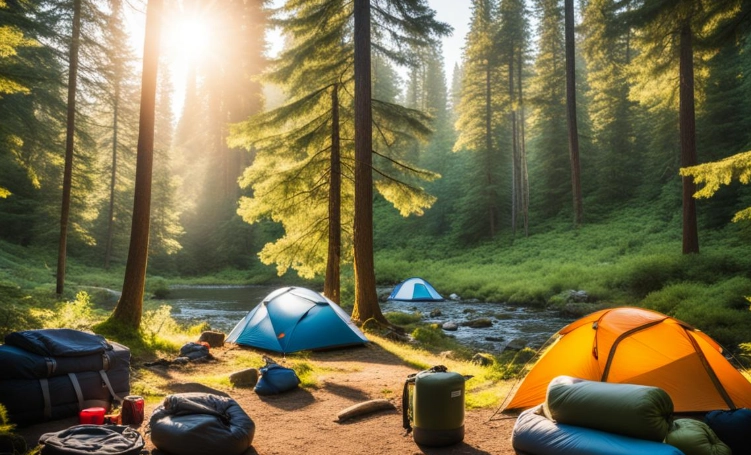
Lower Pines at a Glance
Location: Yosemite Valley, Yosemite National Park, California. GPS is reliable, just follow signs to the Valley.
Booking: This is critical. Reservations on Recreation.gov open 5 months in advance and sell out in minutes for summer dates. Set a calendar alert. If you miss it, try for late April/May or September/October weekdays—still beautiful, less crazy.
Cost: Around $36 per night.
Beginner Perks: Flush toilets, drinking water, fire rings with grills, food lockers (required for bear safety), and access to the free Valley shuttle. You're camping in a postcard.
Do This: Bike the Valley Loop trail, gawk at Half Dome, and drive up to Glacier Point for sunset. Keep it simple.
2. The Smokies Made Simple: Cades Cove Campground
For East Coasters, Great Smoky Mountains National Park is the go-to. And Cades Cove is its beating heart. This isn't a secluded mountain perch; it's a wide, historic valley that feels friendly and open. The 11-mile one-way loop road is perfect for a leisurely drive or bike ride (closed to cars on Wednesday and Saturday mornings spring-fall). You'll see deer, maybe black bears from a safe distance, and historic cabins. The campground itself is large and well-organized, taking the "wild" out of "wilderness" in the best possible way for a first-timer.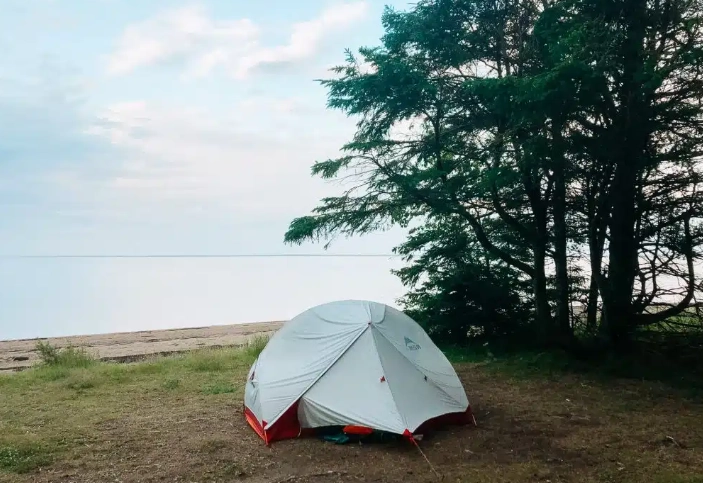
Cades Cove at a Glance
Location: Townsend, Tennessee side of the park. A winding but paved 45-minute drive from the park's Townsend entrance.
Booking: Also on Recreation.gov. Reservations are essential for spring through fall. Some first-come, first-served sites are available in winter.
Cost: About $27 per night.
Beginner Perks: Flush toilets, drinking water, a camp store for basics (firewood, ice, snacks), and amphitheater ranger programs. The flat terrain makes setting up a breeze.
Do This: Drive the loop at dawn or dusk for wildlife, hike the short but rewarding Abrams Falls trail (5 miles round-trip), and visit the Cable Mill historic area.
3. Florida's Crystal Clear Start: Silver Springs State Park
If the thought of cold mountains gives you pause, Florida's state parks are a beginner's paradise. Silver Springs is my top pick. You camp under a canopy of live oaks draped in Spanish moss. The main attraction is the glass-bottom boat tours on the pristine springs—you get a world-class nature show without breaking a sweat. The campground is clean, quiet, and feels far from civilization, yet the town of Ocala is 15 minutes away if you need supplies or a break from cooking.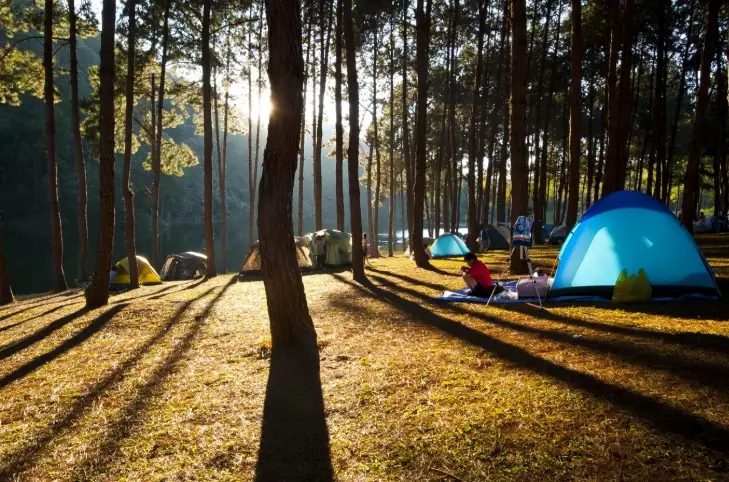
Silver Springs at a Glance
Location: Near Ocala, Florida. Straight shot off Highway 40.
Booking: Reserve through the Florida State Parks reservation system. Book well ahead for winter months when the weather is perfect.
Cost: Around $24 per night plus a small park entry fee.
Beginner Perks: Full hook-up sites available (RV beginners, take note!), clean bathhouses, a fantastic on-site restaurant (The Springs Grill), and those iconic boat tours. Wildlife is abundant but generally harmless (raccoons are your biggest pest).
Do This: Book a glass-bottom boat tour, kayak or canoe down the Silver River, and hike the Sandhill Trail.
4. Zion's Front Row Seat: Watchman Campground
Zion National Park is otherworldly, and Watchman Campground lets you dive right in. Located just inside the South Entrance, you can walk to the park's visitor center and the shuttle that takes you up the iconic Zion Canyon Scenic Drive (private vehicles are restricted in peak season). Waking up to the sight of the Watchman spire is a memory you'll keep forever. Because it's so convenient, it books fast. But scoring a spot here means you've eliminated the biggest hassle of visiting Zion: parking.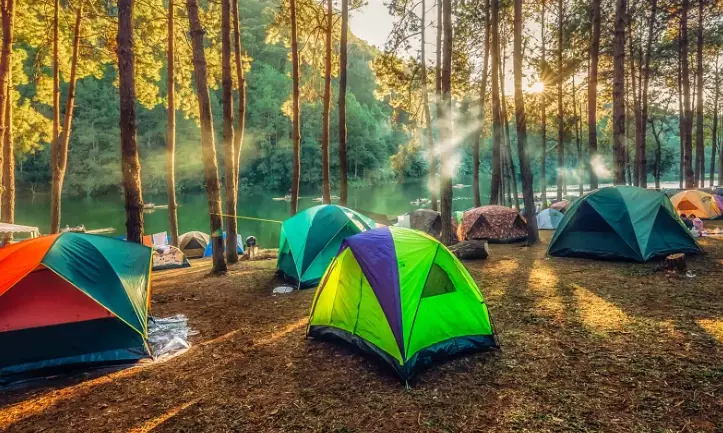
Watchman at a Glance
Location: Springdale, Utah. Right at the South Entrance of Zion National Park.
Booking: Recreation.gov again. Reservations for peak season (March-October) are released 6 months in advance on a rolling window. Be online right when they drop.
Cost: $30-$35 per night.
Beginner Perks: Flush toilets, drinking water, electric hook-ups in some loops, and that unbeatable walk-to-the-shuttle access. The town of Springdale is a short walk for restaurants and gear shops.
Do This: Ride the shuttle, hike the Riverside Walk (easy, paved, stunning), and if you're feeling brave, tackle Angels Landing (permit required) or Observation Point. Mostly, just sit and stare at the cliffs.
5. Skyline Drive & S'mores: Big Meadows, Shenandoah
Shenandoah National Park is the Blue Ridge Parkway's glorious, protected cousin. Big Meadows Campground is at the heart of it, right around Milepost 51 on Skyline Drive. This is leaf-peeping, deer-spotting, easy-hiking central. The terrain is rolling hills, not jagged peaks. The "Big Meadow" itself is a huge, open field perfect for stargazing. It feels wonderfully remote, but the historic Big Meadows Lodge (with a restaurant and taproom) is a mile away. It's the perfect blend of rustic and comfort.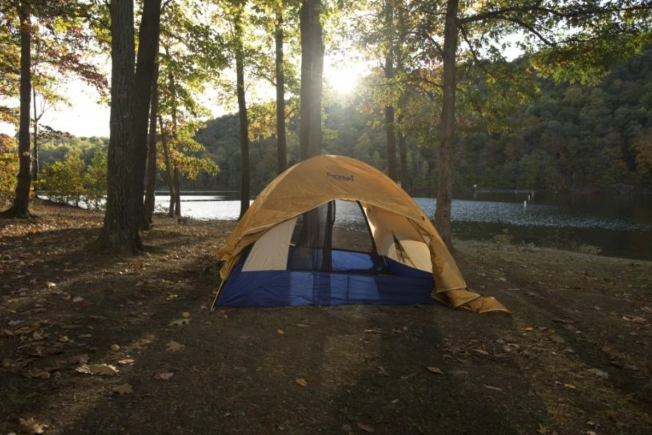
Big Meadows at a Glance
Location: Shenandoah National Park, Virginia. Access via the Thornton Gap or Swift Run Gap entrances off Skyline Drive.
Booking: Yep, Recreation.gov. Very popular for fall foliage.
Cost: About $30 per night.
Beginner Perks: Flush toilets, hot showers (for a fee), a camp store, and easy access to some of the park's best moderate hikes. The on-site dump station is a bonus for small RV renters.
Do This: Hike to Dark Hollow Falls (steep but short), have a meal at the Lodge, drive to Hawksbill Gap for sunset, and spend an evening in the meadow with a blanket.
The Non-Negotiable Tips for Your First Trip
Picking the spot is 70% of the battle. The other 30% is not overcomplicating it. Here's what I wish someone had told me before my first trip.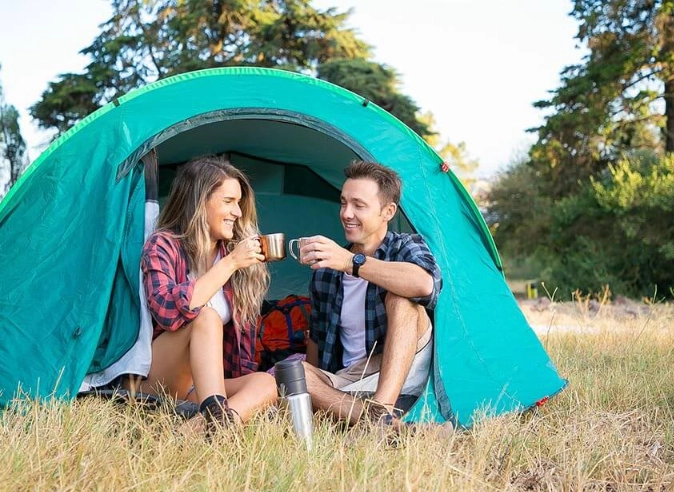
The First-Timer's Packing Shortlist
Forget the 100-item lists. Focus on these categories:
Shelter & Sleep: Tent (practice in your backyard!), sleeping bag rated for the expected low temperature, sleeping pad (insulated is best), pillow.
Food & Water: Cooler, simple food (pre-make chili, pack hot dogs, oatmeal), water jugs (most campgrounds have fill stations), basic cookware, camp stove + fuel, lighter.
Clothing: Layers! Avoid cotton—it gets wet and stays cold. Synthetic or wool base layers, fleece, rain jacket, sturdy shoes, warm hat even in summer.
Essentials: Headlamp (not a flashlight), first-aid kit, map of the area, trash bags, biodegradable soap, a comfortable camp chair. That's your core.
One subtle mistake I see all the time? People pack for every conceivable "what if" and end up with a car so full they can't find the can opener. Pack for the forecast, not for a zombie apocalypse. You're at a drive-up site, not trekking the Pacific Crest Trail.
Another pro tip: Plan your first meal to be something foolproof you can eat cold if you arrive late and can't figure out the stove in the dark. Sandwiches. Wraps. Something.
Finally, check the specific campground rules on the official park website. Know the firewood policy (buy it locally to prevent spreading pests), check if showers are available, and understand the check-in/check-out times.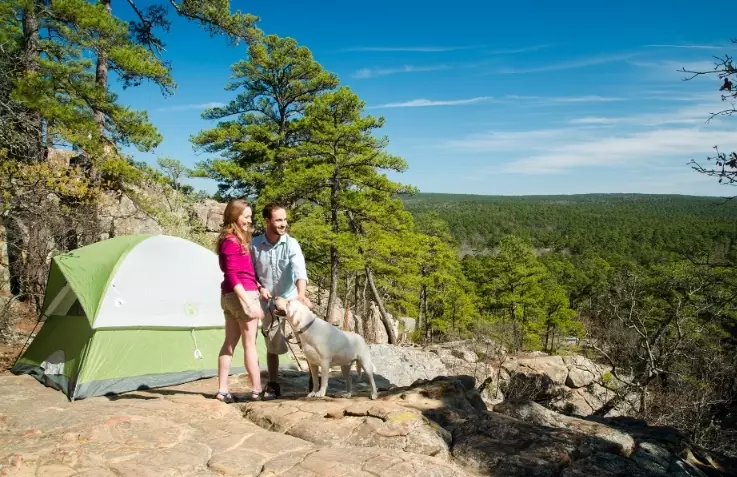
First-Timer Questions Answered
The goal of your first camping trip isn't to prove how tough you are. It's to have a good enough time that you want to go again. By choosing a destination designed for accessibility and comfort, you stack the deck in your favor. Pick one of these five spots, pack your sense of adventure (and that duct tape), and go make some smoke—preferably from a campfire, not from a camping disaster.