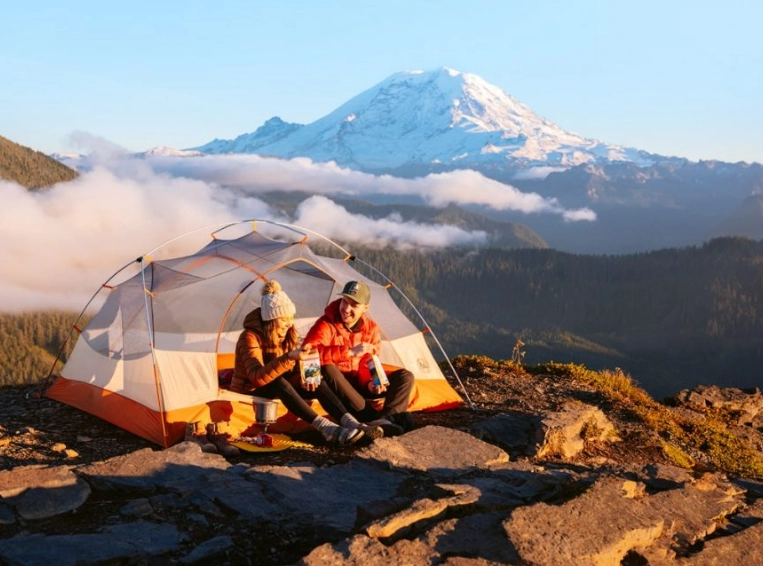
You've seen the photos. Towering granite cliffs in Yosemite, the otherworldly geothermal pools of Yellowstone, the deep blue waters of Crater Lake. Camping in a national park feels like the ultimate American adventure. But between the dream and the reality lies a maze of reservation websites, gear lists, and park rules that can turn excitement into frustration.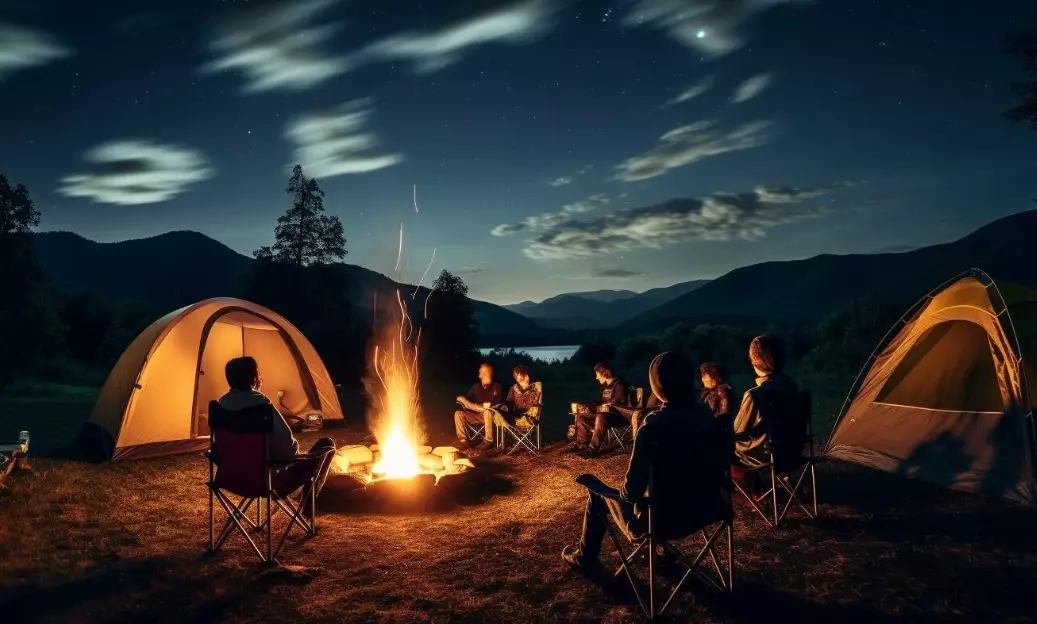
I've spent over a decade figuring this out—through missed reservations, surprise bear encounters (from a safe distance, thankfully), and nights where I forgot the one piece of gear that mattered most. This guide isn't just a list of parks. It's the playbook I wish I had, designed to get you from "I want to go" to sitting by a campfire under a sky full of stars.
Your Quick Camping Parkfinder
Top National Parks for Every Camper Style
Forget generic "best of" lists. The right park depends on what you want. Seeking epic hikes from your tent flap? Need facilities for the kids? Craving total silence? Here’s a breakdown of iconic parks, with the specifics that help you decide.
| Park & Location | Best For | Top Campground Pick | Need-to-Know Details |
|---|---|---|---|
| Yosemite National Park California |
Iconic landscapes, waterfall hikes, climbers. | North Pines (Yosemite Valley). Sites book 5 months out on the 15th of each month at 7:00 AM PST. Insanely competitive. | Valley traffic is brutal. Park your car and use the free shuttles. Pro Tip: Look at Hodgdon Meadow or Crane Flat if Valley is full—they're higher elevation, quieter, and a 30-45 min drive to the action. |
| Great Smoky Mountains NP Tennessee/N. Carolina |
Accessibility, diversity of sites, fall colors. | Elkmont. Historic area, near streams. Some sites are first-come, first-served, but get there early (think Wednesday for a weekend). | The only major national park with no entrance fee. That also means it's the most visited—over 13 million people a year. Spring and fall are less chaotic than summer. |
| Grand Canyon National Park Arizona |
Mind-blowing views, desert experience. | Mather Campground (South Rim). Reservations essential. Desert View Campground is first-come, first-served and a good, quieter backup. | The South Rim is open year-round. The North Rim, with its own campgrounds, is only open mid-May to mid-October. Rim-to-rim camping requires a strenuous hike and a backcountry permit. |
| Zion National Park Utah |
Slot canyons, challenging hikes, rock scenery. | Watchman Campground. Reservations available 6 months in advance. The only in-park option besides South Campground (first-come, first-served). | From March-November, you cannot drive the Zion Canyon Scenic Drive yourself. You must take the park shuttle from Springdale or the Visitor Center. Factor this into your gear haul. |
| Acadia National Park Maine |
Ocean views, coastal hikes, lobster rolls nearby. | Blackwoods Campground. Reservable. Seawall Campground is first-come, first-served and feels more rustic. | This is a patchwork park interspersed with towns. A vehicle reservation is required for the Cadillac Summit Road from May-October. Book that separately on Recreation.gov. |
One park that often gets overlooked but is a personal favorite for a quieter experience is Great Basin National Park in Nevada. You get ancient bristlecone pine forests, the stunning Lehman Caves, and real dark skies. The campgrounds at Wheeler Peak or Lower Lehman Creek rarely fill up, and the silence is profound.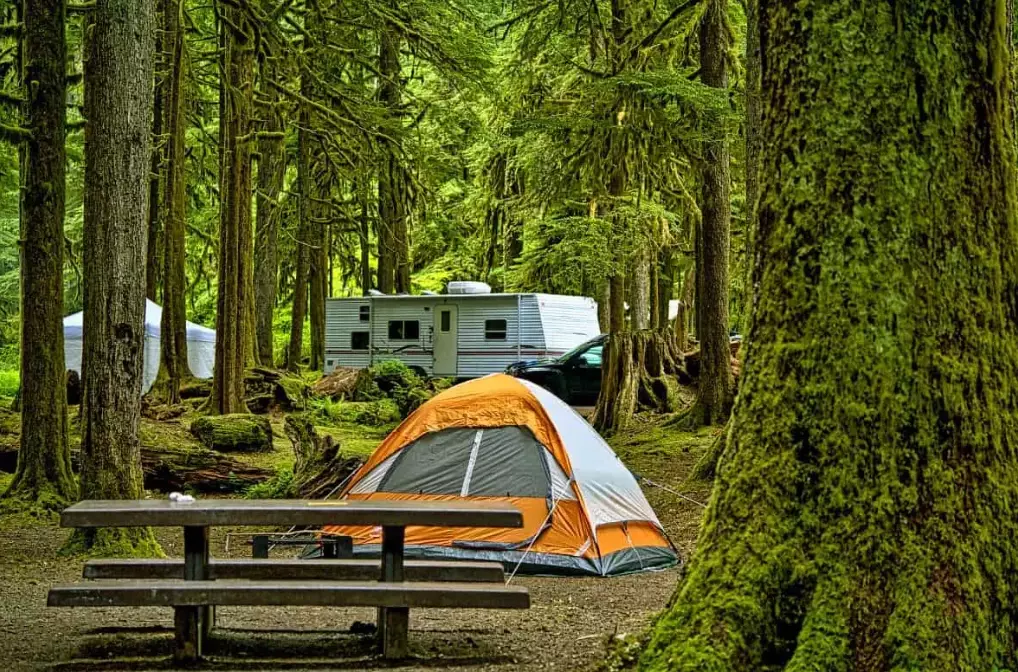
The Real Secret to Booking a Campsite
Here’s the hard truth nobody talks about enough: getting a spot in peak season requires a strategy, not just luck.
The main booking platform for most national park campgrounds is Recreation.gov. It's a government site, and it works, but it has the charm of a DMV website on its busiest day.
The 6-Month Rule is Your Bible: Most parks release sites exactly 6 months in advance, at 7:00 AM Pacific Time. For a July 4th weekend site, you're booking on January 4th at 7:00 AM sharp. Set a calendar alert for the minute booking opens.
I've watched prime Yosemite Valley sites disappear in under 60 seconds. Have your account set up, payment info saved, and be logged in on multiple devices (phone and laptop). Know your exact dates and have 2-3 different campgrounds in mind as backups.
What if you missed the window? All hope isn't lost.
- First-Come, First-Served (FCFS): A gamble. To win, plan to arrive on a Tuesday or Wednesday morning for a weekend stay. Never roll in on a Friday afternoon.
- Cancellation Sniping: People's plans change. Use the "Notify Me" feature on Recreation.gov for your desired campground/dates. Be ready to book the instant you get the email alert, even if it's 2 AM.
- Look Outside the Park: National Forests (USFS) and state parks often border national parks and have great, more available campgrounds. For example, camping near Yellowstone? Look at the Custer Gallatin National Forest. Near the Grand Canyon's South Rim? The Kaibab National Forest has gems like Ten-X Campground.
Gear That Actually Matters (And What to Skip)
You don't need a $500 tent. You do need to stay dry and warm. Focus on a few key items that elevate the experience from survival to enjoyment.
The Non-Negotiable Basics
Tent: Get one rated for one more person than you have (a 3-person tent for 2 people). This gives room for gear. Practice setting it up in your backyard first. I once spent 45 minutes fumbling with poles in a rainstorm at Olympic National Park—not fun.
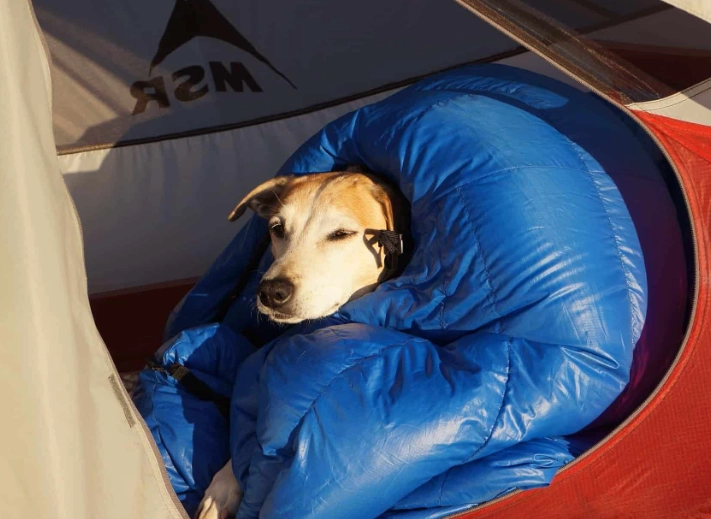
Sleep System: A sleeping bag rated 10-15 degrees colder than the expected low. Night temps in mountain parks like Glacier can plummet, even in summer. A closed-cell foam or inflatable sleeping pad is crucial for insulation and comfort.
Bear Safety: In many parks (Yosemite, Yellowstone, Glacier, Sequoia), a hard-sided bear-resistant food canister is mandatory. You can often rent these at park visitor centers for $5-10. It's not just for bears—it keeps racoons and mice out, too.
The Game-Changers (Often Forgotten)
- Headlamp with Red Light Mode: Frees your hands, preserves your night vision, and is polite to fellow campers.
- Camp Chair: Sitting on a log gets old. A lightweight backpacking chair is worth its weight.
- Large Water Container: That 7-gallon jug with a spigot I mentioned earlier? It eliminates constant trips to the shared water spigot.
- Wide-Brimmed Hat & Sun Shirt: Sun protection is serious business at high elevations.
What can you skip? Leave the giant lantern that lights up the whole forest. Leave the Bluetooth speaker—listen to nature instead. And for the love of all things holy, don't bring firewood from home. It can transport invasive insects. Buy it locally, near your destination.
Unwritten Rules & Sustainable Camping
This is how you camp like a pro and keep the parks pristine for others.
Quiet Hours are Sacred: Usually 10 PM to 6 AM. This means no loud talking, no car doors slamming, no music. Sound carries incredibly far in the quiet of nature.
Leave No Trace (LNT) is Law: Pack out all trash, including food scraps and biodegradable items like orange peels. Stay on designated trails. For washing, carry water 200 feet away from streams or lakes and use biodegradable soap sparingly.
The Fire Pit is Not a Trash Can: Never burn plastic, foil, or food waste. It doesn't burn completely and creates a mess for the next camper. Put the fire dead out with water before bed or leaving—don't just let it smolder.
Respect Wildlife: This means storing all food and scented items (toothpaste, deodorant) in the bear locker or your car. It also means giving animals space. That bison in Yellowstone is not a photo prop; it's a 2,000-pound wild animal that can run three times faster than you.
Your Final Planning Checklist
One week before you go:
- ✅ Confirm all reservations (campsite, park entry timed ticket if required, shuttle tickets).
- ✅ Check the official park website for alerts (road closures, fire bans, weather).
- ✅ Test all gear, especially tent, stove, and lights.
- ✅ Download offline maps (cell service is unreliable).
- ✅ Pack using a list to avoid the "I forgot the can opener" moment.
Answers to Your Burning Questions
 The goal isn't to conquer the park, but to connect with it. With a little planning—the right park, a solid booking, and gear that works—you're not just going camping. You're claiming your spot in a landscape that has inspired generations. Now go get that reservation.