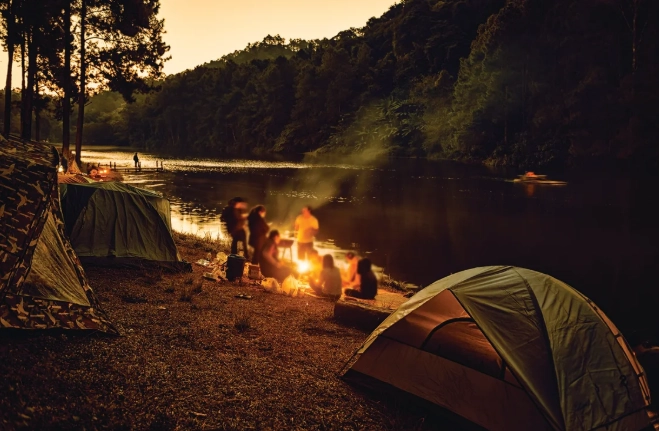
Let's be honest. The idea of camping often comes with a mental image of being covered in dirt, smelling like campfire smoke, and that general "sticky" feeling after a couple of days. It doesn't have to be that way. Camping with showers is the sweet spot that bridges the raw beauty of the outdoors with a basic human comfort we all appreciate: getting clean.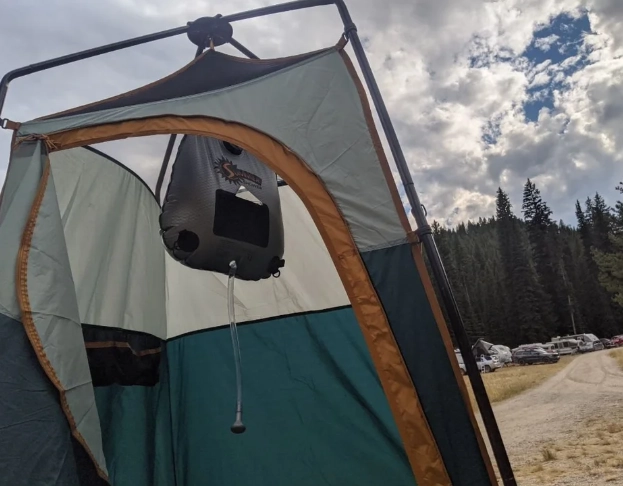
This isn't about luxury glamping (though it can include that). It's about practical, accessible camping where you can hike all day and still rinse off before crawling into your sleeping bag. I've spent over a decade finding these spots, from national parks to state forests, and I've learned that a hot shower can transform a good trip into a great one, especially if you're with family or trying to extend your stay beyond a weekend.
In This Article
- What Does "Camping with Showers" Really Mean?
- Your Step-by-Step Guide to Finding Campgrounds with Showers
- The Unspoken Rules: What to Expect at Campground Showers
- Pro Tips to Master the Camp Shower Experience
- A Real-World Example: Planning a Weekend at a Showers-Included Site
- Your Questions, Answered
What Does "Camping with Showers" Really Mean?
It's not one thing. The quality, cost, and setup vary wildly. Knowing the categories helps set expectations.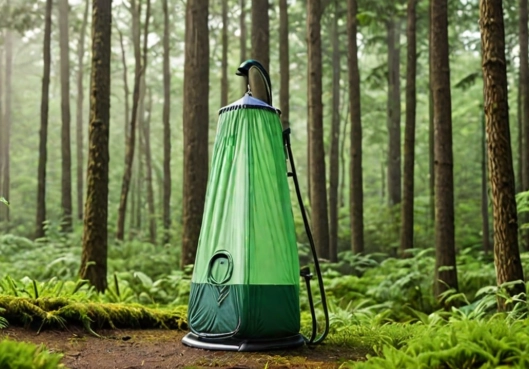
You've got your Full-Service Public Campgrounds. These are often run by state parks or large private operators like KOA. They usually have centralized, permanent shower buildings. The water is reliably hot (or warm), there are changing areas, and they're cleaned regularly. You're paying for this convenience in your nightly site fee.
Then there are National Park and Forest Service Campgrounds. This is where it gets tricky. Some major parks have campgrounds with showers (think Yosemite's Upper Pines, some loops in Yellowstone), but many do not. The showers that do exist are often no-frills, coin-operated, and can be a bit of a walk from your site. Always, always check the specific campground page on the official National Park Service website.
Finally, there's the "Shower Available" Loophole. Some rustic campgrounds won't have showers on-site, but there might be a public shower facility a short drive away, sometimes at a park entrance station, a nearby marina, or a general store. It's less convenient but expands your options.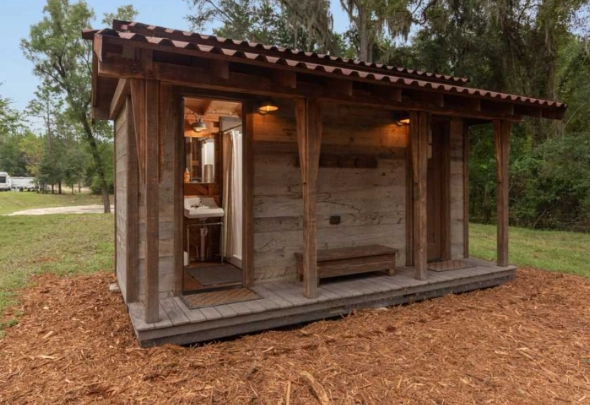
| Campground Type | Shower Likelihood | Typical Cost | Best For |
|---|---|---|---|
| State Park Campground | High | Included in site fee | Families, longer stays |
| Private Campground (KOA, Jellystone) | Very High | Included in site fee | Comfort-first campers, RVers |
| National Park Campground | Variable (check specifics!) | Often coin-op ($1-$2 for 5 mins) | Park enthusiasts willing to compromise |
| US Forest Service / BLM Campground | Very Low | N/A | Purists, dispersed camping |
Your Step-by-Step Guide to Finding Campgrounds with Showers
Searching "camping near me with showers" is a start, but it's inefficient. Here's the method I use every time I plan a trip.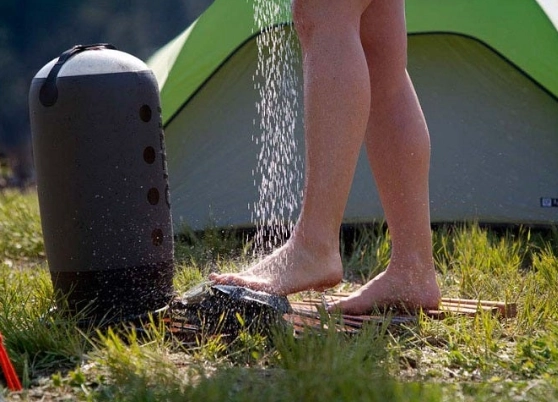
1. Start with the Right Apps and Filters
Forget generic Google searches. Go straight to dedicated platforms.
The Dyrt and Campendium are your best friends. Their advanced filters are gold. Select "Showers" under amenities. But here's the pro move: also filter for "Flush Toilets." Campgrounds that invest in plumbing for flush toilets are far more likely to have proper shower facilities than those with just pit toilets. It's a quick way to separate the truly developed sites from the basic ones.
I still cross-reference with the official managing agency's website (like a state park's .gov site) for the most current info, especially on operating hours or seasonal closures.
2. Decode the Campsite Description
Language matters. "Showers available" usually means a dedicated building. "Shower facilities" is similar. But watch out for vague terms. "Water available" might just mean a drinking water spigot, not a shower. If the description is sparse, that's your cue to dig deeper into the reviews.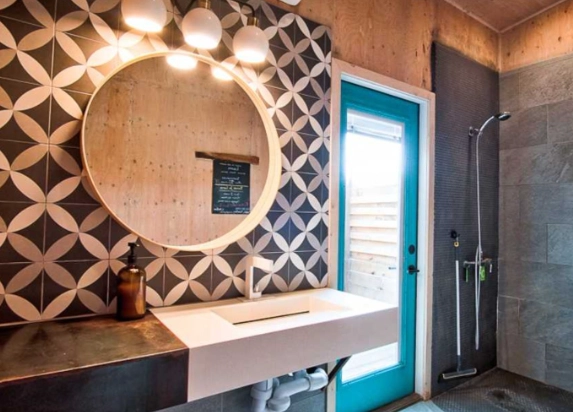
3. Mine the Reviews for the Truth
This is where you get the real story. Don't just look for "has showers." Search review text for:
- "water pressure" (often weak in remote areas)
- "cleanliness" (are they maintained?)
- "coin-operated" or "tokens" (so you bring quarters)
- "distance from sites" (a 10-minute walk in the dark is less fun)
One common complaint I see ignored? Temperature consistency. A review saying "water went from scalding to freezing" tells you the system is poorly regulated, a classic issue in older parks.
The Unspoken Rules: What to Expect at Campground Showers
Okay, you've booked a site. Now, the practicalities. First time can be awkward if you're not prepared.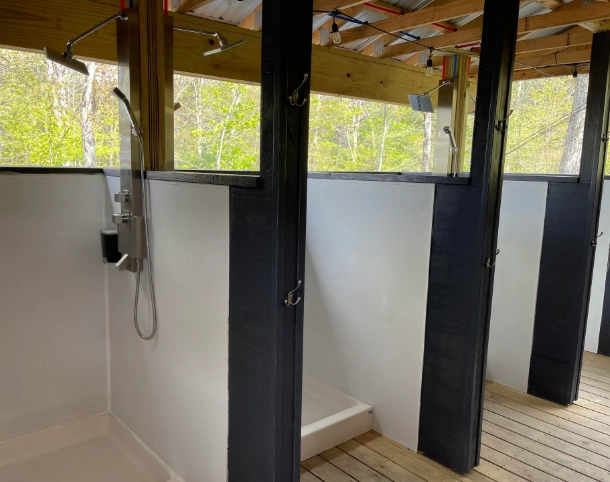
You'll need a shower caddy. A simple plastic bucket or bag to carry your soap, shampoo, towel, and change of clothes. Don't forget flip-flops. Always. The floors are public. A microfibre towel is a game-changer—it dries you fast and packs small.
The etiquette is simple: be quick, be clean. Don't leave your stuff in a stall if you're not using it. Most people follow an unspoken "golden hour" for showers: right after dinner, around 7-8 PM, and again in the morning from 7-9 AM. If you want solitude, try mid-afternoon.
A note on privacy: Many campground showers, especially in state parks, are individual stalls with locking doors. But some older facilities might have a communal open-bay style. Checking photos in reviews is the only way to know for sure. If you're privacy-conscious, this is a crucial step.
Pro Tips to Master the Camp Shower Experience
These are the things you learn after a few trips.
- Bring a headlamp. The lighting in shower buildings is often dim. A hands-free light is invaluable for not dropping your soap in a shadowy corner.
- Prep your quarters. If it's coin-op, have a stash of $5 in quarters ready in your shower caddy. Fumbling with wet hands is no fun.
- Time your shower strategically. The water heater in a busy campground can run out. Showering at off-peak times (early afternoon or late evening) often means hotter, more consistent water.
- Consider a portable camp shower as a backup. Even at a campground with showers, having a simple solar bag or pressurized portable shower in your car is brilliant. You can rinse off sandy feet, cool down at your site, or use it if the main facility is unexpectedly closed for cleaning.
The biggest mistake I see? People treat the shower building like their bathroom at home. It's a shared resource. Leave it cleaner than you found it.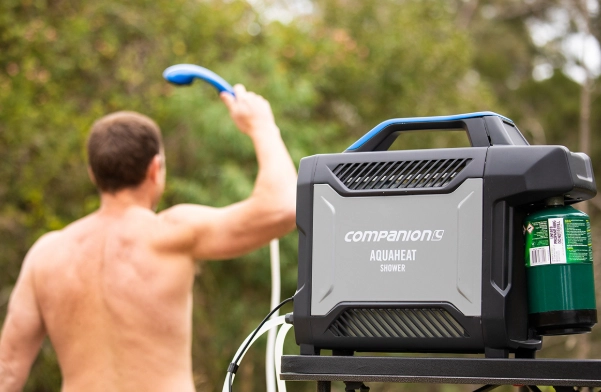
A Real-World Example: Planning a Weekend at a Showers-Included Site
Let's make this concrete. Say you're planning a 3-day camping trip with two friends who are hesitant about "roughing it." You want nature but need the shower amenity to get them on board.
You search The Dyrt for state parks within 2 hours drive, filtering for "Showers" and "Hiking." You find Pinecrest Lakes State Park (a fictional example for illustration). The description says "modern restrooms with hot showers." Reviews mention clean facilities, good water pressure, and that the shower building is centrally located near loops C and D.
Site Details: You book site C-12 for $35/night. The park entry fee is $10 per vehicle. The showers are included. You note the check-in time is 2 PM and check-out is noon.
The Routine: Day one, you arrive, set up camp, hike the 5-mile Lakeview Trail. You're sweaty and dusty. At 5 PM, you grab your caddy (with quarters, just in case), towel, and flip-flops. The walk is 3 minutes. The shower is hot, the stall is clean. You're in and out in 10 minutes. The feeling of being clean while listening to the woods from your campsite? Priceless. It makes cooking dinner and sitting by the fire infinitely more pleasant. This small comfort is what allows you to extend the trip or convince others to join next time.