Quick Guide
- Why Bother with Sustainable Camping Practices?
- The Foundation: Planning Your Trip with the Planet in Mind
- On the Ground: Sustainable Camping Practices at the Campsite
- Breaking Camp: The Art of Leaving No Trace
- Tackling Common Questions and Misconceptions
- Wrapping It Up: It's a Mindset, Not a Checklist
Let's be honest, we all love camping for the escape. The crisp air, the crackle of a fire, the feeling of being miles away from everything. But have you ever packed up your site, looked back, and felt a tiny pang of guilt? Maybe you saw a bit of litter you missed, or thought about all the single-use plastic in your cooler. I know I have.
That feeling is where the idea of sustainable camping practices starts. It's not about being perfect or buying all the latest eco-gear. It's about making smarter choices, one trip at a time, so the places we love stay beautiful for the next person, and the person after that.
This guide isn't a lecture. Think of it as a chat with a fellow camper who's made a few mistakes (like using "biodegradable" soap directly in a stream—more on that later) and learned what actually makes a difference. We'll break down sustainable camping into simple, actionable steps for before you go, while you're there, and after you leave.
Why Bother with Sustainable Camping Practices?
It's easy to think one person doesn't matter. But multiply your actions by the millions of people who head outdoors each year, and the impact is massive. Fragile plant life gets trampled. Animals become dependent on human food (which is terrible for them). Water sources get contaminated. Trash piles up.
Adopting sustainable camping practices is the opposite of that. It's proactive care. It means you're part of the solution, not the problem. The best part? It often leads to a richer, more immersive experience. You notice more, you tread more lightly, and you leave with a deeper connection to the place.
The Foundation: Planning Your Trip with the Planet in Mind
Good sustainable camping starts long before you lace up your boots. What you do at home sets the tone for your entire trip.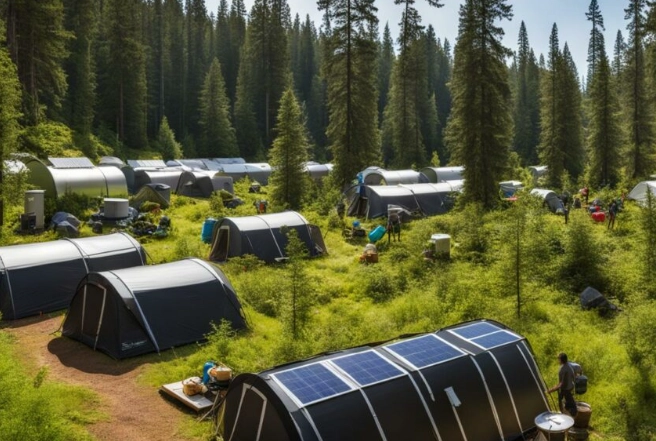
Gear: Buy Once, Buy Well (or Borrow!)
The most sustainable gear is the gear you already own. Before you rush to buy something new, see if you can repair what you have. If you do need something, consider the long game. A cheap tent that lasts two seasons and ends up in a landfill is worse than a slightly more expensive, durable one that lasts a decade.
Look for companies that prioritize recycled materials, ethical manufacturing, and repair programs. Brands like Patagonia and REI (check out their sustainability report) are pushing in this direction. Even better, borrow from a friend or rent gear from an outfitter. It's cheaper and has zero manufacturing footprint for you.
Here's a quick comparison to get you thinking about your kit:
| Item | Traditional Choice | Sustainable Alternative | Key Consideration |
|---|---|---|---|
| Sleeping Pad | Cheap, foam-filled pad | Durable, self-inflating pad or one made with recycled materials | Longevity and repairability. A patch kit is a must. |
| Cookset | Disposable propane canisters, non-stick pans | Refillable fuel canister, titanium or stainless steel pots | Waste generation and chemical leaching. Refillable is king. |
| Water Storage | Plastic water bottles | Reusable hydration bladder or durable water bottles (Nalgene, Klean Kanteen) | Single-use plastic is the arch-nemesis of sustainable camping. |
| Lighting | Disposable batteries for headlamps | USB-rechargeable headlamps and lanterns (charged via solar if possible) |
Food Prep: The Zero-Waste Kitchen
This is a huge one. Plan your meals meticulously to avoid excess. Repackage food from bulky containers into reusable silicone bags or lightweight containers. Ditch the individually wrapped snacks for homemade trail mix in a big bag.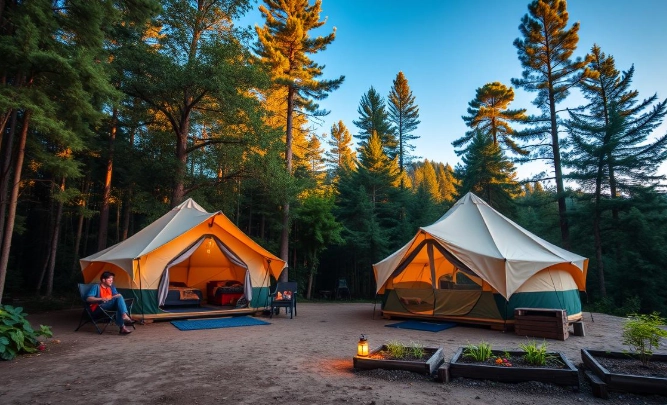
My go-to list for a waste-free camp kitchen:
- Reusable containers: For everything from pasta to spices.
- Beeswax wraps or silicone lids: To cover bowls and plates.
- Reusable cutlery and plates: Bamboo or durable plastic. No paper plates!
- A small, dedicated trash bag: For any unavoidable waste (like cheese wrappers). This makes packing it out easy.
- A collapsible sink or basin: For washing dishes away from water sources.
Know Before You Go
Research your destination. Are there fire restrictions? What are the specific rules for waste? The National Park Service and US Forest Service websites are goldmines for current regulations. This simple step prevents you from accidentally breaking rules designed to protect the area.
On the Ground: Sustainable Camping Practices at the Campsite
This is where the rubber meets the trail. Your daily habits in camp have the most direct impact.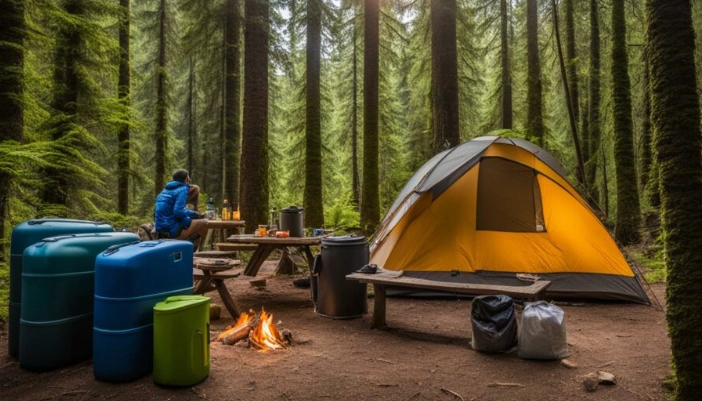
Choosing and Using Your Campsite
Always, always use established campsites when they exist. I know that flat, pristine spot off the trail looks tempting, but setting up there damages vegetation and creates a new impact zone. If you're in a true backcountry area where you must choose a new site, follow these guidelines:
- Camp on durable surfaces: Rock, sand, gravel, or dry grass. Avoid soft, lush vegetation.
- Stay 200 feet from water: This protects riparian areas and gives wildlife access.
- Disperse your impact: Don't create a "kitchen," "tent," and "lounge" area. Keep your activity concentrated.
The Campfire Conundrum
Ah, the campfire. It's iconic, but it's also a major source of impact. First, obey all fire bans—they exist for a reason. If fires are allowed, use an existing fire ring. Don't build a new one.
Keep it small. A huge bonfire is wasteful and dangerous. Only burn wood that's dead and downed. Never cut live branches. And please, for the love of the outdoors, don't burn your trash! Plastic and foil release toxic chemicals. The smell is awful, and you'll be left with a nasty, partially melted mess to pack out anyway.
Honestly? I've started bringing a small, portable propane fire pit on many trips. Zero impact on local wood resources, no risk of spreading, and I can use it even during mild fire restrictions. It's a game-changer for sustainable camping practices focused on fire management.
Water: Treat It Right
Always filter or treat water from natural sources. Giardia is no joke. But how you wash up matters just as much.
Carry water 200 feet away from streams or lakes to wash dishes, brush your teeth, or wash your body. Use a small amount of biodegradable soap (like Dr. Bronner's) sparingly. And here's my painful lesson: "Biodegradable" does NOT mean "safe to pour directly into the water." It still needs soil to break down properly. I learned this after seeing a film of soap in a still pool downstream from where I washed my pot. Yeah, that was a wake-up call.
Strain your dishwater through a fine mesh strainer to catch food particles, pack out the scraps, and scatter the strained water widely.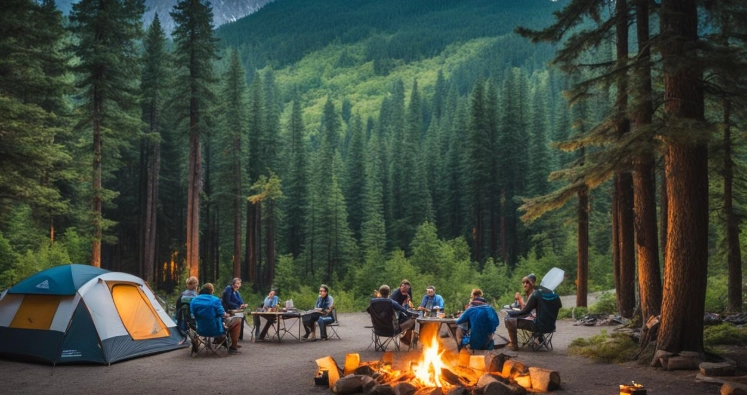
Dealing with Human Waste
It's not glamorous, but it's critical. If there's an outhouse or pit toilet, use it. In the backcountry, you'll need to dig a cathole. The rule is 6-8 inches deep and at least 200 feet from water, trails, and camp. Pack out your toilet paper in a dedicated zip-top bag (a dark-colored one is less visually offensive). WAG bags (Waste Alleviation and Gelling) are becoming the required standard in many fragile alpine and desert environments—they're not as bad as they sound and are the ultimate in low-impact practice.
Wildlife: Look, Don't Feed
Store all food, trash, and scented items (toothpaste, sunscreen) in a bear-resistant container or hang it properly. This isn't just for bears; raccoons, mice, and birds will get into your stuff. Feeding wildlife, even accidentally, teaches them to associate people with food, which almost always ends badly for the animal.
Breaking Camp: The Art of Leaving No Trace
How you leave is the ultimate test of your sustainable camping practices. The goal is to make it look like you were never there.
Pack Out EVERYTHING You Packed In. This is the cardinal rule. All trash, all food scraps, all those little bits of foil and plastic. Do a thorough "police sweep" of your site, checking under rocks and in the fire ring (after the ashes are cold).
Dismantle What You Built. If you scattered rocks for a fire ring (in an area where it was allowed), scatter them back. If you moved logs for seating, put them back.
Restore the Natural Look. Fluff up matted grass with your foot. Scatter some leaves or pine needles over the spot where your tent was.
The Leave No Trace Center for Outdoor Ethics is the definitive source here. Their seven principles are the bible for sustainable outdoor recreation. Let's apply them directly to camping: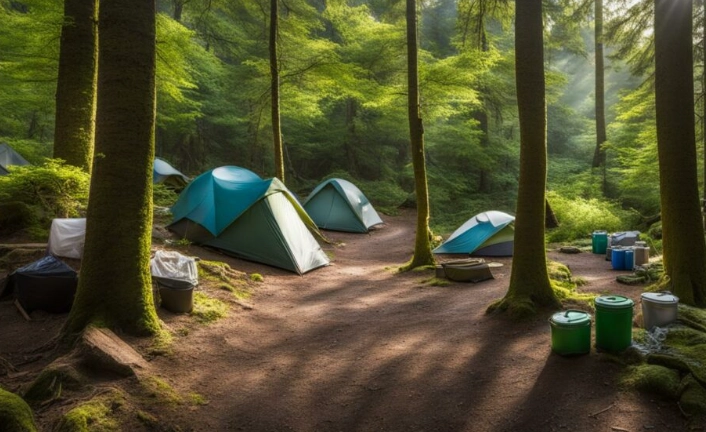
The core idea of Leave No Trace is to enjoy the wild places we love while preserving their natural and cultural conditions for future visitors. It's about making a conscious decision to minimize your mark.
- Plan Ahead and Prepare: We covered this with research and meal planning.
- Travel and Camp on Durable Surfaces: Stick to trails and established sites.
- Dispose of Waste Properly: Pack it in, pack it out. All of it.
- Leave What You Find: Don't pick flowers, carve trees, or take rocks. Photos and memories are your souvenirs.
- Minimize Campfire Impacts: Use a stove, or keep fires small and managed.
- Respect Wildlife: Observe from a distance, store food securely.
- Be Considerate of Other Visitors: Keep noise down, yield on trails, let the sounds of nature prevail.
Tackling Common Questions and Misconceptions
Let's clear up some frequent points of confusion. You might be wondering...
It can have a higher upfront cost if you're buying high-quality, durable gear. But in the long run, it saves money because that gear lasts. The most impactful practices—packing out trash, using established sites, keeping fires small—cost nothing. Borrowing and renting gear also keeps costs down. It's an investment in both your future trips and the environment.
Improper food storage and leaving trash behind are tied for first. Both are easily avoidable with a little planning and discipline. Bringing too much single-use plastic is a close third.
Absolutely! In fact, many find it more comfortable. You're more organized, your site is cleaner, and you're not worrying about attracting animals with food smells. A comfortable camp chair, a good sleeping pad, and a warm sleeping bag aren't unsustainable—just choose durable versions.
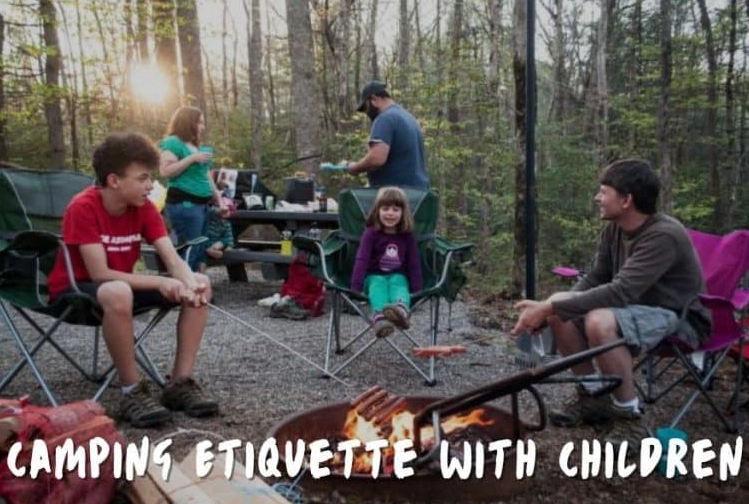
Make it a game! Get them involved in the "police sweep" to find every last bit of trash. Teach them about wildlife from a distance. Use reusable snack containers for them. It's a fantastic way to instill lifelong respect for nature.
This is where sticking to durable surfaces is crucial. Muddy trails and sites are incredibly susceptible to erosion. If a trail is a complete mud pit, it's better to walk through the mud (in waterproof boots) than to go around and widen the impact. In camp, try to keep activity on rock or already-impacted ground.
Wrapping It Up: It's a Mindset, Not a Checklist
Look, adopting sustainable camping practices isn't about achieving some eco-saint status. You'll forget your reusable bag sometimes. You might accidentally pack a plastic-wrapped snack. That's okay. The goal is progress, not perfection.
It starts with a shift in thinking. From "What's easiest for me right now?" to "How can I leave this place as good as I found it?" That simple question guides every decision, from the gear you buy to the last glance you take at your campsite.
The wilderness feels endless, but the impacts of millions of visitors are real. By choosing to camp sustainably, you're voting with your actions for a future where those quiet forests, clear lakes, and rugged peaks remain full of life and wonder, not litter and scars.
So next time you plan a trip, weave these ideas into your routine. Start with one thing—maybe committing to packing out all your trash, or finally buying that reusable water filter. It gets easier every time. And the feeling you get when you hike away from a spot that's just as beautiful as when you arrived? That's the best souvenir of all.