You've got the car, maybe a tent, and a weekend free. The open road and a starry night are calling. But where do you go? The idea of car camping—using your vehicle as a base for adventure—is simple. The execution, finding that perfect spot that balances scenery, accessibility, and a good night's sleep, can feel overwhelming. I've spent over a decade chasing those perfect campsites, from crowded national park lots to hidden forest service gems most people drive right past. This guide cuts through the noise. We'll look at specific, stellar car camping destinations, the gear that actually matters, and the little mistakes that can turn a dream trip into a frustrating one.
Your Roadmap to Car Camping Success
What is Car Camping, Really?
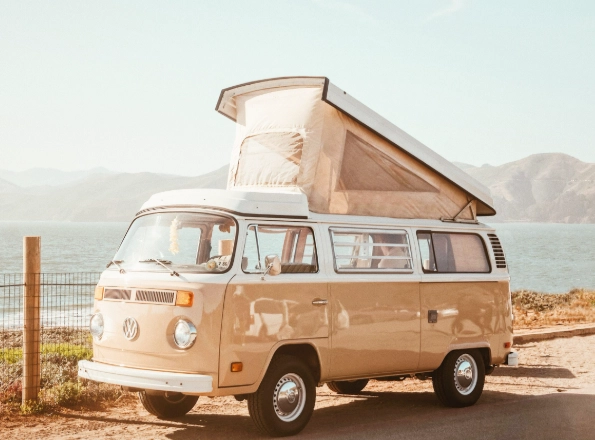
Let's clear this up first. Car camping isn't just "camping you drive to." Backpacking you drive to a trailhead, then hike in. RV camping you bring a house on wheels. True car camping sits in the sweet spot in between. Your car is your gear hauler, your kitchen, your locker, and sometimes your shelter. You park at a designated site (or a legal dispersed spot), and your campsite radius is within a few feet of your bumper. This means you can bring comforts—a bigger cooler, comfy chairs, a thick air mattress—that other forms of camping rule out. The goal is immersion in nature without sacrificing all creature comforts. It's the gateway drug to the outdoors for a reason.
Top Car Camping Destinations Across the US
Picking just a few is tough, but these three represent different landscapes and vibes. I'm giving you specifics—not just a name, but the *where, when, and how much*.
1. Joshua Tree National Park, California
Otherworldly doesn't begin to cover it. Jumbo rock formations, twisted Joshua trees, and skies so dark the Milky Way looks photoshopped. It's a car camper's playground.
- Address & Access: The park has two main entrances: North (near Twentynine Palms, CA) and South (near Joshua Tree, CA). I-10 is your main artery.
- Best Time to Go: October to April. Summer is brutally hot. Seriously, avoid it.
- Top Car Campgrounds: Jumbo Rocks Campground is the iconic choice. Sites are nestled among massive boulders. No hookups. First-come, first-served, which means you need to arrive early (think before 9 AM) on weekends. Black Rock Canyon has some reservable sites and flush toilets. Indian Cove is great for its secluded feel.
- Cost & Booking: $20 per night standard. Some sites are $25. Reservations for specific campgrounds open 6 months in advance on Recreation.gov and sell out fast for spring weekends. Have a backup plan.
- The Local's Tip: The secret isn't in the park. Just outside the North Entrance, on Bureau of Land Management (BLM) land, you'll find free, legal dispersed camping. It's dirt roads and no facilities, but you get the same stars and solitude. Bring all your water and pack out all waste.
Rookie Mistake I See All the Time: People focus solely on the famous Jumbo Rocks and show up at noon on a Saturday expecting a site. They end up driving back to town, defeated. Either book months ahead, aim for a weekday, or have that BLM backup plan ready.
2. Finger Lakes Region, New York
Think rolling green hills, deep blue lakes, and waterfalls around every corner. It's lush, it's serene, and the wine and craft beer scene is a fantastic post-hike reward.
- Address & Access: The region is south of Rochester and Syracuse, centered around I-390 and Route 14. Ithaca is a great hub.
- Best Time to Go: Late May through October. Fall foliage here is spectacular.
- Top Car Campgrounds: Watkins Glen State Park has a campground at the base of its famous gorge. You can walk to the trail from your site. Buttermilk Falls State Park near Ithaca is another stunning option. For a more rustic, lakefront feel, try the New York State Department of Environmental Conservation (DEC) campsites like those at Taughannock Falls State Park.
- Cost & Booking: State park sites range from $18-$30 per night. Reservations are highly recommended and can be made on ReserveAmerica.
- The Local's Tip: Don't just stare at the big lakes. Explore the smaller ones like Waneta and Lamoka. The DEC maintains primitive car-access sites there that are cheaper and often quieter. You'll need to be more self-sufficient, but the peace is worth it.
3. North Georgia Mountains
A Southern gem with misty mountains, rushing rivers, and a surprisingly wild feel just a couple hours from Atlanta.
- Address & Access: Focus on areas around Dahlonega, Ellijay, and near the start of the Appalachian Trail at Springer Mountain. US-19 and GA-52 are key roads.
- Best Time to Go: Spring for wildflowers, fall for color. Summers are warm but shaded, winters can be cold and icy.
- Top Car Campgrounds: Vogel State Park is a classic, with a lake and trails right from the campground. Unicoi State Park near Helen is another great family-friendly option. For something more rugged, the US Forest Service's Lake Winfield Scott Campground feels higher and more remote.
- Cost & Booking: State parks run $30-$38 per night. Reserve on Georgia State Parks' site. Forest Service sites are often first-come, first-served and cheaper ($15-$20).
- The Local's Tip: The Chattahoochee-Oconee National Forest is dotted with free, dispersed car camping spots along forest service roads (like FS-28 near Three Forks). You need a free permit from a local ranger station, which is easy to get. Cell service is nil, so download maps.
How to Choose the Right Car Camping Destination for You
It's not just about picking the prettiest photo. Ask yourself:
- Who's going? With kids? Look for campgrounds with flush toilets and activities. Solo or couple seeking quiet? Primitive or dispersed sites are your friend.
- What's your comfort level? Need a real bathroom? That rules out most BLM land. Okay with a pit toilet? Your options explode.
- What do you want to DO? Just chill at camp? A scenic, spacious site is key. Plan to hike all day? Proximity to trailheads matters more than a perfect fire ring.
My process: I decide on a general region, then use a mix of Recreation.gov for federal land and state park websites. Then I cross-reference with apps like The Dyrt or iOverlander for recent user photos and reviews of specific sites. A photo from last week tells you more than an official park description from 2019.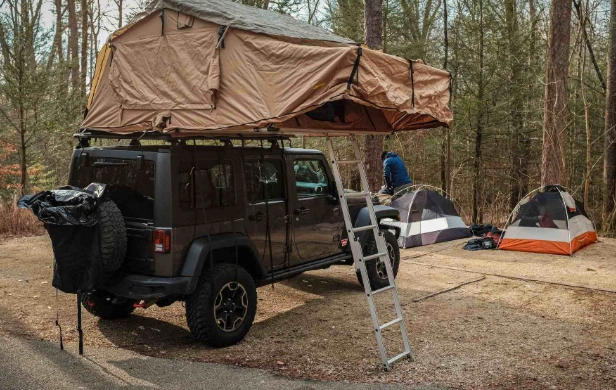
The No-BS Car Camping Gear List
Forget the 50-item lists. Here's what you actually need, broken into categories. I've seen people bring three coolers and forget a can opener.
| Category | Essential Items | Pro Upgrade (Worth It) |
|---|---|---|
| Shelter & Sleep | Tent (size up!), sleeping bag, sleeping pad. | A high-quality self-inflating pad (like a Therm-a-Rest). Sleep is everything. |
| Kitchen & Food | Camp stove, fuel, lighter, pot, spatula, plates/cups, cooler, water jug, biodegradable soap. | A 2-burner stove for real cooking. A 5-gallon water jug with a spigot. |
| Comfort & Tools | Camp chairs, headlamp, multi-tool, first-aid kit, duct tape, extra tarp/rope. | A solar shower bag. A small, battery-powered fan for summer tents. |
| Clothing | Layers! No cotton. Wool/synthetic base, insulating mid-layer, waterproof shell. | Dedicated camp shoes (like Crocs or sandals). |
The One Thing Everyone Forgets: A small broom and dustpan for the tent. Tracking in dirt and pine needles is inevitable, and this makes cleanup—and keeping your sleeping area clean—so much easier.
Expert Tips from a Decade on the Road
Here's the stuff you learn the hard way.
- Arrive Before Dark. This is rule #1. Setting up a tent, finding the bear box, and figuring out your site in the dark is miserable and unsafe. Aim to pull in with at least 90 minutes of daylight left.
- Your Cooler is a Science Project. Pre-chill it for 24 hours. Use block ice, not cubes—it lasts 3-4 times longer. Organize it like a pantry: drinks on bottom (you'll grab them most), food on top. Drain the water every other day.
- Practice at Home. Set up your new tent in the backyard. Fire up the stove. You don't want the first time to be in the wind as the sun sets.
- Leave the Bluetooth Speaker at Home. Seriously. Nature's soundtrack is better. If you must, use headphones. Your campsite neighbors will thank you.
- Plan for Rain. Have a "rainy day kit": a book, cards, a downloaded movie. And always pack your rain jacket, even if the forecast is clear.
Your Car Camping Questions, Answered