What You'll Find in This Guide
I remember a camping trip in the Rockies last year where my phone died on the first night. No GPS, no emergency contacts, and I had to rely on a paper map I barely knew how to read. That's when I realized camping power isn't just about convenience—it's about safety and peace of mind. If you're heading outdoors, you need a reliable way to keep your gadgets alive. This guide dives deep into camping power sources, cutting through the marketing hype to give you practical advice. We'll cover everything from portable power stations to solar generators, with specific recommendations and pitfalls to watch for.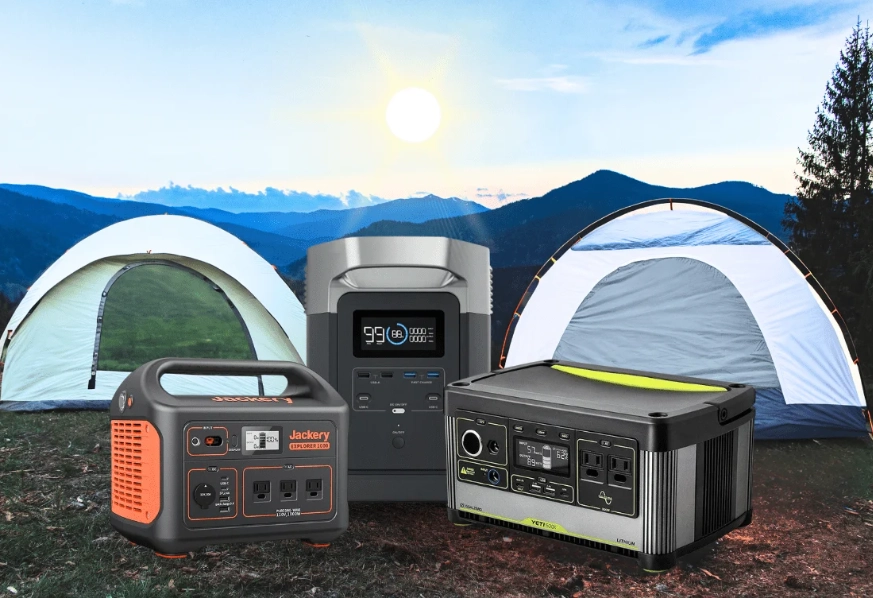
Why Camping Power Sources Matter More Than You Think
Think camping power is only for charging phones? It's way bigger than that. Modern camping involves devices like LED lights, portable fridges, cameras, and even medical equipment. A power outage in the wild can turn a fun trip into a stressful situation. I've seen campers struggle with dead batteries for their CPAP machines, which is downright dangerous. According to a report by the National Park Service on outdoor safety, having a reliable power source can prevent emergencies related to communication and navigation failures. It's not just luxury; it's a smart backup plan.
Let's break it down. You might need power for:
- Essential communication: Phones, radios, GPS devices.
- Lighting: LED lanterns or string lights for nighttime.
- Food storage: Portable coolers or fridges to keep perishables fresh.
- Entertainment: Speakers, e-readers, or drones for photography.
Without power, these items become useless. I once met a family who relied on a cheap power bank for their weekend camp—it died after charging two phones, leaving them in the dark. Don't make that mistake.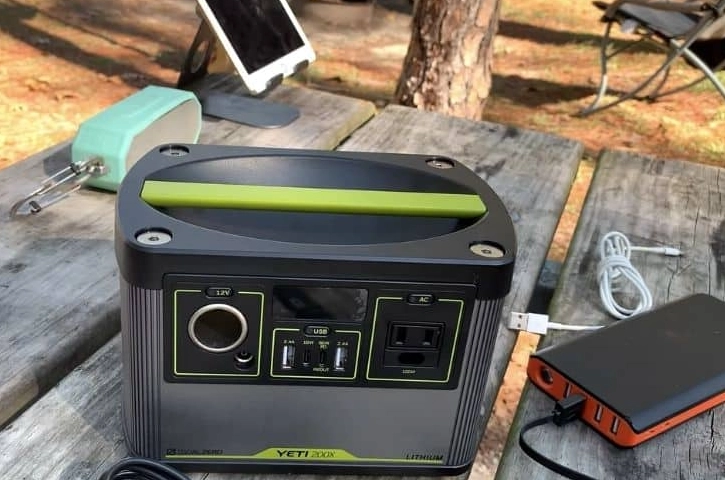
Types of Camping Power Sources: From Battery Packs to Solar Generators
There are three main types of camping power sources, each with pros and cons. I'll give you the straight talk, based on my own testing and feedback from fellow campers.
Portable Power Stations: The All-in-One Solution
Portable power stations are like giant power banks with multiple outlets. They're rechargeable, quiet, and often include AC, DC, and USB ports. Brands like Jackery, Goal Zero, and EcoFlow dominate this space. I've used the Jackery Explorer 500 for over a year—it's reliable, but heavy at around 13 pounds. For a weekend trip, it's perfect, but for backpacking, it's a burden.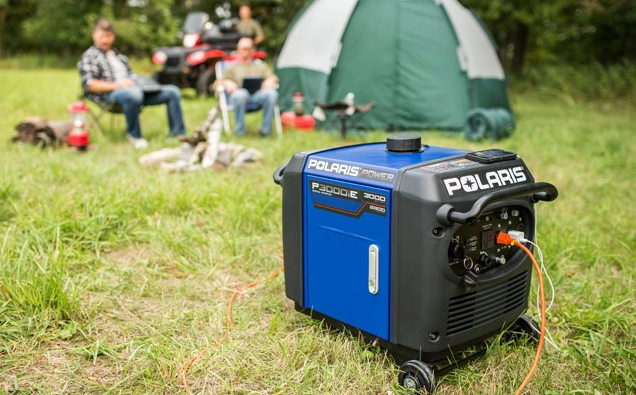
Here's a quick comparison of popular models:
| Model | Capacity (Wh) | Weight (lbs) | Estimated Price | Best For |
|---|---|---|---|---|
| Jackery Explorer 300 | 293Wh | 7.1 | $300 | Short trips, charging phones and small devices |
| EcoFlow River 600 | 576Wh | 11 | $500 | Weekend camping with lights and a mini-fridge |
| Goal Zero Yeti 500X | 505Wh | 12.9 | $600 | Off-grid power for multiple devices |
Capacity in watt-hours (Wh) tells you how much energy it stores. A 300Wh unit can charge a smartphone about 20 times. But here's a nuance: some brands overstate capacity due to inefficiencies. I found the EcoFlow models tend to deliver closer to their rated Wh than others, which matters when you're counting on every bit of juice.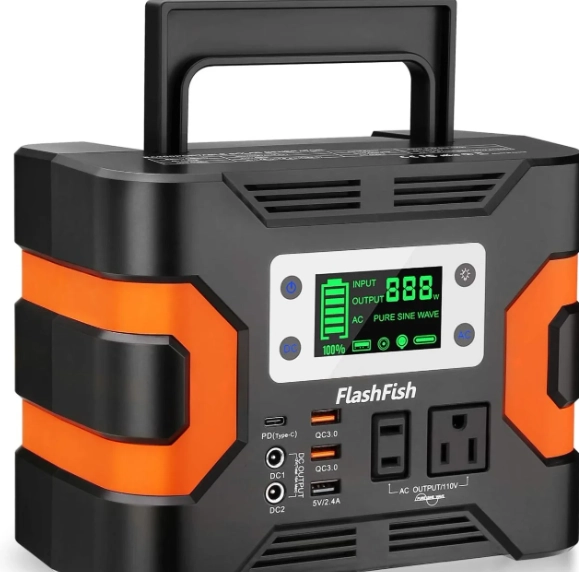
Solar Generators: Harness the Sun
Solar generators combine a portable power station with solar panels. They're ideal for long trips or sunny locations. I love the concept, but they have limitations. On a cloudy day in the Pacific Northwest, my solar setup generated only 30% of its usual output. If you're camping in areas with consistent sun, like Arizona, they're fantastic. Brands like Bluetti and Renogy offer good options.
A key detail: pay attention to solar panel wattage. A 100W panel might take 8 hours to fully charge a 500Wh power station in ideal conditions. In reality, it's often slower. I recommend getting panels with at least 150W for faster charging.
Battery Packs and Power Banks: The Lightweight Option
For ultralight campers, battery packs are the go-to. They're small, cheap, and great for charging phones or headlamps. Anker and RAVPower make reliable ones. But they're limited—most offer under 50Wh, so they won't run a fridge or a projector. I keep a 20,000mAh Anker pack in my bag as a backup, but it's not my primary power source.
One thing nobody talks about: battery degradation. After 200 charge cycles, many power banks lose 20% of their capacity. If you camp frequently, invest in higher-quality lithium-ion or LiFePO4 batteries, which last longer.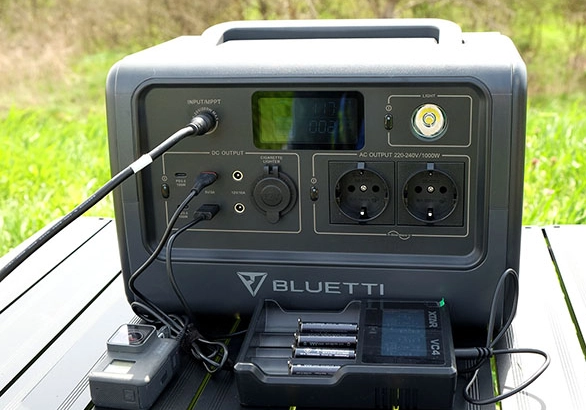
How to Choose the Right Camping Power Source for Your Trip
Choosing isn't about buying the most expensive option. It's about matching your needs. Let's walk through a decision process.
Start by listing your devices and their power consumption. For example:
- Smartphone: 10Wh per full charge
- LED lantern: 5Wh per night
- Portable fridge: 30Wh per day
Add it up for your trip duration. A 3-day trip with two phones, a lantern, and a fridge might need around 150Wh. Then add a 20% buffer for inefficiencies—so aim for at least 180Wh capacity.
Next, consider weight and portability. If you're car camping, weight isn't a big issue. But for backpacking, every pound counts. I made the mistake of bringing a 15-pound power station on a hike—it ruined my back. Now I use a combo: a small power bank for essentials and a solar charger for longer stays.
Budget is another factor. Portable power stations range from $200 to over $1000. Solar generators add another $200-$500 for panels. My advice: don't cheap out. A $150 off-brand unit might fail when you need it most. Stick to reputable brands with good warranties.
Here's a scenario: You're planning a week-long camping trip in Colorado with your family. You'll need power for phones, a camera, a small fridge, and LED lights. Estimated daily consumption: 100Wh. Over 7 days, that's 700Wh. A portable power station like the EcoFlow River 600 (576Wh) could work if recharged mid-trip via a car outlet or solar panel. Pair it with a 200W solar panel for daytime charging. Total cost: around $800. It's an investment, but it ensures comfort and safety.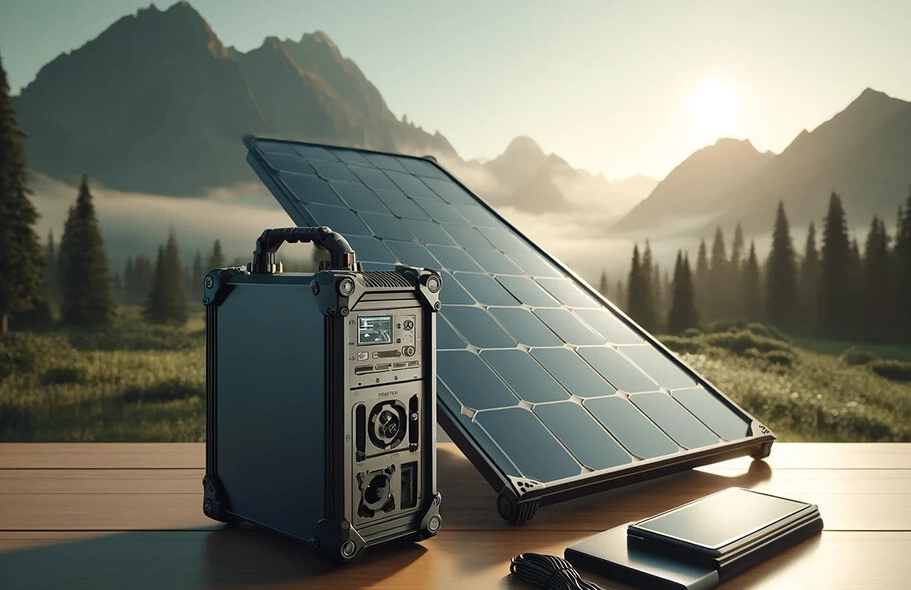
Common Mistakes with Camping Power and How to Avoid Them
I've seen campers, including myself, mess up with power sources. Here are the top blunders and how to dodge them.
Mistake 1: Underestimating Power Needs. People buy a 100Wh unit thinking it'll last a weekend, then run out of juice on day one. Calculate your needs precisely, and add extra for unexpected usage. I now double my estimates after a trip where my camera battery drained faster than expected.
Mistake 2: Ignoring Recharge Time. A power station might take 8 hours to recharge via a wall outlet. If you're moving campsites daily, that's a problem. Opt for models with fast charging, like the EcoFlow River series that can charge in under 2 hours with AC power. Solar recharging is slower, so plan accordingly.
Mistake 3: Overlooking Weather Conditions. Solar panels don't work well in rain or heavy shade. Batteries can lose efficiency in cold temperatures. On a winter camp in Yellowstone, my power station's capacity dropped by 30% because of the cold. Store batteries in your sleeping bag at night to keep them warm.
Mistake 4: Skipping Maintenance. Lithium batteries need care. Don't leave them fully discharged for months—it damages the cells. I recharge my power station to 50% if I'm not using it for a while. Also, clean solar panel surfaces regularly; dust can cut output by half.
Mistake 5: Relying on a Single Source. Always have a backup. I carry a small power bank even with a large power station. Once, my main unit malfunctioned, and that backup saved the day.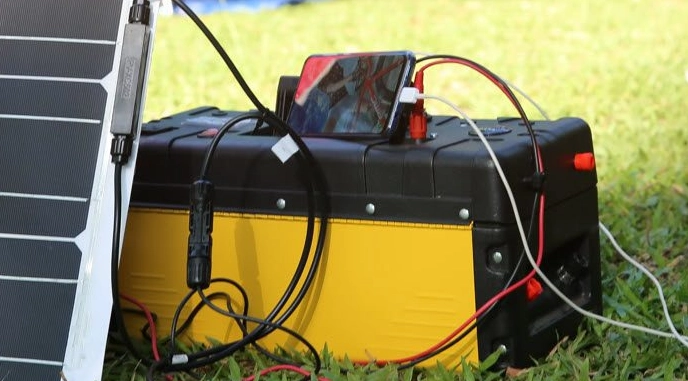
Camping Power Sources FAQ: Answering Your Tough Questions
Wrapping up, camping power sources are a game-changer for outdoor adventures. They bridge the gap between roughing it and staying connected. From my experience, investing in a reliable portable power station or solar generator pays off in comfort and safety. Remember to tailor your choice to your specific needs, avoid common pitfalls, and always have a backup plan. For more on outdoor safety, check resources from the National Park Service or the U.S. Department of Energy on battery handling. Happy camping, and stay powered!