Your Quick Guide
Let's be honest. When you think of a student's life, you probably picture libraries, laptops, late-night coffee runs, and maybe a crowded dorm room. Camping? That feels like something from a different universe. It's muddy, it's buggy, you might forget the can opener (I've done that), and let's not even talk about trying to find a flat spot for your tent. But what if I told you that trading your desk for a sleeping bag under the stars might be one of the most impactful things you can do for your academic life and beyond?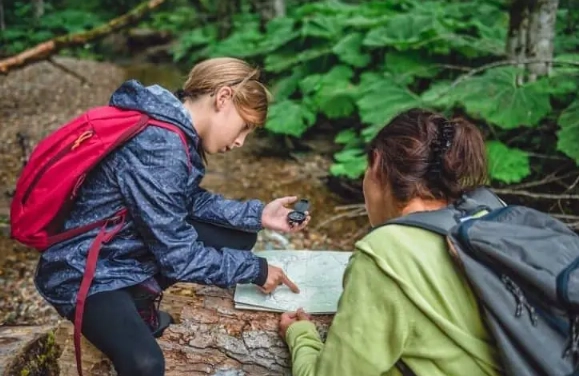
I'm not just talking about a fun weekend away. I'm talking about real, tangible benefits of camping for students that address some of the biggest challenges you face right now. The pressure, the screen fatigue, the feeling of being constantly "on," the struggle to connect with people beyond a superficial level. Camping, in its wonderfully inconvenient way, tackles these head-on.
So, if you've ever scrolled past pictures of a campfire and felt a tiny pang of curiosity, or if the idea of "benefits of camping for students" seems too good to be true, stick with me. This isn't a glossy brochure. We're going to dig into the real dirt—the good, the challenging, and the genuinely transformative stuff.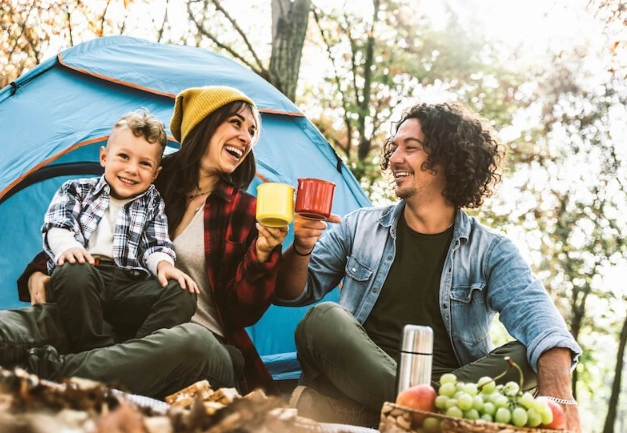
Why Every Student Needs a Camping Trip (Seriously)
Okay, before we list the benefits, let's address the elephant in the room. You're busy. You're broke. The idea of planning a trip feels like adding another final exam to your schedule. I get it. My first camping trip in college was a disaster. We got lost, it rained, and we survived on peanut butter sandwiches for two days because we didn't plan meals. It was miserable, and yet... we still talk about it years later. That's the weird magic of it.
The core idea here is disconnection to reconnect. You disconnect from the digital noise, the constant notifications, the pressure to perform. In that quiet space—sometimes an uncomfortable quiet—you reconnect with things that get muffled during the semester: your own thoughts, the people you're with, and the simple rhythm of a day not dictated by class bells.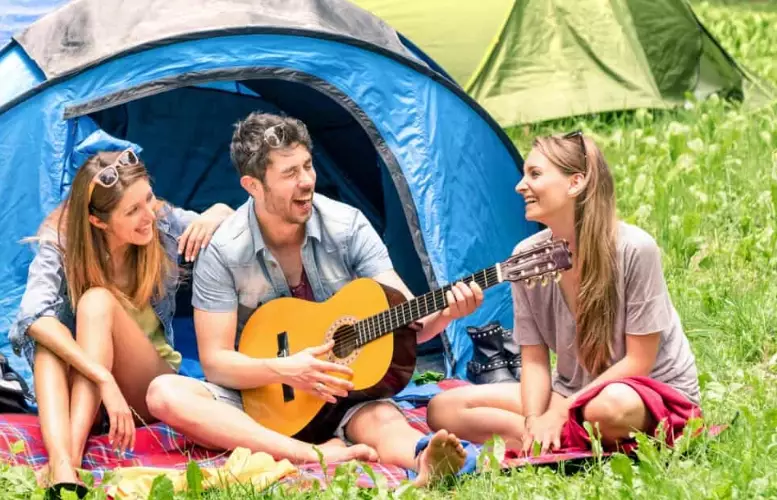
This isn't just poetic fluff. The American Psychological Association consistently points to nature exposure as a critical factor in mental restoration. For a student brain fried by information overload, this is less of a luxury and more of a necessary reset.
Beyond the Fire: The Tangible Benefits of Camping for Students
Let's break down these benefits of camping for students into categories. It's more than just "fresh air." It's a full-spectrum upgrade for your student life.
Mental Health & Stress Relief
This is the big one. Academic stress is a real, documented beast. Camping fights it with a one-two punch.
First, there's the sheer change of environment. Green spaces, blue spaces (like water), and natural landscapes have a proven calming effect on our nervous systems. The constant, low-grade stress of deadlines and exams literally begins to melt away. You swap cortisol (the stress hormone) for the sound of wind in the trees.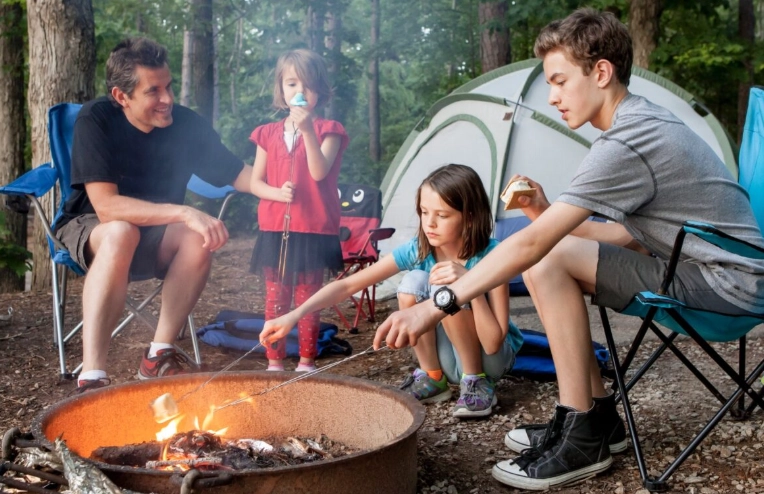
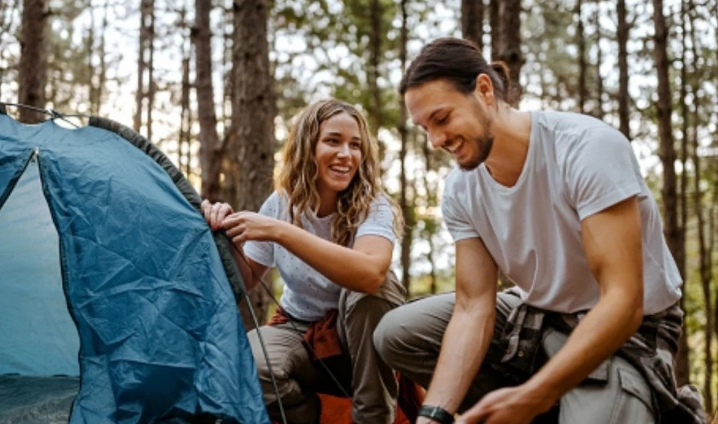
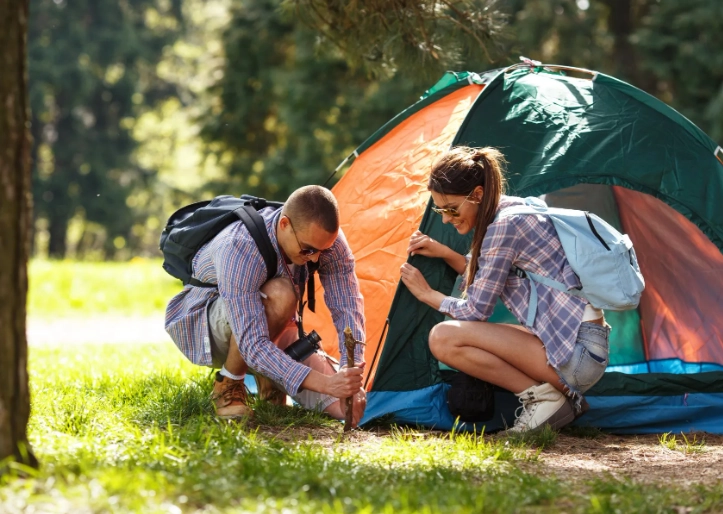
Second, camping forces mindfulness without you even trying. When you're setting up a tent, you're focused on poles and stakes. When you're cooking on a camp stove, you're focused on not burning your dinner. Your mind is pulled into the present moment, which is the essence of mindfulness practice. It's a break from ruminating about that grade or worrying about the future.
Physical Health & Outdoor Activity
This isn't about hitting the gym. It's about natural, integrated movement. Hiking to a viewpoint, gathering firewood, paddling a canoe—these are functional exercises that engage your whole body differently than a treadmill. The Centers for Disease Control and Prevention (CDC) recommends physical activity for overall health, and camping makes it an adventure, not a chore.
Then there's sleep. Sleeping in a tent resets your circadian rhythm. The absence of blue light from screens, aligned with the natural cycle of sunset and sunrise, can lead to deeper, more restorative sleep. You might wake up with the sun feeling more refreshed than after 10 hours of fitful dorm sleep.
Building Real-World Skills & Resilience
Forget theoretical problem-solving. Camping is problem-solving in real-time. The weather changes. You can't get the fire started. You have to manage your food and water resources. These challenges build a type of resilience and adaptability that lecture halls can't teach.
You also learn practical skills: basic navigation, knot-tying, fire safety, and minimalistic living. These skills foster self-reliance and confidence. There's a unique pride in knowing you can handle yourself in a non-digital environment.
Social Bonds & Unplugged Connection
How well do you really know your friends or classmates when every conversation is punctuated by phone checks? Camping strips that away. You talk. You play cards. You sit in silence together. You share the minor triumphs and failures of camp life.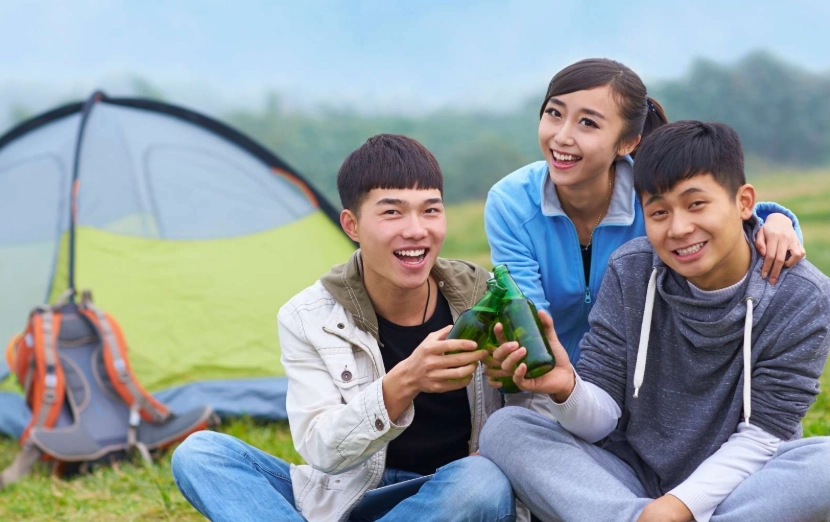
These shared, unmediated experiences create deeper bonds faster than months of hanging out in common areas. You're building a tiny, temporary community, and that sense of belonging is a powerful antidote to the isolation that can creep into student life.
Spark for Creativity & Perspective
Staring at a blank page for an essay? Stuck on a project? A change of scenery can jolt your brain out of its ruts. The natural world is the ultimate source of inspiration—for art, for writing, for scientific curiosity. Many great ideas are born not at a desk, but during a walk.
More importantly, camping offers perspective. The scale of a mountain or the vastness of a night sky has a funny way of making that upcoming midterm feel a bit more manageable. It reminds you that there's a world beyond campus, which can be incredibly grounding.
See? The benefits of camping for students aren't vague. They're concrete, addressing stress, health, skills, relationships, and even academic performance indirectly.
Planning Your First Student Camping Trip: A Realistic Guide
All these benefits sound great, but how do you actually make it happen without it being a stressful, expensive nightmare? Let's be practical.
Start Simple & Close to Home
Your first trip does NOT need to be a week in the remote wilderness. That's a recipe for overwhelm. Start with a single overnight at a developed campground in a state or county park. These often have amenities like bathrooms, picnic tables, and designated fire pits, which massively lowers the barrier to entry. Websites like Recreation.gov or your state's park website are goldmines for finding and reserving spots.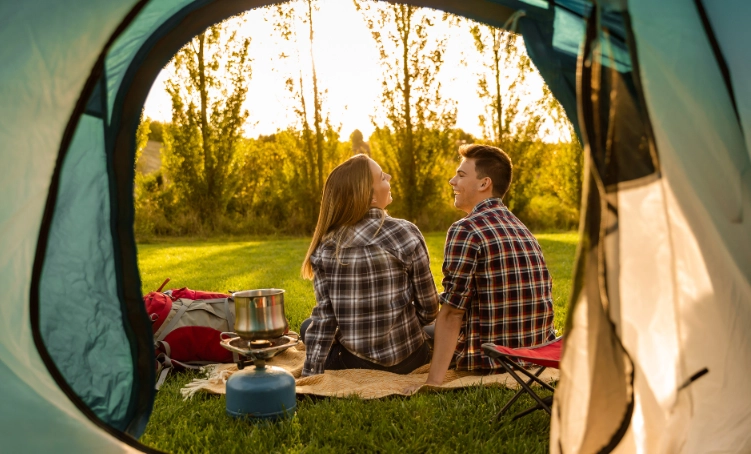
Gear: Borrow, Rent, Use What You Have
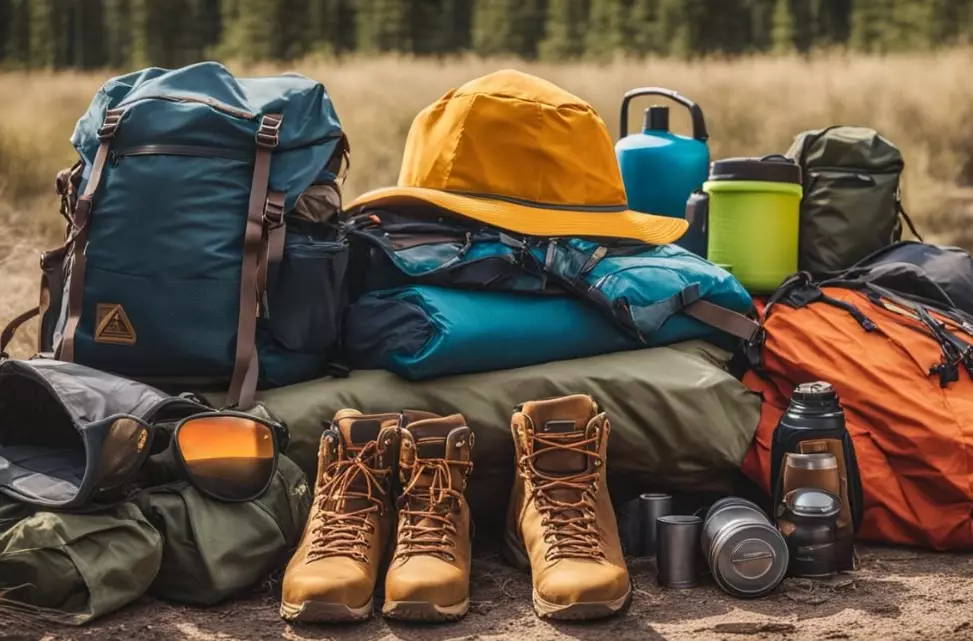
Do not go out and buy $1000 worth of gear. That's the biggest mistake and a major hurdle. Here's the reality check on what you actually need:
| Essential (Don't Go Without) | Nice to Have (Borrow If You Can) | Forget It (For Your First Trip) |
|---|---|---|
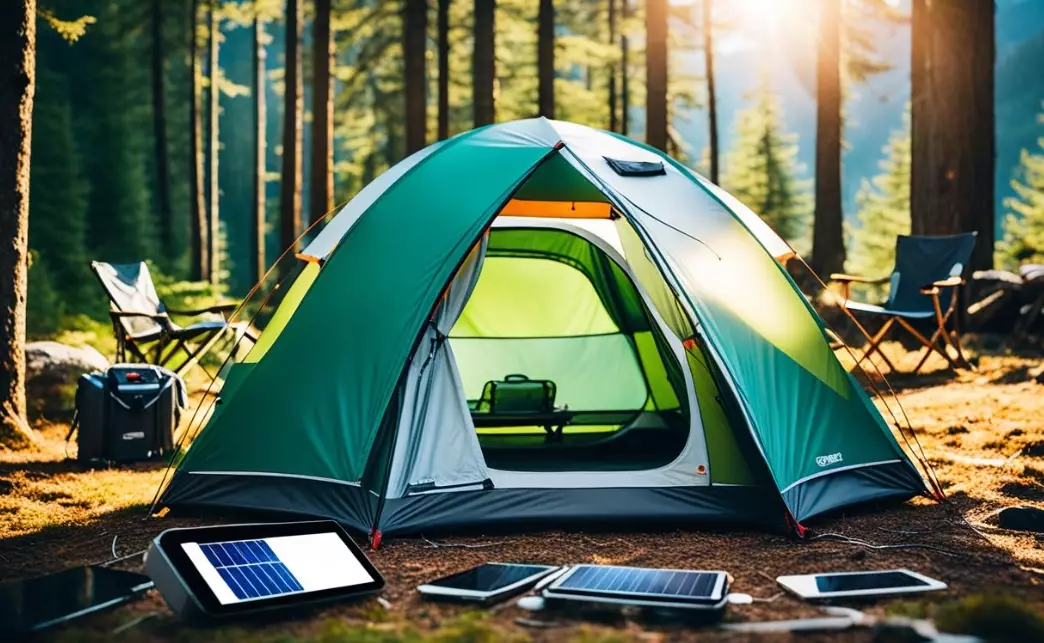
| Tent: Borrow from an outdoor club, family, or rent from an outdoor retailer. | Sleeping pad: For insulation and comfort. A cheap foam one works. | Expensive hiking boots. Wear sturdy sneakers you don't mind getting dirty. |
| Sleeping bag: Any old sleeping bag is fine for summer. Check the temperature rating. | Camp stove: A simple single-burner propane stove makes cooking infinitely easier. | Specialized cookware. Use an old pot from home. |
| Water & Food: More water than you think, and simple, no-cook or easy-cook meals. | Headlamp: Hands-free light is a game-changer after dark. | Coolers full of perishables. Keep food simple. |
| Warm Layers: It gets cold at night, even in summer. Pack a hoodie and beanie. | First-aid kit: A basic one from any pharmacy. | Cotton clothes (they stay wet). Opt for synthetic or wool. |
| Map & Park Info: Download maps or print them. Know the rules. | Camp chair: Sitting on the ground gets old. | Bluetooth speakers. Respect the quiet of nature and other campers. |
The Food Plan: Keep It Stupid Simple
Food anxiety is real. Plan meals that require minimal prep and cleanup.
- Breakfast: Instant oatmeal, granola bars, fruit.
- Lunch: Wraps, peanut butter & jelly sandwiches, trail mix.
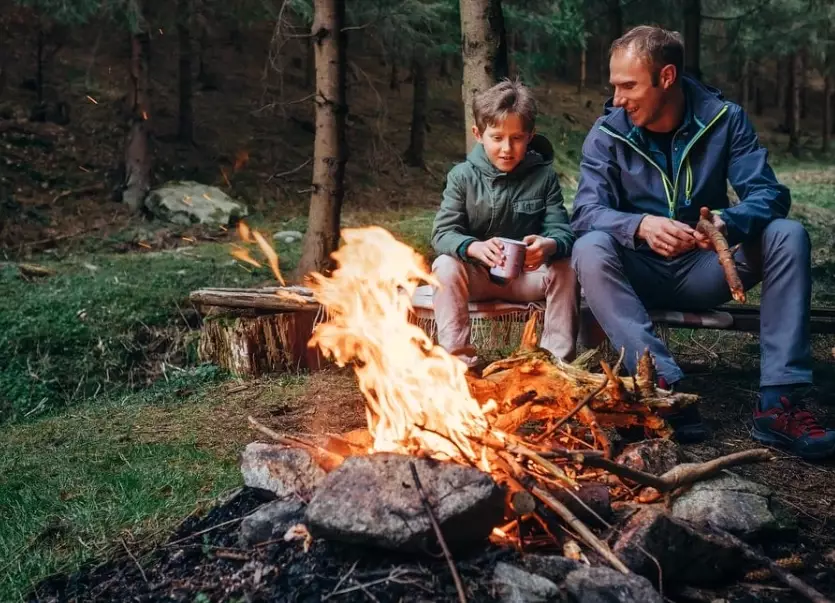
- Dinner: The classic is hot dogs or pre-made burgers. A step up is pasta with a jarred sauce. Foil packet meals (veggies and protein wrapped in foil and cooked on coals) are also easy and fun.
- Pro Tip: Prep anything you can at home—chop veggies, pre-mix spices, etc. It saves time and mess at camp.
Safety & Leave No Trace
This is non-negotiable. Tell someone not on the trip your exact plans and when you'll be back. Check the weather. Know basic fire safety—never leave a fire unattended, ensure it's completely dead out before sleeping or leaving.
Follow the Leave No Trace Center for Outdoor Ethics principles. Pack out ALL your trash (every wrapper, every bit). Respect wildlife from a distance. It's about preserving these places so others can enjoy the same benefits of camping for students in the future.
Answering Your Big Questions (FAQ)
Isn't camping expensive?
The initial perception is yes, but it doesn't have to be. As outlined above, borrow gear. Campsite fees are usually between $15-$40 per night, split between a group. Food is basic grocery store stuff. Compared to a weekend in a city or at a resort, it's incredibly cheap. The long-term investment in your well-being? Priceless.
What if I'm not outdoorsy or athletic?
That's perfectly fine! "Outdoorsy" is a mindset, not a skill set. Start with an easy, flat hike or just hang at the campsite. The goal isn't to summit a mountain; it's to be outside. Focus on the relaxing and social benefits of camping for students, not on pushing physical limits.
Is it safe?
Sticking to established, front-country campgrounds is very safe. The risks (getting lost, wildlife encounters) are minimal if you're prepared and follow rules. Statistically, you're far safer in a national park than driving to it. The key is preparation and common sense.
I have no one to go with. Can I go alone?
For a first-time student camper, I'd generally recommend against solo camping. The social benefits are huge, and having a buddy is safer and more fun. Join a university outdoor club! They often organize trips, rent gear cheaply, and are full of people in the same boat. It's the perfect way to start.
Making It a Habit: Beyond the First Trip
So you tried it and loved it (or at least didn't hate it). How do you keep these benefits of camping for students flowing?
Think of it as a regular mental health maintenance tool, like exercise. A trip once a semester, or even once during midterms and once during finals, can act as a powerful reset button. As you gain experience and confidence, you can try new things: backpacking where you carry everything on your back, canoe camping, volunteering on trail maintenance projects.
The skills and perspective you gain don't stay in the woods. That resilience helps you handle a tough project. The teamwork improves your group work in class. The ability to be present makes you a better listener and friend.
Ultimately, the core benefit of camping for students is this: it reminds you that you are more than a grade, a major, or a future job title. You are a person who can solve problems, connect deeply, and find joy in simple things. In the high-pressure cooker of student life, that reminder is nothing short of revolutionary.
So, maybe skip the next pointless weekend scroll on your phone. Grab a friend, borrow a tent, and go get lost in the good way. Your brain—and your transcript—might just thank you for it.