Let's cut to the chase. RV camping isn't just a vacation; it's a logistics puzzle wrapped in an adventure, seasoned with a bit of dirt and diesel. You've seen the Instagram posts—the perfect sunset, the cozy interior lights. What you don't see is the person five minutes earlier, frantically trying to level the rig on a sloped site or figuring out why the water pump is making that weird noise. I've been there. After a decade of trips in everything from a pop-up camper to a 40-foot diesel pusher, I'm here to give you the real guide, not the fairy tale.
In This Guide: What You'll Learn
How to Choose the Right RV for Your Actual Life
This is where most dreams hit their first speed bump. The shiny Class A motorhome looks amazing, but will it fit in your driveway? The tiny campervan promises freedom, but can your family of four actually live in it for a week?
The choice boils down to a trade-off between convenience, cost, and driving experience. Here’s a no-nonsense breakdown.
| Type | Best For | Biggest Pro | Hidden Con | Rough Cost Range (New) |
|---|---|---|---|---|
| Class A Motorhome | Full-timers, luxury seekers, large families. | Spacious living, home-like amenities. | Horrible gas mileage (6-10 MPG), intimidating to drive, expensive maintenance. | $150,000 - $500,000+ |
| Class C Motorhome | Families, first-time motorhome buyers. | Easier to drive than Class A, often has bunk beds. | The cab-over bed can feel claustrophobic for adults. Less storage than Class A. | $70,000 - $150,000 |
| Travel Trailer | Budget-conscious travelers, those who want to use their truck daily. | Detachable. You can set up camp and explore with your vehicle. | Backing up is a skill that ruins marriages. You need a capable tow vehicle. | $20,000 - $80,000 |
| Camper Van (Class B) | Solo travelers, couples, stealth camping, road trippers. | Easy to drive, park anywhere, great fuel economy. | Extremely limited space. No real bathroom privacy. Very expensive per square foot. | $80,000 - $200,000+ |
My advice? Rent first. Use platforms like Outdoorsy or RVshare. Rent the type you think you want for a long weekend. That glamorous fifth wheel? You'll learn how much of a headache hitching and unhitching can be. That sleek van? You'll know by night two if the lack of a real shower is a deal-breaker.
How to Plan Your RV Camping Trip (Without the Stress)
Spontaneity is great for motels. For RVs, it leads to Walmart parking lots. A little planning ensures you get to see the sights, not just gas stations.
Step 1: Route Realistically
Google Maps is your enemy here. It doesn't account for low bridges, mountain grades, or propane-restricted tunnels. Use an RV-specific GPS app like RV LIFE or CoPilot RV. They let you input your RV's height, weight, and length to avoid roads that can cause a very bad day.
Plan to drive no more than 250-300 miles per day. It sounds low, but between fuel stops, slower speeds, and needing to stretch, a 4-hour drive becomes 6. Trust me.
Step 2: The Booking Dance
Want a spot in Yellowstone or a popular Florida beachfront park for next summer? You should have booked it yesterday. For iconic public parks (National Parks, some State Parks), reservations on Recreation.gov open 6-12 months in advance and vanish in minutes.
My strategy? Book a mix. Secure your must-have, can't-miss spots the second they open. Leave gaps in your schedule for flexibility—that's where you discover the amazing, lesser-known county park or the serene Bureau of Land Management (BLM) area.
Finding the Perfect Campsite: Reservations vs. Freedom
There are two worlds of RV camping, and you'll probably dabble in both.
The Booked World: State Parks, National Parks, KOA, private campgrounds. You get a numbered spot with defined amenities—water, electric, maybe sewer. It's predictable, safe, and often has facilities like pools and playgrounds. The downside? It can feel like a parking lot with trees, and your neighbor might be 15 feet away.
The Free World: Dispersed camping on BLM land or in National Forests. This is true boondocking. No services, no reservations, often no people. The freedom is incredible. The cost is total self-reliance. You need to manage your own water, power (solar/generator), and waste. Apps like Campendium and iOverlander are gospel here, with user-submitted coordinates and reviews.
I once spent a week on a BLM overlook in Utah for free, with a view that rivaled any park. I also spent a night in a cramped, expensive commercial park because I didn't plan. Both were lessons.
The Non-Negotiable RV Packing List (Beyond Clothes)
Forget the "100 Things to Pack" lists. Here’s what you actually need that you might not think of.
Leveling & Stabilizing: Your fridge won't work if you're not level. You need leveling blocks (Lynx Levelers are the standard) and wheel chocks. A bubble level for the dashboard is cheap and essential.
The Hose Trifecta: A freshwater hose (drinking water safe, white), a sewer hose with clear elbow connector (to see when it's running clean), and a water pressure regulator. Campground water pressure can spike and blow out your plumbing. A $15 regulator saves a $1500 repair.
Basic Tool Kit & Spares: Adjustable wrench, screwdrivers, duct tape, electrical tape, fuses that match your RV's panels, and a spare set of keys hidden outside the rig. You will use these.
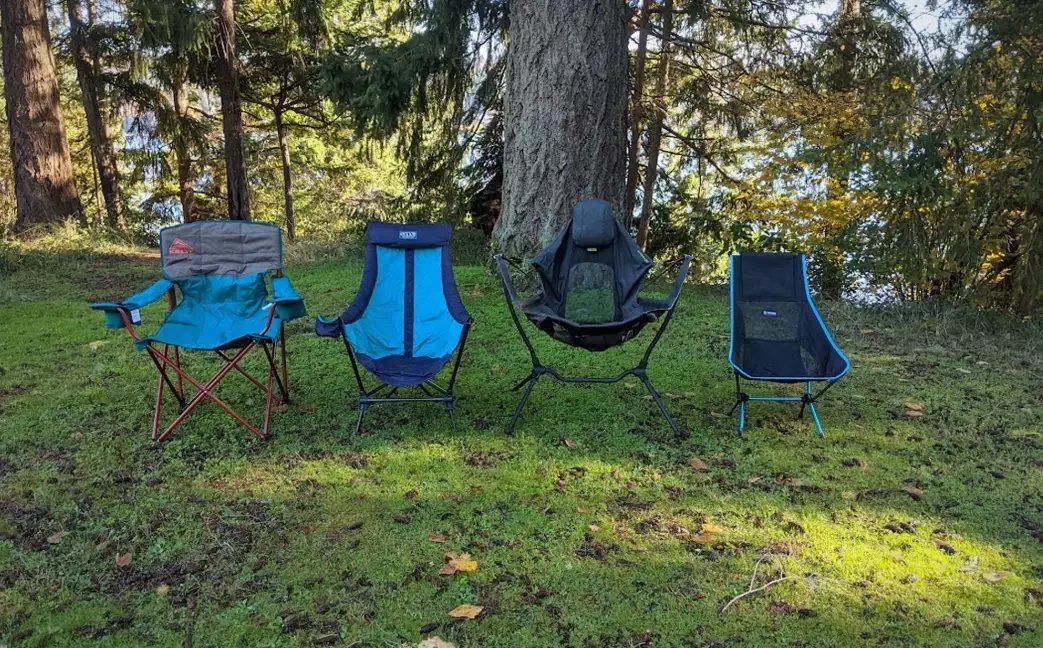
Comfort Items: An outdoor rug (makes your site feel like home), good camp chairs, and a small table. Your RV's awning is not a sail—retract it if you leave site or if wind picks up.
The 5 Mistakes Every New RVer Makes (And How to Avoid Them)
These aren't in the manual. They're learned in campgrounds at midnight.
1. Not Doing a Full Systems Check Before Leaving. You arrive, turn on the faucet, and... nothing. You forgot to fill the fresh water tank. Or you switch on the AC and the breaker pops because you didn't check the campground's amp service. Create a printed departure and arrival checklist. Water on? Propane off? Slides in? Antenna down? Check, check, check.
2. Ignoring Weight Limits. Your RV has a GVWR (Gross Vehicle Weight Rating). Exceed it, and you risk blown tires, broken axles, and voided warranties. Weigh your loaded RV at a CAT scale (found at truck stops). The difference between the empty weight (sticker on the frame) and your loaded weight is your "cargo carrying capacity." It's less than you think.
3. The Black Tank Blunder. The horror story. Only use RV-specific toilet paper (it dissolves quickly). Use plenty of water when flushing. And never, ever leave the black tank valve open at a full-hookup site, thinking it will drain continuously. It leads to a pyramid of solid waste. Keep it closed, let it fill to 2/3 or more, then dump it with a strong flow.
4. Underestimating the Learning Curve. Driving, backing, hitching, systems management—it's a lot. Your first trip should be a short shakedown cruise to a nearby, easy campground. Work out the kinks before you aim for the Grand Canyon.
5. Forgetting You're in a Community. RV parks are villages. Keep noise down after quiet hours (usually 10 PM). Don't walk through other people's sites. Control your kids and pets. Clean up your area. A little courtesy gets you help when you need it—like when you can't get your jack to retract.
RV camping strips travel down to its basics: movement, shelter, and the world outside your door. It's messy, sometimes frustrating, and absolutely worth it. You don't just visit a place; you bring a little piece of your home there and live in the middle of it all.
Start small. Be patient with yourself. And get ready for some of the best sleeps of your life, lulled by the rain on a metal roof.