Let's be honest. A lot of so-called "camping innovations" are just marketing fluff. A slightly different zipper pull or a new color doesn't revolutionize your trip. But every few years, a handful of genuine breakthroughs quietly hit the market. These aren't just incremental updates; they solve real, annoying problems you face in the woods. They make your pack lighter, your sleep warmer, and your setup faster. This isn't about gadgets for the sake of gadgets. It's about the smart, practical, and sometimes surprisingly simple camping innovations that make you wonder how you ever managed without them.
What's Inside This Guide
Gear That Actually Makes a Difference
Forget the flashy stuff. The best camping innovations are the ones you barely notice because they just work. They address the core frustrations: weight, bulk, complexity, and comfort.
Tents: From Battle to Breeze
Remember wrestling with a pile of shock-corded poles in the wind? The single biggest innovation in tents in the last decade isn't a fancy fabric—it's the shift to air-based support structures. Inflatable tent poles (like those from Heimplanet or some Big Agnes models) use interconnected air beams. You pump up a few points, and the entire structure rigidifies in minutes. The setup time is cut by more than half. The trade-off? You need to carry a pump and you're reliant on its integrity, but the puncture repair kits are very effective. It's a trade I make willingly for the sheer speed, especially after a long hike.
Then there's the materials. Dyneema Composite Fabric (DCF), while eye-wateringly expensive, is a game-changer for ultralight backpackers. It's incredibly strong for its weight and completely waterproof without a separate coating. For the rest of us, silicone-treated nylon (silnylon) and polyester have gotten better, with tighter weaves and more durable water repellent (DWR) treatments that last longer.
Sleep Systems: The End of Cold, Lump Nights
Sleeping bag technology had been stagnant for ages. Then, two things happened. First, the widespread adoption of box-wall and trapezoidal baffles in down insulation. Unlike traditional sewn-through baffles that create cold spots, these 3D baffle designs let the down loft fully around your body, eliminating thermal gaps. The difference in warmth for the same weight is significant.
Second, the rise of the quilt. For three-season camping, a high-quality quilt is arguably the best innovation for side sleepers and active sleepers. It eliminates the dead space and constriction of a mummy bag's hood and zipper, uses less material (lighter weight), and is more versatile. Paired with a good insulated sleeping pad (another area of huge innovation with better valves and comfort), it's a superior sleep system for many. Brands like Enlightened Equipment and UGQ popularized this, and now even major brands offer them.
Kitchen and Lighting: Small Things, Big Wins
It's the little things. The integrated pot support and windshield on modern canister stoves like the Jetboil Flash system revolutionized boiling water speed and fuel efficiency. It's not just a stove; it's a purpose-built system. For lighting, the death of the incandescent bulb and the domination of LEDs is the quiet hero. A single small, rechargeable LED lantern like a Goal Zero Crush Light can now provide ample, adjustable light for hours, replacing bulky gas lanterns and a pile of batteries.
| Innovation Category | The Problem It Solved | A Key Example | Consideration |
|---|---|---|---|
| Shelter (Air Beams) | Long, frustrating setup times; complex pole structures. | Heimplanet Maverick Tent | Requires a pump; initial cost is high. |
| Sleep (Quilts) | Restrictive mummy bags; cold spots; excessive weight. | Enlightened Equipment Revelation Quilt | Requires a good sleeping pad with high R-value; has a learning curve to secure properly. |
| Kitchen (Integrated Systems) | Inefficient boiling; separate, bulky pot supports and windshields. | Jetboil Flash Cooking System | Somewhat specialized for boiling; less ideal for simmering gourmet meals. |
| Power (Solar/High-Capacity) | Dead devices; heavy battery packs; limited power sources off-grid. | Goal Zero Sherpa 100AC Power Bank with solar panel | Solar charging is slow and weather-dependent; high-capacity banks are heavy. |
When Tech Meets the Trail (The Smart Way)
Tech in the backcountry is a double-edged sword. You want help, not a liability. The best camping tech innovations are robust, power-efficient, and solve a specific problem without creating three new ones.
Solar isn't just for panels on your roof anymore. Flexible, lightweight solar panels that can drape over your pack are reliable enough to keep phones, GPS devices, and headlamps charged on multi-day trips. The key innovation here is in efficiency and durability. Paired with a high-capacity, fast-charging power bank (like those from Anker or Goal Zero), you can truly stay connected for navigation and safety without worrying about battery life. I used a 20W flexible panel on a 5-day trek last summer and never dipped below 50% on my phone or GPS.
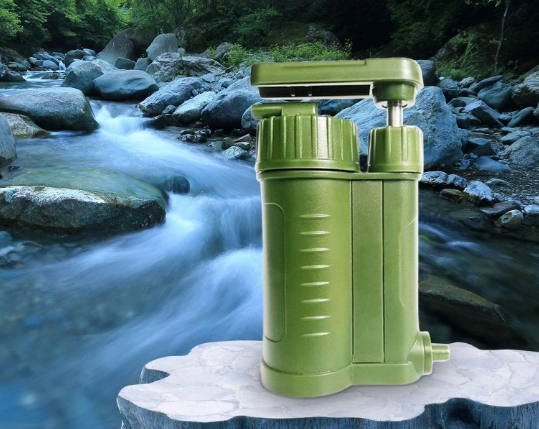
Water purification got smarter. While pumps and tablets are still staples, UV purifiers like the SteriPEN were a leap forward for speed and taste. Now, the innovation is in gravity filters. Systems like the Platypus GravityWorks or MSR AutoFlow are utterly simple: fill a dirty bag, hang it, and clean water flows into your clean bag with zero effort. It's perfect for filtering large volumes for a group at camp. No more tedious pumping.
And let's talk about communication. The satellite messenger (like a Garmin inReach or SPOT device) is arguably the most important safety innovation for solo or remote camping in the last 15 years. Two-way SOS and texting from anywhere has saved countless lives. It's a non-negotiable piece of my kit for any trip outside reliable cell coverage.
The pitfall? Over-reliance. Tech fails. Phones break, batteries die, satellites can have delays. Every piece of tech should have a simple, analog backup. A paper map and compass. A basic lighter. Chemical water purification tablets. The innovation is in having the tech handle the heavy lifting, while your brain and your backup plan handle the survival.
The Quiet Shift to Sustainable Camping
This is the most profound, yet least flashy, area of innovation. It's not about a new product, but a new way of making them. The outdoor industry is finally getting serious about its environmental footprint, driven by consumer demand.
Materials are changing. You'll see more recycled materials in backpacks (like recycled nylon from companies like Patagonia), sleeping bag shells, and even tent fabrics. Brands are developing PFC-free DWR treatments for rain gear and tents. PFCs are those "forever chemicals" that make things waterproof but are terrible for the environment. The new treatments aren't quite as bombproof yet, but they're getting close, and they're the right choice.
There's also innovation in end-of-life. Some companies, like Terra Nova and The North Face (through their Renewed program), are experimenting with take-back schemes to repair, resell, or recycle old gear. The idea of a circular economy for camping equipment is slowly taking root.
On a personal level, the innovation is in practices. Concentrated biodegradable soaps (like Dr. Bronner's) mean you carry a tiny bottle that lasts for weeks. Lightweight, reusable silicone food storage bags (Stasher bags) are replacing single-use ziplocks. A simple, durable titanium spork replaces plastic utensils. These small choices, amplified by millions of campers, make a real difference.
I'm skeptical of "greenwashing"—products marketed as eco-friendly with little substance. The real innovation is in transparency. Look for brands that detail their supply chains and material origins, not just slap a green leaf on the packaging.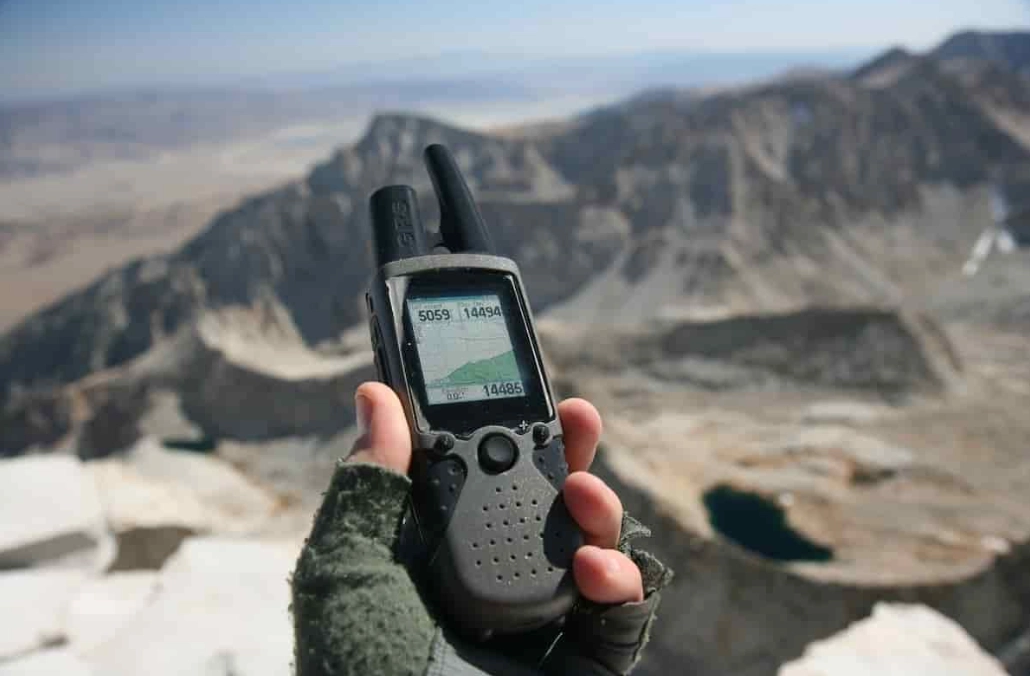
Your Real Questions About New Camping Gear
 Solar panels for backpacking—are they worth the weight and hassle?