Camper van camping isn't just a way to travel; it's a permission slip to follow a dirt road just because it looks interesting. It's waking up to a lake view you didn't pay $300 for. I remember my first real trip, a converted Dodge Ram in Utah. I spent more time worrying about the van's water pump than I did admiring Arches National Park. I learned the hard way so you don't have to. This guide is about the reality behind the Instagram sunsets—the planning, the gear, the minor panics, and the profound freedom that makes it all worth it.
Your Roadmap to Camper Van Freedom
Step 1: Choosing Your Camper Van (It's Not Just About Size)
This is the biggest decision, and most people get it backwards. They look at floor plans and bed sizes first. Start with this question instead: Where do I want to go, and who's coming? A solo traveler hitting forest service roads needs a very different rig than a family of four touring national parks.
Let's break down the main types. I've owned two of these and rented the others.
| Van Type | Best For | Biggest Pro | Hidden Con (The One No One Talks About) |
|---|---|---|---|
| Class B (Camper Van) (e.g., Winnebago Revel, Coachmen Beyond) |
Couples, solo travelers, off-grid enthusiasts. | >Stealthy, easy to park, great MPG. >Extremely limited storage. Every item needs a dedicated home. Can feel claustrophobic in bad weather.||
| High-Top Conversion Van (e.g., converted Mercedes Sprinter, Ford Transit) |
>DIYers, small families, weekend warriors.
>Stand-up height, customizable, more livable space.
>Wind noise and sway on highways is significant. Fuel economy drops sharply.
|||
| Popup Camper Van (e.g., VW California, converted minivans) |
>Stealth camping, city-friendly trips, budget travelers.
>Looks like a normal car, cheapest to operate.
>Setup/takedown every time you stop. Minimal insulation for hot/cold climates.
|||
| Small Class C (e.g., Thor Sequence, Winnebago View) |
>Small families, those wanting a traditional RV feel.
>Separate cab, often has a dedicated bathroom.
>Loses the "van" agility. Often requires special parking. Higher cost.
Rent First. Seriously. Use platforms like Outdoorsy or RVezy to rent the type of van you think you want for a long weekend. You'll learn more in 72 hours than from months of research. Do you hate filling the water tank? Is the bed uncomfortable? Is the fridge too small? Now you know before dropping $80,000.
Step 2: Planning Your Escape Route & Budget
Throwing a dart at a map sounds romantic. It's also a great way to end up in a Walmart parking lot in a rainstorm. A little structure creates more freedom, not less.
Destination Logic: Match the van to the terrain. Dreaming of the alpine passes in Colorado? A massive Class C might struggle. Planning a coastal California trip? A smaller van will let you snag those first-come, first-serve state park spots.
My strategy is the "Hub and Spoke" method. Book a central, reliable campground (your hub) for 2-3 nights. Use it as a base to explore the area (the spokes) in your van during the day. You have a guaranteed home base with amenities (showers, dump station) and can venture out risk-free. The National Park Service website is your absolute best friend for campground details, restrictions (like vehicle length limits), and booking windows.
The Real Budget: Forget the "$50 a day" fantasy unless you're exceptionally frugal. For a comfortable trip for two, plan for $100-$150 per day. Here's where it goes:
Camping Fees: Mix free (BLM land, some parking lots) with paid ($25-$60/night for campgrounds).
Fuel: This is the wild card. Calculate your van's average MPG and use Google Maps to estimate distances. Add 20% for mountain driving and detours.
Food: You'll save a fortune cooking in the van, but budget for the occasional restaurant meal and local treats.
Attractions: Park passes, tour fees, museum tickets. Get the America the Beautiful Pass ($80/year) if hitting multiple National Parks.
Miscellaneous: Laundry, propane refills, that cute souvenir, van repair fund.
Step 3: Mastering the Basics: Power, Water & Where to Sleep
This is the practical core of van life. Fail here, and your trip becomes a chore.
Power (The Solar Question): Do you need solar? For trips longer than a weekend, absolutely. A 100W panel and a 100Ah lithium battery can keep phones, lights, and a fridge running indefinitely in good sun. The expert tip? Know your vampire drains. That fancy inverter, the CO2 detector, the radio—they suck power even when "off." Learn to use a master battery switch.
Water: The rule is 1-2 gallons per person per day for drinking, cooking, and minimal washing. A 20-gallon tank is standard. The real hack is a portable USB shower pump and a collapsible bucket. Heat water on the stove, put it in the bucket, and you have a pressurized shower anywhere. It uses a fraction of the water a built-in system does.
Finding Overnight Spots: This causes more anxiety than anything else. You have options:
Apps: iOverlander and Campendium are community-powered bibles. Read the recent comments.
Public Lands: Bureau of Land Management (BLM) and US Forest Service land often allow dispersed camping for free. Follow "Leave No Trace" principles religiously.
Paid Campgrounds: From state parks to private RV resorts. Reserve in advance for popular areas.
Overnight Parking: Some Walmart, Cracker Barrel, and Cabela's locations allow it. Always ask permission inside. Truck stops (Love's, Pilot) are safe, noisy, and convenient for one night.
The golden rule: Arrive before sunset. Scouting for a spot in the dark is stressful and unsafe.
Step 4: Packing Like a Pro (And What to Leave Behind)
Overpacking is the rookie mistake. Space is currency.
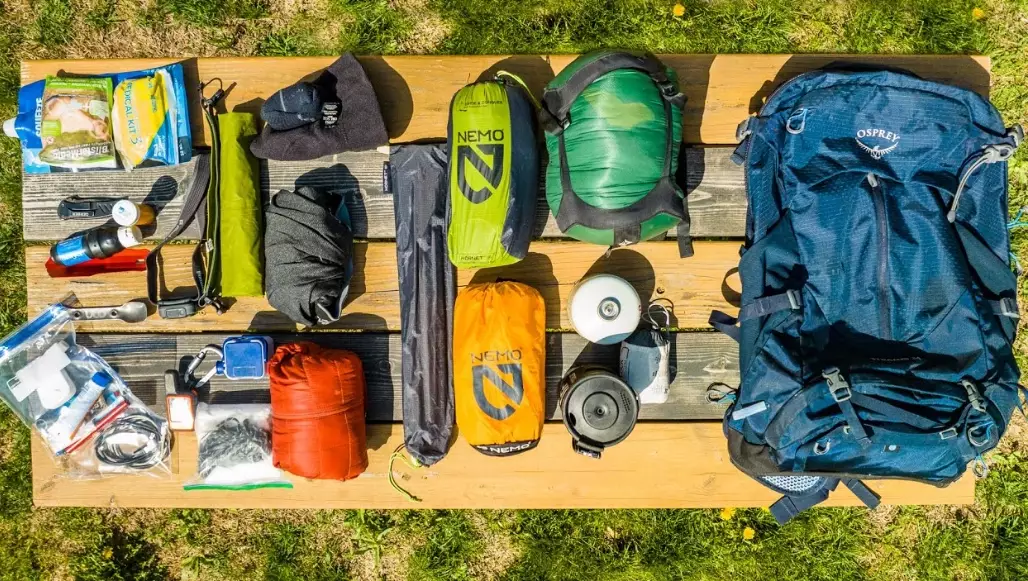
The Non-Negotiables:
Tool Kit & Spares: Basic wrench/socket set, duct tape, zip ties, tire repair kit, spare fuses, extra coolant/oil.
Recovery Gear: Traction boards (like Maxtrax), a good shovel. Even 2WD vans get stuck on soft forest road edges.
Comms: A charged power bank and a paper map. Cell service is a luxury in the best places.
Kitchen: One sharp knife, one spatula, one pot, one pan. A French press or pour-over for coffee. Biodegradable soap.
Comfort: High-quality sleeping bag rated for temperatures COLDER than you expect. Earplugs (campgrounds are noisy).
What to Leave Home: That fancy espresso machine. More than three pairs of shoes. Hard suitcases (use soft bags). Anything "just in case" that you haven't used in the last year.
Every item should have at least two uses. A sarong is a towel, a curtain, a picnic blanket.
Your Burning Questions, Answered
Camper van camping strips travel down to its essentials: movement, shelter, and the world outside your door. It's problem-solving with a view. It's inconvenient, sometimes frustrating, and absolutely magical when you get it right. Start small, rent a van for a weekend close to home. Master the systems. Then point your wheels toward that horizon you've been staring at. The road is simpler than it looks.