In This Guide
Let's be real for a second. You're planning a trip, the gear list is long, and water is probably at the bottom. It's just water, right? You find a stream, maybe boil it, good to go. I used to think that too, until a nasty bout of what we'll politely call "backcountry revenge" cut a three-day hike short on day two. Not fun. Not glamorous. A total trip killer.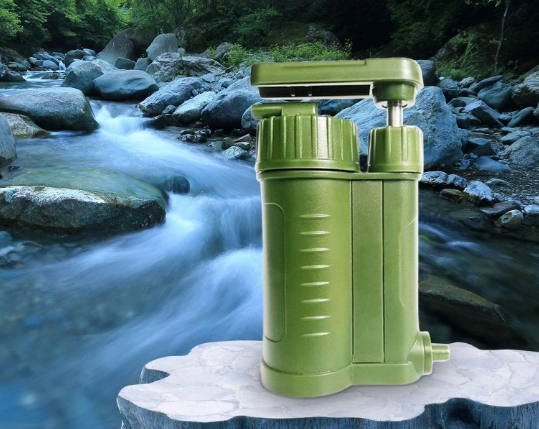
That experience is what finally made me take water filtration seriously. And in the world of making sketchy water drinkable, the camping water filter pump is like the reliable workhorse. It's not always the lightest or the fastest, but when you need to supply a group or fill large containers, there's often no better tool. But which one? The market is flooded with options, claims, and confusing specs.
This guide is what I wish I had before buying my first one. We're going to ditch the marketing fluff and talk about what actually matters when you're tired, thirsty, and staring at a murky pond. We'll cover how these pumps work, what features are worth your money, and I'll even give you my honest take on a few popular models based on years of use and misuse.
The Core Idea: A camping water filter pump is a manual device that uses a hand pump to force water from a source (lake, stream, pond) through an internal filter element, removing bacteria, protozoa, sediment, and sometimes chemicals, delivering clean water directly into your bottle or pot. It's your portable water treatment plant.
Why Bother with a Pump Filter Anyway?
You've got tablets, you've got UV pens, you've got squeeze filters. So why add a pump to the mix? It comes down to control and volume.
I remember trying to fill a 4-liter cooking pot for my group using a small squeeze filter. My forearms were burning after two liters. A pump, while involving some effort, is often more efficient for moving larger quantities. It's also incredibly versatile. You're not dependent on water pressure or clear bottles. That muddy cattle watering hole? A pump with a good pre-filter can handle it where other systems might clog instantly. For base camping, canoe trips, or group outings where you're processing liters at a time, a reliable portable water filter pump is hard to beat.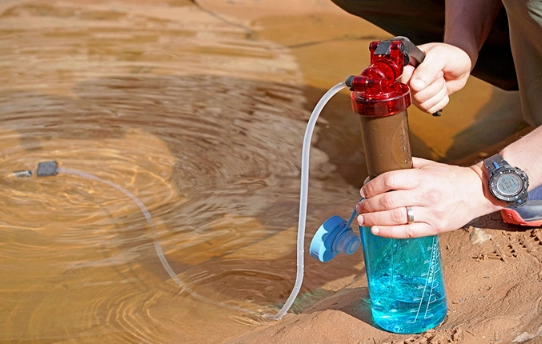
It's also strangely satisfying. There's a tactile, direct connection to your survival. You pump, clean water comes out. Simple. Effective.
The Nitty-Gritty: How to Choose Your Pump Filter
This is where most guides throw a giant spec sheet at you. Let's break it down into questions you should actually ask yourself.
What Are You Actually Filtering Out?
This is the most critical part. Not all filters are created equal. You need to match the filter's capability to the threats in your water.
Most pumps are fantastic at removing the big biological baddies: protozoa (like Giardia and Cryptosporidium) and bacteria (like E. coli, Salmonella). They use either a hollow fiber membrane (a bundle of tiny straws with microscopic pores) or a ceramic element to physically block these pathogens. Think of it as an ultra-fine sieve.
Where things get tricky is with viruses. They're much, much smaller. Most standard pump filters do NOT remove viruses. If you're in a developed country's backcountry, viral risks are generally low. But if you're traveling internationally, near heavy human or animal activity, or just want the utmost protection, you need to look for a pump that includes chemical treatment (like an iodine matrix) or one explicitly rated for virus removal. The CDC's guide on backcountry water treatment is a sobering, must-read resource that breaks down the risks clearly.
Then there's the chemical stuff - pesticides, heavy metals, unpleasant tastes. For that, you often need an activated carbon core in the filter. This isn't about size, it's about adsorption (where chemicals stick to the carbon). It's great for improving taste and knocking out some chemicals, but it doesn't replace the need for the mechanical filter for bugs.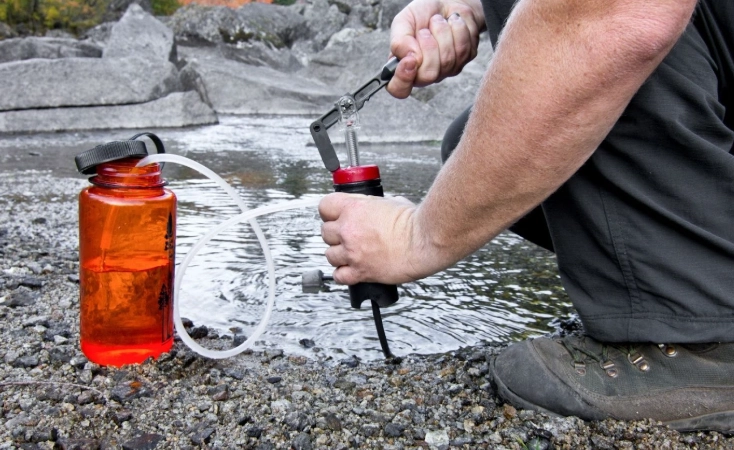
Watch Out: A carbon layer can become "saturated" and stop working over time, even if the mechanical filter is still good. And it often slows the flow rate down. My rule? If the water smells funny or I'm near farm/industrial runoff, I want carbon. For a remote mountain stream, I might prioritize a faster, carbon-free filter.
Speed vs. Longevity: The Flow Rate & Lifespan Trade-Off
Flow rate is how fast you get water, usually measured in liters per minute (L/min). Lifespan is the total volume of water the filter cartridge is rated for, measured in liters or gallons.
Here's the personal take: A fast flow rate is a huge quality-of-life improvement. A pump that delivers 1.5 L/min feels like a luxury compared to one struggling at 0.5 L/min when you're thirsty. But often, filters with the finest pores (offering the best protection) are slower. Ceramic filters, for example, can be cleaned and last forever, but they're notoriously slow. Hollow fiber is usually faster but has a fixed lifespan.
Ask yourself: Am I filtering for a large group regularly (prioritize speed and maybe lifespan)? Or is this a lightweight emergency/solo tool (where longevity might be less critical)?
Weight, Size, and Real-World Usability
Spec sheets list weight. They rarely list frustration. Here's what to think about:
- Setup & Priming: Some pumps need to be "primed" (filled with water) to start working, which can be a fiddly pain with cold fingers. Others are self-priming. Look for this feature.
- Hose Length: A longer intake hose lets you reach deeper or avoid muddy banks. A longer output hose lets you fill bottles or bladders easily. Are the hoses stiff and annoying to coil?
- Pump Action: Is it a simple up-down piston, or a more complex lever? Test the motion in your mind. A smooth action is everything after 50 pumps.
- Field Maintenance: Can you easily clean the pre-filter or backflush the main filter in the field without tools? I've had filters clog mid-trip, and the ability to clean them on the spot saved the day.
I made the mistake once of buying a pump with a brilliant filter but a flimsy, awkward pump handle that cracked under pressure (literal and figurative). The body matters.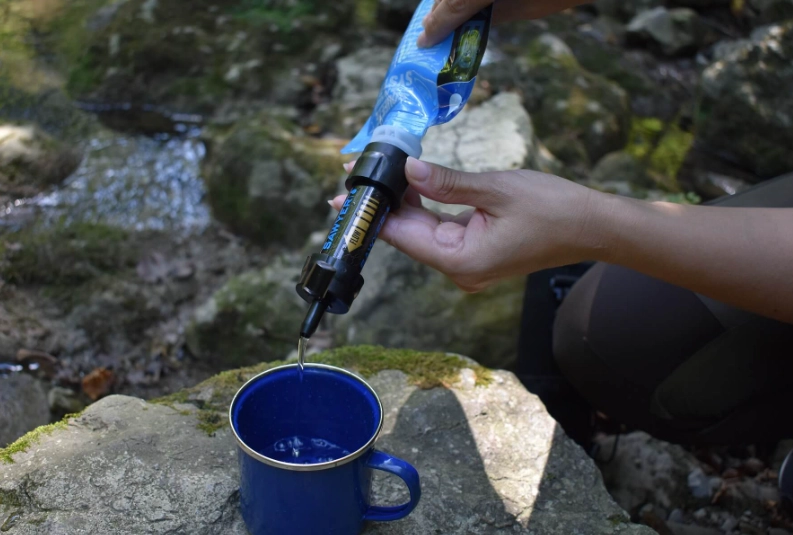
Breaking Down the Main Types of Pump Filters
It helps to see them side-by-side. This table isn't about specific brands, but about the core technologies and who they suit.
| Filter Type | How It Works | Best For... | Watch Out For... |
|---|---|---|---|
| Hollow Fiber Membrane | Water is forced through tiny porous tubes (fibers). Pathogens get trapped on the outside. | Backpackers wanting a good balance of light weight, fast flow, and protection against bacteria/protozoa. Very popular. | Fibers can freeze and crack. They have a fixed lifespan (e.g., 1,000-2,000L). Can be hard to clean if heavily silted. |
| Ceramic Element | Water passes through a fine ceramic "candle." Contaminants build up on the surface. | Long-term use, base camps, preparedness. The element can be scrubbed clean repeatedly, offering a theoretically unlimited lifespan. | Flow rate is usually the slowest. Ceramic is brittle and can crack if dropped. Heavier than hollow fiber. |
| Advanced Composite | Layers of different media (e.g., fiber, carbon, chemical matrix) in one cartridge. | Travelers or those needing the broadest protection (viruses, chemicals, taste). The "do-it-all" solution. | Often the most expensive option. Flow rate can be slower due to multiple layers. Lifespan may be shorter for the chemical components. |
My gear closet has examples of all three. The hollow fiber pump is my go-to for most backpacking. The ceramic one lives in my car emergency kit. The composite one comes out for international adventures.
Here's a confession: I used to hate ceramic pumps because they were so slow. But on a long-term base camp project, the ability to just scrub the filter and keep going for weeks without a replacement cartridge won me over. Context is everything.
Keeping Your Pump Alive: Maintenance You Can't Ignore
A filter pump isn't a buy-it-and-forget-it item. Neglect it, and it will fail you when you need it most.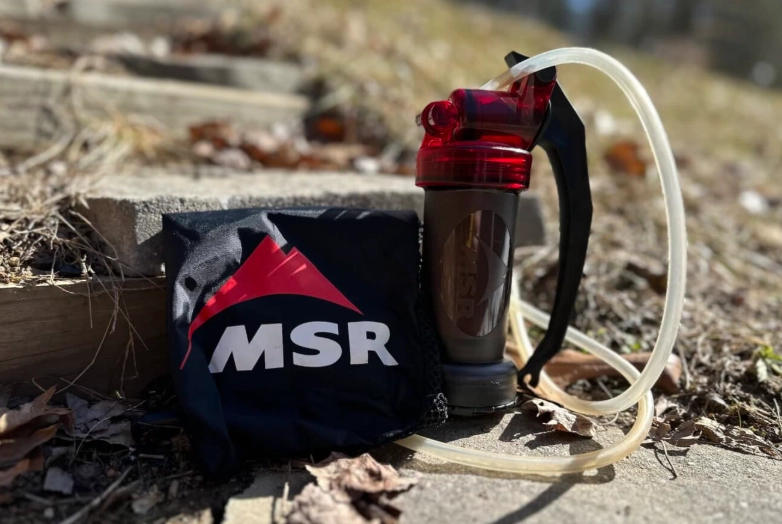
In the Field:
- Always use the pre-filter sponge or screen on the intake hose. It catches the big gunk and saves your main filter.
- If the flow slows to a trickle, stop. Don't force the pump. You might damage the seals or the element.
- Backflush if your model allows it. This means pushing clean water backwards through the filter to dislodge debris. Some have a special syringe, others just use the pump action in reverse.
- For ceramic filters, carry the little scrubbing pad and gently clean the surface when slow.
At Home (Post-Trip):
- Pump a half liter of clean, disinfected water (a mild bleach solution works) through the system to sanitize the internal waterways. Check the manual for ratios.
- Let every single part air dry completely. I mean bone dry. Mold and mildew inside a wet filter is a disgusting and unhealthy surprise for your next trip. I leave mine out on a towel for days, disassembled.
- Store it in a dry, temperate place. Never store it wet. And for heaven's sake, don't let it freeze with water inside—that's a death sentence for most filter elements.
Pro-Tip: Write the date you first used it and the estimated lifespan (e.g., "Start: May 2023, Rated: 1500L") on the filter cartridge with a permanent marker. You'll never guess when it's due for replacement.
Your Questions, Answered (The Stuff Other Guides Skip)
Over the years, these are the questions friends and readers ask me most.
Wrapping It Up: Think Before You Pump
Choosing a water filter pump isn't about finding the one perfect gadget for all eternity. It's about matching a tool to your most common adventures. Are you the solo alpine scrambler? The family car camper? The international trekker?
For me, the journey to finding the right camping water filter pump was about moving from panic-buying after a bad experience to making an informed choice. It transformed water duty from a chore into a simple, reliable part of my routine. Now, I can look at a questionable water source and not feel anxiety, just the mild satisfaction of knowing my gear and I can handle it.
That's the real goal, isn't it? More confidence, more freedom, more focus on the view and less on your stomach.
So check the specs against your real needs, understand the limits, and maintain your gear. Your future self, happily hydrated and healthy on the trail, will thank you.