Let's cut to the chase. The right camping clothing isn't about looking good for Instagram shots by the tent (though that's a bonus). It's about staying dry when a surprise drizzle hits, warm when the temperature plummets after sunset, and comfortable enough to actually enjoy the hike to that scenic overlook. Get it wrong, and a weekend getaway can turn into a miserable, shivering ordeal. I learned this the hard way on an early spring trip where my trusty cotton hoodie became a cold, wet sponge within an hour of light rain. Never again.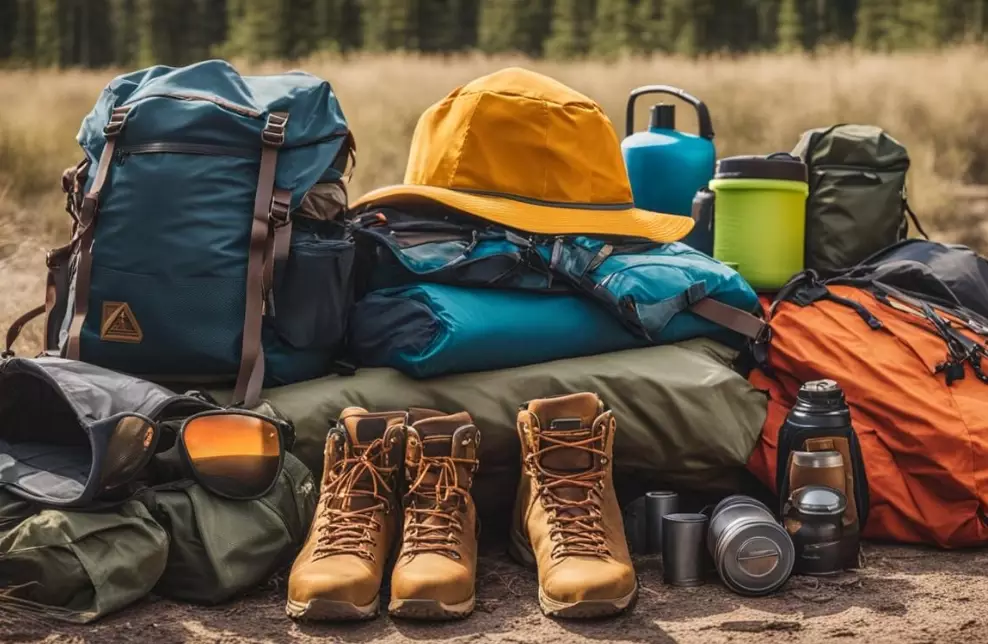
This guide is the camping clothing advice I wish I'd had. We'll move beyond vague suggestions like "dress in layers" and dive into the specifics: which materials to seek out and which to avoid like the plague, how to build a system that works from desert heat to mountain chill, and the subtle mistakes most beginners make without realizing it.
Your Quick Guide to Camping Clothing
The Non-Negotiable Layering System
Forget thinking of clothes as single items. Think of them as a modular system with three distinct jobs. This is the core of all practical camping clothing advice.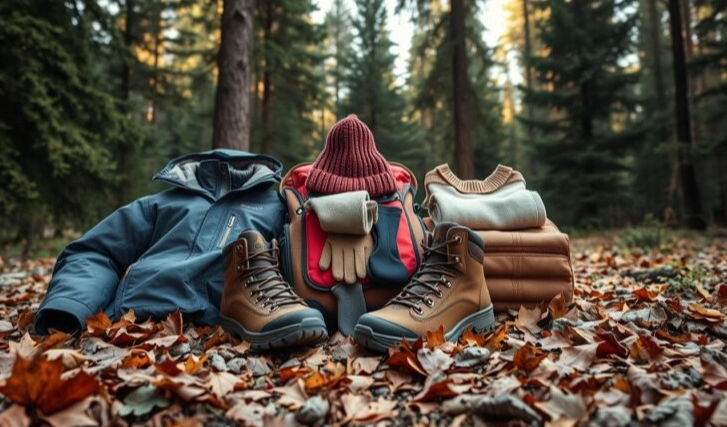
Base Layer: Moisture Management
This is your second skin. Its sole purpose is to move sweat away from your body to keep you dry. If you remember one thing, remember this: NO COTTON. Cotton absorbs moisture and holds it against your skin, making you cold—a phenomenon known as "cotton kills" in hiking circles for a reason.
You want synthetic fabrics like polyester or merino wool. Synthetics dry fast and are durable. Merino wool is a miracle fiber—it wicks moisture, regulates temperature, and naturally resists odors, meaning you can wear it for days. A thin, snug-fitting top and bottom set is your starting point.
Mid Layer: Insulation
This layer traps the warmth your body generates. The key here is loft—the puffier, the better for trapping heat.
- Fleece Jackets: The reliable workhorse. Polyester fleece is warm, breathable, and still provides some warmth when damp. A grid-backed fleece is particularly good for airflow.
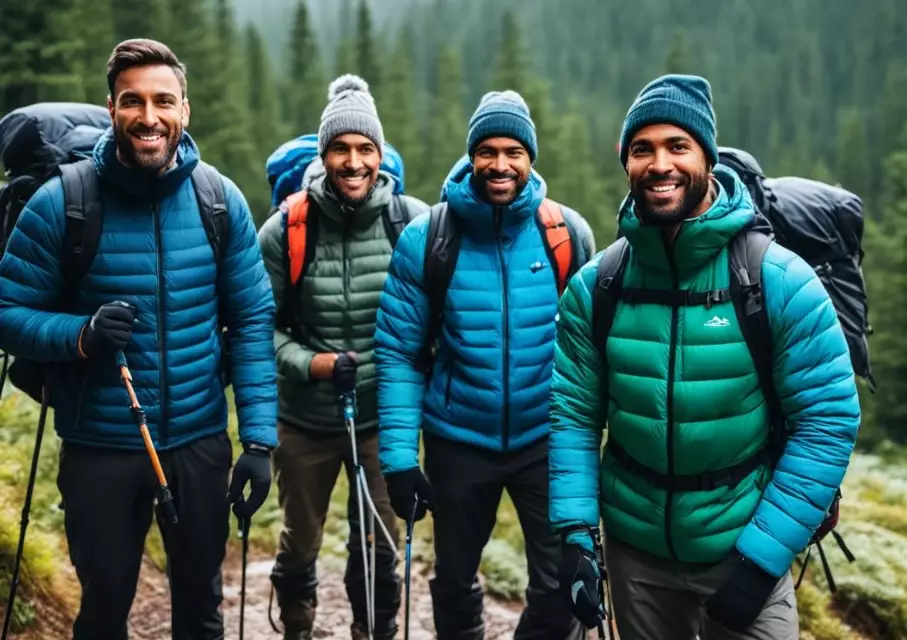
- Insulated Jackets: These use synthetic fill (like PrimaLoft) or down feathers. Synthetic insulation is cheaper, dries faster, and retains warmth when wet. Down is lighter, more packable, and warmer for its weight, but loses all insulating power if soaked. For most camping, especially in damp climates, synthetic is the safer bet.
Outer Layer: Protection
Your shield against wind, rain, and snow. This is your rain jacket and rain pants. Look for "waterproof/breathable" membranes like Gore-Tex or similar technologies from brands like The North Face or Patagonia. Breathability is crucial—it lets sweat vapor escape so you don't get wet from the inside. A good rain jacket has sealed seams, a adjustable hood, and pit zips for extra ventilation during strenuous activity.
Pro Tip: The "Active" vs. "Static" Layer
Here's a nuance most guides miss. Your insulation needs are completely different when you're hiking to your site (active) versus sitting around camp at night (static). That puffy down jacket is perfect for campfire lounging but will have you sweating buckets in ten minutes on the trail. Always pack an extra, dedicated "camp sweater"—a heavier fleece or insulated jacket you only put on when you stop moving.
Material Matters: Your Fabric Survival Guide
Choosing the right fabric is more important than choosing the right brand. Let's break it down.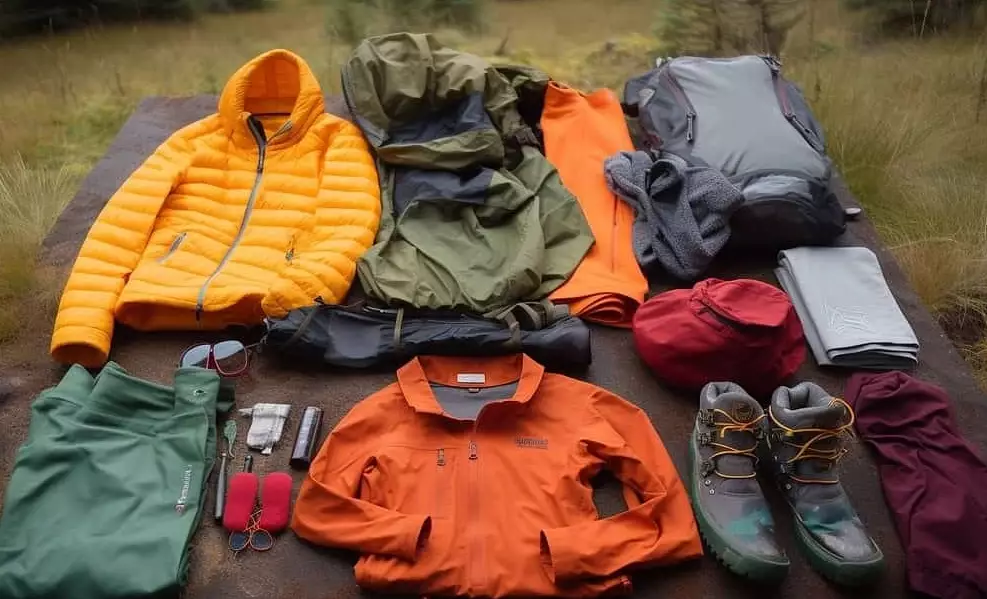
| Material | Best For | Worst For | Key Trait |
|---|---|---|---|
| Merino Wool | Base layers, socks. Multi-day trips where washing isn't an option. | Budget-conscious shoppers (it's pricey). People with wool sensitivities. | Natural temperature regulation & odor resistance. |
| Polyester / Nylon (Synthetic) | Base layers, fleece, rain shells, quick-dry pants. Most camping scenarios. | Extreme fire proximity (melts). | Durable, fast-drying, affordable. |
| Down Feathers | Wet, humid, or rainy conditions. | Superior warmth-to-weight ratio when dry. | |
| Cotton | Short, fair-weather car camping where you're never far from shelter. | Comfortable and breathable in dry heat only. |
The biggest leap in camping comfort I ever made was switching all my socks to merino wool. Blisters? Gone. Foot odor after three days? Dramatically reduced. It felt like a cheat code.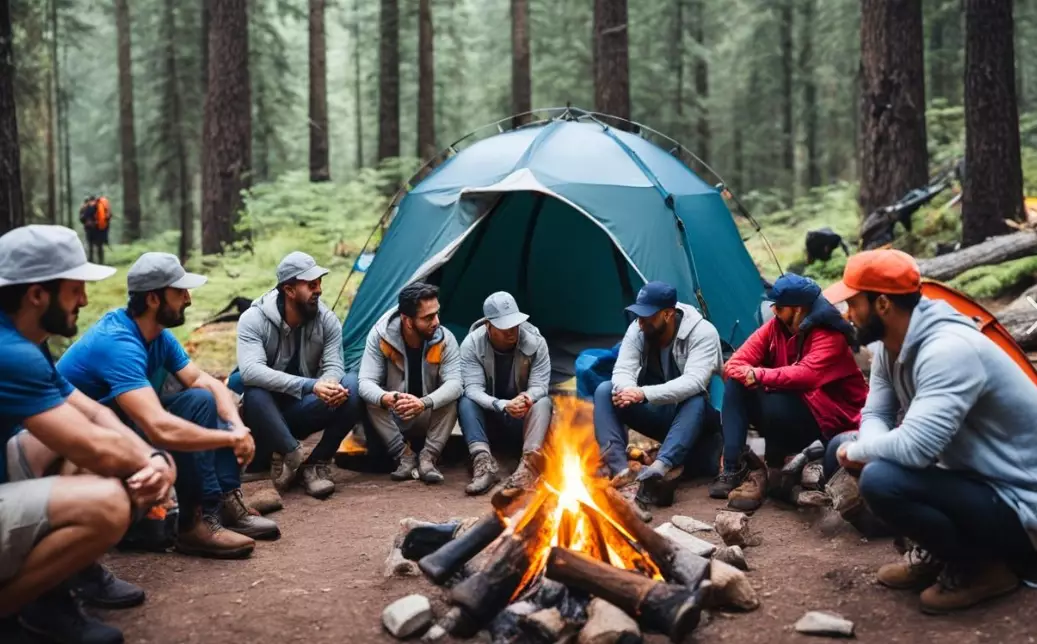
Head-to-Toe Camping Clothing Checklist
Let's get practical. Here’s what should be in your bag, beyond the layering system.
Head & Neck: A warm beanie (wool or fleece) is essential—you lose massive heat through your head. A wide-brimmed hat for sun protection. A Buff or neck gaiter is wildly versatile for face warmth, dust, or as a simple hat.
Torso & Legs: We covered base, mid, outer. Add 2-3 moisture-wicking t-shirts. For pants, convertible hiking pants (the zip-off ones) are cliché but genuinely useful. Otherwise, durable, quick-dry synthetic pants. Avoid tight jeans at all costs.
Hands & Feet: This is critical. Pack two types of gloves: thin liner gloves (for dexterity) and insulated waterproof gloves/mittens. For socks, bring multiple pairs of merino wool or synthetic hiking socks. Never wear the same pair two days in a row to prevent blisters. Camp shoes (like lightweight sandals or crocs) are non-negotiable for giving your feet and hiking boots a break at camp.
Dressing for the Season & Activity
Summer Camping Clothing Advice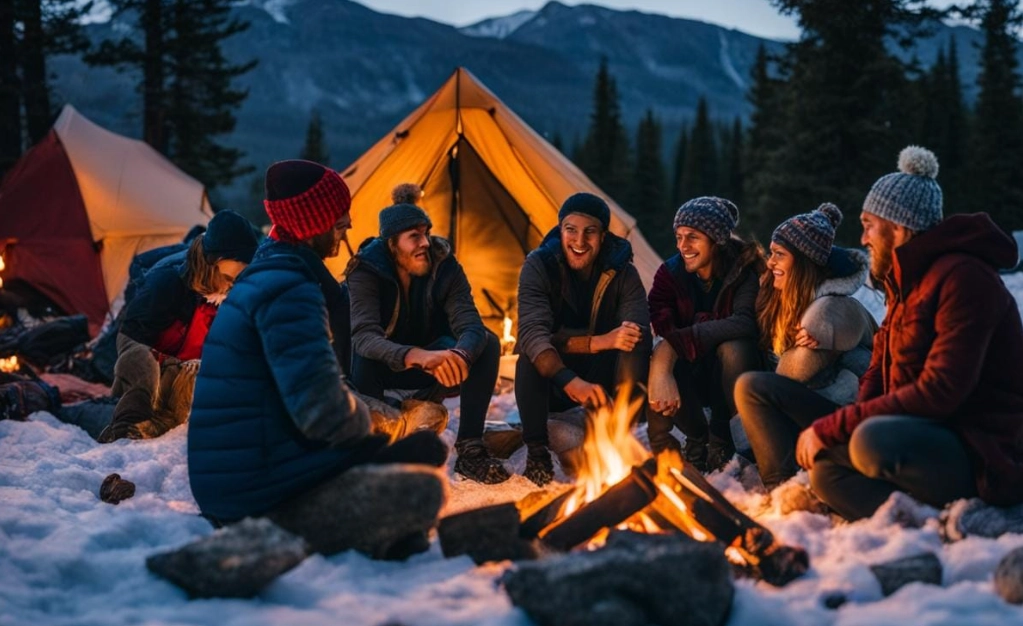
The challenge is heat, sun, and bugs. Think light colors to reflect sun, loose fits for airflow, and full coverage to avoid scratches and bugs. A long-sleeve, lightweight sun hoody is a game-changer. Don't skimp on rain gear—summer storms are fierce.
Winter Camping Clothing Advice
It's all about serious insulation and moisture management. Your base layer is crucial to stay dry from sweat. Consider a heavyweight merino base. Your mid-layer might become two layers (fleece + puffer). Your outer shell must be truly waterproof and windproof. Don't forget insulated, waterproof boots.
Activity-Specific Tweaks
Backpacking: Weight and versatility are king. Favor lighter items that serve multiple purposes (e.g., your puffy jacket is both mid-layer and sleepwear).
Car Camping: You have the luxury of bulk. Bring that extra-comfy camp-specific hoodie, extra socks, and a full change of clothes.
Family Camping with Kids: Pack the infamous "one more layer than you think they need." Kids get cold fast. Use bright colors to spot them easily. And always, always have a complete spare set of clothes for each child sealed in a plastic bag.
Common Camping Clothing Mistakes to Avoid
Packing "Just in Case" Cotton: That old cotton sweatshirt "for camp" will get damp and make you cold. Replace it with a synthetic or wool equivalent.
Overlooking Footwear: Hiking boots need to be broken in before the trip. Blisters can ruin everything. And as stated, camp shoes are essential, not a luxury.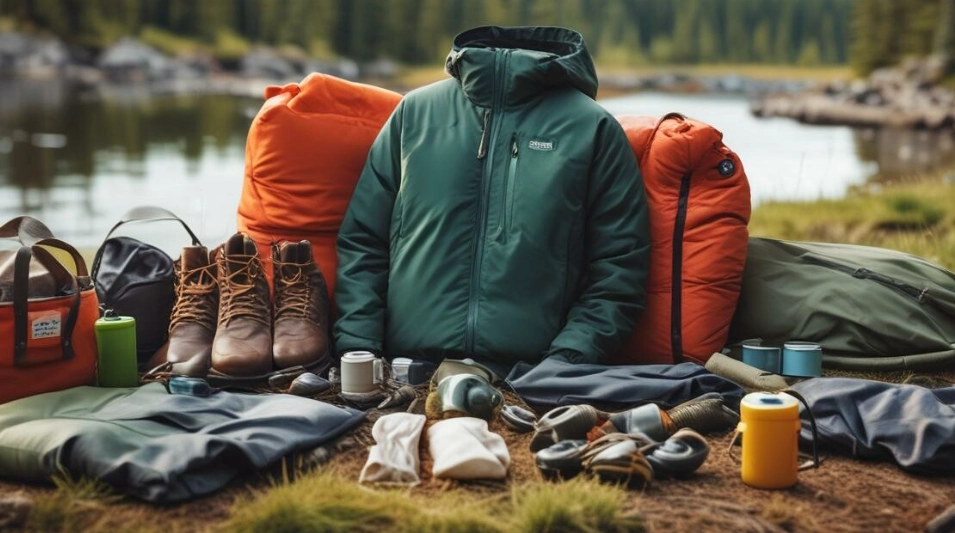
Forgetting About Sleepwear: Never sleep in the clothes you hiked and sweated in. Pack dedicated sleep clothes—clean, dry base layers or lightweight thermals. It keeps your sleeping bag cleaner and you much warmer.
Ignoring the Forecast, Then Relying On It: Check the weather, but prepare for it to be wrong. Mountains and coasts create their own microclimates. Assume it will be 10 degrees colder and wetter than predicted.
Your Camping Clothing Questions Answered
You can, but you probably shouldn't, especially for any real hiking or in wet weather. Denim is heavy cotton. It absorbs water and takes forever to dry, sucking heat from your body. For car camping where you're mostly sitting around, they're okay. For anything more active, quick-dry synthetic pants are a far safer and more comfortable choice.
A good rule is one pair per day of hiking, plus one extra clean pair dedicated for sleeping. So for a 3-day backpacking trip, bring 4 pairs. Rotate them, and always air out the day's pair. For car camping, you can be more generous—clean, dry socks are a major morale booster.
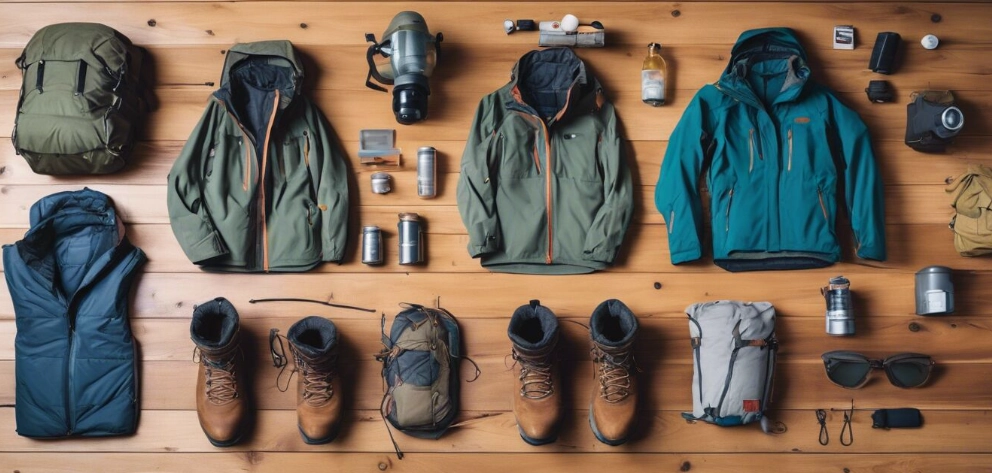 Is a down jacket okay for camping if there's a chance of rain?
It's a risk. If you're confident your waterproof outer shell is absolutely reliable and you'll be diligent about putting it on *before* the down gets wet, it can work. But for most campers, especially in spring or fall, a synthetic insulated jacket is the more versatile and worry-free choice. It'll keep you warm even if your shell wets out or you get caught off guard.
A warm hat. Even in summer, nights can get chilly. A beanie is tiny, weighs nothing, and makes a disproportionate difference in warmth, especially when sleeping. My personal forgettable item used to be gloves. My hands would get cold preparing breakfast, and I'd end up stuffing them in my pockets. Now, liner gloves live permanently in my cook kit.
Not always, but there's a correlation. A $300 Gore-Tex jacket from Arc'teryx will almost certainly have better durability, breathability, and fit than a $50 "waterproof" jacket from a discount store. However, the law of diminishing returns applies hard. A $100 synthetic jacket from REI Co-op or a similar reputable outdoor brand will perform excellently for 95% of campers. Focus on the right materials and features first, brand name second. The most important investment is in your base layer and footwear.