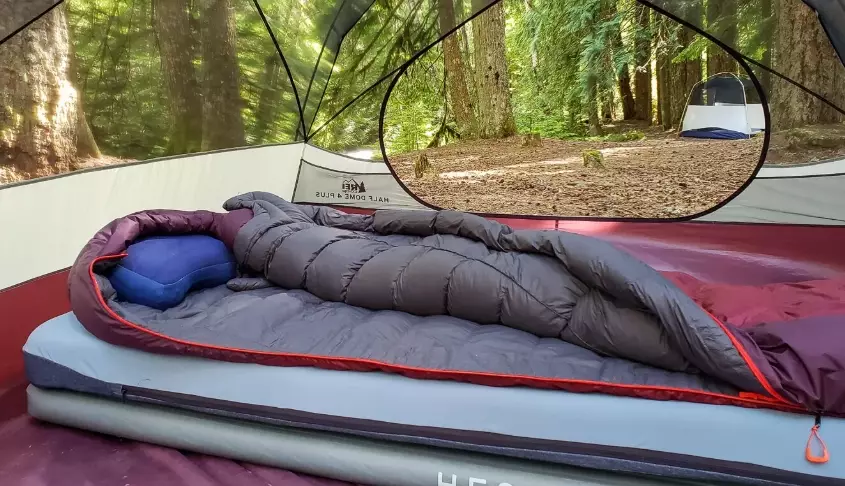
Let's be honest. The idea of traditional camping—sleeping on a thin pad, battling bugs, and eating beans from a can—doesn't appeal to everyone. That's where luxury camping, or glamping, completely changes the game. It's not about giving up on nature; it's about embracing it without sacrificing comfort. Imagine falling asleep under a sky full of stars in a king-sized bed, then waking up to a freshly brewed coffee delivered to your safari-style tent. That's the promise. This guide cuts through the fluff and gives you the real details on where to go, what to expect, and how to make your first (or next) luxury camping experience unforgettable.
Your Quick Guide to Luxury Camping
What Exactly is Luxury Camping?
Forget the old image of camping. Luxury camping is the intersection of raw, breathtaking outdoor settings and the amenities of a high-end hotel. The core idea is simple: remove all the friction and discomfort of traditional camping. You get the soul-soothing benefits of being immersed in nature—the quiet, the views, the fresh air—while enjoying a plush bed, en-suite bathrooms (often with hot running water and proper toilets), quality linens, and sometimes even climate control and private chefs.
Accommodations vary wildly, which is part of the fun. You're not just looking at tents.
A common mistake newcomers make: assuming all glamping is the same. The vibe at a sleek, modern geodesic dome in the desert is worlds apart from a rustic-chic cabin in the redwoods or a lavish safari tent on the savannah. Your choice defines the entire experience.
You might stay in a spacious safari tent, a futuristic geodesic dome, a beautifully restored Airstream trailer, a treehouse, or a yurt. The structure is just the shell; the magic is inside. We're talking about real furniture, decorative lighting, and often a private deck perfect for sunset watching.
Top Luxury Camping Destinations to Experience
Location is everything. A great luxury camping spot isn't just about a nice bed; it's about what's outside your door. Here are three standout destinations that consistently deliver, based on my own travels and extensive research. I've included the specifics you need to know to make a decision.
| Property & Location | Accommodation Type | Key Features & Experience | Price Range (Per Night) |
|---|---|---|---|
| Under Canvas Multiple locations near National Parks (e.g., Zion, Yellowstone, Grand Canyon) |
Upscale Safari Tents | Unbeatable proximity to park entrances. Stargazing decks, wood-burning stoves, en-suite bathrooms. Family-friendly activities. The West Yellowstone location is my top pick for accessing the park's geyser basins with ease. | $250 - $500+ |
| Collective Retreats Vail, Colorado & Governors Island, NY |
Summit Tents & Outlook Shelters | Farm-to-table dining on-site. The Vail location offers stunning mountain views and fly-fishing. The NYC location provides a surreal escape with skyline views. Service is exceptionally attentive. | $400 - $900+ |
| The Resort at Paws Up Greenough, Montana |
Luxury Homes & Safari-Style Tents | The gold standard for luxury. Full butler service (called a "tent butler"), incredible daily guided adventures (horseback riding, cattle drives, rafting). More resort than camp, but set on a 37,000-acre ranch. | $1,500 - $2,500+ (all-inclusive options) |
Booking tip: These places sell out fast, especially for peak summer and fall foliage seasons. Book at least 4-6 months in advance. Don't just look at the base price; check what's included. Some rates include meals and activities, others don't.
How to Plan Your First Luxury Camping Trip?
Planning a glamping trip is closer to planning a boutique hotel stay than a backpacking trip, but with a few key twists.
Step 1: Define Your "Why" and "Who"
Are you looking for a romantic couples' retreat with privacy and champagne? A family adventure where the kids can roam safely? Or a solo recharge in a stunning landscape? Your goal dictates the destination. A place like Paws Up is incredible for families and groups, while a tiny dome for two might be perfect for romance.
Step 2: Research the Nitty-Gritty Details
This is where you avoid disappointment. Don't just look at glossy photos.
Ask these specific questions: Is the bathroom private and en-suite, or is it a shared facility a walk away? Is there electricity for charging devices? Is there heating or air conditioning? (A tent in the desert midday without AC is no joke). What is the dining situation—is there an on-site restaurant, or do you need to bring all your food? How far is the nearest town for supplies?
Call or email the property directly with these questions. Their response time and detail tell you a lot about their service.
Step 3: Pack with Intelligence
Even though you're glamping, you're not in a standard hotel. Pack layers. Temperatures can swing dramatically at night, even in summer. Always bring a warm jacket, a hat, and sturdy, comfortable shoes for exploring. A headlamp is still a genius item for navigating back to your tent after dark, even if the paths are lit.
My personal rule: pack one nice outfit for dinners if the resort has a nice restaurant, but otherwise, prioritize comfort and practicality. Leave the high heels at home.
Luxury Camping Gear: What to Bring (And What to Leave)
You don't need a $500 sleeping bag, but a few key upgrades can elevate your comfort, especially if your chosen spot is more "camp" than "glam."
Bring This: A high-quality, compact travel blanket or poncho. Perfect for cooler evenings on your private deck. A portable power bank for your phones and cameras. A durable, insulated water bottle. A pair of premium binoculars for wildlife viewing—this one item has provided more value on my trips than almost anything else. A small Bluetooth speaker for your own soundtrack (used respectfully at low volume).
Leave This: Your entire kitchen setup. Most luxury spots provide cooking facilities or meals. A massive, bulky sleeping pad. Your giant, multi-room family tent. Tons of canned food. Overpacking is the most common error I see. You're paying for convenience and curated experience—use it.
The gear should supplement the experience, not define it. Focus on items that enhance your enjoyment of the location itself.
Your Luxury Camping Questions Answered
Is luxury camping worth the cost for a family, or is it better for couples?
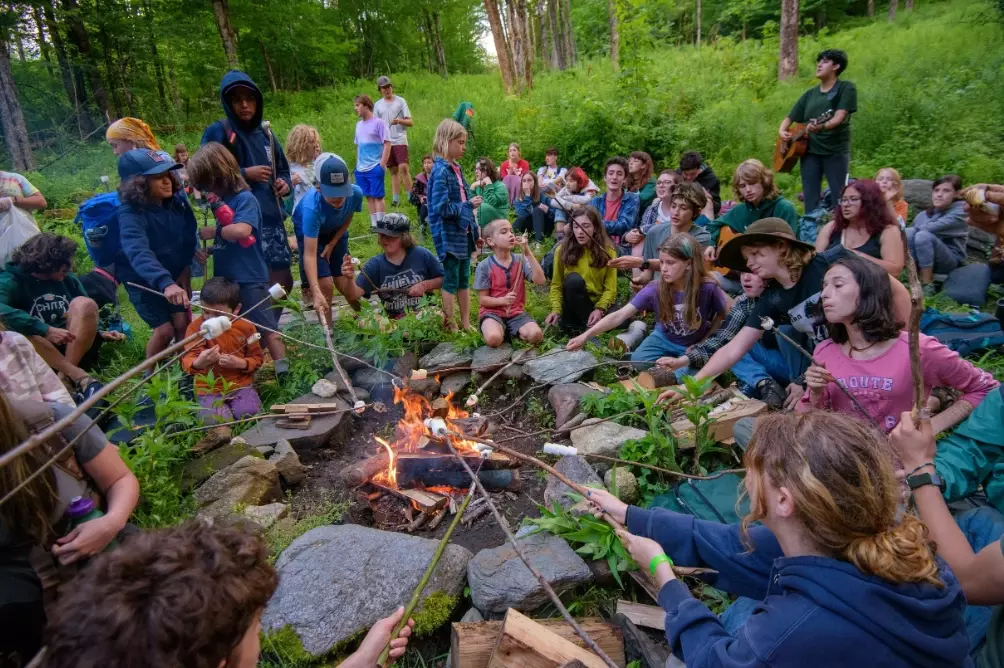
It can be fantastic for families, but you have to pick the right place. Look for properties with dedicated family tents (often with separate sleeping areas or bunk beds), organized kids' activities, and safe, open spaces for them to play. The per-night cost might seem high, but when you factor in the built-in entertainment (nature, guided hikes, s'mores by the fire) and the unique memories created, it often compares favorably to a crowded theme park hotel where every activity costs extra. For couples, the value is in the seclusion and romance.
What's the one thing most people forget to check before booking a glamping site?
The cancellation policy and what happens in bad weather. Luxury tents are sturdy, but a major storm can impact your plans. Does the site offer a weather guarantee or a flexible rebooking policy? Also, check the check-in/check-out times and process. Some remote locations have strict windows because someone has to guide you to your site. Showing up at 10 PM might not be an option.
Can you have a real luxury camping experience if you bring your own tent?
Absolutely, but it shifts the work to you. The core of commercial glamping is the service and setup. To DIY it, you need to invest in high-comfort gear: a large, stand-up canvas tent, a proper camp bed or luxurious air mattress with high-thread-count sheets, a portable shower system, and a camp kitchen setup that goes beyond a single burner. You also have to find a stunning, permissible location. It's more effort, but it allows for total customization. For most people wanting a hassle-free escape, the curated resort experience is the better starting point.
How do you balance being "in nature" with the luxury amenities? Doesn't it feel disconnected?
This is a fair concern. The best luxury camping experiences use design to enhance the connection, not break it. Large windows that disappear, decks that put you right in the tree canopy, outdoor bathtubs, and fire pits that become the evening's focal point. The amenity isn't a TV in your tent (though some have them); it's the hot tub under the stars or the guided meditation at sunrise. It feels disconnected only if the property is poorly designed. The goal is to make nature the main event and the comfort the supporting act.
The shift towards luxury camping isn't a fad. It's a response to a real desire to disconnect from daily stress and reconnect with the natural world—but on terms that don't involve personal hardship. It makes the profound beauty of wild places accessible to more people. Whether you choose a safari tent under the Montana big sky or a dome in the Utah desert, the result is the same: you come back refreshed, inspired, and probably a little spoiled for ordinary life.