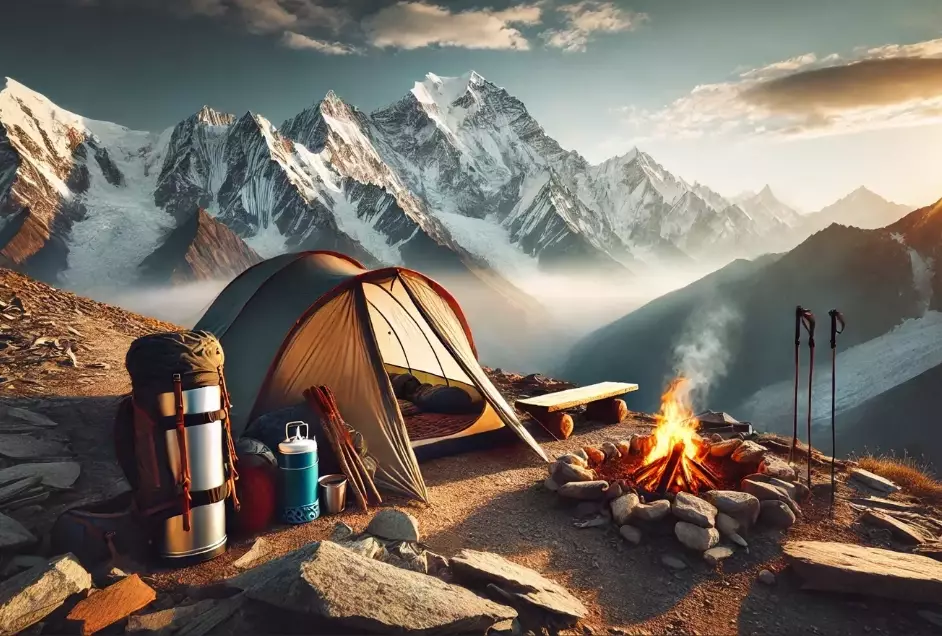
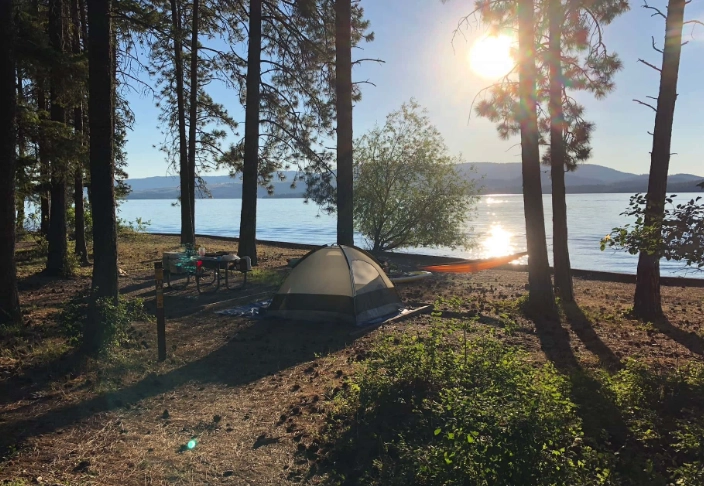
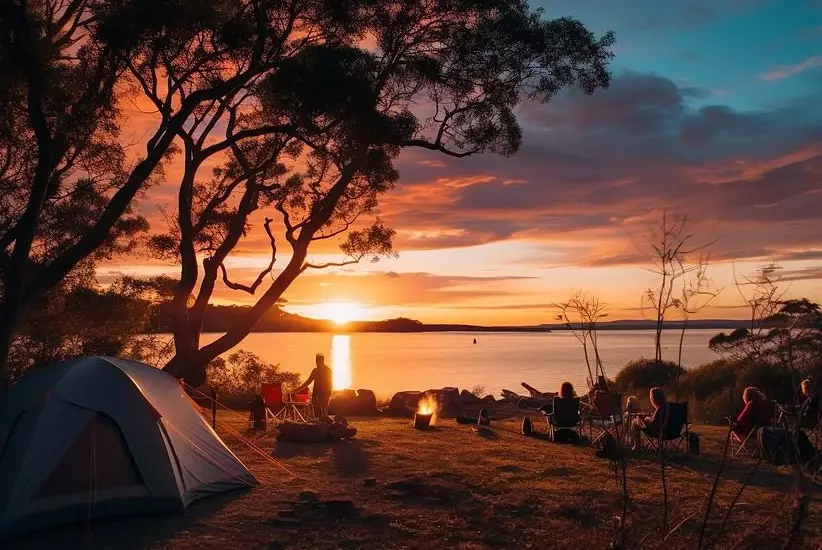
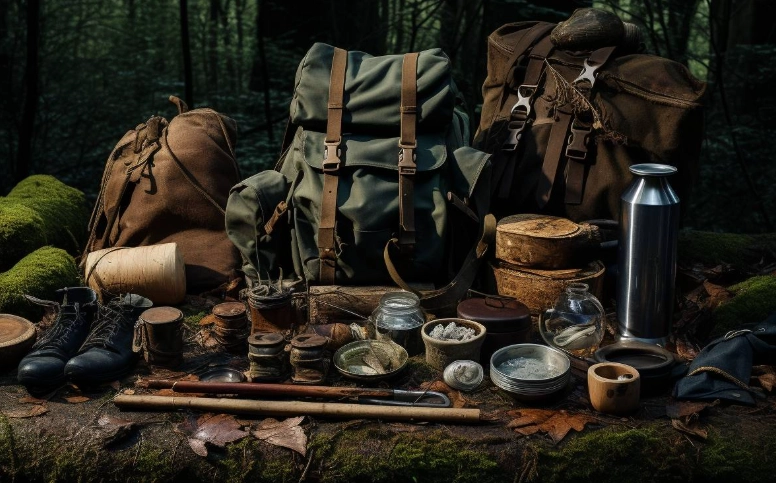
Camping festivals are more than just concerts in a field. They're multi-day communities where music, art, nature, and self-reliance collide. You trade hotel walls for a tent, predictable schedules for spontaneous adventures, and passive listening for a fully immersive experience. But what exactly are they, and how do you navigate your first one without becoming a cautionary tale about mud, forgotten tent poles, or sleep deprivation? Let's break it down.
Your Festival Journey Starts Here
What Are Camping Festivals, Really?
Think of it as a temporary city built around a shared passion—be it music, arts, wellness, or a specific subculture. Your ticket grants you access to stages, activities, and a patch of ground to call home for the weekend. The core difference from a day festival is the commitment. You're living there.
The vibe varies wildly. Some, like Burning Man, are radical experiments in self-expression and decommodification (you can't buy a coffee there, only gift or trade). Others, like Glastonbury, are sprawling mega-events with hundreds of musical acts across dozens of stages. Then you have genre-specific ones like Electric Forest (electronic/ jam bands) or Bluegrass festivals nestled in the mountains.
Here's a common mistake I see: people treat it like a glorified picnic. They bring a flimsy tent, no shade, and expect to live on festival burgers. You'll burn out by day two. The mindset shift is key—you're not just attending; you're temporarily inhabiting a new, often challenging, environment. Your preparation dictates your enjoyment.
Top Camping Festivals to Experience
Choosing your first (or next) festival is huge. Location, scale, music, and culture all matter. Here’s a breakdown of iconic events that define the spectrum. Ticket prices are rough estimates for standard passes and sell out fast—often months in advance.
| Festival | Location | Typical Dates | Ticket Price (Guide) | The Vibe & Notes |
|---|---|---|---|---|
| Burning Man | Black Rock Desert, Nevada, USA | Late August - Early September | $575 - $2,500+ | Not a spectator event. A participatory city based on radical self-reliance, art, and community. Requires immense preparation (food, water, shelter for 7+ days in desert). Read the official Survival Guide first. |
| Glastonbury Festival | Worthy Farm, Pilton, England | Late June | £340 + (≈ $425) | The granddaddy. Massive scale with pop, rock, electronic, and everything else. Famous for its sprawling "city" feel, hidden venues, and unpredictable weather (wellies are mandatory). Tickets are lottery-based. |
| Electric Forest | Rothbury, Michigan, USA | Late June | $450 - $800+ | Magical immersion in a Sherwood Forest-themed setting. Blends electronic music with jam bands. The forest itself, lit up at night with art installations, is the main attraction alongside the music. |
| Telluride Bluegrass Festival | Telluride, Colorado, USA | Mid-June | $100 - $250 (per day) | Set in a stunning box canyon in the Rockies. More focused on the music and natural beauty. Camping is in town park or nearby lots. Atmosphere is family-friendly and chill compared to giant raves. |
| Shambhala Music Festival | Salmo River Ranch, British Columbia, Canada | Early August | $400 - $550 (CAD) | Pioneering, independent festival on a family farm. No corporate sponsors. Known for its incredible, Funktion-One sound systems at each stage and a strong harm-reduction culture. A favorite among electronic music purists. |
My personal take? Glastonbury's scale is awe-inspiring, but it can feel overwhelming. For a first-timer, a mid-sized festival with a clear theme, like Electric Forest or a regional bluegrass fest, often offers a more manageable and deeply satisfying introduction to the scene.
How to Prepare for Your First Festival
This is where most people fail. Packing isn't just about clothes and a tent; it's about systems for comfort, safety, and community.
The Non-Negotiable Gear List
Forget the festival's sponsored packing list. Here’s what you actually need, based on forgetting half of it at least once.
- Shelter & Sleep: A sturdy tent (test pitch it at home!), sleeping bag rated for nighttime lows, sleeping pad (inflatable is worth it), earplugs (for sleeping), and an eye mask. A cheap tarp to go under your tent is a mud-saver.
- Camp Comfort: A canopy or shade structure is arguably more important than your tent. Camp chairs, a small folding table, battery-powered fairy lights (helps find camp at night), and a rug.
- Sustenance: Large water jug(s) with a spigot, non-perishable food (nuts, bars, jerky, fruit), a camp stove if allowed, cooler with ice, utensils, and a sharp knife. Hydration packs are better than water bottles for dancing.
- Clothing & Personal: Pack for all weather: sun hat, warm layers, rain poncho, sturdy boots. Multiple socks. Baby wipes are your shower. Hand sanitizer. Sunscreen. A small first-aid kit. Portable phone charger.
Everyone remembers the tent. Few remember a mallet for hard ground, zip ties and duct tape for emergency repairs, a headlamp (hands-free lighting is gold), and a bandana (dust mask, sweatband, napkin). Also, bring a physical map of the festival grounds. Phone service will die.
Logistics Are Everything
Know the rules. Can you bring glass? Propane? When does camping open? What's the car search like? Plan your arrival. Showing up at 5 PM Friday means a mile-long hike to the farthest camping spot. Arrive early.
How to Survive and Thrive at the Festival
You've arrived. Now what? The first few hours set the tone.
Setting Up Camp: Befriend your neighbors immediately. Help them with their canopy. This builds your local community—people who will watch your stuff, share supplies, and become friends. Orient your tent door away from the prevailing wind and morning sun (unless you want to bake at 7 AM).
The Daily Rhythm: The sun is your alarm clock. Mornings are for coffee, exploring, and workshops. Afternoons heat up—seek shade or water features. Evenings are for music and exploration. Pace yourself. You don't need to see every headliner. Some of the best moments happen at tiny stages or back at camp.
Sustainability Isn't a Buzzword: It's survival. Use the Leave No Trace principles. Have a trash/recycling system at camp. Bring a reusable cup, plate, and utensils. The sight of a post-festival field littered with single-use tents is depressing. Be part of the solution.
Safety & Health: Drink more water than you think you need. Eat actual food, not just snacks. Know where the medical and harm-reduction tents are. Use the buddy system. Trust your gut—if a situation feels off, leave.
Your Burning Festival Questions Answered
The magic of a camping festival isn't just the headliner on the main stage. It's the sunrise over a field of tents, the spontaneous drum circle, the kindness of a stranger who shares their water, and the profound sense of accomplishment when you pack up your clean camp, tired but happy. It's a skill-building, community-oriented adventure. Do the prep, respect the land and the people, and you'll unlock an experience that a hotel-based concert could never offer.