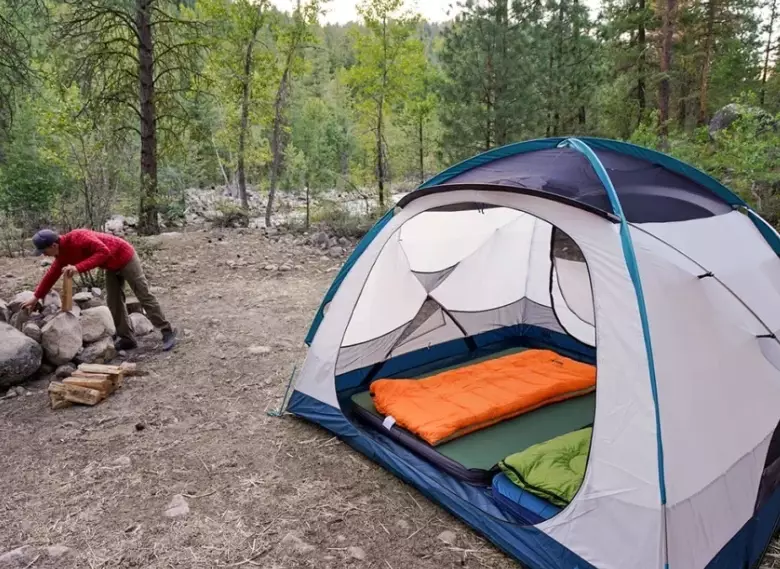
I spent last weekend in a downpour, tucked inside a tent I'd bought based on glowing five-star reviews. The problem? A steady drip was finding its way onto my sleeping bag from a seam I'd missed in the product photos. That experience, more than any other, convinced me that reading—and writing—camping equipment reviews is a skill. It's not about finding the most reviews, but the right ones. A single, detailed account of a tent surviving a mountain storm is worth a dozen "Great tent!" comments. This guide is about cutting through the noise. We'll look at how to spot a genuinely helpful review, how to write one that matters, and why this process is the single best way to avoid gear failure miles from the nearest road.
What’s Inside This Guide
Why Camping Gear Reviews Are Your Secret Weapon
Manufacturer specs tell you the weight, the packed size, the denier of the fabric. They don't tell you if the zipper snags every third time you use it, or if the sleeping pad insulation feels thinner than advertised on a 40-degree night. That's the domain of user reviews. They provide real-world context that specs sheets ignore.
Think about a camping stove. The box says it boils water in 3.5 minutes. A review from someone who used it at 8,000 feet in a light wind tells you it actually took over 6 minutes, and the flame was unstable. That's critical information. Reviews bridge the gap between laboratory conditions and your specific trip—be it a family car-camping weekend or a solo backpacking trek.
More importantly, consistent patterns in reviews reveal chronic issues or unexpected strengths. If fifteen people mention the same stitching flaw on a backpack's hip belt, that's a design problem, not bad luck. Conversely, if dozens of reviewers praise a sleeping bag's comfort well below its official temperature rating, you've found a gem that outperforms its marketing.
How to Read Reviews Like a Pro (And Spot the Fakes)
Not all reviews are created equal. Here’s how to filter for the gold.
Look for Specificity and Story
A good review reads like a short story. "Used this rain jacket on a 4-day hike through the Scottish Highlands. Constant drizzle on days 1-3, heavy rain on day 4. Beads water perfectly, but after 6 hours of steady rain on day 4, I felt slight dampness on the shoulders. Pit zips are a lifesaver for ventilation." This tells you everything. You know the testing environment, the duration, the limits of the gear. Vague praise like "Kept me dry!" is useless.
Look for details about setup (Was the tent intuitive or frustrating?), durability over time (How does it look after 20 trips?), and comparisons ("This pack carries weight better than my old Brand X model").
Assess the Reviewer's Profile and Photos
Many platforms let you see a reviewer's history. A profile with a mix of reviews for different products (tents, stoves, headlamps) feels more authentic than one that only reviews products from a single brand. User-uploaded photos are invaluable, especially if they show the gear in use, dirty, or highlighting a specific feature or flaw. A photo of a tent sagging in the rain tells more than any description.
Identify Red Flags
Be wary of reviews that are overly generic, use excessive marketing jargon straight from the product page, or are posted in a large batch around the same time. Reviews that only talk about delivery speed or packaging are missing the point entirely. Also, watch for the "free product" disclaimer. It doesn't automatically invalidate a review, but it requires more scrutiny. Did the reviewer still mention downsides?
One subtle mistake I see new campers make is ignoring reviews from people with different use cases. A weekend car camper might love a heavy, feature-rich tent that a backpacker would hate. Filter reviews by your intended activity if the platform allows it.
How to Write a Camping Gear Review That Actually Helps
You've used the gear. Now pay it forward. A thoughtful review helps others and creates a better marketplace.
Start with Your Testing Ground
Context is king. Begin by stating how you used the gear and for how long. "I've used this sleeping pad for 15 nights over 6 months, in conditions ranging from a soft forest floor to rocky granite." This immediately establishes your review's credibility. Mention the weather, the terrain, the temperature. Was it a brutal test or a gentle one?
The Good, The Bad, The Nitty-Gritty
Structure your thoughts. Don't just stream consciousness.
What Worked Brilliantly: Was the tent's vestibule massive enough for two muddy backpacks? Did the cooler ice last a full 5 days? Be precise.
What Frustrated You: This is crucial. Was the stove's igniter finicky in humidity? Did the backpack's water bottle pockets fail to securely hold a 1-liter bottle while walking? These specific pain points are what future buyers need to know.
The Unadvertised Details: This is where you add unique value. "The stuff sack for this sleeping bag is actually generously sized, so repacking it in the morning isn't a wrestling match." Or, "The anodizing on the cookpot started wearing off after the third trip, but it doesn't affect performance."
Include a Real Rating
Go beyond stars. If you must give a star rating, explain it. "I'm giving this 4 stars because while the warmth-to-weight ratio is exceptional, the zipper draft tube is poorly designed and lets in cold air." Consider rating specific attributes: Durability: 5/5, Packed Size: 3/5, Ease of Use: 4/5.
Would you buy it again? That simple, final question sums up your entire experience.
A Review in Action: The Good, The Bad, The Unhelpful
Let's break down three real snippets you might find online for the same hypothetical backpacking tent, the "Alpine Trekker 2."
The Unhelpful Review (1 Star): "This tent is garbage. It leaked the first time I used it. Do not buy."
Why it fails: No context. Was it user error? Did they not seal the seams? What was the rain like? This is emotional venting, not useful information.
The Mediocre Review (5 Stars): "Awesome tent! Fast shipping. Set it up in the backyard with my kids, they love it. Great quality."
Why it's limited: The testing environment (backyard) doesn't match the product's intended use (alpine trekking). It mentions no specific features, strengths, or weaknesses. It might be genuine, but it's not helpful for a backpacker.
The Helpful Review (4 Stars): "Used the Alpine Trekker 2 on a 7-day section of the PCT in Oregon. Experienced one night of heavy wind-driven rain. The fly taught and guy lines held well, no water inside. The real standout is the vertical wall design—I'm 6'2" and could sit up straight anywhere inside. Downsides: The pole sleeves are a tight fit when your hands are cold, adding a minute to setup. Also, the stuff sack is borderline too small after a wet pack-up. Overall, a great balance of space and stormworthiness for the weight."
Why it works: Specific use case, mentions a weather test, gives concrete pros (headroom, storm performance) and cons (pole sleeves, stuff sack), and provides relevant detail for tall users. This is the review that sells (or wisely unsells) the tent.