Quick Guide Highlights
- The Absolute Core of Your Camping Kit
- Choosing Gear Based on Your Camping Style
- Beyond the Basics: The "Nice-to-Haves" That Feel Like "Need-to-Haves"
- Common Camping Equipment Questions (The Stuff You Actually Google)
- The Not-So-Fun Stuff: Safety and Leave No Trace
- Building Your Kit: A Step-by-Step Approach
Let's be real. Shopping for camping gear can feel overwhelming. You walk into a store or scroll online, and you're hit with a wall of tents, sleeping bags with confusing temperature ratings, stoves that look like they belong on a spaceship, and a thousand little gadgets all claiming to be "essential." It's enough to make you want to just book a hotel instead.
I've been there. I've bought the wrong stuff, been cold, been wet, and carried way too much weight on my back. But I've also had those perfect nights under the stars, where every piece of gear just worked, and all that mattered was the crackle of the fire and the quiet of the woods.
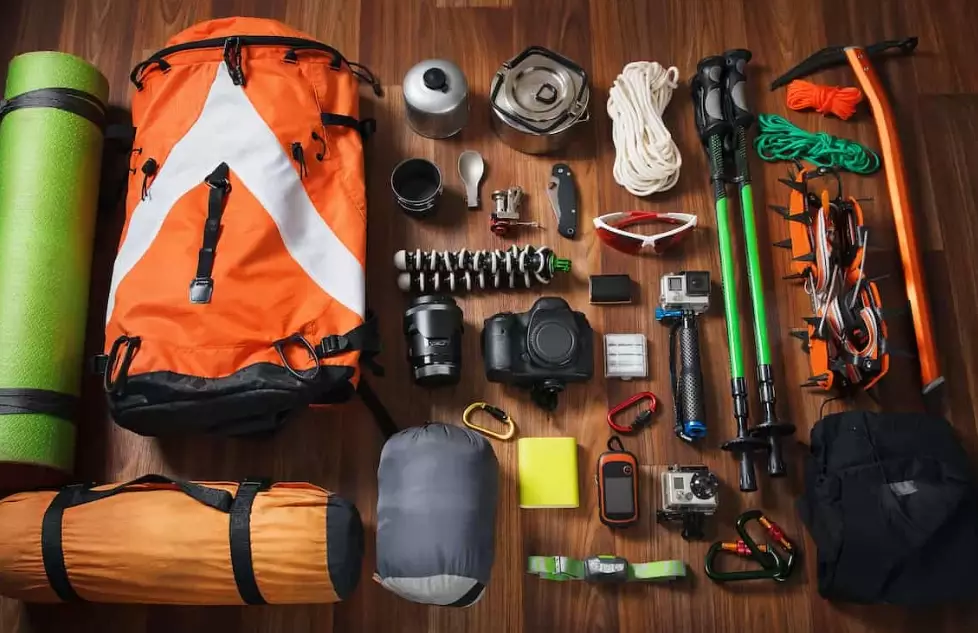 The goal isn't to own the most stuff. It's to own the right stuff.
This guide is what I wish I had when I started. We're not just listing products. We're talking about camping equipment as a system—the stuff that keeps you safe, dry, warm, and fed. Whether you're parking your car ten feet from your site (car camping bliss) or hiking miles into the backcountry, the principles are the same. You just scale them up or down.
We'll break it down piece by piece, talk about common mistakes (so you can avoid my blunders), and answer the questions that pop up when you're trying to make a decision. No jargon, just straight talk.
The Absolute Core of Your Camping Kit
Think of these four categories as the non-negotiables. Forget the fancy coffee grinder or the solar-powered string lights if you don't have these basics dialed in first.
Shelter: Your Home Away From Home
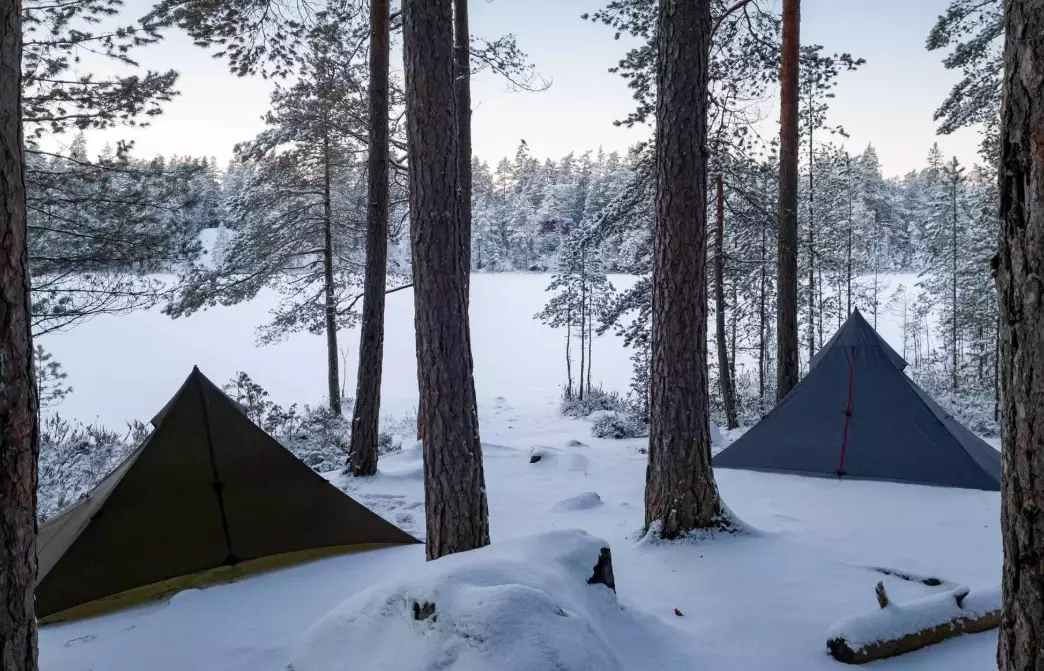
Your tent is your most visible piece of camping equipment. Get this wrong, and nothing else matters. The big question: car camping or backpacking?
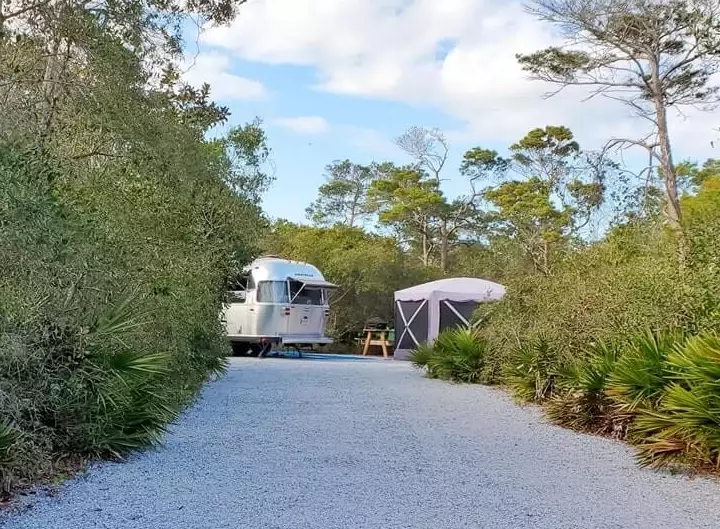
For car camping, you have the luxury of space and weight not mattering much. Go big. A 4-person tent for two people is the sweet spot. It gives you room for your gear and to sit up without feeling claustrophobic. Look for a full-coverage rainfly (that's the outer waterproof layer) and a bathtub floor (where the floor material comes up the sides a few inches to prevent ground water seepage). I made the mistake of buying a cheap "3-season" tent once. A heavy rain turned it into a 3-season swimming pool. Lesson learned—don't skimp on waterproofing.
Pro Tip: Always set up a new tent in your backyard or living room before your trip. You do not want to be deciphering confusing poles and weird clips for the first time as the sun is setting or in the rain.
For backpacking, every ounce counts. You'll trade space and sometimes a bit of durability for lightweight materials. Look at the "packed weight" and the "trail weight" (which usually excludes stuff sacks and stakes). A good 2-person backpacking tent is a marvel of engineering, but they come with a higher price tag. The key feature here is easy, intuitive setup when you're tired at the end of a long hike.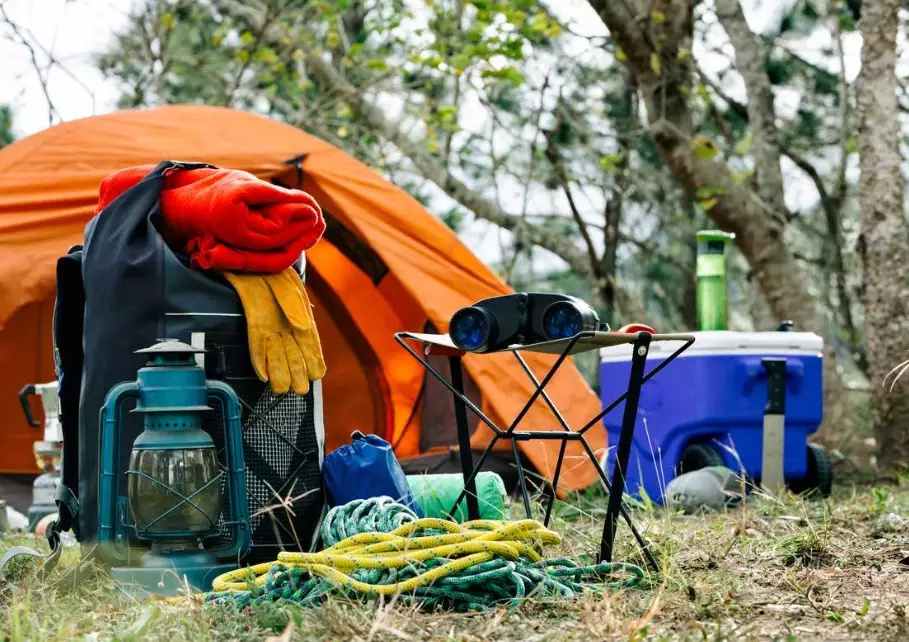
The Sleep System: Because No One Likes Being Tired and Cold
This is a trio: sleeping pad, sleeping bag, and pillow.
The sleeping pad is arguably more important than the bag. It's not just for comfort; it's for insulation. The ground sucks heat out of your body. A good pad has a high R-value (the measure of thermal resistance). For summer, R-2 might be fine. For three-season use, aim for R-3 to R-4. For winter, you need R-5 or higher. I started with a basic foam pad. It was cheap and durable, but I felt every rock. I switched to an inflatable one and finally understood what "sleeping well outdoors" meant.
Sleeping bags are all about the temperature rating. That "20°F" rating is a survival rating, not a comfort rating. If you're a cold sleeper (like me), get a bag rated for temperatures colder than you expect. Down insulation packs smaller and is lighter but is useless when wet. Synthetic insulation is bulkier and heavier but will keep you warm even if damp. It's a classic trade-off.
Cooking Gear: Fuel for Adventure
You don't need a gourmet kitchen, but a reliable way to boil water and cook simple meals is essential camping gear.
For car camping, a classic two-burner propane stove is the workhorse. It's stable, powerful, and the fuel canisters are easy to find. You can pair it with a basic mess kit or just use your home pots and pans.
For backpacking, you're in the world of compact canister stoves or integrated systems. They're tiny, light, and boil water in minutes. The fuel efficiency and boil time are key metrics here. Don't forget the lighter or matches (store them in a waterproof bag!) and a compact pot with a lid.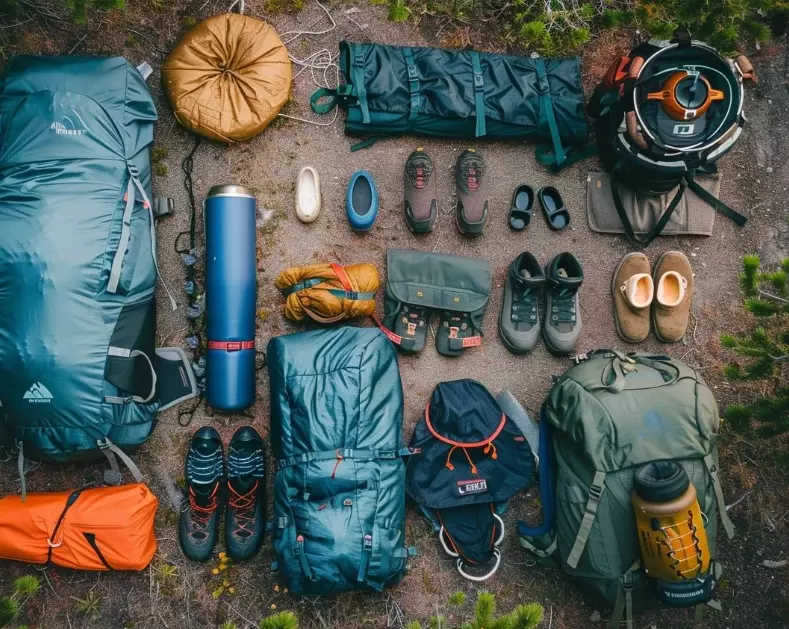
Safety First: Never, ever use a stove inside your tent or vestibule. Carbon monoxide poisoning is a silent, deadly risk. Always cook in a well-ventilated area, away from flammable materials like your tent fabric or sleeping bag.
Lighting: Seeing is Believing
When the sun goes down in the woods, it gets dark. A headlamp is the single most useful lighting piece of camping equipment you can own. It keeps your hands free for cooking, setting up tent, or finding the path to the bathroom. Look for one with a red light mode to preserve your night vision (and not blast your camp neighbors). A good old-fashioned lantern for ambient light at the picnic table is also a game-changer for card games and late-night chats. I have a bulky old gas lantern I never use anymore—it's all about lightweight, bright LEDs now.
Choosing Gear Based on Your Camping Style
Not all camping is the same. Your gear list should flex to match your trip. Here’s a quick breakdown of priorities.
| Camping Style | Priority for Gear | What You Can Splurge On | What You Can Save On |
|---|---|---|---|
| Car Camping | Comfort, Space, Convenience | A spacious tent, a thick sleeping pad, a large cooler, comfy camp chairs. | Stove (basic 2-burner is fine), kitchenware (use old home stuff), lighting. |
| Backpacking | Weight, Packability, Function | Tent, sleeping bag, backpack, sleeping pad. Every ounce saved here is worth it. | Clothing (technical fabrics are great, but you don't need the most expensive), some cooking utensils. |
| Family Camping | Durability, Simplicity, Fun | A bomb-proof, easy-to-pitch tent. Kid-sized sleeping bags and pads. Games. | Individual fancy gear. Focus on robust, simple, and easy-to-clean items. |
| Bike Touring | Compactness, Aerodynamics, Weight | Ultra-compact tent, small-packed sleeping bag, efficient micro-stove. | Bulky items, extra clothing, large containers. |
See how the focus shifts? A family camper needs a tent that can survive excited kids, while a backpacker needs that same tent to weigh less than a pair of shoes.
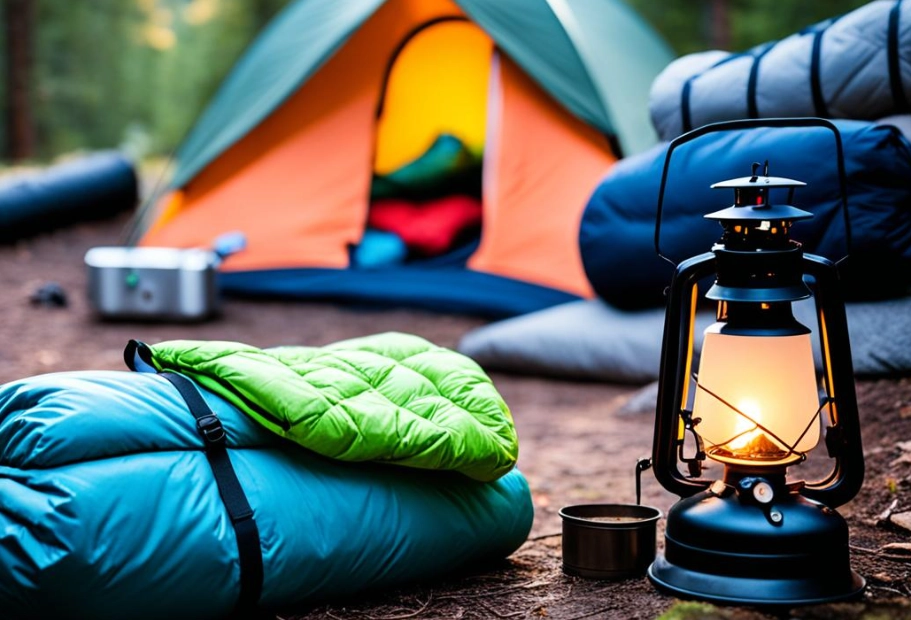 Your adventure defines your gear list.
Beyond the Basics: The "Nice-to-Haves" That Feel Like "Need-to-Haves"
Once you have the core camping equipment sorted, these items can seriously upgrade your experience.
- A Good Camp Chair: Sitting on a log gets old fast. A lightweight, packable chair is worth its weight in gold for relaxation.
- Water Filtration/ Purification: For backpacking or long trips, being able to safely drink from natural sources is a superpower. Pump filters, squeeze filters, or chemical treatments are key. The CDC has excellent guidelines on backcountry water treatment methods.
- Proper Food Storage: This is a safety and environmental must. In bear country, a bear-resistant canister is non-optional. Everywhere else, a simple ratchet-lid hard cooler or a dedicated smell-proof bag hung from a tree keeps critters out of your snacks.
- A Multi-tool or Knife: For fixing gear, preparing food, or a hundred little tasks. You don't need a Rambo knife; a simple, sharp folding knife or a Leatherman-style tool is perfect.
Common Camping Equipment Questions (The Stuff You Actually Google)
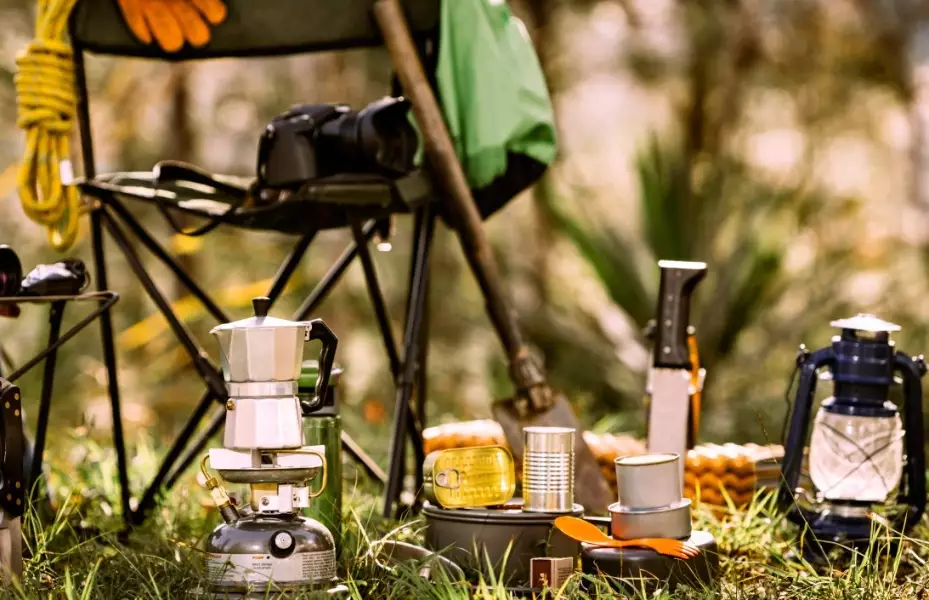
- Always store gear clean and dry. Never put a tent away damp. Wipe down your stove. Shake out your sleeping bag.
- Store tents and sleeping bags loosely. Don't keep them compressed in their stuff sacks long-term. Hang them in a closet or use a large storage bag. This preserves the loft and waterproof coatings.
- Check and recharge batteries in headlamps and GPS devices before storing them for the season.
The Not-So-Fun Stuff: Safety and Leave No Trace
Your camping equipment isn't just for your fun—it's for your safety and the environment's protection.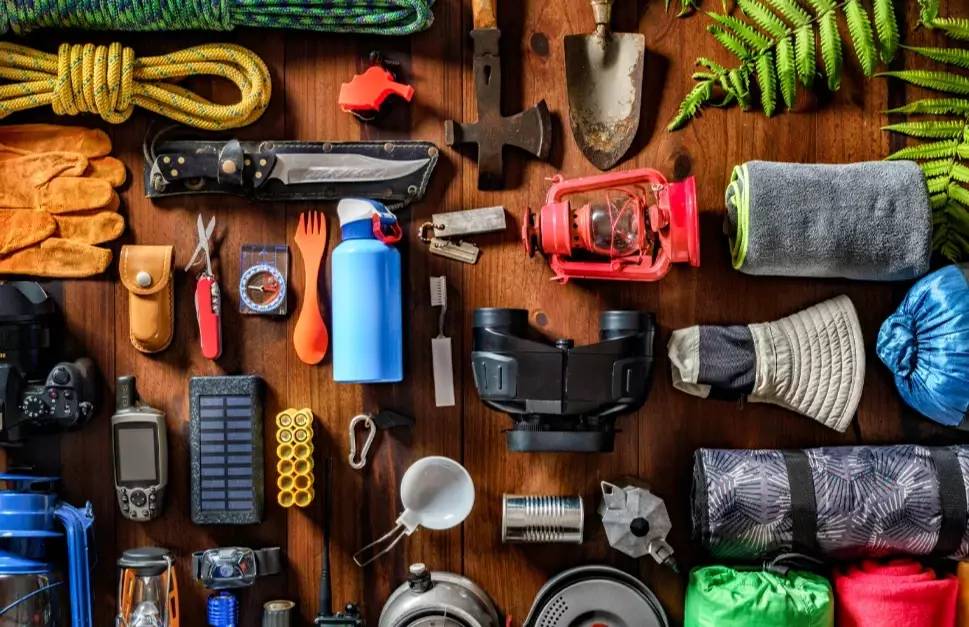
A simple, well-stocked first-aid kit is non-negotiable. You can buy a pre-made one or assemble your own, but make sure it has bandages, antiseptic wipes, blister treatment, pain relievers, and any personal medications. Knowing basic first aid is more important than the kit itself.
Then there's Leave No Trace (LNT). This is an ethic, not a rulebook, and your gear choices support it. A trowel for digging catholes, bags for packing out all trash (including toilet paper in many fragile areas), and that bear canister are all LNT tools. The official Leave No Trace Center for Outdoor Ethics website is the definitive source for the seven principles. It's required reading, in my opinion.
My Personal Rule: I always carry a dedicated trash bag that's stronger than a grocery bag. There's nothing worse than a bag breaking and scattering trash you thought was secured. A small roll of duct tape wrapped around a water bottle can fix a torn bag—or a torn tent, for that matter.
Building Your Kit: A Step-by-Step Approach
Feeling overloaded with info? Let's simplify it into action steps.
Start with your next trip in mind. Is it a weekend at a drive-in state park site? Great.
Step 1: Secure the Big Three. Borrow or rent a tent that fits your group. Get a sleeping bag and pad appropriate for the forecasted low temperature. Find a way to cook (a borrowed stove or even a simple butane single burner).
Step 2: Gather the Small Essentials. Headlamp, water bottles, a cooler for food, a basic first-aid kit, a map of the area, matches/lighter.
Step 3: Go Camping! Use your gear. Take mental (or actual) notes. What was annoying? What did you wish you had? Was your sleeping pad not warm enough? Did you struggle with the tent poles?
Step 4: Refine. Use your experience to guide your first purchase. If you were cold all night, invest in a better sleeping bag or pad first. If setting up the tent was a nightmare, research user-friendly designs.
This gradual, experience-based approach prevents you from dropping a ton of money on camping gear that doesn't suit your actual needs. Your kit will evolve with you.
Look, at the end of the day, the best camping equipment is the gear that gets you outside and lets you enjoy it. It doesn't have to be perfect or the latest model. It has to be reliable and right for you. Forget the pressure to have the Instagram-perfect setup. Focus on a dry shelter, a warm sleep, a full stomach, and a safe trip.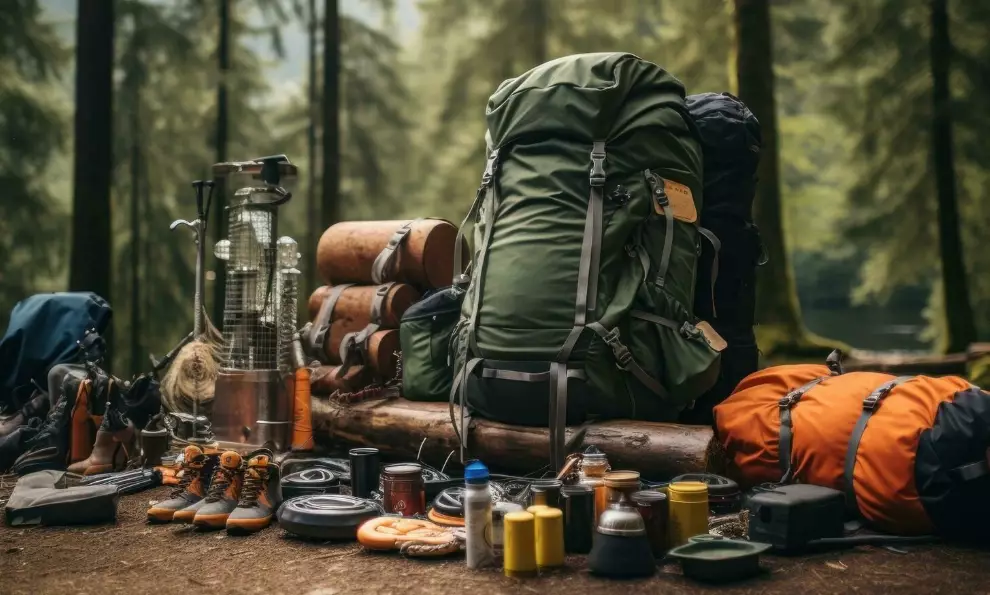
The mountains, the forests, the lakes—they don't care what brand your tent is. They're just waiting for you to show up.
Now get out there and use it.