Quick gear-and-nerves check
Last October I watched a guy in a shiny SUV roll into a dispersed site near Moab with a rooftop tent, a portable espresso machine, and zero water. He lasted one night. That's when I realized most people don't misjudge the 7 types of camping because they lack information. They miss on the match between their gear, their tolerance for discomfort, and the actual campsite rules. Here's the breakdown I wish someone handed me ten years ago.
1. Primitive Dispersed Camping
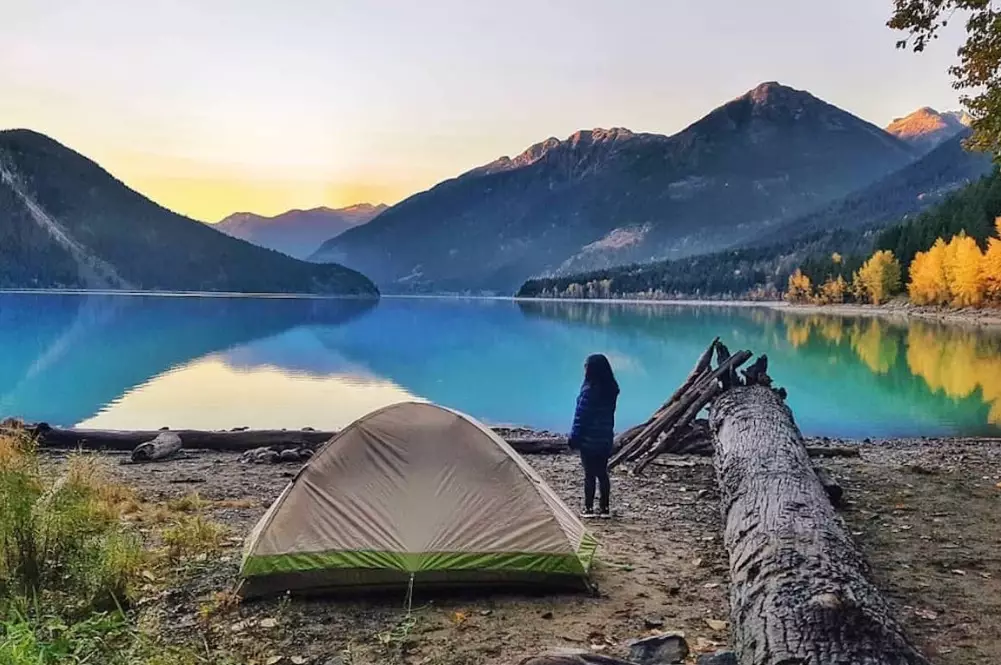
No water spigot, no pit toilet, no host. You find a flat spot on Bureau of Land Management land and you're on your own. The upside? Zero fees and serious solitude. The catch: you must pack out everything, including your morning coffee grounds.
I camped this way off Forest Road 525 near Sedona, Arizona. The site was free, the red rock view was absurd, and I dug a cathole exactly 6 inches deep per Leave No Trace guidelines. Two miles of washboard road made my sedan scrape bottom twice. High-clearance vehicle is not a suggestion here.
2. Car Camping
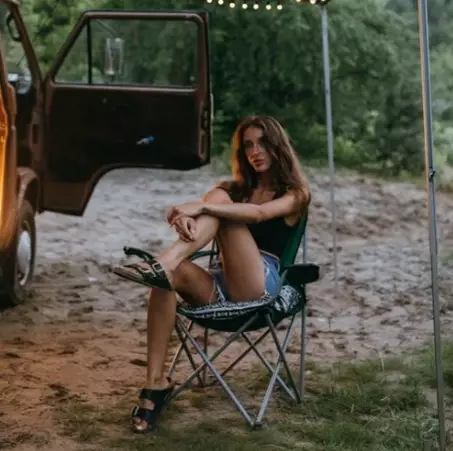
Your vehicle is your base. Cooler in the trunk, sleeping pad in the back seat, and you can drive to a diner if the rain won't quit. Most national park campgrounds (like Watchman in Zion, $30/night, flush toilets, book exactly 6 months ahead on Recreation.gov) fall into this bucket.
Here's the mistake I see constantly: people buy an enormous 8-person tent for two people, then struggle to set it up in the dark. A 4-person tent gives you room for gear without the wrestling match. My rule of thumb — square footage matters less than a full rainfly that actually covers the door.
3. Tent Camping at Developed Sites
Think state parks with showers, a camp store, and a ranger who checks quiet hours. This is the gateway drug. You get a picnic table, a fire ring with a flip grill, and neighbors who might lend you matches.
Reserve early. I tried booking a weekend at Devil's Lake State Park in Wisconsin in June and every electric site was gone by February. Non-electric sites open up more, and honestly the $18/night walk-in sites near the lake are quieter than the generator-friendly loops. Bring quarters for the shower — usually 25 cents per two minutes.
4. RV & Van Camping
Four walls, a fridge, and a bed that doesn't deflate. Full hookup sites (water, electric, sewer) run $40–$70 per night at private resorts. Public campgrounds often have electric-only for $25–$35.
Here's the non-consensus bit. A 30-foot Class A motorhome is harder to maneuver into a forest site than a 20-foot van. I've watched three different couples demolish their awning on low branches at a site near Lake Tahoe. The sweet spot for national forest access is under 22 feet. Check length limits before you book — the reservation page will say 'fits up to 24 ft' and mean it literally.
5. Glamping
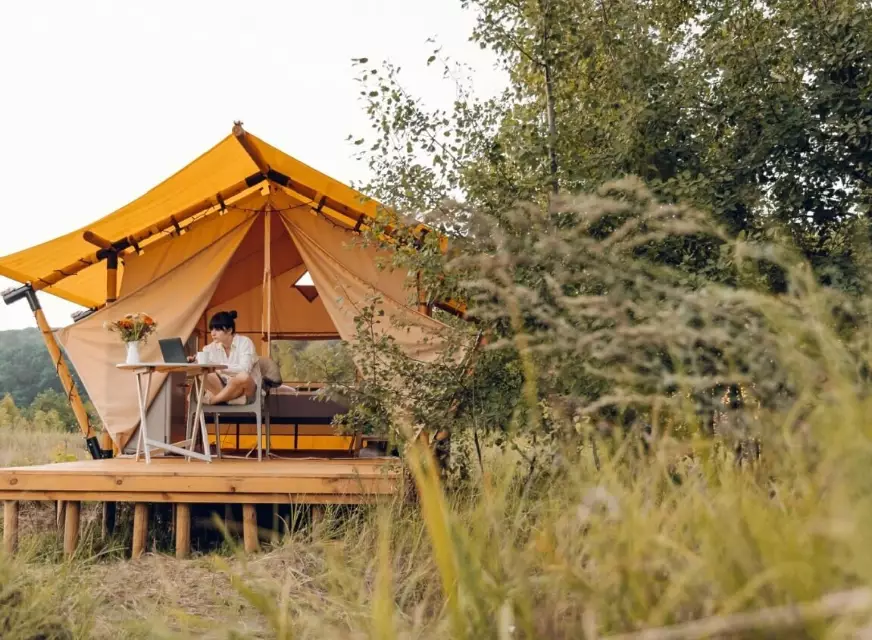
Safari tents with real beds, wood stoves, and someone else making breakfast. Under Canvas near Moab charges $250–$400 per night for a canvas suite with a private bathroom. Under Canvas Zion runs similar rates but the views of the red cliffs from your pillow are the whole point.
Downside nobody mentions: canvas walls carry every whisper. If you're a light sleeper, a glamping site with 20 tents packed along a ridge will feel less private than a $20 state park site with bushes between you and the next camper. Ask about tent spacing before you pay deposit.
6. Backpacking & Hike-In Camping
Everything on your back. My first overnight on the Appalachian Trail near Harpers Ferry taught me that a 35-pound pack feels like 70 by mile six. The fix wasn't a new sleeping bag — it was ditching the camp chair and the extra camera lens.
Permits matter. Great Smoky Mountains backcountry sites require a reservation and a printed permit ($4 per night per person). You can't just show up. And here's a small detail: the bear cables at popular sites like campsite 18 are often full by late afternoon. Plan to hang your food before you set up your tent, not after dinner.
7. Winter Camping
Sub-freezing nights, short daylight, and a sleeping pad with an R-value of at least 5. I did two nights in a four-season tent near Mount Hood in February. The thermometer read 19°F at 6 a.m. The trick wasn't a fancy bag — it was a foam pad under the inflatable one and a Nalgene of boiling water in the foot of the bag.
Most winter camping fails happen because people wear too many layers inside the bag. Sweat kills warmth. Strip down to a base layer, let the bag do its job. Also check the avalanche forecast if you're anywhere near slopes. The Northwest Avalanche Center posts daily ratings that are worth ten minutes of your morning.
Side-by-side comparison: match the type to your reality
| Camping Type | Typical Cost / Night | Gear Load | Best For |
|---|---|---|---|
| Primitive dispersed | Free | Full self-sufficiency | Solitude seekers with high-clearance vehicles |
| Car camping | $15–$35 | Heavy cooler, big tent | Families and first-timers |
| Developed tent site | $18–$40 | Standard tent kit | Showers and flush toilets wanted |
| RV / van | $25–$70 | Vehicle-based | Road trips with a real bed |
| Glamping | $250–$400 | Just a duffel bag | Couples testing the outdoors |
| Backpacking | $4–$10 permit | Ultralight only | Fit hikers chasing quiet |
| Winter camping | $0–$30 | Four-season specific | Experienced campers who hate crowds |
Sticky situations: FAQ
Fact-checked against current Recreation.gov reservation policies and Leave No Trace guidelines. No affiliate links in this piece — I paid for every campsite mentioned out of my own pocket.