Let's be honest. The least glamorous part of any camping trip is dealing with the trash, especially the soggy, smelly food scraps. You dutifully pack them out in a ziplock, but that bag becomes a stinky time bomb in your pack or car. What if you could just make it disappear? Not by littering, but by turning it into something useful. That's the magic of camping composting. It's not just for hardcore environmentalists; it's a practical skill that makes your trip cleaner, lighter, and more in tune with the places you love.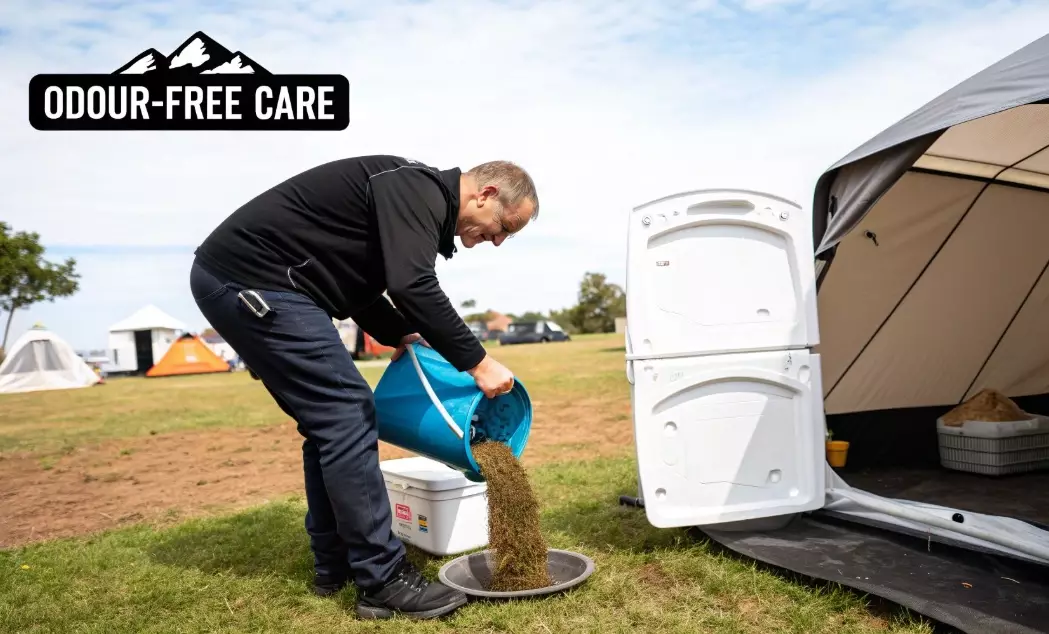
What's Inside This Guide?
Why Bother Composting at the Campsite?
Beyond avoiding the smell, camping composting hits three major points. First, it's the gold standard for Leave No Trace. The Leave No Trace Center for Outdoor Ethics principle "Dispose of Waste Properly" explicitly recommends composting food scraps when possible, far from water sources. You're not just carrying out waste; you're actively returning nutrients to the soil cycle.
Second, it reduces your pack weight and volume on the hike out. A bag of apple cores and coffee grounds has weight. Decomposing it in-place means less to carry.
Third, and this is subtle, it changes your relationship with waste. You start seeing banana peels not as trash, but as future soil. It's a small mindset shift that deepens the connection to the natural processes happening all around your tent.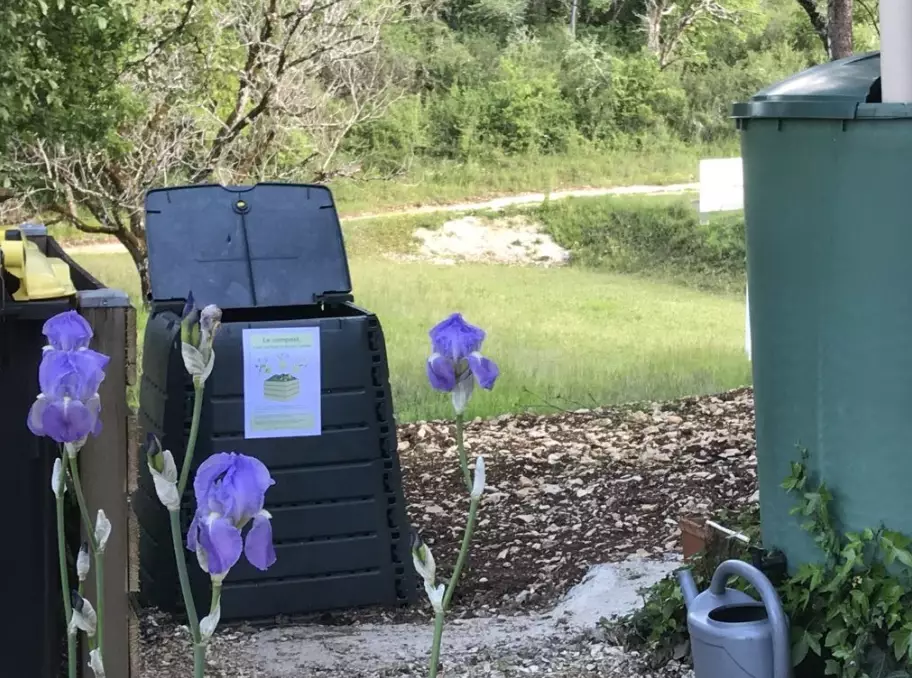
Camping Composting Methods Explained
You've got two main paths: cold composting (simple burial) and hot composting (a bit more work for faster results). Most campers should start with cold composting.
| Method | How It Works | Best For | Time to Breakdown | Effort Level |
|---|---|---|---|---|
| Cold Composting (Trench/Pit Method) | Dig a hole 6-8 inches deep, add scraps, cover with soil. | Short trips, casual campers, most national/state park backcountry. | Several months to a year. | Low |
| Hot Composting (Biodegradable Bag Method) | Layer scraps with browns (leaves, sawdust) in a breathable bag to actively decompose. | Base camps, car camping, long stays, groups generating more waste. | Weeks to a few months. | Medium |
| Worm Bin (Vermicomposting) | Portable bin with worms that process scraps. High maintenance. | RV camping, long-term stationary setups. Not for typical backpacking. | Fast (weeks) | High |
The Trench Method: Keep It Simple
Dig your hole at least 200 feet (about 70 adult paces) from any trail, campsite, or water source. This is non-negotiable. The depth is key: 6-8 inches gets the scraps below the active soil layer where most critters dig, but still within reach of decomposing organisms. Chop or tear larger scraps. A whole orange peel takes forever. Cover with the dirt you dug out, and mix in some loose leaves or twigs on top to disguise the spot.
The Bag Method: For the Committed
This mimics a mini compost pile. You need a sturdy, breathable bag made of burlap or specifically marketed as a compostable bag (not a plastic bag that claims to be biodegradable—big difference). Start with a layer of dry, carbon-rich "browns" like dried leaves, shredded paper, or sawdust. Add your food scraps, then another layer of browns. The browns are crucial—they soak up moisture, prevent smells, and balance the nitrogen from the food. You can add to this bag over a few days. When leaving, you can either bury the entire bag in a deep hole or, in some front-country settings, take it to a municipal compost facility if available.
Your Step-by-Step Camping Composting Process
- Sort Your Scraps: Not everything belongs in a camp compost. Stick to plant-based materials: fruit and veggie peels, coffee grounds, tea bags (staple removed), crushed eggshells, nut shells.
- Avoid These: Meat, dairy, fats, oils, cooked grains. These attract animals fiercely and decompose poorly. Also, no citrus peels in large quantities—they're acidic and can slow things down.
- Prep on the Go: Keep a small dedicated container with a lid (a used yogurt tub works) at the picnic table or in your kitchen kit. Toss scraps in as you cook.
- Choose & Dig: At the end of the day or trip, find your spot 200+ feet away. Dig your hole.
- Deposit & Disguise: Dump scraps, cover with soil, stomp on it, and scatter natural debris over it. It should look like nothing happened.
Gear You'll Actually Use
You don't need fancy equipment. A trowel is the only real essential. But a few items make life easier.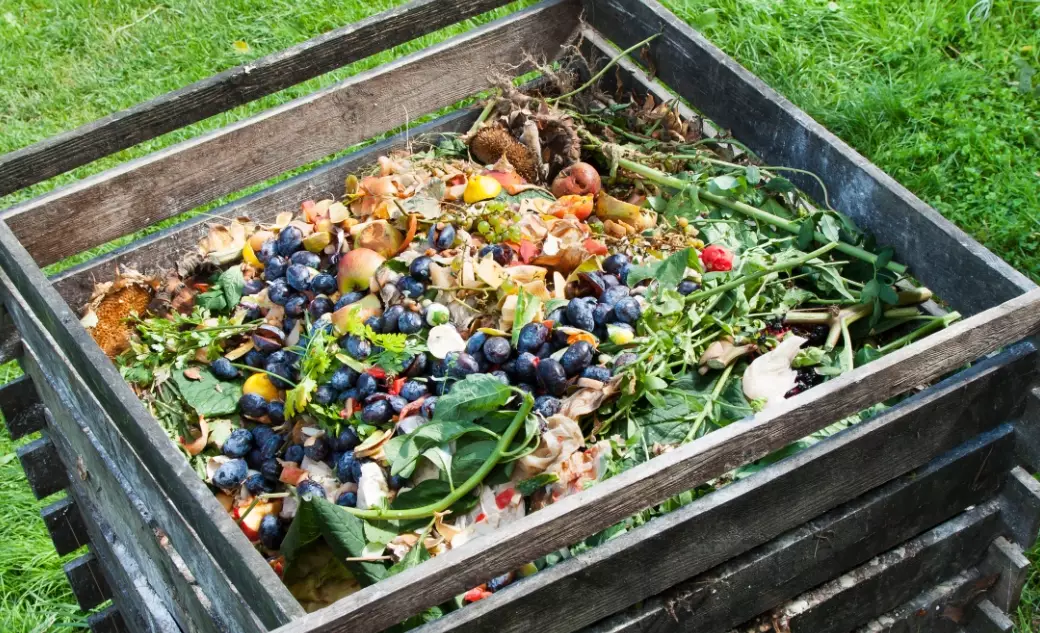
The Trusty Trowel
A lightweight, sturdy garden trowel or a dedicated backcountry trowel. Don't try to dig with a stick or a rock; you'll never get deep enough.
Scrap Collector
A wide-mouth plastic container with a snap lid. A 1-quart size is perfect for a weekend for two. Easy to clean.
Small Mesh Bag
For collecting dry leaves, pine needles, or sawdust to use as "browns" if you're trying the bag method or want to add to your trench.
A Real Weekend Camping Scenario
The Setup:
You're car camping at a US Forest Service site for two nights. You've got a cooler, a camp stove, and you plan meals like oatmeal, veggie & bean tacos, and apples with peanut butter.
The Waste Stream:
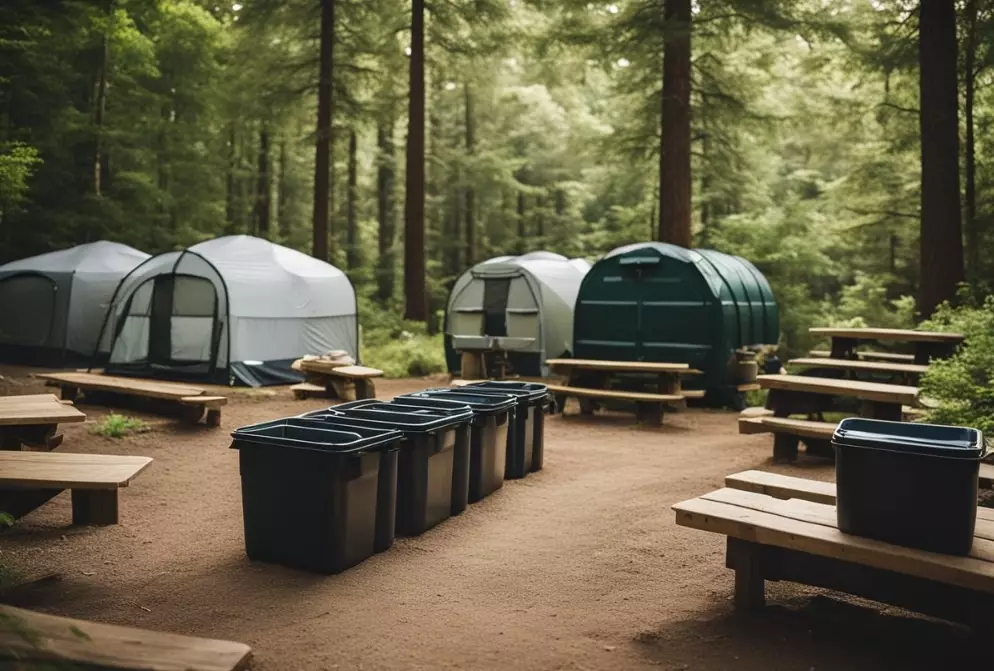
By Sunday morning, your scrap container holds: coffee grounds, onion skins, bell pepper stems, corn cobs from dinner, apple cores, and a few paper napkins.
 The Action:
After breakfast, you grab your trowel and the container. You walk about 80 paces into the woods away from the creek and your site. You find a spot with soft soil under some trees. Dig a hole about 8 inches deep and as wide as your trowel blade. Dump all the scraps in. Use the trowel to chop at the corn cob a bit to break it up. Cover it all with the dirt, pack it down with your foot, and kick some leaves and twigs over the spot. You rinse the container at the campsite's water spigot. Done. No smelly bag in your car for the drive home.
Camping Composting FAQs (The Real Questions)
 Is it okay to compost in established fire pits?