What You'll Find in This Guide
I remember the first time I tried to find a quiet camping spot. I drove to a popular national park, only to see rows of RVs and hear generators humming all night. It felt more like a parking lot than wilderness. That's when I started hunting for truly secluded camping spots—places where you can hear nothing but the wind and your own thoughts. If you're like me, tired of crowded campgrounds, this guide is for you. We'll dive into how to find remote camping locations, share specific spots I've personally tested, and cover the gear and tricks that most blogs miss.
Why Secluded Camping? A Personal Take
Let's be honest: crowded campsites ruin the vibe. You're there to connect with nature, not listen to someone's Bluetooth speaker. Secluded camping isn't just about privacy; it's about immersion. I've found that in remote areas, wildlife is more active, and you get a real sense of solitude that recharges you. But it's not for everyone. If you rely on amenities like flush toilets or cell service, this might be a challenge. For those willing to trade comfort for authenticity, the rewards are huge.
I once camped in the Gros Ventre Wilderness in Wyoming. For three days, I didn't see another soul. The silence was so deep I could hear my heartbeat. That's the kind of experience secluded spots offer. But finding them takes work. Most people stick to marked campgrounds, which is why the hidden gems remain hidden.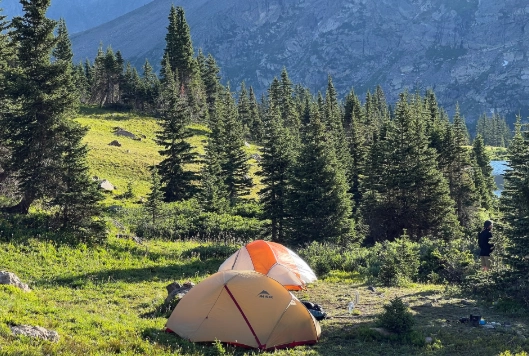
How to Scout for Your Own Hidden Spot
Finding a secluded camping spot isn't about luck; it's a skill. Here's a step-by-step approach I've refined over years of trial and error.
Start with Public Lands
Focus on areas managed by agencies like the Bureau of Land Management (BLM) or the U.S. Forest Service. These lands often allow dispersed camping, meaning you can camp outside designated sites. For example, in many national forests, you can camp anywhere as long as you're a certain distance from roads and water sources. Check the specific rules on their websites—don't just assume.
Use Topographic Maps, Not Just Apps
Apps like AllTrails are great, but they lead everyone to the same spots. I always carry a paper topographic map. Look for contour lines that indicate valleys or ridges away from trails. A spot that's a mile off-trail might see 90% fewer people. I learned this the hard way when I followed an app to a "remote" lake and found five other tents there.
Scout During Off-Seasons
Timing is everything. Go in late spring or early fall when crowds thin out. In summer, even remote areas can get busy. I once visited the Boundary Waters in September—the mosquitoes were gone, and I had entire lakes to myself.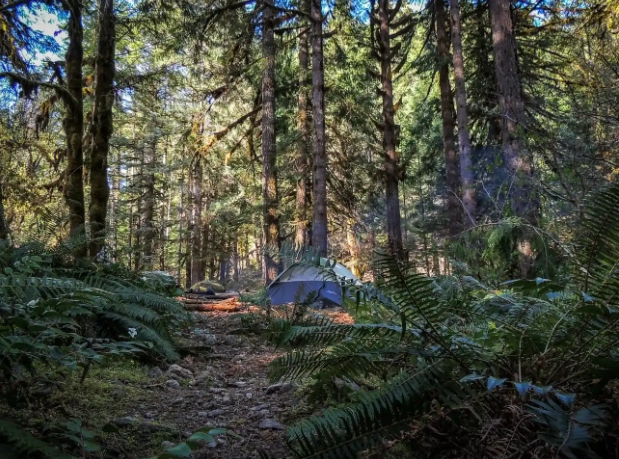
Here's a quick checklist I use before heading out:
- Check regulations: Permits might be required for wilderness areas.
- Study maps: Identify potential zones at least 2 miles from trailheads.
- Call ranger stations: They give insider tips on current conditions.
- Plan access: Some spots require hiking, canoeing, or 4WD vehicles.
Top 3 Secluded Camping Locations in the US
Based on my travels, here are three secluded camping spots that deliver on solitude. I've included practical details so you can plan a trip without guesswork.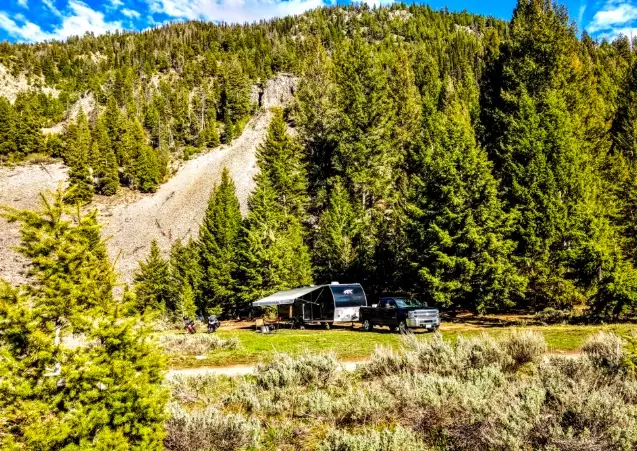
| Location | Address / Access Point | Best Time to Visit | Cost & Permits | How to Get There |
|---|---|---|---|---|
| Boundary Waters Canoe Area Wilderness, Minnesota | Ely, MN 55731 – start from Kawishiwi Lake Entry Point | Late May to September (avoid July crowds) | Permit required: $16 per adult, plus $6 reservation fee. Quota system limits entries. | Fly into Duluth, drive 2 hours to Ely. Canoe rentals available locally. Paddle-in only—no motorized boats. |
| Lost Coast Trail, California | Mattole Road, Petrolia, CA 95558 – trailhead at Mattole Beach | April to October (check tides carefully) | Free camping, but need a permit for overnight use from BLM. Self-issue at trailhead. | Fly into San Francisco, drive 5 hours north. 4WD recommended for access roads. Hike along the beach. |
| Gros Ventre Wilderness, Wyoming | Near Jackson, WY – access via Granite Creek Trailhead | June to September (snow melts late) | No fees or permits for dispersed camping. Follow Leave No Trace principles. | Fly into Jackson Hole Airport, drive 30 minutes to trailhead. Hike or horseback required. |
Each of these spots requires effort to reach. For Boundary Waters, you'll be canoeing for hours. On the Lost Coast, you must time your hike with low tides—I messed this up once and got stuck on a cliff. Gros Ventre is easier but still a 5-mile hike in. The key is preparation: bring enough water, check weather reports from the National Weather Service, and tell someone your plans.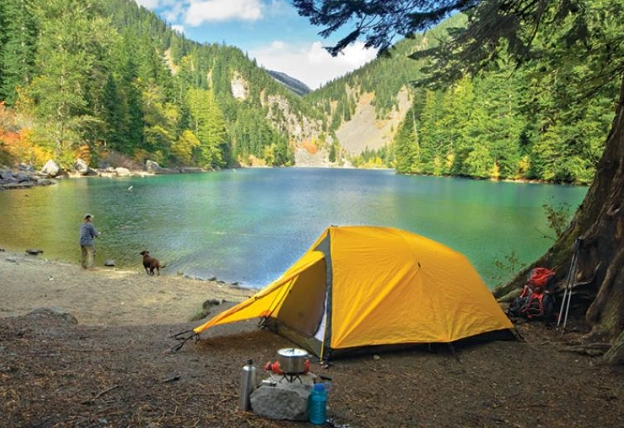
The Gear That Makes or Breaks a Solitude Trip
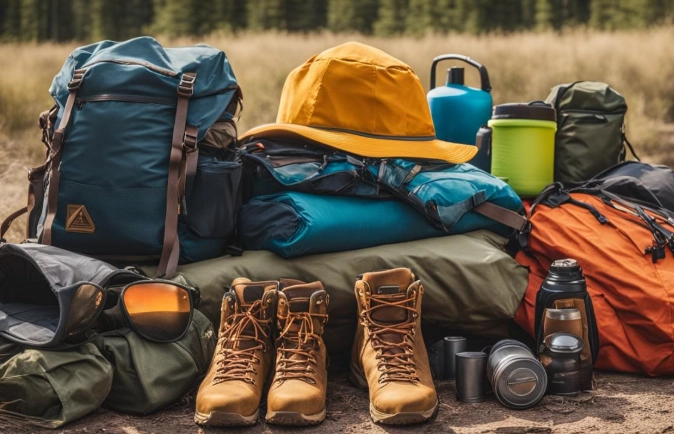
When you're miles from help, your gear choices matter more. Forget the fancy gadgets; focus on reliability.
Shelter: A lightweight tent with a low profile color (green or brown) helps you blend in. I use a Durston X-Mid 2—it's durable and sets up fast. Avoid bright colors that scream "camper here."
Water Filtration: You can't carry enough water for multi-day trips. A Sawyer Squeeze filter is my go-to. It's small and works with any water source. But always have backup purification tablets—I learned this after my filter froze in cold weather.
Navigation: A GPS device like a Garmin inReach is worth it for emergencies. But don't rely solely on electronics. Pack a compass and map. I once dropped my phone in a river and had to navigate by landmarks alone.
Food Storage: In bear country, use a bear canister. It's not optional. I've seen too many campers hang food improperly and attract wildlife. The Garcia Backpacker's Cache is bulky but effective.
Here's a non-negotiable list from my pack:
- First-aid kit with blister care
- Headlamp with extra batteries
- Multi-tool or knife
- Fire starter (matches in a waterproof case)
- Insulating layers—weather changes fast
Mistakes Even Experienced Campers Make
After guiding trips for a decade, I've seen smart people make dumb errors in secluded areas. Here are the big ones.
Overestimating Fitness: Remote spots often require tough hikes. If you're out of shape, you'll suffer. I once took a friend who claimed to be fit, but we had to turn back after two miles. Start with shorter trips to build stamina.
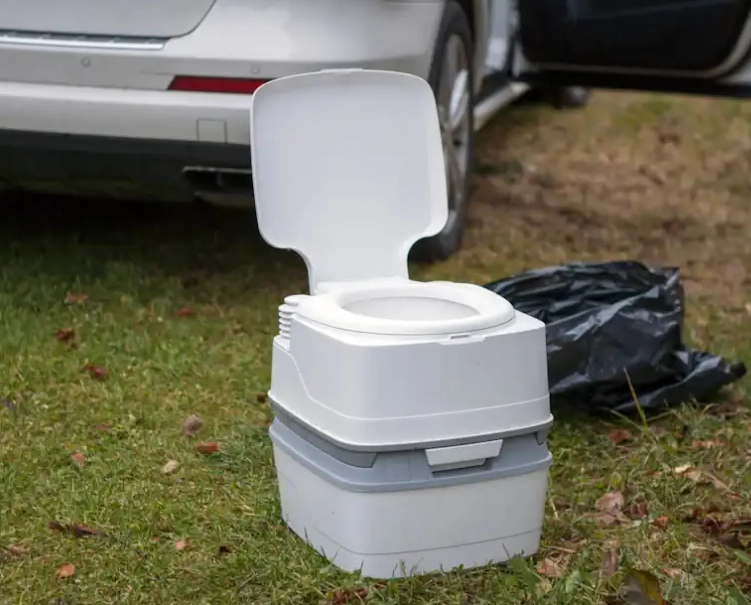
Ignoring Leave No Trace: In popular spots, rangers clean up after you. In the backcountry, your impact lasts. Bury waste properly, pack out all trash, and avoid cutting live trees. I've found toilet paper flowers near pristine lakes—it's disgusting.
Skimping on Research: Just because a blog says a spot is secluded doesn't mean it is. Conditions change. For example, some areas close due to fire risk. Always check current alerts from the U.S. Forest Service or local ranger stations.
Bringing Too Much Gear: Heavy packs slow you down. I used to carry a cast-iron skillet—never again. Focus on multi-use items. A pot can be a bowl, for instance.
My rule: if you haven't used it on three trips, leave it home.