Quick Navigation
- Why Bother Going Ultralight? It's More Than Just a Trend
- The Ultralight Mindset: It Starts in Your Head, Not Your Wallet
- The Gear Breakdown: Where the Ounces Hide (And How to Find Them)
- The Supporting Cast: Kitchen, Water, and Everything Else
- Packing Your Ultralight Kit: The Art of Organization
- Safety, Skills, and the Responsible Ultralight Camper
- Your Ultralight Camping Questions, Answered
- Making the Leap: Your First Ultralight Trip Plan
Let's be honest. The first time I heard about ultralight camping, I rolled my eyes. I pictured some hardcore mountain climber, shivering in a flimsy tarp, eating cold beans from a pouch. Why would anyone give up a comfy tent and a proper meal? It sounded like suffering with extra steps.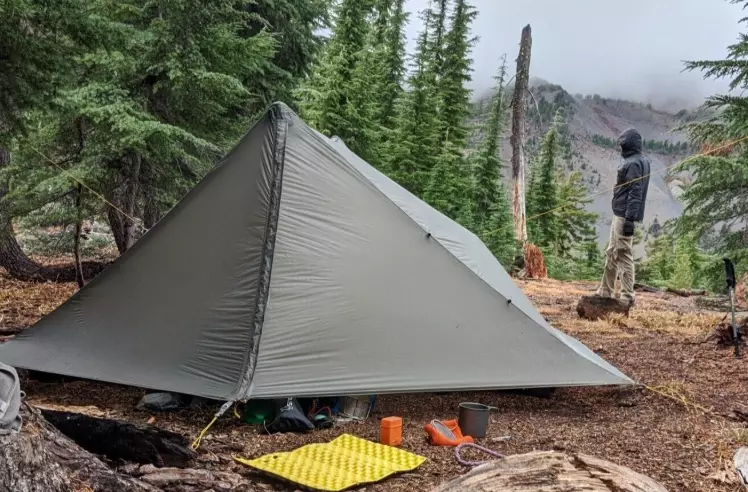
Then I went on a three-day hike with my old college backpack. You know the one – it could fit a small body in it. By the end of the first day, my shoulders were screaming. I was carrying so much stuff I didn't need: extra clothes "just in case," a massive first-aid kit worthy of an ER, a heavy cast-iron camping mug (what was I thinking?).
That trip changed my mind. Ultralight camping isn't about deprivation. It's about freedom. It's the feeling of your pack feeling like a daypack, not a ball and chain. It's covering more ground with a smile on your face, having energy left to enjoy the sunset instead of just collapsing into your tent.
So, what exactly is it? In simple terms, ultralight camping is a philosophy and a practice where you meticulously reduce the weight of your gear to make hiking and camping more enjoyable and efficient. There's a formal benchmark: a base pack weight (that's all your gear, minus food, water, and the clothes you're wearing) under 10 pounds (4.5 kg).
But I think getting hung up on that number too early misses the point. For most of us, it's about the journey towards lighter, smarter packing.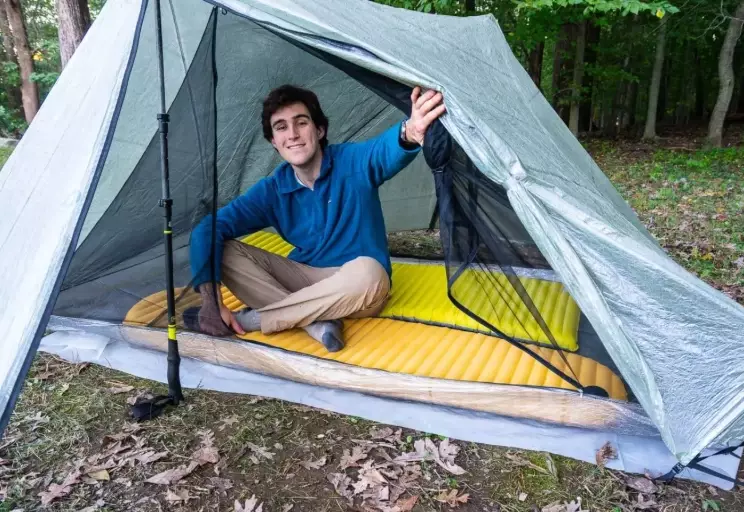
Why Bother Going Ultralight? It's More Than Just a Trend
Okay, so it sounds nice in theory. But is it worth the hassle and, let's face it, the potential cost of new gear? Here's the thing – the benefits are immediate and physical.
Every pound you shed from your pack translates directly to less strain on your knees, hips, and back. It's simple physics. A study often cited in backpacking circles suggests that for every pound on your feet, it's like carrying five on your back. The principle applies to your pack weight too. Lighter load means better balance, less fatigue, and a significantly lower risk of injury, especially on tricky descents.
You also move faster and more quietly. There's a connection to your surroundings that's harder to achieve when you're laboring under a heavy load. You notice the bird sounds, the smell of the pine, the way the light filters through the trees. You're a participant, not just a pack mule.
And then there's the sheer joy of simplicity. With less stuff, you spend less time packing, unpacking, and searching for things. Camp setup and breakdown takes minutes, not half an hour. More time for relaxing, fishing, or just staring at the fire.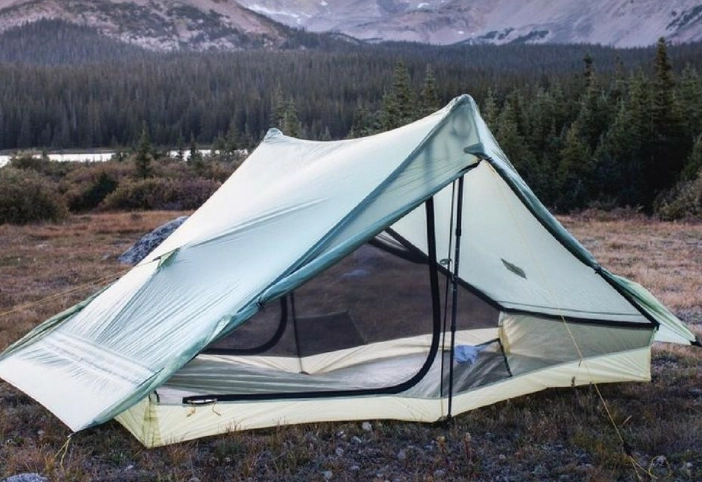
A quick reality check: Ultralight does have trade-offs. Durability can sometimes be less than bombproof gear. Comfort margins can be thinner (a thinner sleeping pad, a lighter shelter). It requires more planning and knowledge. You're trading weight for skill. If that idea excites you more than it scares you, read on.
The Ultralight Mindset: It Starts in Your Head, Not Your Wallet
Before you open your wallet, open your mind. The biggest weight savings are free. They come from leaving things behind.
The core of the ultralight camping philosophy is the ruthless evaluation of every single item. You ask, for every piece of gear: What is its purpose? Do I really need it? Is there a lighter way to achieve the same function? This is often called the "multi-use" principle.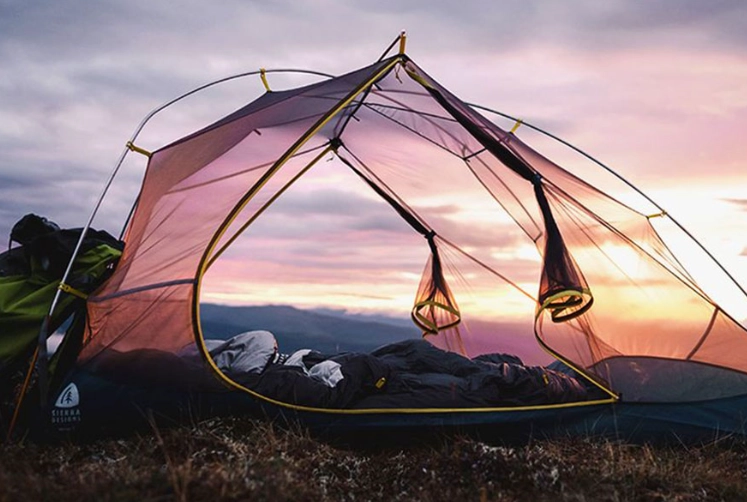
My classic beginner mistake? The "just in case" items. An extra pair of jeans? Just in case. A full-size towel? Just in case. A hefty novel? Just in case I get bored. These items are dream killers. You have to shift your thinking from "what if" to "what's essential." Your rain jacket *is* your windbreaker. Your pot *is* your bowl. Your hiking poles *can be* your tent poles.
Another key mindset shift is embracing a little discomfort. Not dangerous discomfort, but the kind that comes from a thinner sleeping pad or a quilt instead of a mummy bag. You learn that you can be perfectly warm and safe with less bulk.
This mindset is what separates a true ultralight approach from just buying expensive, lightweight gear and still overpacking. You have to do both: choose light gear *and* pack less of it.
The Gear Breakdown: Where the Ounces Hide (And How to Find Them)
This is where most people want to start, and it's fun. But remember, mindset first! Let's go through the Big Three (or Four) – your shelter, sleep system, and pack – which make up the majority of your pack's weight.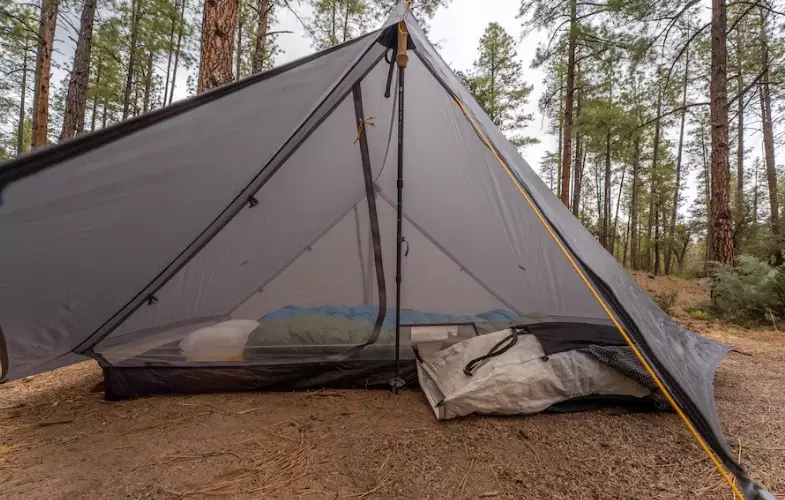
Shelter: Your Home for the Night
The tent is often the heaviest single item. Ultralight shelters break from tradition. Forget the freestanding dome with its plethora of poles.
Trekking Pole Tents: These are the darlings of the ultralight camping world. They use your hiking poles for structure, eliminating the need for tent poles. The weight savings are massive. Brands like Zpacks, Tarptent, and Six Moon Designs lead here. They require more skill to pitch and aren't always as roomy, but the weight (often under 2 lbs) is hard to argue with.
Tarp Setups: The lightest option, but with the biggest learning curve and least protection. A simple silnylon or Dyneema tarp, paired with a bug net inner for bug season, can weigh less than a pound. It's for those who truly embrace minimalism and are comfortable with exposure to the elements. Not for everyone, especially in buggy or rainy climates if you're new.
Ultralight Freestanding Tents: Yes, they exist! Companies like Big Agnes and NEMO have engineered fantastic tents that use lighter materials and clever pole designs to get weight down to the 2-3 pound range for a two-person. You pay a premium, but you get more familiar convenience.
My take? If you're new, a single-wall trekking pole tent is a fantastic middle ground. It teaches you new skills and saves huge weight. Just practice in your backyard first!
Sleep System: Bag, Pad, and Pillow
Staying warm and comfortable is non-negotiable. The trick is doing it without bulk.
Sleeping Bags vs. Quilts: This is a major shift. A traditional mummy bag has insulation on the bottom that gets compressed when you lie on it, rendering it almost useless. A quilt eliminates that material, just covering you like a blanket and attaching to your sleeping pad. The weight and packed volume savings are significant. For summer and three-season use, a high-fill-power down quilt is hard to beat. I switched to a quilt and will never go back for anything above freezing.
Sleeping Pads: Here's a comfort trade-off. Thick, self-inflating pads are luxurious but heavy. Ultralight campers use inflatable pads (like those from Therm-a-Rest NeoAir series) or even thinner foam pads (like the famous Z-Lite Sol). The inflatables offer great warmth-for-weight (high R-value) but can feel a bit… bouncy. The foam pads are bulletproof and cheap but less cushy. I use an inflatable and just accept that I might have to top it off once during the night.
Pillow: Ditch the full-size pillow. Use a stuff sack filled with your spare clothes, or invest in a small inflatable one. It seems trivial, but every ounce counts.
The Backpack Itself: The Final Purchase
This is crucial: Buy your pack LAST. Once you've assembled the rest of your ultralight camping kit, you'll know its total volume and weight. Then you can buy a pack that fits it perfectly. An ultralight pack for a 40-pound load doesn't exist. These packs are designed for sub-20 or sub-25-pound loads and have less structure, fewer pockets, and lighter materials.
Brands like Hyperlite Mountain Gear, Gossamer Gear, and ULA Equipment make fantastic packs in the 1-2 pound range. They often use durable waterproof fabrics like Dyneema Composite Fabric (expensive but incredibly strong and light) or robust nylons. They look simple, almost sack-like, but they're engineered to carry a specific load comfortably.
Pro Tip: Weigh everything. Get a small digital kitchen scale. You can't manage what you don't measure. Seeing that your "lightweight" headlamp is actually 4 oz heavier than a modern one is a powerful motivator. This practice is called "gram counting," and while it can become an obsession, it's essential for understanding where your weight is.
The Supporting Cast: Kitchen, Water, and Everything Else
Now for the smaller items where ounces add up to pounds.
Stove System: Canister stoves (like the BRS-3000T, which weighs about an ounce) are incredibly popular for their simplicity and speed. Alcohol stives (like the DIY "cat food can" stove) are even lighter and quieter, but slower and less efficient in wind. For true ultralight camping, many go "no-cook," eating cold-soaked meals or ready-to-eat foods. I'm a hot coffee person, so I carry a tiny canister stove.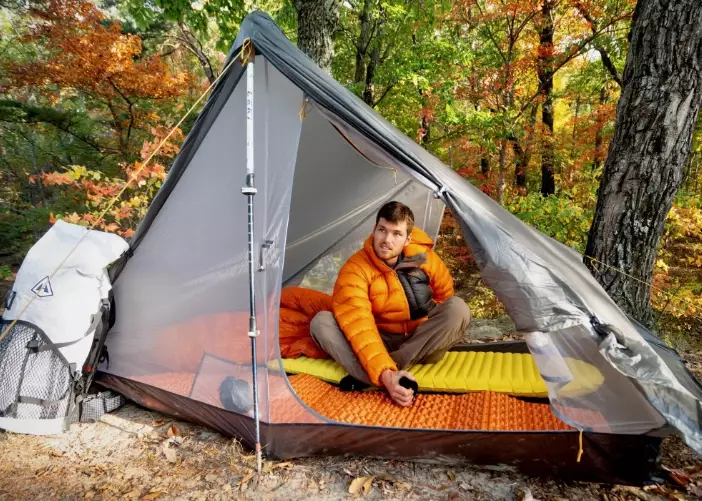
Water Treatment & Storage: A pump filter is heavy. Consider a squeeze filter like the Sawyer Squeeze (about 3 oz) or chemical treatment (Aquamira tablets). For storage, flexible water bladders (like CNOC Vecto) or even smartwater bottles are standard. They're lighter than Nalgenes.
Clothing: This is a huge area for savings. Merino wool or synthetic layers are key. One set to hike in, one set to sleep in (kept dry at all costs). Avoid cotton entirely (it's heavy and dangerous when wet). A good down or synthetic puffy jacket is worth its weight in gold for warmth. Rain gear should be lightweight but reliable – a constant debate in the community.
Let's look at a typical weight comparison. This table shows how choices add up.
| Item Category | Traditional Item Example | Approx. Weight | Ultralight Alternative | Approx. Weight | Weight Saved |
|---|---|---|---|---|---|
| Shelter | Freestanding 3-Season Tent | 4.5 lbs (2.0 kg) | Trekking Pole Tent | 1.8 lbs (0.82 kg) | 2.7 lbs (1.2 kg) |
| Sleeping Bag | Standard Mummy Bag (20°F) | 3.0 lbs (1.36 kg) | Down Quilt (20°F) | 1.5 lbs (0.68 kg) | 1.5 lbs (0.68 kg) |
| Backpack | Internal Frame 65L | 5.0 lbs (2.27 kg) | Frameless UL Pack 50L | 1.5 lbs (0.68 kg) | 3.5 lbs (1.59 kg) |
| Kitchen | Standard Pot + Canister Stove | 14 oz (0.4 kg) | Ti Pot + Micro Stove | 6 oz (0.17 kg) | 8 oz (0.23 kg) |
| Water Filter | Pump Filter | 11 oz (0.31 kg) | Squeeze Filter | 3 oz (0.09 kg) | 8 oz (0.22 kg) |
See how it adds up? Just these five swaps can save you over 8.5 pounds (3.9 kg). That's transformative.
Packing Your Ultralight Kit: The Art of Organization
How you pack matters almost as much as what you pack. The goal is balance, accessibility, and keeping critical items dry.
I use a simple system: a pack liner (a heavy-duty trash compactor bag) inside my backpack. Everything goes inside this liner. This is my primary waterproofing. No fancy pack covers that can blow away or let water in at the seams.
Bottom of the pack: My sleeping bag and sleep clothes (in their own dry sack for extra insurance). Things I won't need until camp.
Middle of the pack: My shelter (tent body, stakes), my food bag, and my cook kit. The heavy stuff close to my back and centered for good balance.
Top of the pack: My puffy jacket, rain gear, first aid kit, and other items I might need during the day during a stop.
Outside pockets: Water bottles/filter, snacks, sunscreen, bug spray, map, phone. The stuff I need constantly without stopping.
It's a clean, simple system. No digging through a dozen stuff sacks. I know where everything is.
Safety, Skills, and the Responsible Ultralight Camper
This is the most important chapter. Going light means your safety margin is thinner. Your skills have to be thicker.
Navigation: You can't always rely on a phone battery. Carry a physical map and compass and know how to use them. The National Park Service has excellent resources on map and compass basics. This skill is non-negotiable.
First Aid: Your first aid kit can be light but must be smart. Don't just buy a pre-made kit. Build your own. Focus on trauma (bleeding, sprains) and your personal needs (allergy meds, blister care). Leukotape is a miracle for blister prevention. Knowledge is the heaviest item in your first aid kit – take a course.
Weather: With a lighter shelter and less insulation, weather awareness is critical. Check forecasts religiously and know when to turn around or set up camp early. Hypothermia is a real risk if you get wet and cold with minimal gear.
Leave No Trace: Ultralight camping often goes hand-in-hand with a deep respect for the outdoors. Practicing Leave No Trace principles is part of the ethic. Our light footprint should extend to the environment. Pack out all trash, human waste included (use a WAG bag or know proper cathole techniques).
I learned this the hard way on an early trip. I brought a lightweight tarp but didn't practice pitching it in the rain. When a surprise storm hit, I spent a miserable hour getting wet while fumbling with guylines. Skill matters.
Your Ultralight Camping Questions, Answered
Making the Leap: Your First Ultralight Trip Plan
- Choose a Familiar, Forgiving Trail: A one-night trip close to home, with reliable water sources and good weather forecast. Not the time for a week-long expedition.
- Pack Your Traditional Gear First: Then, lay every single item out on the floor. For each one, ask the three questions: Purpose? Need? Lighter alternative? Be brutal. I guarantee you'll set aside 5+ pounds of stuff.
- Rent or Borrow One Key Item: Want to try a quilt? See if a local outfitter rents them, or borrow from a friend. Test new shelter systems in your yard.
- Weigh Your Final Pack: Don't obsess, but note the total weight. Compare it to your old pack weight. Feel the difference just picking it up.
- Go, and Pay Attention: During the hike, notice how your body feels. At camp, notice how much faster you set up. Write down what you missed (if anything) and what you were glad to have left behind.
The feeling at the end of that trip is what it's all about. You're tired from hiking, not from carrying. You enjoyed the journey as much as the destination. That's the real reward of ultralight camping.
It's not a cult or an exclusive club. It's just a smarter, more enjoyable way to experience the backcountry. Start by leaving three things behind on your next trip. You might never look back.