You know the feeling. It's Friday afternoon, the car is packed to the roof, the kids are buzzing with excitement, and you're already running an hour behind schedule. The drive to the campground feels longer than it should, and when you finally arrive, the sun is dipping below the trees. What follows is a frantic, sweaty race against the fading light to set up tents, unload gear, and start a fire before everyone's mood turns sour. Sound familiar? That chaotic experience is exactly what the 3-3-3 rule for camping is designed to prevent. It's not some complex wilderness survival doctrine. It's a simple, practical framework used by seasoned campers to manage time, expectations, and energy from the moment you leave home to the moment you're relaxing by the fire.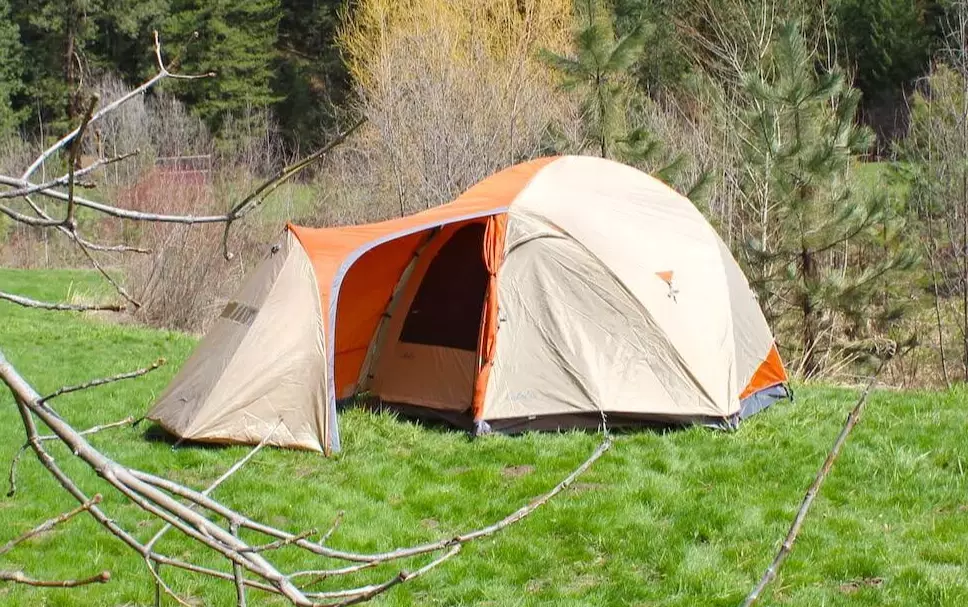
Your Quick Guide to the 3-3-3 Rule
What Exactly Is the 3-3-3 Rule in Camping?
Let's cut to the chase. The 3-3-3 rule is a guideline that suggests three key parameters for a successful, low-stress car camping trip: Drive no more than 3 hours to your destination, aim to set up your entire camp within 3 hours of arrival, and plan to stay for at least 3 days. The magic isn't in the specific numbers—some veterans use a 4-4-4 or 2-2-2 variation—but in the principle it enforces: balance. It forces you to prioritize relaxation over ambition, making your trip enjoyable rather than an endurance test.
I learned this the hard way. Early in my camping life, I'd plan epic 6-hour drives to "must-see" national parks, only to arrive exhausted. Setting up a new tent in the dark with a headlamp? Not fun. The 3-3-3 framework flips the script. It makes the journey and the setup part of the fun, not obstacles to the fun.
The First 3: The Drive Time Limit
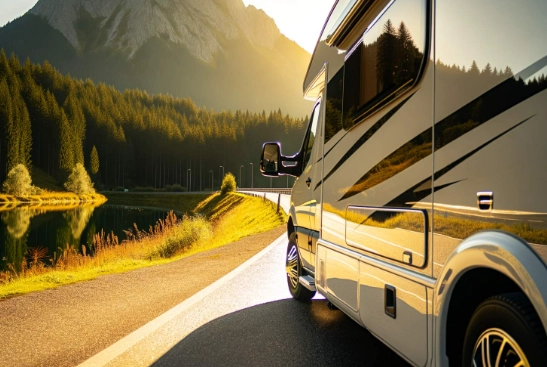
Why cap the drive at three hours? It's about energy preservation. A drive longer than that, especially after a work week, turns travelers into zombies. Kids get cranky, adults get stiff, and the first task at camp—unloading and setting up—feels like a chore.
This limit forces you to explore local and state parks you might have overlooked. That beautiful spot 90 minutes away suddenly becomes a perfect candidate. The goal is to arrive at the campground with enough daylight and mental bandwidth to smile. Use mapping tools not just for the fastest route, but to find interesting stops along the way—a farm stand, a scenic overlook—to break up the journey.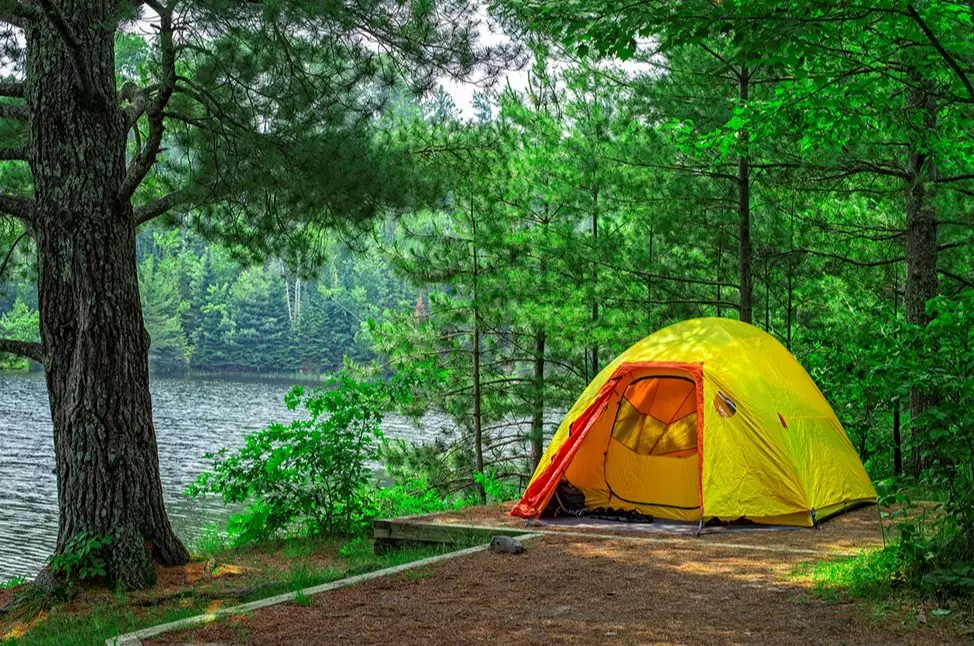
The Second 3: The Setup Time Budget
This is the most tactical part of the rule. The "3-hour setup" includes everything from parking the car to having your chair unfolded with a drink in hand. We're talking unloading, tent pitching, arranging the kitchen area, organizing sleeping bags, and maybe even getting a fire started.
New campers routinely underestimate this. They think, "My tent says 10-minute setup!" That's in a backyard, with no wind, and all poles perfectly sorted. Reality at camp is different. The 3-hour budget accounts for the fumbles, the missing mallet, the slight slope of your site that requires repositioning the tent, and showing the kids how to help.
Breaking Down Your 3-Hour Setup
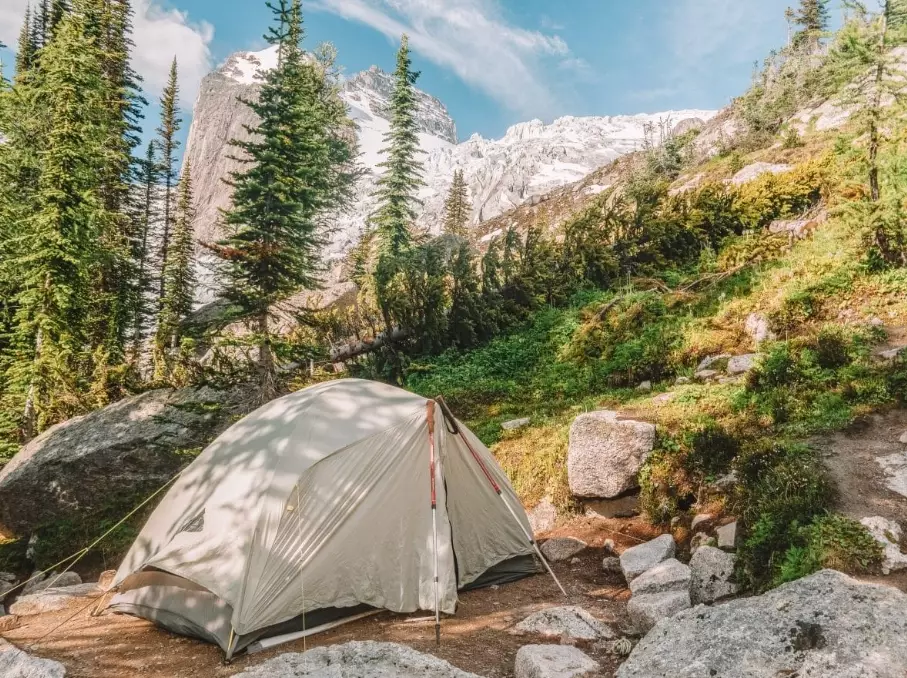
- Hour 1: Foundation & Shelter (0-60 mins). Park strategically. Unload ONLY the tent, shelter (like a tarp or pop-up), sleeping pads, and bags first. Get your sleeping quarters established before anything else. This ensures if a sudden rain shower hits, you have a dry place to throw everything.
- Hour 2: Camp Core & Kitchen (60-120 mins). Set up your cooking station, table, and food storage (remember bear-safe protocols if needed). Organize your cooler and kitchen kit. Unfold chairs and create your main living area under your shelter.
- Hour 3: Finishing Touches & Fire (120-180 mins). Lay out lanterns, headlamps, and personal items. Inflate sleeping pads fully. Gather firewood (or prep your camp stove) and get your first fire or meal started. This is the transition from work to relaxation.
The Third 3: The Minimum Stay Duration
The final "3" stands for a minimum 3-day, 2-night stay. This is the psychological core of the rule. A single overnight trip often feels like this: drive, set up, sleep, pack up, drive home. You spend more time in transit and camp chores than you do actually enjoying nature.
A three-day stay gives you a full, uninterrupted day in the middle—a "Goldilocks Day" where everything is already set up. You can wake up slowly, have a big breakfast, go for a long hike, read a book in the hammock, and not touch a tent stake or cooler all day. This is when the mental reset happens. The investment of drive and setup time finally pays massive dividends in relaxation.
A Real-World 3-3-3 Scenario: The Miller Family Trip
The Millers plan a trip to a state park 2.5 hours away. They leave Saturday at 9 AM, aiming for an 11:30 AM arrival (with buffer). By 2:30 PM, their tent is up, kitchen is organized, and the kids are exploring the site. They have a lazy afternoon, a fun camp dinner, and stargaze. Sunday is their "free day"—a morning hike, afternoon swimming at the lake, and s'mores. Monday morning, they pack up at leisure after breakfast and are home by early afternoon, refreshed, not exhausted.
How to Actually Implement the 3-3-3 Rule
Theory is great, but how do you make it work? It starts before you pack the car. Practice setting up your tent at home. Time it. Know where every pole and stake goes. Create a master packing checklist that you refine after each trip. Use clear plastic bins to organize gear by function: one for kitchen, one for shelter, one for lighting/fire. When you arrive, you grab the "Shelter Bin" first.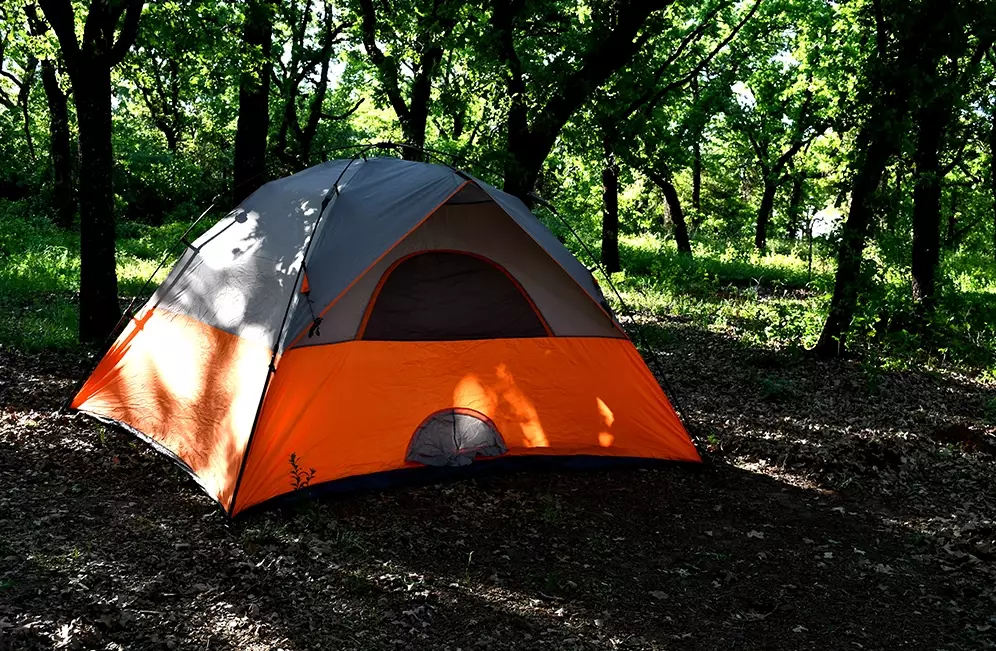
Here’s a comparison of a trip planned with and without the 3-3-3 rule mindset:
| Trip Aspect | Without 3-3-3 Rule (Typical Chaos) | With 3-3-3 Rule (Planned Relaxation) |
|---|---|---|
| Drive Time | 5+ hours, arriving tired and stressed. | Under 3 hours, arriving with energy. |
| Arrival & Setup | Frantic, disorganized, often in fading light. | Calm, systematic, completed with daylight to spare. |
| First Evening | Spent recovering from travel and setup stress. | Spent actually enjoying the campsite and company. |
| Trip Duration | Often just 1 night, feeling rushed. | Minimum 2 nights, featuring a full, chore-free day. |
| Overall Feeling | "That was a lot of work." | "I can't wait to do that again." |
Common Mistakes and Expert Tweaks
Even with the rule, pitfalls exist. The biggest one is being a slave to the numbers. The 3-3-3 is a guideline, not a law. If you find a perfect campground that's 3 hours and 15 minutes away, go for it! Just plan accordingly—maybe pack a more substantial car snack.
Expert Tweak #1: The 1-Hour Setup Rehearsal. A week before your trip, pull your shelter bin into the yard and do a full setup. Check for mold, broken poles, missing stakes. This prevents the dreaded "Oh no" moment at the campsite and cuts your real setup time dramatically.
Expert Tweak #2: Adjust for Your Group. Solo or with a partner? Your setup might be 2 hours. With three young kids? It might be a relaxed 4 hours. The point is to budget the time consciously and not over-schedule your arrival day.
Expert Tweak #3: The "First Night Easy Meal." Never plan an elaborate cookout for arrival night. Pack a pre-made stew you just heat up, or ready-to-eat sandwiches. The first meal should require zero brainpower. Save the fancy camp recipes for your full middle day. Resources like REI's expert advice on planning a first camping trip echo this sentiment, emphasizing simplicity at the start.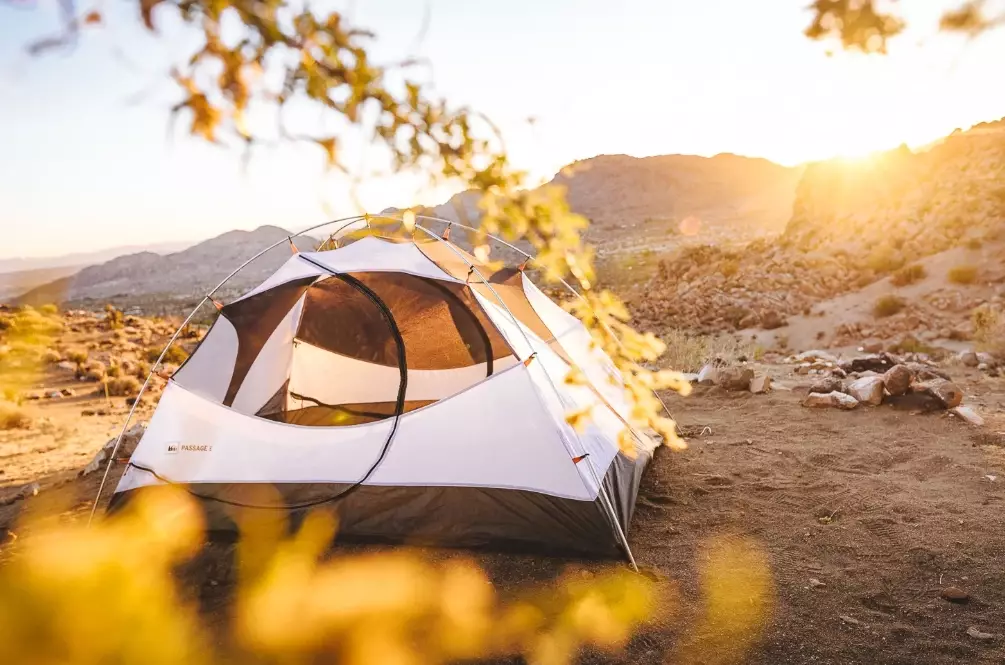
Your 3-3-3 Rule Questions Answered
 How do I find good campgrounds within a 3-hour drive?