Let's be honest. A camping festival sounds amazing—music, friends, the great outdoors. The reality for first-timers can be a muddy, sleep-deprived, cold-food disaster. I've been there. I've shivered in a flimsy tent, survived on granola bars, and learned the hard way. Over a decade of festival camping from Coachella to Glastonbury wannabes has taught me one thing: success is 90% preparation. This isn't just a list of things to bring. It's a system for creating a comfortable, fun, and resilient base camp so you can focus on the music, not your misery.
Your Festival Camping Checklist at a Glance
How to Pack Like a Pro for a Camping Festival
Forget the generic "camping checklist." Festival camping is its own beast. Space is limited, theft happens, and you're carrying everything from the parking lot. The goal is multi-use, durable, and compact.
Here’s the gear breakdown I swear by, categorized by function. Notice I'm not just naming items; I'm telling you why the specific choice matters.
| Category | Essential Items | Pro-Tip / Why It's Non-Negotiable |
|---|---|---|
| Shelter & Sleep | Dome tent (3-person for 2 people), sleeping bag rated 10°C lower than forecast, sleeping pad (inflatable), mallet, spare tent pegs. | A "3-person" tent gives room for bags. Test pitch it at home. That cheap sleeping bag will fail at 3 AM. A pad isn't for comfort; it's insulation from the cold ground. |
| Clothing & Footwear | Merino wool socks, broken-in waterproof boots, cheap sunglasses, wide-brim hat, packable rain poncho, thermal base layer. | Merino manages sweat and odor for days. Boots, not sneakers—your feet will thank you in mud. The poncho is your savior during surprise showers. |
| Campsite Comfort | Camping chair, headlamp, battery-powered fairy lights, multi-tool, duct tape, zip ties, heavy-duty trash bags. | The chair is your throne. Headlamp leaves hands free. Fairy lights make finding your tent at 2 AM possible. Trash bags are waterproof seat covers, rain skirts, or pack liners. |
| Health & Hygiene | Earplugs (for sleeping), eye mask, baby wipes, hand sanitizer, portable phone charger (20,000mAh+), first-aid kit, prescription meds. | Earplugs block snoring neighbors. Baby wipes are a "shower." One big shared power bank is better than five small dead ones. |
The One Thing Everyone Forgets: A small roll of duct tape and a pack of zip ties. Tent pole snap? Duct tape. Tarp flying away? Zip ties. Broken sandal? Duct tape. They've saved more festivals than I can count.
Avoid the "Newbie Tent" Trap
That $30 tent from the big-box store? It's a condensation trap with poor ventilation. After a night of breathing, the inside will be wetter than the outside if it rains. Look for a tent with a full mesh inner and a decent rainfly that creates an air gap. Ventilation is everything. I made this mistake at my first festival—woke up thinking it leaked, but it was just our own breath. Miserable.
The Art of Choosing and Setting Up Your Festival Campsite
Where you camp determines your weekend. Arrive early if you can. This isn't just about a shorter walk.
Location Scout Like a Pro:
Avoid the obvious spots right by the entrance or toilets. The entrance is noisy 24/7. Near the toilets... well, think about the smell and foot traffic. Look for a spot on slightly elevated ground. If the forecast calls for rain, a gentle slope is your best friend to avoid becoming a pond. Check for overhead hazards—dead branches or poorly guyed tents from neighbors.
The Setup Ritual:
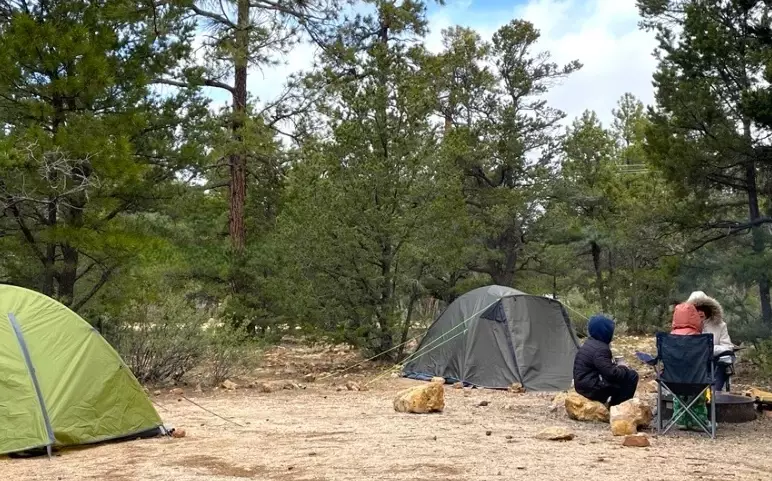
1. Lay your groundsheet (footprint or a tarp) under the tent, not protruding. Protruding tarps channel water under your floor. 2. Pitch your tent, hammering pegs at a 45-degree angle away. Pull rainfly taut. 3. Create a "living room." Unfold chairs, lay out a rug or spare tarp. This defines your space and keeps dirt out of the tent. 4. Meet your neighbors. A simple hello builds community. You'll watch each other's stuff.
Festival Food & Water: Beyond Cold Baked Beans
You need energy. Vendor food is expensive and lines are long. A little prep creates feast-like meals.
The Cooler Strategy: Use block ice, not cubes. It lasts longer. Freeze half your water bottles—they act as ice packs and become cold water later. Pack meals that don't require cooking for the first day: wraps, pasta salad, hard-boiled eggs.
Simple Camp Cooking: A small camp stove (check festival rules!) and a single pot unlock hot meals. My go-to is pre-cooked rice or couscous with a pouch of ready-made curry or chili. Heats in minutes. Instant coffee beats $6 festival coffee. For snacks, think nuts, jerky, fruit that travels well (apples, oranges).
Hydration is Non-Negotiable. A large collapsible water container at camp means you're not running to the tap constantly. Always carry a reusable bottle into the arena. According to the CDC, dehydration sneaks up on you, especially with dancing and maybe a drink or two.
Staying Comfortable, Clean, and Safe in a Field of Thousands
This is where experience pays off.
Security: Don't bring anything you can't afford to lose. Use a small combination lock on your tent zippers—it's a deterrent, not Fort Knox. Keep valuables (phone, wallet, keys) on you in a zipped pocket or a slim waist pack, even when sleeping.
The Hygiene Hack: A gallon jug of water with a push-pull spout is your campsite sink. Baby wipes are for the body; bring a small towel and biodegradable soap for a "pit stop" wash. Dry shampoo is a game-changer. Brush your teeth. You'll feel human.
Leave No Trace (The Festival Version): This is huge. Pack all your trash. Those heavy-duty bags you brought? One for recycling, one for general waste. A collapsing festival site is a sad sight. Organizations like Leave No Trace have principles that apply perfectly here. Leaving your spot clean is basic respect for the land and the crew.
Your Burning Festival Camping Questions Answered
How can I keep my phone charged for days without power?
Invest in a single, high-capacity power bank (20,000mAh or more) for your group. It can charge a phone 4-5 times. Put it on airplane mode when not in use, and dim the screen. Solar chargers are often too slow unless you get a premium model, and you can't rely on sun.
What's the best way to deal with festival mud if it rains?
Waterproof boots are your first line of defense. Pack a pair of cheap, knee-high waterproof socks to wear inside your boots if it gets really bad. At camp, keep a dedicated "mud towel" and a bottle of water by the tent entrance to wash off feet before going in. A small square of artificial grass makes a great welcome mat.
Is it worth camping with a larger group in one big tent?
Almost never. Different sleep schedules, snoring, and stuffiness create tension. It's better to have individual or 2-person tents clustered together, creating a private communal space in the middle. The social area is for hanging out; the tent is for sleeping and changing.
How do I stay warm at night without a fancy sleeping bag?
Layers are key. Wear your thermal base layer and a hat to bed—you lose most heat through your head. Put a folded fleece or extra clothes under your sleeping pad for added ground insulation. Fill a durable water bottle with hot water (not boiling) and put it in your sleeping bag. It's a classic, effective trick.
What's a common festival camping mistake that's easily avoided?
Not checking the festival's specific rules. Some ban gas canisters, glass of any kind, or even certain tent sizes. Nothing's worse than having gear confiscated at the gate. Always check the official website's "What to Bring" list a week before you go.