You bought a top-rated, feature-packed camping backpack. You loaded it with the lightest gear. Yet, three miles into the trail, your shoulders are screaming, your lower back is numb, and that expensive pack feels like a medieval torture device strapped to your body. I've been there. On my first multi-day trip, I endured this because I thought pain was just part of the deal. It's not. The problem wasn't the pack's quality or my fitness—it was the fit. A perfectly fitted backpack transfers weight to your hips, aligns with your spine, and becomes an extension of your body. A poor fit will ruin any trip. Let's fix that for good.
What You’ll Learn in This Guide
Why Getting Your Backpack Fit Right is Non-Negotiable
Think of your backpack's frame as an external skeleton. When it matches yours, magic happens. 80-90% of the weight settles onto your iliac crest—those sturdy hip bones—which are designed to carry load. Your shoulders and back stabilize, not carry. The result? You breathe easier (literally, the pack doesn't restrict your diaphragm), move with better balance, and conserve energy. Ignore fitting, and you're asking for nerve impingement, chronic shoulder strain, and blisters from straps rubbing the wrong way. The Outdoor Industry Association's research on load carriage consistently highlights proper fit as the primary factor in hiker endurance and injury prevention.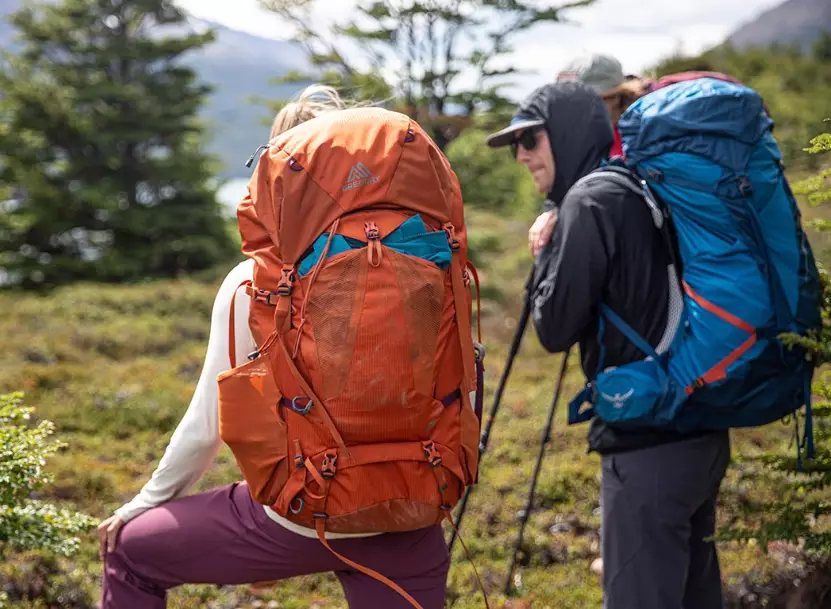
How to Measure Your Torso for a Backpack (It's Not Your Height)
This is the single most important step, and most people get it wrong. Your backpack size is determined by your torso length, not your overall height. A tall person can have a short torso, and a shorter person can have a long torso.
You'll Need a Friend and a Flexible Measuring Tape
Stand up straight. Have your friend find the C7 vertebra. That's the bony bump at the base of your neck that sticks out when you tilt your head down. Now, find the top of your iliac crest. Place your hands on your hips, thumbs pointing backward. Your thumbs should rest on the hard, curved top of your hip bones. Imagine a line between these two points. That's the length you need.
Your friend should start the tape at the C7 and follow the contour of your spine down to the imaginary line between your hip bones. Don't pull the tape tight—just follow the curve. Note the measurement in inches or centimeters.
| Torso Length (inches) | Typical Backpack Size | Notes |
|---|---|---|
| Less than 15.5" | X-Small / Small | Common for youths and some smaller adult frames. |
| 15.5" - 17.5" | Small / Medium | The most common range. Check specific brand charts. |
| 17.5" - 19" | Medium / Large | Many brands split here. A 18.5" torso might be a Large. |
| 19" + | Large / X-Large | Often requires looking at brands with extended size ranges. |
Brands vary. Osprey's Medium might be 17-19 inches, while Gregory's might be 18-20 inches. Always, always check the specific manufacturer's sizing chart. This isn't a suggestion; it's the rule.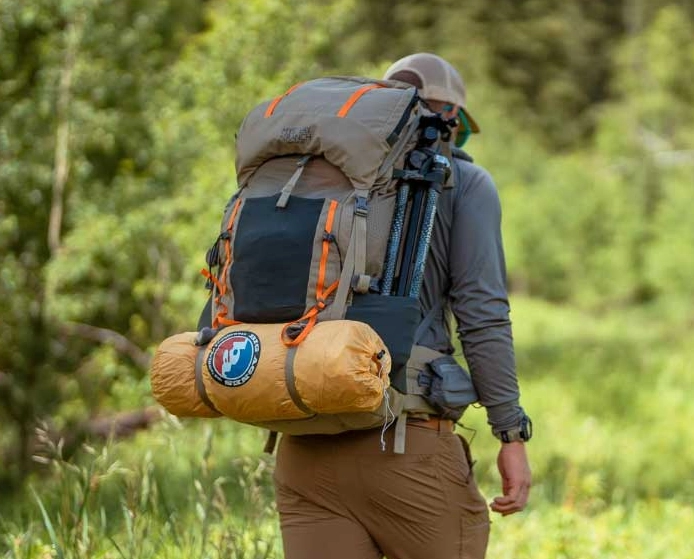
The Step-by-Step Backpack Adjustment Process
Now, with an empty pack, let's get it on your body. Loosen all straps completely—hip belt, shoulder straps, load lifters, sternum strap.
1. Secure the Hip Belt First
This is where 90% of beginners fail. They put their arms through the shoulder straps first. Don't. Swing the pack onto one knee, then onto your back while holding the shoulder straps. Fasten the hip belt so the center of the padding sits directly on top of your iliac crests. It should feel like a hug around your hips, not your waist. Tighten it snugly. You should be able to feel the weight transfer immediately. If the belt is riding up onto your soft waist tissue, the torso length is likely too long.
2. Adjust the Shoulder Straps
Now reach back and slip your arms through the shoulder straps. Don't pull them tight yet. The straps should wrap over your shoulders and follow their natural S-curve without gaps or pinching. The point where the strap meets the top of the pack should be 1-2 inches below the top of your shoulder.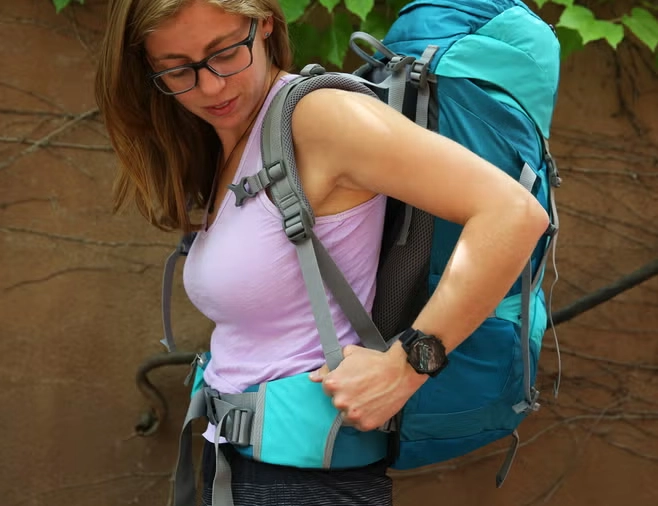
3. Fine-Tune with Load Lifters and Sternum Strap
Load Lifters: These are the thin straps connecting the top of the pack to the shoulder straps. Pulling them moves the pack closer to your body. Adjust them so they form a 45-degree angle from your shoulder. This stabilizes the top of the pack and prevents it from pulling you backward.
Sternum Strap: Slide it to the height where it sits comfortably across your chest, about an inch below your collarbone. Buckle it, but leave it loose enough that you can take a full, deep breath without restriction. Its job is to keep the shoulder straps in place, not to carry weight.
Critical Backpack Fitting Mistakes You're Probably Making
- Ignoring the Hip Belt Position: The belt must be on the hips, not the waist. This is the core principle of load transfer.
- Shoulder Straps Carrying Weight: If your shoulders are sore within minutes, the hip belt isn't tight enough, or the torso length is wrong. The straps are for stabilization.
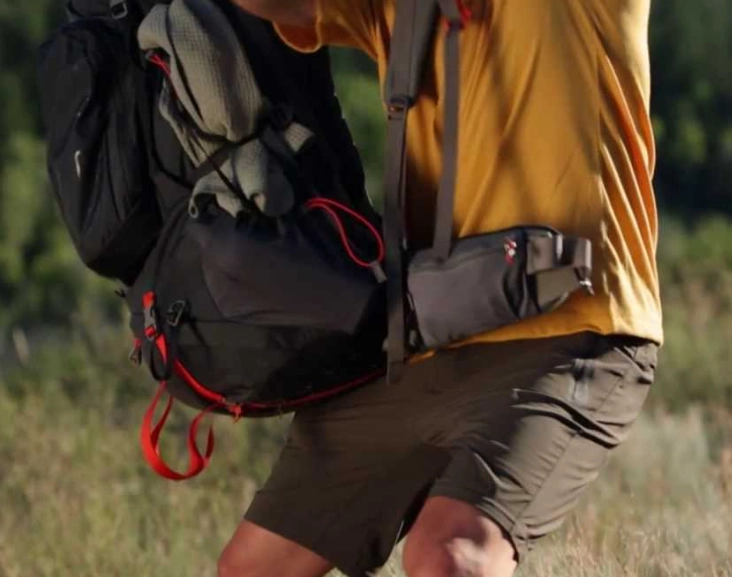
- Leaving the Pack "Loose": A well-fitted pack should feel connected and move with you. There shouldn't be a lot of wobble or space between the pack and your back.
- Fitting the Pack Empty: Always do the final adjustments with a simulated load (see next section). An empty pack lies differently.
- Assuming Your Size Based on Gender: Men's and women's packs differ in the curvature of the shoulder straps and hip belt to match average anatomical differences. The most important factor is still your individual torso length and hip measurement. Try both if you're in between.
Testing Your Fit: The Loaded Scenario
You can't judge a fit with an empty pack. For your final test, load it with 20-25 lbs (9-11 kg). Use your actual gear, or simulate it with bags of rice or water bottles wrapped in towels. Pack it properly—heavy items close to your back and centered.
Put the pack on as before. Walk around your house. Go up and down stairs. Do a few squats. Now ask yourself:
Does the hip belt stay put on my hip bones, or does it slide down?
Can I comfortably take a full, deep breath?
Do the shoulder straps follow the curve of my shoulders without digging in?
Does the pack feel balanced, or does it pull me backward or to one side?
This is where you make micro-adjustments. That 20-minute test at home saves you from a miserable first day on the trail.
Your Camping Backpack Fitting Questions, Answered
Getting your camping backpack fitting dialed in isn't about following a rigid checklist. It's about understanding how the pack interacts with your unique body. It requires patience and a bit of trial and error. But the payoff is immense: a pack that disappears on your back, letting you focus on the trail, the views, and the adventure, not the ache. Don't just buy a backpack—fit one.