You know the feeling. You're exhausted from a day of hiking, the stars are incredible, but the ground feels like a bag of rocks. Your hips are digging into something hard, your shoulder is going numb, and a cold draft is sneaking up from below. At 2 AM, you're wide awake, staring at the tent ceiling, asking yourself the million-dollar question: what type of mattress is best for camping? Seriously, is there a perfect answer, or is it all just a compromise?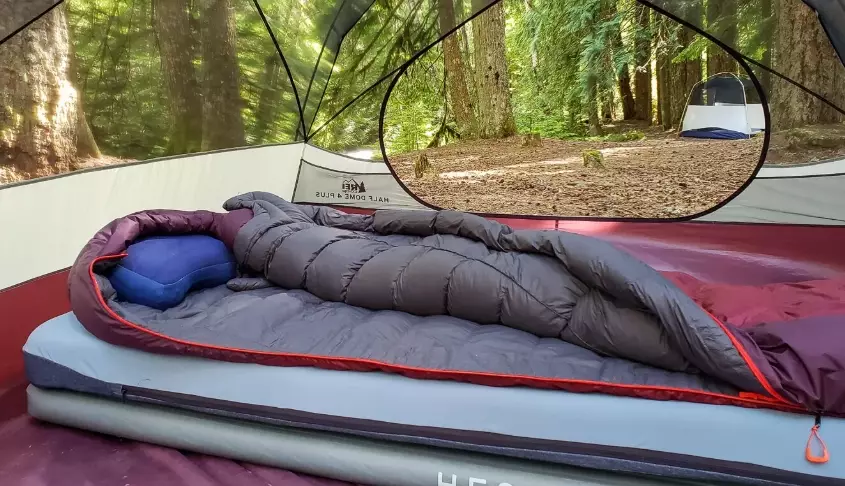
I've been there. I've shivered on thin foam, wrestled with pumps for inflatable pads, and been woken up by the slow hiss of a leak. Getting this decision wrong can ruin a trip. But get it right, and you wake up refreshed, ready to tackle anything. This isn't about pushing a specific brand. It's about giving you the clear, no-nonsense info you need to match a mattress to your body, your trip, and your budget. Let's ditch the guesswork.
Quick Navigation
The Big Four: Breaking Down Every Camping Mattress Type
Before we dive into the nitty-gritty, you need to know your players. The camping sleep world really boils down to four main categories. Each has a totally different personality, and understanding that is step one.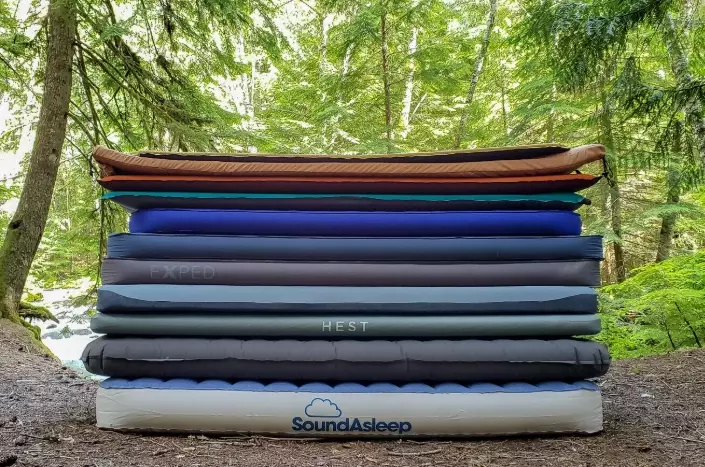
Air Pads (The High-Tech Comfort Kings)
These are the modern favorites for a reason. They're essentially mini air mattresses, but way more advanced. You inflate them (by mouth, with a pump sack, or a small electric pump), and they provide cushioning through air chambers. The good ones have internal baffles or I-beam constructions that keep you stable and prevent that annoying rolling-off feeling.
Pros: Unbeatable comfort-to-weight ratio, pack super small, often have high R-values for warmth.
Cons: Can be pricey, risk of punctures (though many are durable), can feel bouncy or noisy to some sleepers.
So, what type of mattress is best for camping if you're a backpacker who wants luxury? A high-end air pad is probably your answer.
Self-Inflating Mats (The Reliable All-Rounder)
Think of these as the Swiss Army knife of camping mattresses. They combine open-cell foam with an air valve. Open the valve, the foam expands and sucks in air, giving you a mostly inflated pad. You then top it off with a few breaths to reach desired firmness.
They strike a great balance. The foam provides some insulation and cushioning on its own, which is a lifesaver if you get a small leak. They're generally more durable than pure air pads against minor abrasions.
Pros: Great balance of comfort, insulation, and durability; less prone to catastrophic failure from a single leak.
Cons: Heavier and bulkier than air pads; the foam can absorb moisture over time if not stored properly.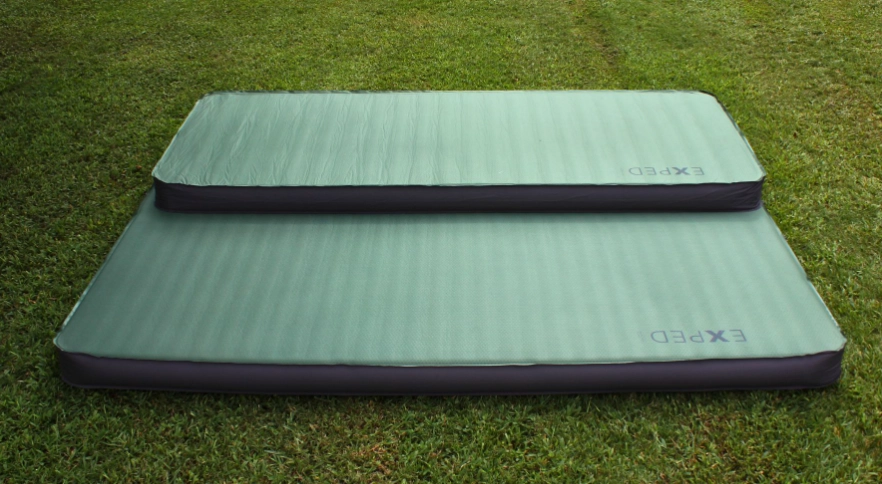
Closed-Cell Foam Pads (The Indestructible Workhorse)
The classic. The blue or silver pad you've seen strapped to backpacks for decades. It's a slab of dense foam with tiny closed air cells. You don't inflate it. You just unroll it and sleep.
Look, they're not plush. But they have massive advantages. They're virtually indestructible—thorns, rocks, and clumsy campers are no match. They're also the lightest and cheapest option. Most importantly, they never fail. No leaks, ever. Their insulation is decent because the foam itself traps air.
Pros: Bombproof, lightweight, inexpensive, never leaks, provides consistent insulation.
Cons: Least comfortable (thin), bulky to pack (you usually strap it outside your pack), minimal cushioning for side sleepers.
For ultra-reliability above all else, this is a top contender when considering what type of mattress is best for camping in rugged, no-room-for-error situations.
Camping Cots (The Above-Ground Option)
These are a different beast altogether. They lift you completely off the ground on a fabric sling supported by a frame. This changes everything.
Pros are huge: amazing airflow in hot weather, storage space underneath, and a bed-like feel that's easy to get in and out of. The cons are just as big: heavy, bulky, expensive, and they provide zero insulation from below (the air under you gets cold). You often need to add a pad on top for warmth.
Pros: Superior comfort and ease of use, great ventilation, off-ground storage.
Cons: Very heavy and bulky, poor insulation, high cost, not suitable for small tents.
The Ultimate Comparison: Side-by-Side
Let's put this all in one place. This table is the quick-glance guide you can come back to. I've rated each category based on typical models in that class.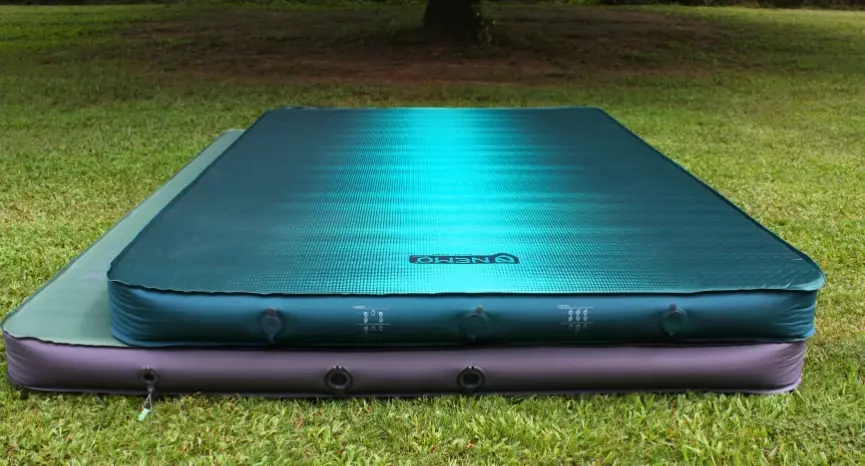
| Feature / Type | Air Pad | Self-Inflating Mat | Closed-Cell Foam | Camping Cot |
|---|---|---|---|---|
| Comfort (for Side Sleepers) | Excellent (3-4" thickness) | Very Good (1.5-3" thickness) | Poor (0.5-0.75" thickness) | Excellent (but may need a topper) |
| Pack Size | Very Small | Medium | Large (rolls or folds) | Very Large (in bag) |
| Weight | Light (1-2 lbs) | Medium (2-4 lbs) | Very Light (0.5-1 lb) | Heavy (10-20 lbs+) |
| Warmth (Insulation) | Excellent (High R-value options) | Good (Built-in foam) | Moderate (R-value ~2) | Poor (requires separate pad) |
| Durability / Leak Risk | Good (with care) | Very Good | Excellent (Indestructible) | Excellent (frame issues possible) |
| Ease of Setup | Medium (need to inflate) | Easy (self-inflates mostly) | Trivial (unroll) | Complex (assembly required) |
| Best For... | Backpackers, comfort-seekers, cold-weather campers | Car campers, kayak campers, general-purpose use | Ultralight backpackers, emergency use, as a backup | Car/base campers, tall/heavy people, hot-weather camping |
Beyond the Type: The 5 Crucial Factors You MUST Consider
Okay, you know the types. But picking the best camping mattress for YOU means digging deeper. Here's what really matters.
1. Insulation & The R-Value (The Warmth Number)
This is the big one most people miss until they're cold. R-value measures thermal resistance. Higher number = better insulation from the cold ground. It's not about comfort; it's about survival (well, comfortable survival).
- R-Value 1-2: Summer use only. Warm nights above 50°F (10°C).
- R-Value 3-4: Three-season sweet spot. Good for spring/fall down to freezing (32°F / 0°C).
- R-Value 5+: Winter/cold-weather camping. For temps well below freezing.
Air pads often have the highest achievable R-values because they can use synthetic or down-filled insulation inside the chambers. A closed-cell foam pad has a fixed, modest R-value (usually around 2). A cot has an R-value of basically zero—you're sleeping on a sling suspended in cold air!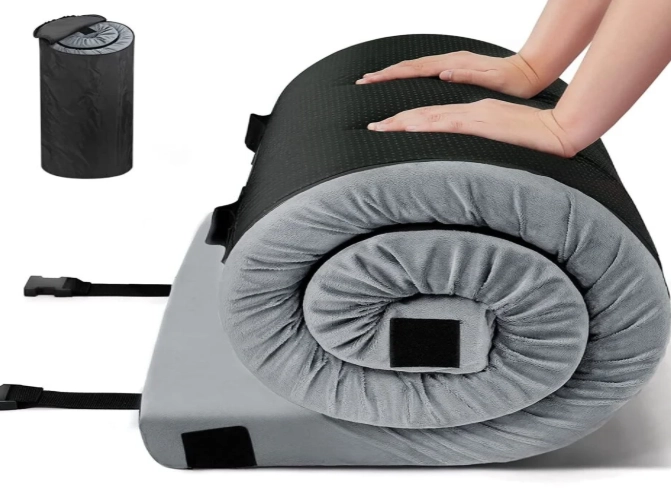
2. Your Sleep Style (Side, Back, or Stomach?)
This is personal. Back and stomach sleepers can often get away with thinner pads. Side sleepers? We need cushion for our hips and shoulders. Look for thickness. For side sleeping, I'd rarely recommend anything under 2.5 inches of loft. A thin foam pad will leave you sore. This is why answering what type of mattress is best for camping depends so much on your body.
3. Trip Type: Backpacking vs. Car Camping
This dictates your weight and bulk tolerance.
Backpacking: Every ounce counts. You're looking at air pads or foam pads. A 3-pound self-inflater might be okay for a short trip, but for long miles, a 1-pound air pad wins.
Car Camping: The world is your oyster. Weight doesn't matter. Go for maximum comfort—a thick self-inflating mat, a luxurious double-wide air pad, or a cot. This is where you can really solve the comfort equation.
4. Durability & The Puncture Fear
Let's address the elephant in the tent. Yes, air pads can puncture. But modern ones use rugged fabrics like 75D or even 150D polyester. They're tough. Always use a groundsheet or footprint under your tent. Carry a repair kit (they usually come with one). The peace of mind of a foam pad is real, but the comfort sacrifice is also real. It's a trade-off.
5. Budget: What's Your Sleep Worth?
You can spend $20 on a basic foam pad or $300+ on a top-tier winter air pad. Generally:
- Budget ($20-$60): Foam pads, basic air pads (low R-value).
- Mid-Range ($70-$180): Quality 3-season air pads, good self-inflating mats.
- High-End ($200+): Premium winter/4-season air pads, high-comfort cots.
My take? Don't cheap out on what separates you from the ground. A good mattress lasts for years and pays you back in sleep every single night.
My Recommendations: Cutting Through the Choices
Based on all this, here's how I'd steer different campers. These aren't brand-specific, but category-specific with key features to look for.
For the Ultralight Backpacker:
Top Pick Path: A lightweight air pad with an R-value of 3 or 4. Look for models around 1 pound (16 oz) or less. They pack to the size of a water bottle. If you're truly gram-counting and sleep like a log, a closed-cell foam pad is your reliable, never-fail buddy. Just don't expect cloud-like comfort.
For the Car Camper Who Wants a Real Bed:
Top Pick Path: You have options! A thick (3+ inch) self-inflating mat is fantastic. So is a double-wide air pad (some even come with built-in pumps). Or, go all out with a camping cot and then add a 2-inch self-inflating topper on top for the ultimate sleep throne. This is where you can truly find what type of mattress is best for camping in luxury.
For the Cold-Weather Warrior:
Top Pick Path: A high R-value (5+) insulated air pad is non-negotiable. The insulation inside is key—look for terms like "synthetic" or "down" fill. Pair it with a closed-cell foam pad underneath for extra insurance (a combo called "stacking"). Never use a cot alone in the cold.
For the Family or First-Timer on a Budget:
Top Pick Path: Start with a basic, 1.5-2 inch self-inflating mat. It offers the best balance of comfort, simplicity, and durability for the price. It's forgiving and a great way to see if you like camping without a huge investment. Or, get everyone a closed-cell foam pad—they're cheap and kids don't seem to mind them as much.
Your Questions, Answered (The Real Stuff People Ask)
Wrapping It Up: Your Action Plan
So, after all this, what type of mattress is best for camping? The unsatisfying but true answer: it depends. But now you know what it depends on.
- Decide your primary use: Backpacking = prioritize weight/size. Car camping = prioritize comfort.
- Check the R-value against the coldest temperatures you'll face. Add a buffer if you get cold easily.
- Be honest about your sleep style. Side sleeper? Demand thickness (2.5"+).
- Set your budget, but remember this is a long-term investment in good trips.
The best camping mattress is the one you don't think about. You just sleep. It's the one that makes you wake up smiling, not sore. It might be a high-tech air pad, a trusty self-inflater, or even the simple, reliable foam pad. The goal isn't to find the "best" in the world, but the best for you.
For further reading on sleep systems and insulation principles, the experts at REI's Expert Advice section have fantastic, in-depth resources that align with a lot of what we've discussed here.
Now go get some rest. Out there.