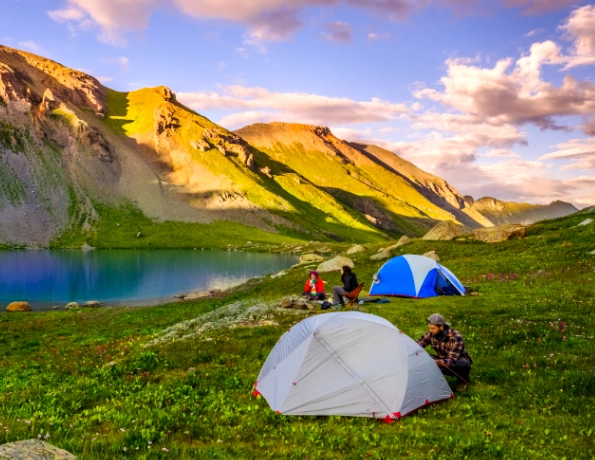
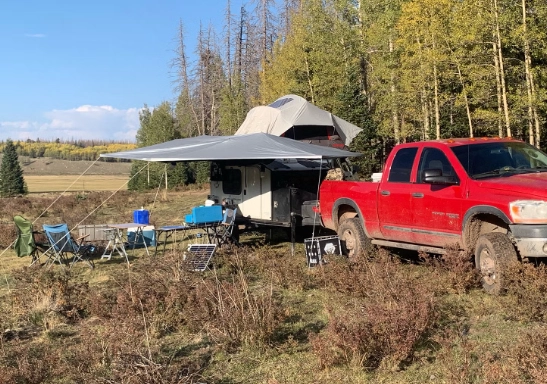
Let's be honest. When you search for the "best camping destinations," you're often met with the same listicle of famous national parks. Yosemite Valley, Yellowstone, the Grand Canyon. They are incredible, yes, but also... predictable. And crowded. The magic of camping isn't just about the view; it's about the feeling. It's the silence that's so profound it hums, the air so crisp it cleans your lungs, the night sky so clear you feel you could touch the Milky Way. The best camping destinations trade some convenience for an experience you simply cannot get anywhere else.
So, I'm going to skip the usual suspects for a moment. I've spent over a decade chasing those perfect, less-traveled spots. The ones where you don't just pitch a tent, you find a piece of yourself. Here's what makes a destination truly stand out for me.
It's about the specific campfire conversations you'll have there.
Your Quick Guide to Camping Paradise
Types of Camping Experiences: Know Your Style
Before we pack the car, let's figure out what you're actually looking for. Are you after a place with flushing toilets and a camp store? Then we're talking about developed campgrounds. Or is the goal to see zero other humans? That's dispersed backcountry camping. Most people think they want the second one until they're three hours into a hike with a 40-pound pack and realize they forgot the shovel. Be honest with yourself.
I'll break down the four main archetypes I've seen people truly connect with:
The "I Just Need to Get Outside" Camper: You want accessible beauty. A stunning lake you can drive right up to, with a clean pit toilet nearby. You're not lazy, you're efficient. Your destination needs great views within a 2-hour drive max, and a reservation system that doesn't require a lottery.
The Family Basecamp Crew: Your checklist is longer. Clean facilities (pit toilets are fine, but they better be well-maintained), flat ground for tents and games, and something—anything—to keep the kids engaged. A short nature trail, a stream to skip rocks in, maybe even ranger programs. Proximity to a small town for an ice cream emergency run is a huge plus.
The Solitude Seeker: You want to hear the loon call echo across a lake at 10 PM, and know it's just you and the loon. You're willing to drive a dirt road for an hour. You're comfortable with no cell service. Your destination is about the lack of other names on the permit map.
The Instagrammer (The "Glamper"): Let's not judge. You want a stunning backdrop that looks effortless in photos, and you might even want a platform or a pre-built structure. Comfort is key, but so is that unique landscape. Maybe it's a yurt with a mountain view, a safari tent overlooking a desert, or a simple car spot by a dramatic cliff.
Identifying which of these you are (or are traveling with) is the single most important step. I've seen brilliant trips to "remote" spots ruined because one person was secretly a "flush toilet or bust" person while the planner was dreaming of a solar shower under the stars.
North America's Hidden Gems
Forget the overcrowded classics for a second. I want to talk about places that offer a distinct flavor, something that sticks in your memory not just because of the scenery, but because of the specific camping experience it offers.
1. Joshua Tree National Park, USA
Everyone talks about the twisted Joshua Trees and the climbing. That's great. But the real magic happens when you camp among those boulders at night. The desert sky, unpolluted by any city lights, explodes with stars. The silence is so complete you can hear your own heartbeat. Then, around 3 AM, the coyotes start. It's not scary, it's exhilarating. It reminds you you're in a wild place.
Style: Primitive to developed car camping. You can pull an RV into many sites at Black Rock or Cottonwood Springs, but the best spots are for tents.
The Specifics:
- Address: Park entrances are off CA-62 and I-10. Main visitor center: 74485 National Park Drive, Twentynine Palms, CA 92277.
- Campgrounds: Jumbo Rocks is my favorite for first-come, first-served sites (no hookups). Black Rock Canyon has some sites with RV hookups.
- Reservations & Fees: Most sites are $20-$30 per night. Reservations for popular campgrounds like Indian Cove and Black Rock open 6 months in advance on Recreation.gov and vanish within minutes. A pro tip? The hidden gem is the Belle Campground area, which is first-come, first-served and often has space when others don't.
- When to Go: October to May. Avoid summer. It's not just hot; it's dangerously hot for camping.
- How to Get There: Fly into Palm Springs (PSP) or Las Vegas (LAS). From Palm Springs, it's about a 45-minute drive to the West Entrance. From Las Vegas, it's about a 3-hour drive. You'll need a car, no question. There's no real public transport that gets you to the remote campsites.
My personal story: My first trip to Joshua Tree, I made the classic newbie mistake. I saw a forecast for sunny and 75°F (24°C) days. I packed a light sleeping bag. Desert temperatures plummet at night, often dropping near freezing in the shoulder seasons. I spent a night shivering, learning a lesson no blog had mentioned: the desert floor sucks heat from you long after the sun sets. Always pack for temperatures 20-30 degrees Fahrenheit colder than the daytime high.
2. Banff National Park, Alberta, Canada
If Joshua Tree is about the raw, elemental silence, Banff is about the awe. Camping with a view of turquoise Lake Louise or Moraine Lake is the stuff of dreams. But everyone tries to camp at Lake Louise. The secret most miss? Two Jack Lake. You get the same iconic mountain views—Mount Temple reflected in calm, clear water—but with about 10% of the people. It's quieter, more relaxed, and the campsites feel more like you discovered them.
Biggest Booking Mistake: People focus on the famous campgrounds like Tunnel Mountain Village. They book the moment reservations open in January. What they don't check is the snow melt schedule. Many of the best lakeside spots at Two Jack or Lake Minnewanka are only accessible from late June. If you book for early June, you might get a site... but you might also get a site still surrounded by 6-foot snow walls, with no lake access. Always cross-reference your dream dates with the Parks Canada seasonal road reports.
Global Wonders: Beyond the Beaten Path
North America is incredible, but the world has textures of camping you can't imagine until you've tried them.
3. Fiordland National Park, New Zealand (The "Sound" of Silence)
This is the opposite of a desert. It's a temperate rainforest where it rains. A lot. But that rain creates thousands of waterfalls that cascade down sheer granite cliffs into the fiords. You camp to the sound of water in every form. The experience is damp, lush, and profoundly green. You're not just camping; you're inside a living, breathing soundscape.
Essential Logistics:
- Address: Visitor centres are in Te Anau or Milford Sound. For backcountry camping, you start from Te Anau.
- Getting There: Fly into Queenstown (ZQN) or Invercargill (IVC). Te Anau is the gateway town, a 2-hour drive from Queenstown. You'll need a car. A reliable one, as the road to Milford Sound (SH-94) is winding, mountainous, and requires checking the NZ Transport Agency website for avalanche closures in winter.
- Camping Style: This is serious backcountry. Great Walks like the Milford Track or Kepler Track require hut passes or campsite bookings through the DOC Great Walks booking system. For roadside freedom camping, you must follow the NZ Freedom Camping Rules strictly—use only certified self-contained vehicles or stay at designated areas with toilets.
- When to Go: The shoulder seasons (October-November, March-April) offer the best balance of fewer sandflies and passable weather. Summer (Dec-Feb) is peak season and requires the most planning.
The Non-Negotiables: Planning Your Escape
A perfect destination means nothing if you're miserable. Let's talk about the boring but critical stuff.
Booking Windows Are a War Zone: I mentioned it for Banff, but it's universal now. For popular parks worldwide, the reservation window opens 3-6 months out. Sites for peak dates vanish in minutes. You need a strategy: know the exact opening time (often 8 AM local time), have your account logged in with payment ready, and have your desired dates and backup dates in mind before you click. If you fail, your only hope is daily cancellation checks.
The One Piece of Gear Everyone Forgets: It's not a better tent. It's a high-R-value sleeping pad. A good sleeping bag is useless if you lose all your heat to the cold ground. For a damp place like Fiordland, an insulated, full-length pad is non-negotiable. For Joshua Tree's cold desert nights, an R-value of 4 or higher is my personal minimum.
How to Actually Choose Your Next Destination
Stop just looking at pictures. Ask these questions:
- What's the water situation? Is there a safe drinking water source at the site, or do you need to bring all your water for two days? Joshua Tree has no water sources at most primitive sites; you must bring all your own.
- What are the fire regulations? Are wood fires even allowed? In many California and New Zealand parks during summer, all open fires are banned. You need a camp stove.
- What's the road access like? Can a standard sedan make it, or do you need high clearance? The road to Two Jack Lake in Banff is paved and easy. Some of the most magical dispersed spots in the US require a 4x4.
- What's the true cost? The site fee is just the start. Add in the gas for that remote drive, any required permits (like the National Parks Pass in the US), and often a reservation fee on top of the camping fee.
Let me put it in a table. This isn't about good vs. bad; it's about matching your expectations to reality.
| Destination | Best For | Hidden Cost | My Personal Rating |
|---|---|---|---|
| Joshua Tree | Stargazers, Rock Climbers, Solitude Seekers | Zero water sources. Must pack in ALL water. | 9/10 for uniqueness |
| Banff (Two Jack Lake) | Families wanting iconic views without the Lake Louise crowds, photographers | Short season. Lakeside sites inaccessible until late June due to snow. | 8/10 for accessibility |
| Fiordland (Milford Sound area) | The "Sound of Silence" experience, serious hikers | You will get wet. It's not a possibility; it's a guarantee. Waterproof everything. | 10/10 for raw, immersive power |
| The Lofoten Islands, Norway | Photographers chasing the midnight sun, Northern Lights hunters, those who don't mind dramatic, unpredictable weather | Extreme price fluctuations. A rental car and cabin in summer can cost triple their winter price. | 7/10 for predictability (of unpredictable weather) |
See what I mean? The "cost" isn't always money.
Your Camping Questions, Answered (By a Human)