Let's cut through the Instagram filters. Backpacking around the world isn't just about sunsets on beaches. It's about figuring out buses in a language you don't speak, loving a $2 street food meal more than any fancy dinner, and occasionally wondering what you're doing with your life at 3 AM in a hostel dorm. The good news? It's absolutely doable. The secret isn't a huge bank account; it's a solid plan and the right mindset. This guide skips the fluff and gives you the actionable steps I wish I had before my first six-month trip.
What's Inside This Guide?
Step 1: Get Your Head in the Game (The Most Important Step)
Before you buy a single piece of gear, sort this out. Most people fail because they're mentally unprepared.
Embrace the "Beginner's Trip." Your first long-term journey shouldn't be a mad dash to tick off 30 countries. That's a recipe for burnout. Pick one region. Southeast Asia (Thailand, Vietnam, Laos, Cambodia) is the classic for a reason: it's affordable, the tourist trail is well-worn (making it easy), the food is incredible, and the travel community is huge. Central America or Eastern Europe are other fantastic starters.
Define Your "Why." Are you running from something or moving towards something? There's no wrong answer, but knowing it helps on tough days. Is it adventure? Cultural immersion? Just a break? Write it down.
Practice at Home. Take the bus to a nearby town you've never visited. Stay in a hostel for a night. Wear your potential backpacking shoes for a full day of walking. Small tests build confidence and reveal gear flaws.
Step 2: Gear Up Without Going Broke
You don't need the latest $300 jacket. You need reliable, multi-purpose items. The biggest mistake is packing for "what-ifs." Pack for the 95% of your trip, not the 5% hypothetical.
The Backpack Itself
Size matters. For indefinite travel, a 40-50 liter backpack is the sweet spot. Anything larger is unwieldy and tempts you to overpack. Crucially, get one that fits your torso length, not just your height. Go to an REI or similar store for a fitting if you can. A poorly fitted pack will ruin your trip. I use a 48L pack and it forces discipline.
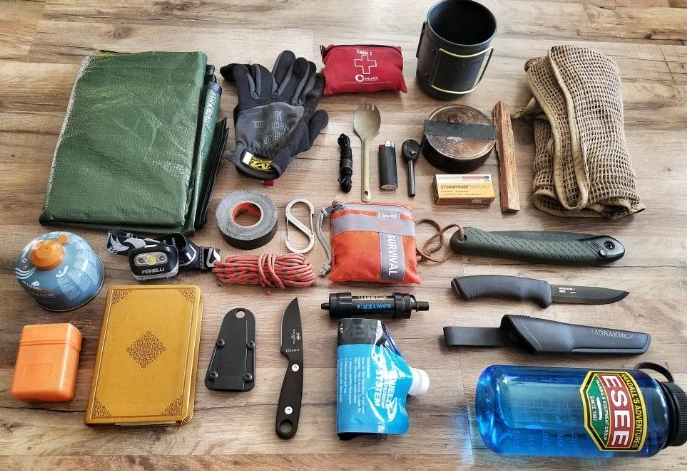
The Non-Negotiable Packing List
This is a core list, not an exhaustive one. Assume you'll be doing laundry weekly.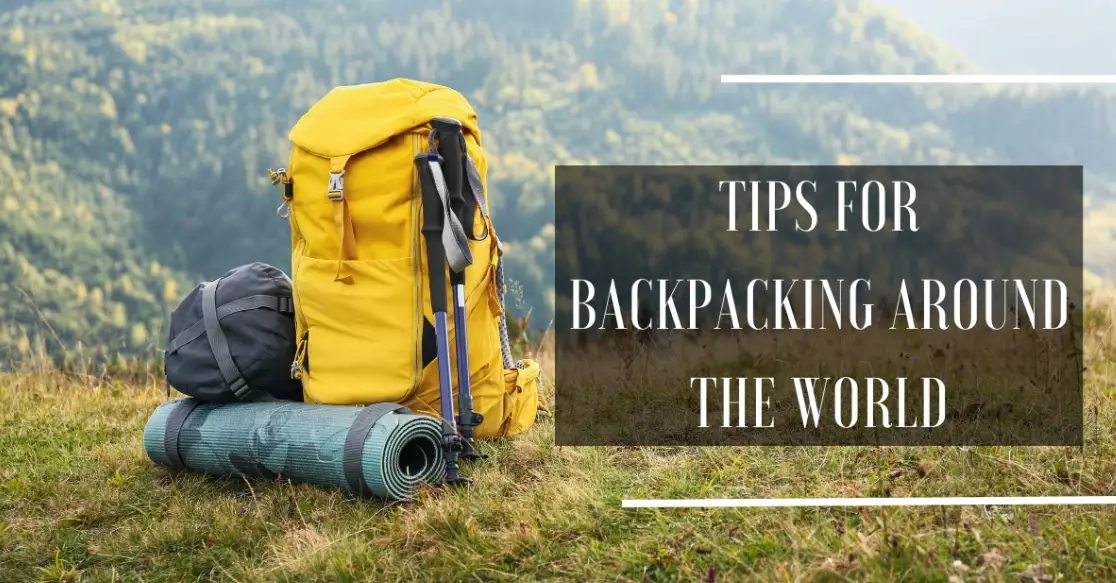
- Clothing (All Quick-Dry): 4-5 t-shirts/tops, 2-3 bottoms (1 short, 1 pant, 1 hybrid), 5-7 underwear & socks, 1 lightweight fleece or sweater, 1 packable rain jacket, 1 pair of versatile shoes (trail runners are perfect), 1 pair of sandals/flip-flops.
- Tech & Documents: Smartphone (your camera, map, bank, translator), universal adapter, power bank, e-reader (optional but great), copies of passport/visas/insurance stored digitally (e.g., Google Drive).
- Health & Misc: Basic first-aid kit (band-aids, antiseptic, diarrhea meds, painkillers), microfiber towel, padlock for lockers, reusable water bottle with filter (like a Grayl or LifeStraw bottle – saves money and plastic).
| Item Category | Pro-Tip / Common Mistake | Budget-Friendly Brand Example |
|---|---|---|
| Backpack | Avoid top-loading only packs. Front-panel loading is a game-changer for organization. | Osprey Farpoint/Fairview 40 |
| Shoes | Never travel with brand-new shoes. Break them in for at least a month beforehand. | Merrell Moab, Salomon Trail Runners |
| Rain Jacket | "Packable" is key. It should ball up to the size of a soda can. | Columbia Watertight II |
| Power Bank | Get at least 10,000mAh. Your phone is your lifeline for maps and bookings. | Anker PowerCore |
Step 3: The Practical Stuff: Money, Visas & Insurance
This is the boring but critical admin. Mess it up, and your trip ends early.
Budgeting Realistically: In cheap regions like Southeast Asia, you can live well on $30-$50 a day. In Western Europe, expect $70-$100+. Your biggest costs are flights and moving between places. To save, use tools like Skyscanner (search by "everywhere" and whole month), and consider overland travel. A 12-hour bus ride is often a fraction of a flight cost and can be an adventure in itself.
Banking: Get a debit card with zero foreign transaction fees and ATM reimbursements (Charles Schwab is famous for this among travelers). Always have a backup card from a different bank stored separately. Notify your banks of your travel plans.
Travel Insurance: This is non-negotiable. It's not for lost luggage; it's for a $100,000 medical evacuation. A simple appendicitis abroad can bankrupt you. Companies like SafetyWing or World Nomads are designed for long-term travelers. Read the policy details, especially on adventure activities.
Visas: Research visa requirements for every country on your rough list. Some are visa-on-arrival, some require advance application. The U.S. State Department Travel Site or your home country's equivalent is a good official source for entry requirements.
Step 4: Crafting Your Flexible Itinerary
Don't plan day-by-day. Plan in blocks. Here’s a sample 3-month skeleton for a first-time Southeast Asia trip, with estimated budgets excluding flights.
| Region/Country | Suggested Time | Key Experiences | Avg. Daily Budget* |
|---|---|---|---|
| Northern Thailand | 2-3 weeks | Chiang Mai (temples, cooking classes), trekking in Pai, ethical elephant sanctuaries. | $30-$40 |
| Laos | 2 weeks | Slow boat to Luang Prabang, Kuang Si Falls, 4000 Islands (Don Det) for ultimate relaxation. | $25-$35 |
| Vietnam | 1 month | Motorbike loop (Hanoi to Hoi An), Ha Long Bay, Mekong Delta, Ho Chi Minh City history. | $30-$45 |
| Cambodia | 10-14 days | Angkor Wat (spend 3 days, it's huge), Phnom Penh history, Kampot/Kep for coast. | $25-$35 |
*Budget is for backpacker accommodation, local food, transport, and some activities.
Use apps like Maps.me for offline navigation and Hostelworld for booking your first night or two in a new city. Read recent reviews, not just the overall score.
Step 5: Life on the Road: Saving Money & Staying Sane
You're there. Now how do you make it work?
Accommodation Hacks: Hostels are for more than sleep; they're your social and info hub. But after a few weeks in dorms, book a private room for a night to recharge. Use platforms like Workaway or WWOOF for free stays in exchange for a few hours of work a day—it's a great way to dive deeper into a place.
Eating & Transport: Eat where the locals eat. Street food is often safer (high turnover) and infinitely tastier than tourist restaurants. For transport, overnight buses or trains save a night's accommodation. In cities, learn the local ride-hailing app (Grab in Asia, Bolt in Europe).
Community & Loneliness: You will get lonely. It's normal. Hostel common rooms, free walking tours, and pub crawls are built for meeting people. But it's okay to say no and have a solo day. Join Facebook groups like "Backpacking [Region]" for real-time advice and meetups.
Your Backpacking Questions, Answered
I'm terrified of traveling alone. Is it safe, especially for solo women?
Solo travel is generally very safe if you use common sense. Research areas to avoid, don't walk alone drunk at night, and trust your gut. For women, I recommend choosing well-traveled routes initially, staying in female-only dorms, and connecting with other travelers. Resources like the Solo Female Traveler Network offer specific, updated advice. The fear is almost always worse than the reality.
How much money do I really need to start backpacking around the world?
Beyond your gear and flights, have a minimum runway of $3,000 - $5,000 for your first 3 months in a budget region. This gives you a cushion for emergencies and allows you to enjoy experiences without constant stress. The real key is having a way to make or access more money if needed, like remote work skills or a backup fund at home.
 What's the one item most first-timers forget that you swear by?
A small roll of duct tape. Wrap some around a pencil or old gift card. It fixes torn backpacks, broken sandals, mosquito net holes, and a hundred other things. It's the ultimate MacGyver tool that no one thinks to pack.
How do I deal with the pressure to always be having an "amazing" time?
This is huge. Social media creates a highlight reel. Some days are just for doing laundry, scrolling your phone, and feeling a bit lost. That's part of the journey, not a failure. Give yourself permission to have boring days. Go see a movie in a foreign city. Sit in a cafe and journal. Long-term travel isn't a vacation; it's a lifestyle with ups and downs.
The hardest part of learning how to start backpacking around the world is buying the ticket. Everything else is a solvable problem. You'll make mistakes, get lost, and spend too much on a taxi once. You'll also have moments of pure magic that no guidebook can describe. Pack light, stay flexible, and say yes more often than no. The world is far more welcoming and navigable than it seems from your couch. Your adventure begins with a single, deliberate choice to go.