Let's be real. The dream of wild camping isn't about a numbered site with a fire ring and a picnic table ten feet from your neighbor's RV. It's about that quiet pull-off down a forest service road, the hidden clearing by a lake you found on the map, the complete silence under a sky smeared with stars. Finding these wild camping spots is the holy grail for many outdoors people. But it's also shrouded in confusion, legal gray areas, and a fair bit of anxiety about doing it wrong.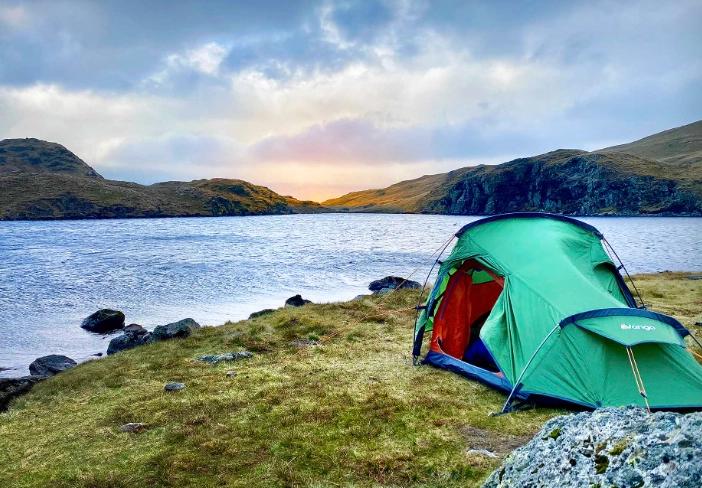
I've spent over a decade chasing that solitude, from the Rockies to the Scottish Highlands, making my share of mistakes along the way. The biggest one? Assuming "wild camping" means "camp anywhere." That mindset gets beautiful spots closed down. This guide isn't just a list of coordinates (those are often fleeting). It's a blueprint for how to systematically find your own legal dispersed camping areas, what to bring, and how to leave the place looking like you were never there.
What's Inside This Guide
How to Find Legal Wild Camping Spots: A Step-by-Step System
Forget random online lists that are outdated by the time they're posted. The key is understanding who manages the land. In the US, your best bets are almost always U.S. National Forests and Bureau of Land Management (BLM) land. These agencies generally allow "dispersed camping" outside of designated campgrounds, but with specific rules.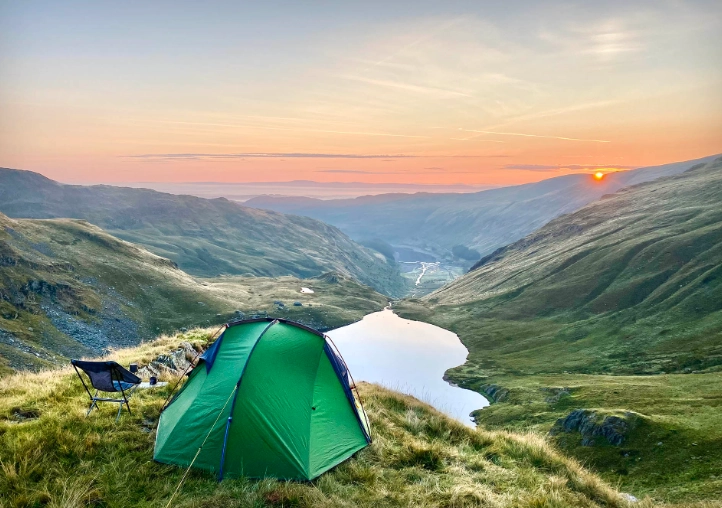
Step 1: The Digital Reconnaissance
Start on the official website. If you're looking at, say, the White River National Forest in Colorado, go to the US Forest Service site, find that specific forest, and search for "dispersed camping." Read the rules page like it's a contract. Note the stay limits (often 14 days), fire restrictions, and any area-specific closures.
Next, use mapping tools with layers. Gaia GPS or OnX Hunt are phenomenal because they show public/private land boundaries in stark color. You can literally see where the BLM (yellow) or National Forest (green) land begins. This prevents the nightmare of accidentally camping on private property.
Step 2: The Scouting Mission
This is where most people go wrong. They see a flat spot on a map and drive straight to it. Instead, plan to arrive with at least 2-3 hours of daylight left. Your goal is to drive the forest service or BLM roads (look for road numbers like FR 535) and look for obvious, established pull-offs. You're looking for:
- Existing fire rings (but don't assume you can have a fire!).
- Worn patches of ground where others have clearly camped before.
- Access that doesn't require driving over vegetation or blocking the road.
A pro tip from hard experience: The most pristine-looking spot at the end of a rough road is tempting, but consider if you can get your vehicle out if it rains. Getting stuck miles from cell service is a real mood-killer.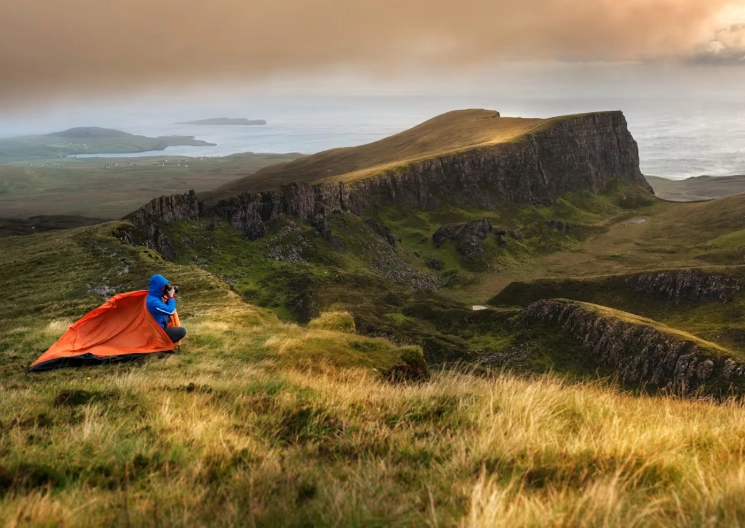
Location Example: Dispersed Camping near Moab, UT. Much of the land around Moab is BLM-managed. A well-known area for dispersed camping is along the Willow Springs Road (off UT-191, north of town). You'll find dozens of informal sites. There are no facilities. You must pack out all waste. Camping is free but typically limited to 14 days. Always check the BLM website for current fire bans and restrictions, which are common in this arid region.
The Non-Negotiable Gear for Dispersed Camping
Your car-camping kit needs a serious upgrade for true wild spots. You are your own front desk, maintenance crew, and safety team. Here’s what most lists miss: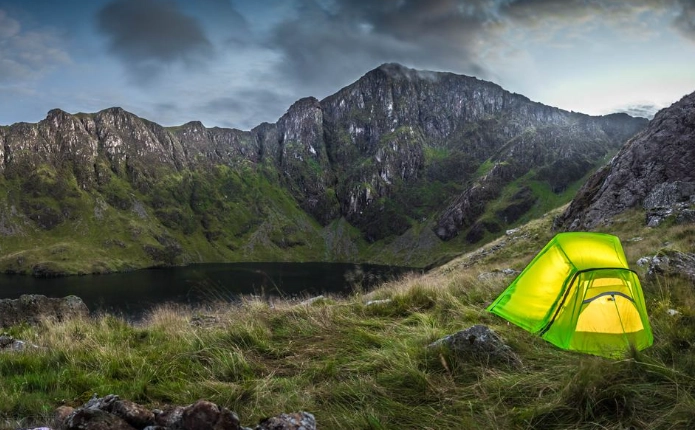
Navigation & Safety (Beyond Your Phone)
Your phone will die. Have a paper map of the area and a compass, and know how to use them. A satellite communicator (like a Garmin inReach) is the single best investment for peace of mind. It's not just for emergencies; you can send "I'm OK" messages to family from the middle of nowhere.
The Human Waste System
This is the unglamorous reality. Many wild camping areas have no toilets. You need a portable toilet system or a trowel and WAG bags. Digging a cathole 6-8 inches deep, 200 feet from water, is the Leave No Trace standard for solid waste. Pack out your toilet paper in a ziplock. Seriously. Leaving it buried is a gross disservice to the next person and the ecosystem.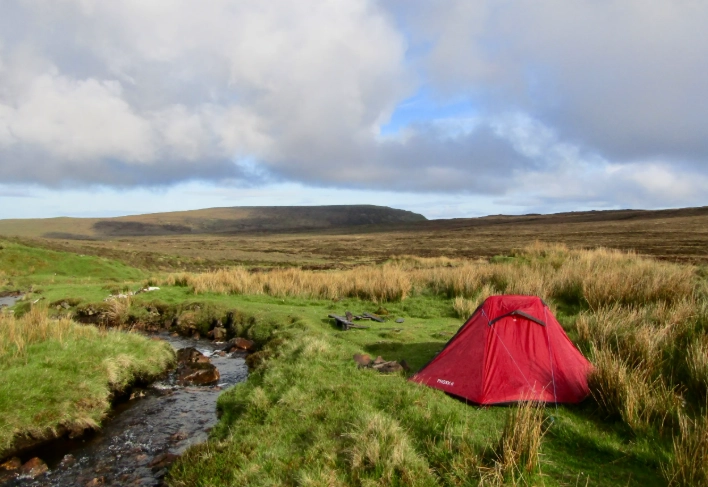
Water Management
Assume all natural water sources need treatment. A reliable water filter (like a Sawyer Squeeze or Katadyn pump) is essential. Calculate more water than you think you'll need, especially for cooking and cleaning. I bring a 7-gallon Aquatainer to my base camp and fill it in town before heading out.
Camping Responsibly: It's More Than Just Packing Out Trash
This is the core of it. If we abuse these privileges, they get taken away. Leave No Trace (LNT) is your bible.
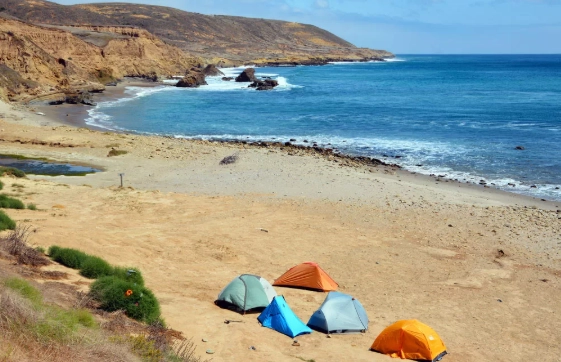
The most violated LNT principle I see? Camp on durable surfaces. People see a beautiful meadow and pitch their tent right on the grass. That damages vegetation and leaves a scar. Always look for that already-bare spot: sand, gravel, dry grass, or forest duff. If you're in a group, spread out instead of clustering all tents on one virgin patch.
Fire is another big one. Just because there's a ring doesn't mean you should have a fire. During dry seasons, it's often prohibited. If it's allowed, keep it small, use only dead and downed wood you can break by hand, and burn it completely to ash. Drown it with water until it's cold to the touch. I often go without a fire; a good headlamp and a warm sleeping bag offer all the ambiance you need.
Respect wildlife by storing all food, trash, and scented items (toothpaste, deodorant) in a bear-resistant container, whether you're in bear country or not. Raccoons and mice are just as effective at ruining your trip.
Your Wild Camping Questions, Answered
How do I know if a specific wild camping spot is legal the night before I go?
There's no universal database of "approved" spots. Legality is determined by the land manager's rules for that entire area. Your job is to confirm you're on public land where dispersed camping is permitted (using the forest/BLM website and a good map), then find a spot that doesn't violate specific rules like being within 200 feet of a water source or a designated trailhead. Call the local ranger district office. They give the most current, on-the-ground info about road conditions, fire bans, and recent closures.
What's the one piece of gear most people forget for dispersed camping that can save a trip?
A heavy-duty tire repair kit and a reliable air compressor. Forest service roads are littered with sharp rocks and debris. I've had two flats on one trip. Knowing how to plug a tire and re-inflate it got me back to pavement. A standard spare tire might not be enough. Also, extra traction boards (like Maxtrax) can be a lifesaver if you get stuck in sand or mud miles from help.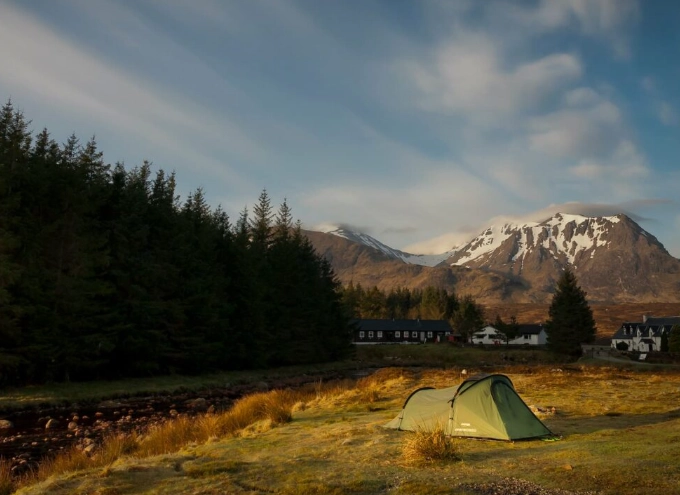
Is wild camping safe for solo travelers, especially women?
This is deeply personal, but from my experience and that of many solo female camping friends, the perceived risk from people is often lower in truly remote wild spots than in busy, crowded campgrounds. Your real risks are environmental and medical. Mitigate those by always telling someone your detailed plan (which road, what area), having that satellite communicator, and trusting your intuition. If a spot feels off, leave. Park your vehicle so it's not blocked in, and keep your keys and a light within easy reach in the tent. The solitude you gain is worth the extra planning.
Can I have a campfire at any wild camping spot I find?
Absolutely not. This is a critical mistake. Fire regulations change daily based on weather and conditions. A pre-existing fire ring is not permission. Before you leave, and again when you arrive in the area, check the official fire restrictions for that county or forest. They range from "no restrictions" to "no open flames of any kind." During high fire danger, even a propane stove might be banned. Always carry a backup cooking method that doesn't require a fire, like a camp stove that uses sealed fuel canisters.