Let's be honest. Camping backpack packing can make or break your trip. A poorly packed bag feels like carrying a grumpy, unbalanced donkey on your back. A well-packed one? It's like a trusted companion that makes hiking a joy. After over a decade of trial, error, and refining my system, I've learned that success isn't about bringing more stuff—it's about bringing the right stuff and placing it correctly. This guide cuts through the fluff and gives you the actionable, expert-level strategies you need.
Your Quick Packing Roadmap
The Essential Camping Packing List: What to Bring (and What to Leave Behind)
Forget those generic lists with 100 items. We're going for efficiency. Your goal is to keep your total pack weight under 20-25% of your body weight for multi-day trips. Every ounce counts. Here’s my categorized, weighted breakdown based on a typical 3-season, 2-night trip.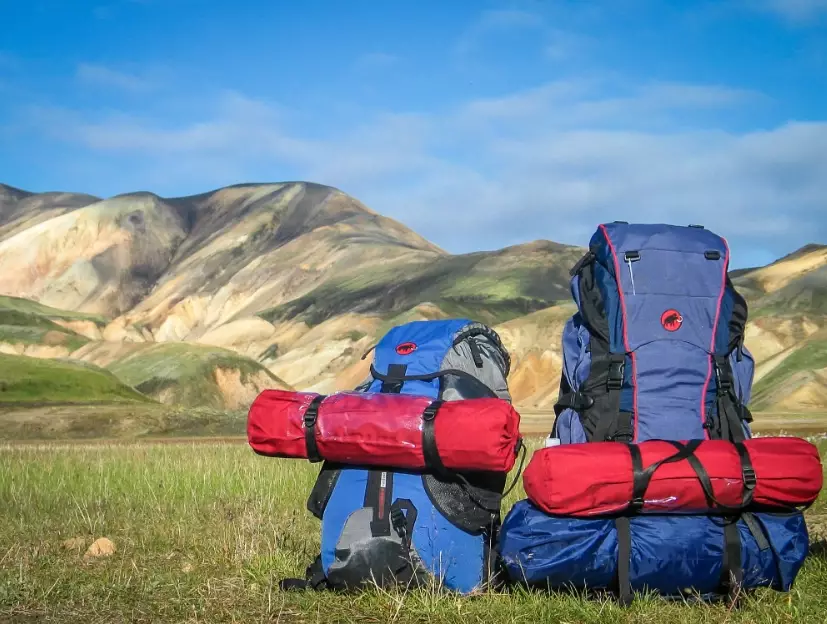
| Item Category | Specific Items | Weight (Est.) | Non-Negotiable? |
|---|---|---|---|
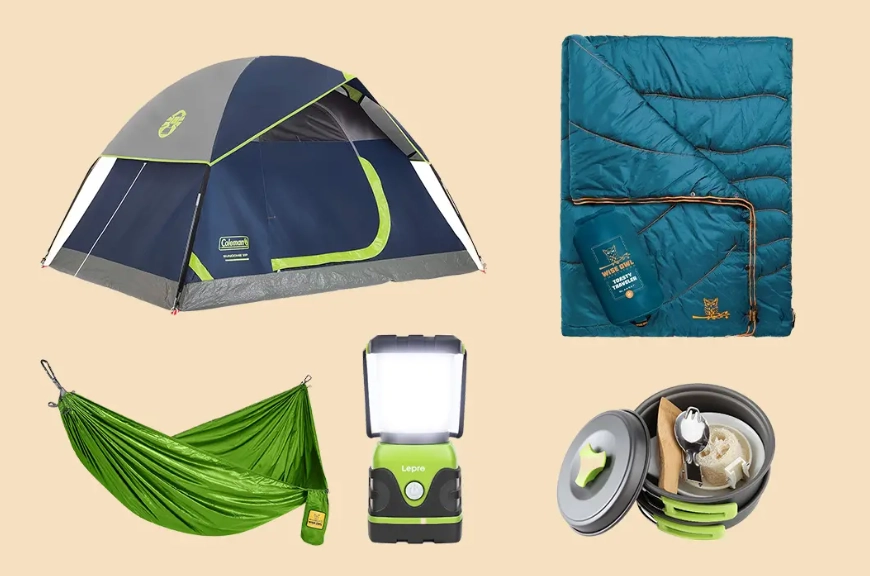
| Shelter & Sleep | Tent (with stakes/ poles), Sleeping Bag, Sleeping Pad, Pillow (inflatable) | 6-10 lbs | Yes |
| Kitchen & Food | Stove, Fuel, Pot, Spork, Mug, Food (dehydrated meals, snacks), Bear Canister (if required), Water Filter/Bottles (2L) | 5-8 lbs | Yes |
| Clothing | Baselayer (synthetic/wool), Insulating Layer (fleece/puffy), Rain Jacket, Hiking Pants/Shorts, Socks (2 pairs), Underwear, Sleep Clothes, Hat, Bandana | 4-6 lbs | Yes (Layering is key) |
| Essentials (The 10+) | Headlamp, Map/Compass/GPS, First-Aid Kit, Knife/Multi-tool, Fire Starter, Sun Protection (sunglasses, sunscreen, lip balm), Emergency Shelter (space blanket), Repair Kit, Hygiene (toothbrush, hand sanitizer), Wallet/ID | 2-3 lbs | Absolutely Yes |
| Luxury/Personal | Camera, Book, Journal, Camp Shoes (like Crocs), Extra comfort food, Small flask | 1-2 lbs | No (Space/Weight Permitting) |
See the "Non-Negotiable?" column? That's your priority filter. If your pack is getting heavy, start cutting from the bottom row. I once ditched a heavy paperback for a few chapters on my phone and saved over a pound. It felt silly, but my knees thanked me on mile ten.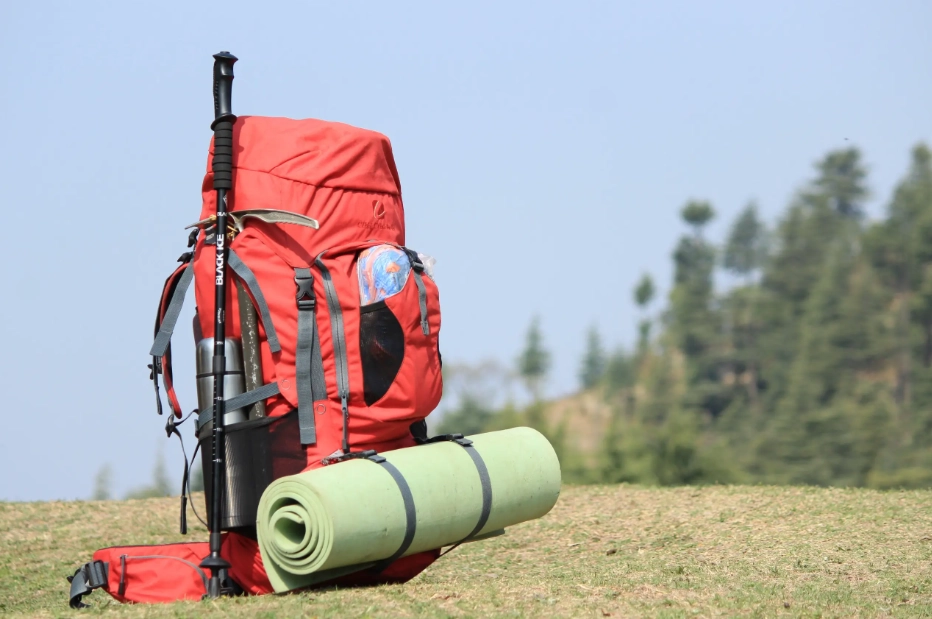
A specific tip most overlook: repackaging. Get small, lightweight containers for things like soap, spices, or first-aid cream. Ditch the original bulky boxes and bottles. This single habit can shave off a surprising amount of weight and clutter.
How to Pack Your Backpack: The Art of Weight Distribution
This is where most beginners fail. They just stuff things in. Packing a backpack has a core principle: heavy stuff close to your back and centered between your shoulder blades. Think of it like building a house. You want the foundation (the weight) centered over the frame (your spine).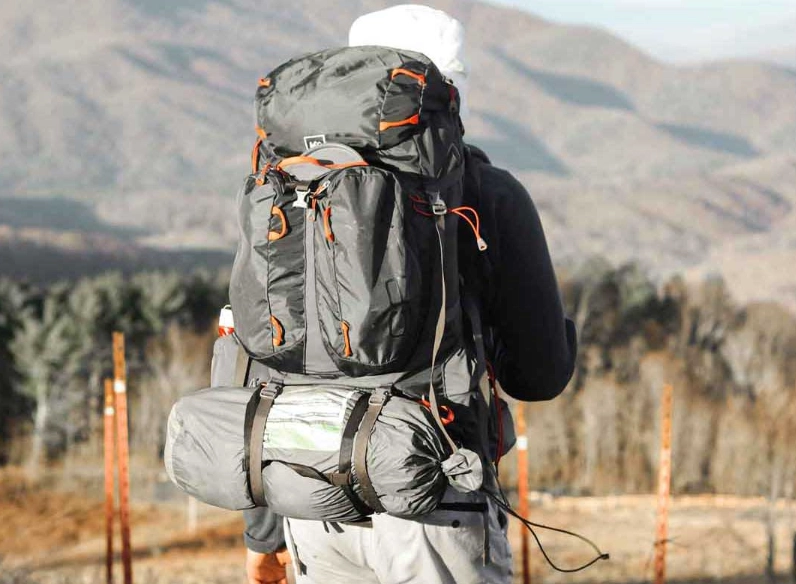
Step-by-Step Packing Order (Bottom to Top)
Bottom Zone (Low Priority & Light): This is for items you won't need until camp. Your sleeping bag goes here first. Pack it loose, don't over-compress it. Then add your sleep clothes and inflatable pillow. This creates a soft, stable base.
Middle Zone (Close to Your Back - HEAVY): This is the core. Place your stove, cook pot, food bag (heaviest part of your kit), and water reservoir or full water bottles here. They should sit vertically, right against the frame. This keeps the load's center of gravity aligned with your body, preventing you from being pulled backward.
Middle Zone (Front of Heavy Items - Medium/Bulky): Here goes your tent body (not the poles), your clothing bundle, and maybe your rain gear. These items fill space and cushion the heavy core.
Top Zone (Medium & Frequently Needed): Pack items you might need during the day: your puffy jacket, first-aid kit, map, snacks, headlamp, and water filter. Easy access is key here.
Lid & Pockets (Essentials & Instant Access): The brain/lid is for sunscreen, lip balm, sunglasses, and your rain jacket if weather looks iffy. Hip belt pockets? Perfect for your phone, snacks, and a small knife. Shoulder strap pockets hold electrolyte tabs or a small camera.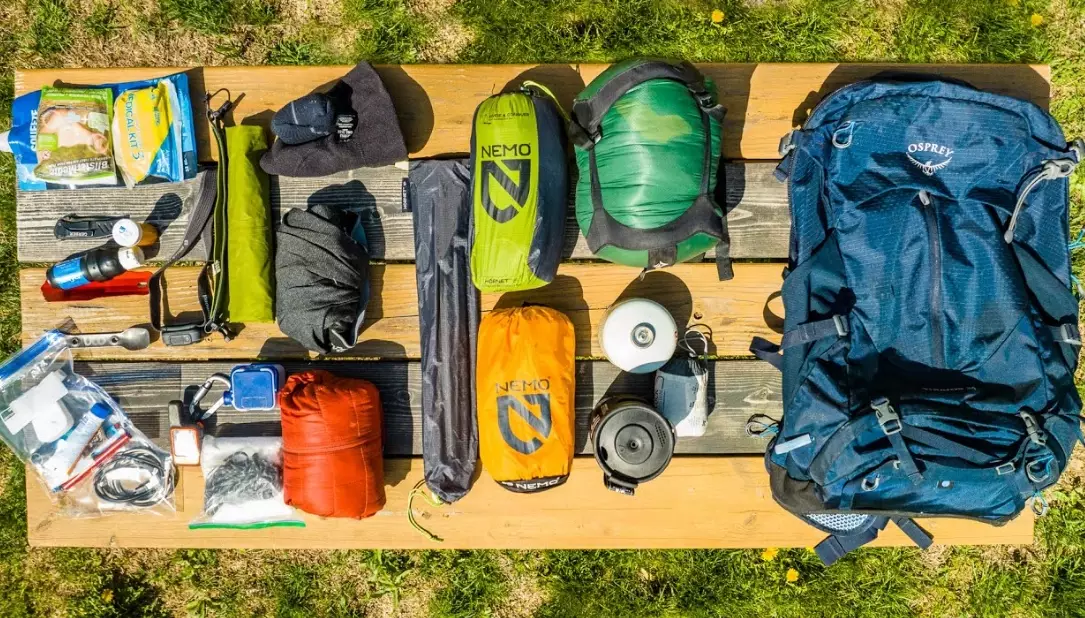
Pro Check: Once packed, lean forward slightly with your hip belt fastened. The pack should feel like it's hugging your back, not dragging you down or pulling you over. If it feels unstable, the heavy items are probably too high or too low.
Common Backpack Packing Mistakes and How to Avoid Them
I've made these. My friends have made these. Let's save you the trouble.
Mistake 1: The "Just in Case" Syndrome. Bringing a massive first-aid kit for a weekend, three extra shirts, a full-sized deodorant. Solution: Be ruthless. Ask: "Will I use this at least twice?" If not, leave it. For first-aid, tailor it. Are you hiking on rocky trails? Extra blister care. Remote area? Add a SAM splint. Otherwise, a basic kit from the REI or advice from a source like the National Park Service on trip preparedness is sufficient.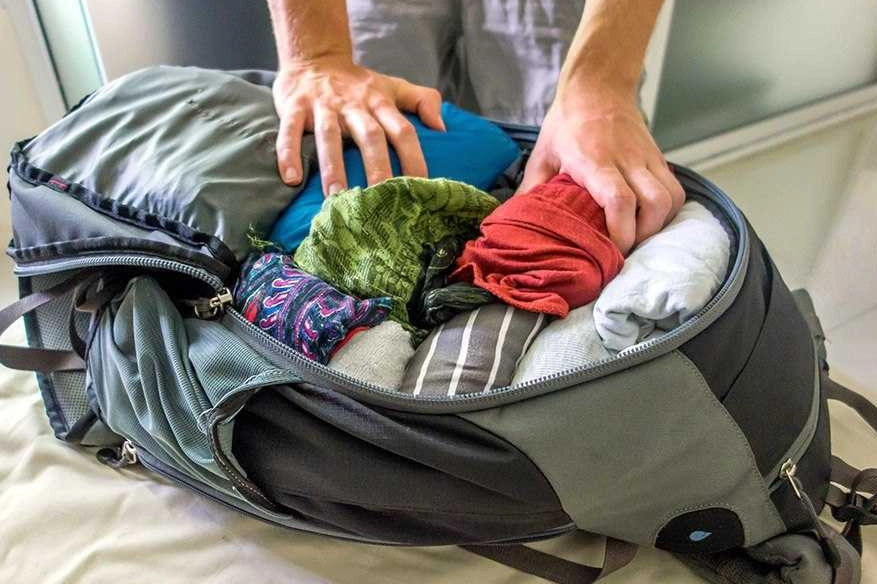
Mistake 2: Ignoring Your Pack's Architecture. Shoving the tent poles vertically on the outside might seem smart, but it creates a sail that catches wind and throws you off balance. Solution: Tent poles and stakes usually fit perfectly inside, along the frame or in a side compression strap sleeve designed for them. It's more aerodynamic and secure.
Mistake 3: Poor Food Management. Keeping your day's snacks buried at the bottom. Solution: Use a gallon-sized ziplock as your "day food bag." Each morning, pull out what you'll eat while hiking and put it in an accessible top pocket or hip belt pouch. No more stopping to dig.
Mistake 4: Over-Compressing Everything. Cranking down all the compression straps to make the pack look skinny. This often just creates a dense, inflexible brick. Solution: Compress mainly from the sides to stabilize the load, but allow some natural give. Your pack should mold to your back, not fight against it.