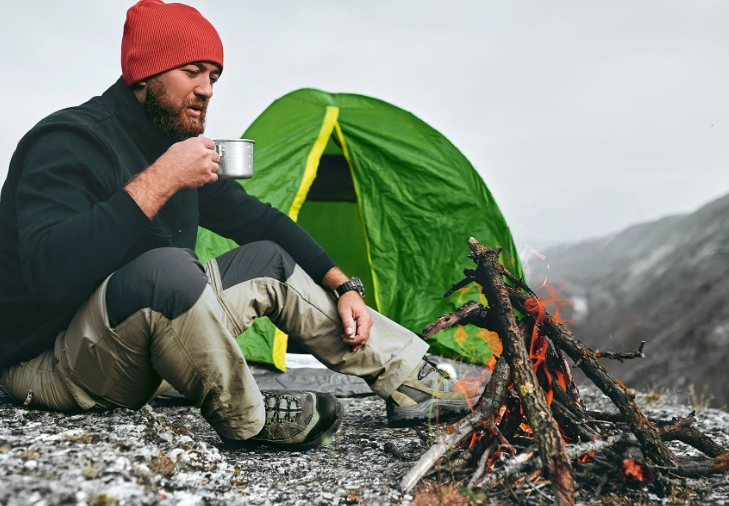
Hunting camping isn't just camping where you happen to hunt. It's a deliberate fusion of two demanding skillsets, where your camp is your forward operating base deep in the backcountry. Get it right, and you have warmth, dry gear, and a morale boost after a long day. Get it wrong, and you're cold, wet, and your hunt is over before it starts. I've spent over a decade figuring this out the hard way, from soggy sleeping bags in the Rockies to perfectly executed elk camps in the Cascades. This guide cuts through the fluff and gives you the actionable details you need.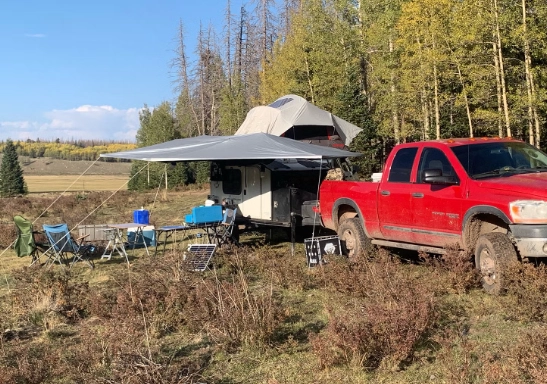
Your Quick Trail Map
The Non-Negotiable Hunting Camping Gear List
Forget the generic "10 essentials." For a hunting camp, your gear list needs a tactical shift. Durability and redundancy trump ultralight whimsy. A broken strap on a fancy pack is an inconvenience on a weekend hike; it's a crisis 10 miles from the truck with an elk quarter to haul.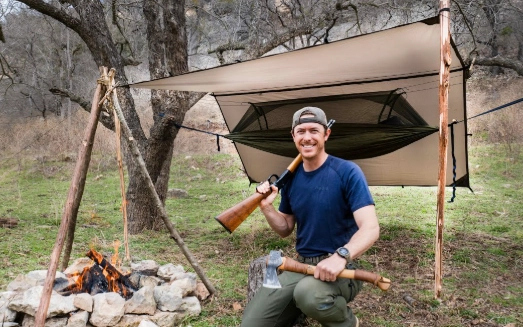
Shelter & Sleep System: Your Base of Operations
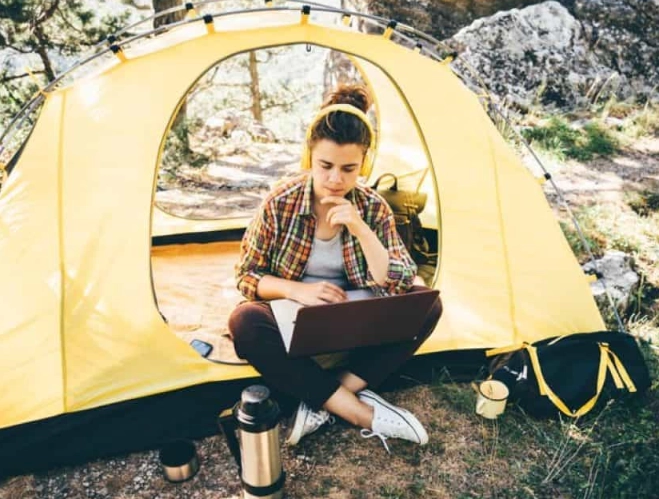
Your tent is your fortress. In hunting season, the weather can turn on a dime. A 3-season backpacking tent might be fine for September archery, but if you're after late-season mule deer, you need a 4-season or a burly 3+ season model. Look for strong pole structures (DAC is a reliable brand) and a rainfly that goes nearly to the ground. Vestibule space is gold for storing muddy boots and wet packs.
Sleep is recovery. A sleeping bag rated 10°F lower than the coldest expected temperature is my rule. Pair it with a high R-value sleeping pad (I won't go below an R-value of 5 for autumn). That closed-cell foam pad everyone says to bring as a backup? Actually bring it. It's a sit pad, a extra layer under your inflatable, and emergency insulation.
The Kitchen & Food: Fuel for the Grind
Calories are king. You're burning 4,000-6,000 a day. Dehydrated meals are fine, but supplement with dense, no-cook foods: hard cheeses, salami, nuts, nut butters, tortillas. A reliable stove is non-negotiable. The MSR WhisperLite Universal is my workhorse—it runs on white gas (reliable in cold) or canister fuel. Always pack a repair kit for it.
Water: A filter (like a Katadyn or Sawyer Squeeze) plus chemical treatment tablets as a backup. Don't rely on one method. Two is one, one is none.
Clothing & The Layering Truth
Cotton kills. It's a cliche because it's true. Your base and mid-layers must be synthetic or wool. The real secret is in the quantity of mid-layers. One thick fleece isn't as versatile as a light grid-fleece plus a medium-weight puffy. This lets you fine-tune your temperature throughout the day's variable effort.
Your rain gear isn't just for rain. It's your wind shell, your extra insulation layer, and your barrier against blood and dirt during game processing. Don't buy the flimsy stuff.
| Tent Type | Best For | Watch Out For |
|---|---|---|
| Ultralight 3-Season | Early season, fair weather, weight-critical packs | Can collapse in heavy snow or high wind; less durable fabric. |
| Expedition 4-Season | Late season, alpine, unpredictable severe weather | Heavy, expensive, can be stuffy in mild weather. |
| Stout 3+ Season | Most hunting camping scenarios (my usual pick) | Balance of weight, strength, and weather resistance. |
How to Choose the Perfect Hunting Camp Location
This is where hunting and camping knowledge collide. A beautiful lakeside spot might be terrible for hunting. You need to think like a hunter first, a camper second.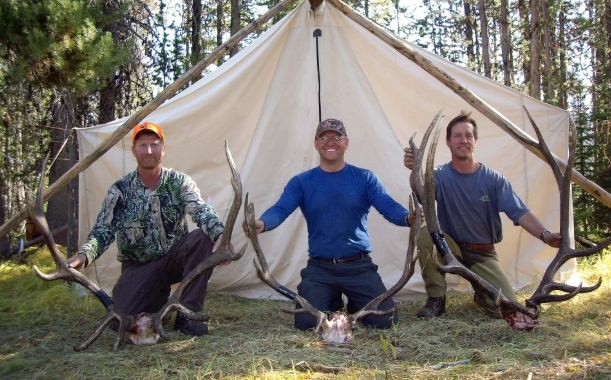
Water Access vs. Hunting Pressure: You need water, but so does every other animal and hunter. Camp at least 200 yards from a primary water source. This reduces your impact and doesn't spook game coming to drink. Find a small, secondary seep or spring near your chosen site instead.
Wind is Your Compass: Your camp should be downwind of where you expect to hunt. Morning and evening thermals in mountains typically flow downhill at night (drainage) and uphill during the day. Study a topo map. Place your camp so the prevailing wind and these thermals blow from the hunting area away from camp, not into it.
Terrain for Stealth and Safety: A flat bench halfway up a slope is often ideal—protected from wind, not in a cold valley bottom, and offers good visibility for approach routes. Avoid ridge tops (exposed) and dense valley floors (cold air sinks).
I once made the classic error of setting up in a gorgeous meadow by a creek. It was the only flat spot for miles. It was also the main deer highway. I didn't see a single animal for three days until I moved camp to a less convenient but more concealed spot 500 yards away. The hunt turned around immediately.
Critical Safety and Legal Protocols You Can't Ignore
This isn't a suggestion box. These are the rules that keep you alive and legal.
Fire, Food, and Bears (Oh My)
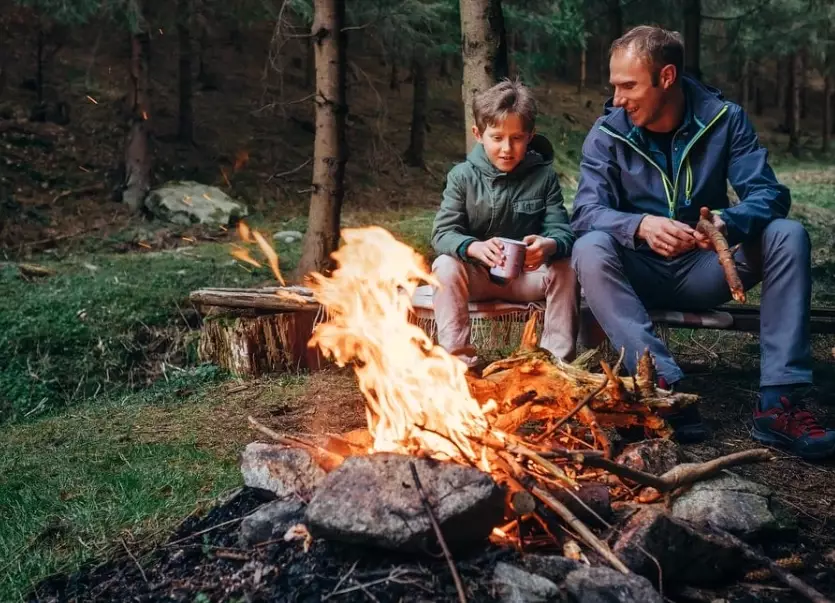
Campfires are a privilege, not a right. In many western hunting zones during the season, fire bans are active. Always check the specific regulations for the National Forest or BLM district you're in. A portable stove is your guaranteed cooking source. If fires are allowed, use established rings, keep it small, and drown it dead out.
Bear safety is paramount. In grizzly country, a bear-resistant food canister (BRFC) is often mandatory. Everywhere else, a proper bear hang is essential. The goal is to suspend your food bag (and all smellables: toothpaste, trash, deodorant) at least 10 feet high and 4 feet out from any tree trunk. Do this 100 yards downwind from your tent. Never, ever have food or smellables in your tent. Not even a single candy wrapper.
Navigation and Communication
A GPS/Gaia GPS on your phone is great. A dedicated GPS unit (like a Garmin inReach) with satellite communication is better. A physical map and compass in a waterproof case, and the skill to use them, is mandatory. Tell someone your detailed plan—trailhead, intended camp area, expected return—and stick to it.
Know the hunting regulations for your unit backward and forward. Tagging procedures, transport rules, sex identification requirements. An encounter with a game warden should be a friendly check, not a violation.
Putting It All Together: A Real-World Scenario
Let's walk through a 5-day elk hunt in Colorado's backcountry, Unit 76. This is how the principles apply.
Pre-Trip: I check Colorado Parks and Wildlife for my tag and regulations. I call the San Juan National Forest ranger district for current fire restrictions and bear activity. Fire ban is active. I plot a potential camp area on OnX Hunt, looking for a flat bench at 10,500' elevation, just below a saddle I want to hunt, with a blue line (small stream) nearby but not adjacent.
Day 1 - Hike In: Pack weight is heavy—around 65 lbs. The tent is a Hilleberg Soulo (4-season), bag is a Western Mountaineering Kodiak 0°F, pad is a Therm-a-Rest NeoAir XTherm (R-6.9). Stove is the WhisperLite. Food is calculated at 1.8 lbs per day. I find the bench. It's not picture-perfect, but the wind is funneling through the saddle above me, down the ridge, and past my camp. Perfect. I set up, hang the bear bag, and filter water from the stream 300 yards away.
Day 2 - The Storm: Weather rolls in. Snow and wind. The tent doesn't flinch. I'm dry. I spend the day glassing from a sheltered spot near camp, reading, and maintaining gear. Because I planned for this, it's not a disaster, just part of the hunt.
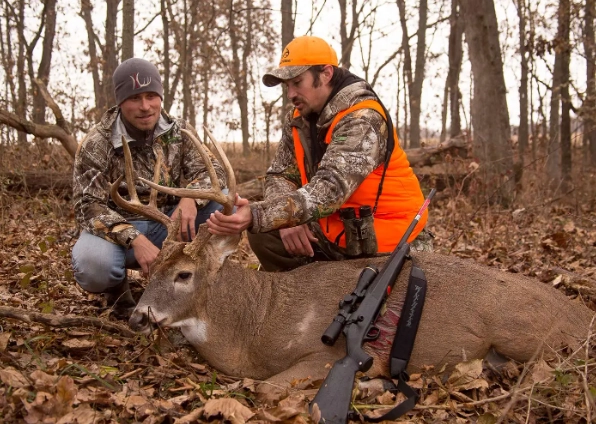
Day 4 - Success: I harvest a cow elk two miles from camp. The real work begins. I have the game bags, the spare paracord, the sharp knives. I quarter and pack the meat. It's a brutal, rewarding haul back to camp. The meat goes into game bags and is hung high in a cool, shaded spot. The next day, I break camp and pack the meat out. The camp site is left as if I was never there.
That's the rhythm. That's hunting camping.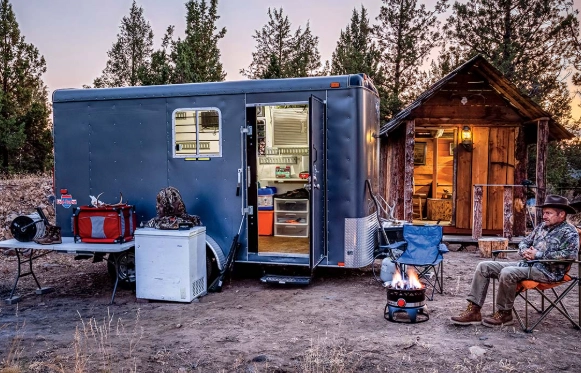
Answers to the Tough Questions
The difference between a miserable trip and a legendary one is in these details. It's not about buying the most expensive gear. It's about choosing the right gear, placing your camp with intention, and respecting the wilderness you're operating in. Now get out there, do your homework, and make your own stories. Just remember to pack the duct tape.