I remember my first multi-day backpacking trip in the Sierra Nevada. I packed a fancy tent, a lightweight sleeping bag, and enough dehydrated meals to feed a small army. What I didn't pack was a reliable plan for water. I figured I'd just find a stream. Two hours into a dry, exposed ridge with my last sip gone, the panic set in. That moment taught me more about camping water sourcing than any guidebook ever could: it's not an afterthought; it's the single most critical piece of trip planning.
Finding and making water safe to drink in the wild isn't just about quenching thirst. It's about safety, energy, and the difference between a miserable slog and an enjoyable adventure. This guide cuts through the common advice and gets into the gritty details of how to reliably source water, the mistakes most beginners make (and even some experienced campers), and how to choose the right purification method for your specific trip.
What You'll Learn in This Guide
How to Find Water Sources in the Wilderness
Before you even leave home, your water sourcing mission begins. Relying on luck is a surefire way to end up dehydrated.
Pre-Trip Recon: Your Digital Scouting Mission
Don't just look at the trail map. Dive deeper. I always cross-reference three things:
Topographic Maps are your best friend. Blue squiggly lines (streams) and blue areas (lakes) are obvious. But look for the subtle clues: tight "V" shapes in contour lines pointing upstream indicate valleys where water likely flows, even if it's intermittent. Green shaded areas often suggest thicker vegetation, which hints at more moisture.
Trail Reports and Forums like those on AllTrails or specific park websites. Search for recent comments. A post from two weeks ago saying "Creek at mile 5 is flowing strong" is gold. Another saying "All streams on the east side are dry" is a red flag that changes your entire plan.
Land Management Agency Sites (like the U.S. National Park Service or USDA Forest Service) often have seasonal water source updates, especially for arid regions. I once called a ranger station for a desert hike, and they told me exactly which cattle tank had been recently maintained and was reliable. That call saved the trip.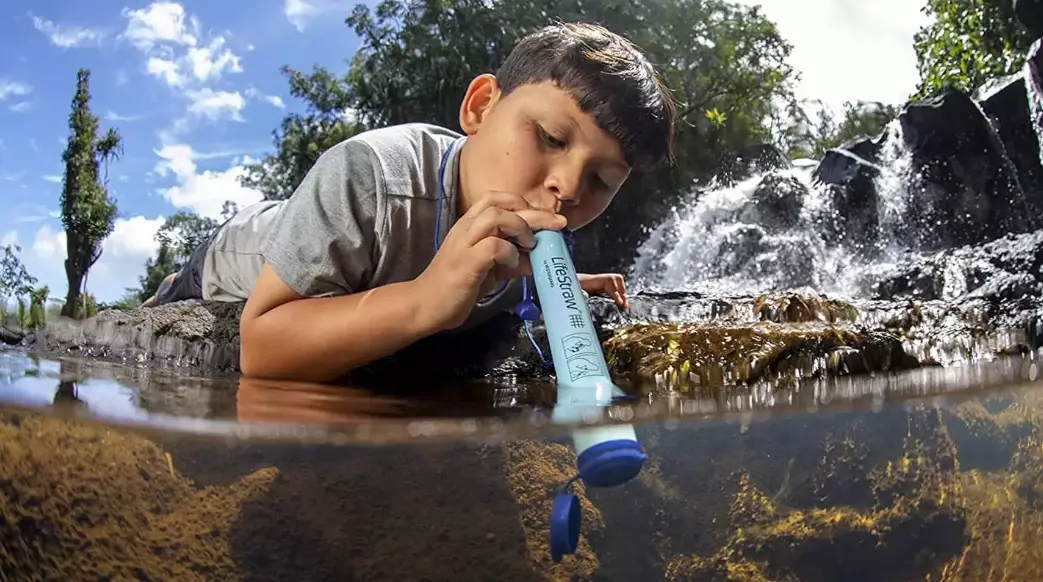
On the Trail: Reading the Land for Water Clues
Your eyes and ears are your primary tools once you're out there.
Follow the Green. Lush, green vegetation—especially willows, cottonwoods, or sedges—often signals water nearby, even if you can't see it. In a dry canyon, the green line of trees is a map to the hidden stream.
Listen and SmellThe sound of running water can carry farther than you think, especially in quiet valleys. A faint, damp, earthy smell can also lead you to a seep or spring.
Animal Trails frequently lead to water. Look for well-worn paths converging in a particular direction. Birds, especially at dawn and dusk, often fly directly to and from water sources.
Morning Dew is a forgotten resource. In grassy meadows, you can soak it up with a clean bandana or shirt and wring it into a bottle. It's labor-intensive but can provide a crucial emergency sip.
How to Assess and Purify Wild Water
You've found water. Great. Now, the critical question: is it safe? Here's the unpopular truth: clear, cold, fast-moving water is not safe to drink. Giardia and Cryptosporidium parasites don't care how picturesque their home is. They're invisible.
Your assessment decides your purification strategy.
Ideal Sources (Lower Risk): Cold, fast-moving streams above human/animal activity. Springs where water emerges directly from the ground. Deep, large lake centers away from inflow/outflow.
High-Risk Sources (Require Extra Caution): Stagnant ponds, slow-moving water near campsites or trails, water downstream of agricultural land or grazing areas, and any source with visible animal scat nearby. In these cases, pre-filtering through a cloth or bandana to remove sediment and large debris is non-negotiable before purification.
Water Purification Methods: A Practical Showdown
There's no single "best" method. The right choice depends on your trip type, group size, and water conditions. I've field-tested them all, and here’s the real-world breakdown.
| Method | How It Works | Best For | Major Drawback | My Personal Take |
|---|---|---|---|---|
| Pump Filters (e.g., Katadyn, MSR) | Manual pump forces water through a microfilter. | Small groups, shared water duty, getting water from shallow sources. | Slow for large volumes, can freeze/fail, requires maintenance. | Reliable workhorse, but I hate pumping for 10 minutes to fill everyone's bottles after a long day. |
| Gravity Filters (e.g., Platypus, Sawyer) | Gravity pulls water from a dirty bag through a filter into a clean bag. | Base camps, groups of 3+, lazy afternoons at camp. | Setup time, needs a place to hang bags. | My go-to for group trips. Set it and forget it while you cook dinner. |
| Squeeze Filters / Straws (e.g., Sawyer Squeeze, LifeStraw) | You squeeze a bag or suck directly through a filter. | Solo hikers, ultralight travel, emergency kits. | Limited volume per squeeze, can be tedious. | Perfect for my solo fastpacking trips. Simple, light, and I drink directly from the source. |
| Chemical Treatment (Chlorine Dioxide tablets/drops) | Chemicals like chlorine dioxide kill pathogens over time. | Ultralight backpacking, cold weather where filters freeze, as a backup. | Wait time (30 mins to 4 hrs), doesn't remove sediment or improve taste. | Always in my pack as a backup. It saved me when my filter froze on a winter trip. |
| UV Light Purifiers (e.g., SteriPEN) | UV-C light scrambles the DNA of microorganisms. | Clear water from lakes/streams, travelers, tech lovers. | Useless in cloudy water, requires batteries, can break. | Fast and cool, but I don't trust it as my only method. If the water isn't crystal clear, it's a paperweight. |
| Boiling | Rolling boil for 1 minute (3 mins at high altitude). | Surefire safety, survival situations, when all else fails. | Fuel-intensive, time-consuming, you have to let it cool. | The 100% guaranteed method. I use it at base camp where fuel is plentiful and I'm making dinner anyway. |
My standard kit for a 3-season backpacking trip? A gravity filter for camp and a small squeeze filter for drinking on the trail, with a few chlorine dioxide tablets buried in my first-aid kit as an emergency backup. This covers speed, volume, and redundancy.
How to Carry and Plan Your Water Supply
You need a plan for the dry stretches. The old "drink a liter per hour" rule is useless. Your needs depend on heat, humidity, exertion, and your own body.
A better approach: Drink to thirst, but plan for surplus. On a moderate day, I aim to carry 0.5 to 1 liter of water for every two hours I expect to be between known sources. In a hot desert, that jumps to 1 liter per hour.
Containers Matter. I use a combination: a durable, wide-mouth Nalgene for camp (easy to fill, clean, and pour from), and two flexible 1-liter soft flasks (like from Platypus or Hydrapak) for my pack's side pockets. The soft flasks collapse as I drink, saving space. I avoid bladders with tubes for backpacking—they're a pain to refill on the go and the tubes get gross.
The Dry Camp Scenario. Let's say your map shows a 10-mile, 6-hour ridge walk with no water. You'll need at least 3 liters to get through it comfortably. Your plan must include carrying that weight from the last source. This is where knowing your own consumption from previous trips is key. Weigh the water (1 liter = 2.2 lbs / 1 kg) against the risk.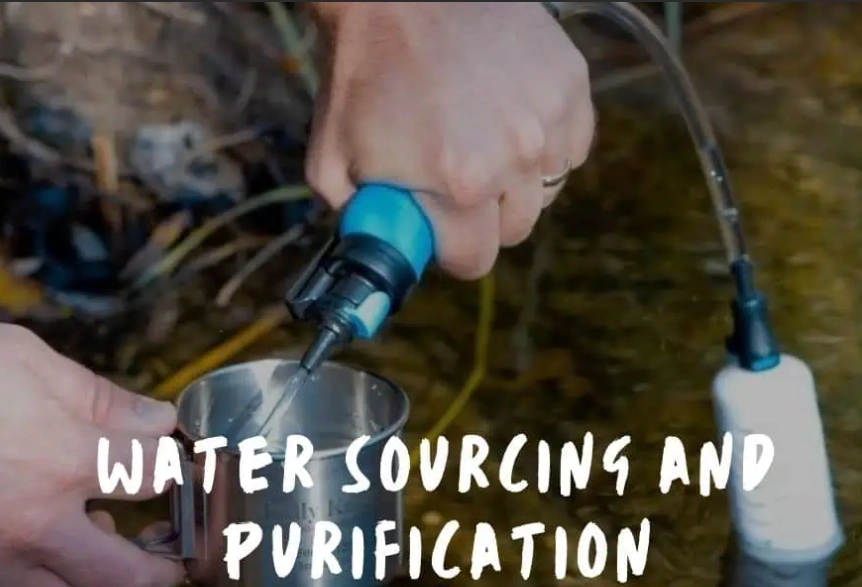
Expert Answers to Your Tricky Water Questions
 What's the one piece of water gear most people forget but is incredibly useful?