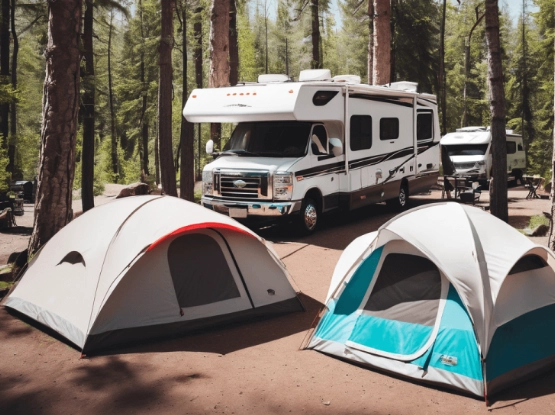
Let's be honest. The idea of camping can sometimes feel like a lot of work. Packing the gear, figuring out food, dealing with bugs... it's easier to just stay home, right? I used to think that way too. But after years of doing it, both reluctantly and enthusiastically, I've come to see it not as a chore, but as a necessary reset button for modern life.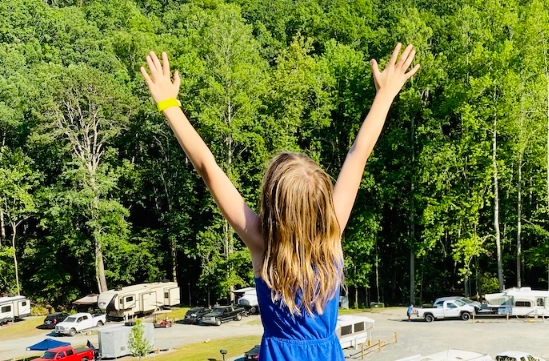
We're all glued to screens, stuck in routines, and buzzing with a low-level anxiety that's just part of the background noise now. Camping cuts that cord. It's not just a vacation; it's an intervention. And the benefits of camping go way beyond just getting some fresh air. They seep into your physical health, your mental state, your relationships, and even how you see the world.
This isn't about becoming a hardcore survivalist. It's about understanding why something as simple as sleeping in a tent can be so profoundly good for you. So, whether you're a seasoned backpacker or someone who thinks 'glamping' is the only way, let's break down the real, tangible perks. Here are the 10 benefits of camping that might just convince you to book that campsite.
Your Camping Guide
The Core 10 Benefits of Camping, Broken Down
I'm not just going to list them. Anyone can do that. Let's dig into each one, talk about the 'why' and the 'how,' and maybe share a story or two about why they actually matter.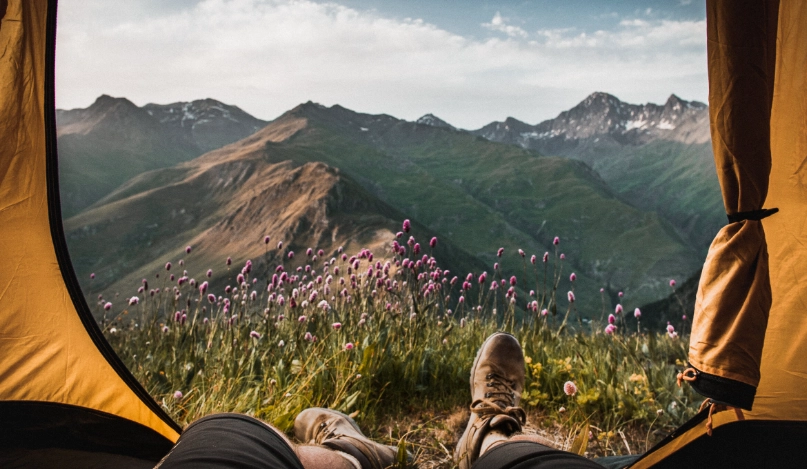
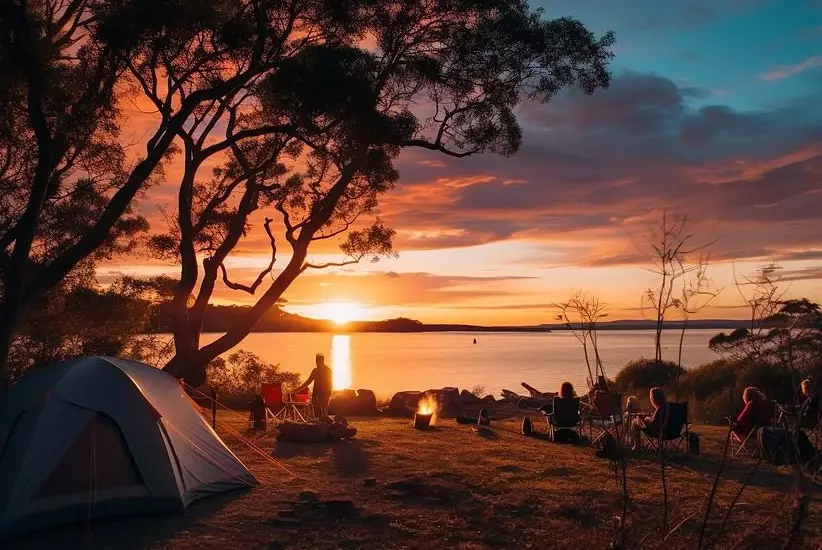
This is the big one, the most immediate benefit of camping. You feel it within hours. The constant ping of notifications stops. The mental to-do list fades. You're left with the sound of wind in the trees and maybe a crackling fire.
It's not just a feeling. There's science here. A study often cited by the U.S. Forest Service points to the physiological changes that occur when we're in nature. Our cortisol levels (that's the stress hormone) drop. Our nervous system shifts from 'fight-or-flight' to 'rest-and-digest.' The combination of fresh air, natural light, and the absence of digital demands acts like a system reboot for your brain.
I remember one particular trip after a brutally stressful month at work. I was so wound up I could barely enjoy the drive up. But by the second evening, sitting by the lake, I realized I hadn't thought about my inbox for hours. That tightness in my shoulders was gone. The silence wasn't empty; it was full of peace. That's a benefit of camping no spa day can truly replicate.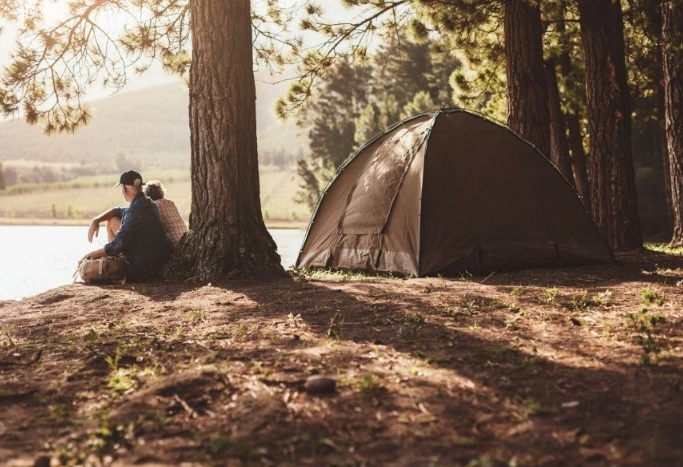
Resetting Your Internal Clock
We mess with our natural sleep cycles all the time. Blue light from screens, late nights, artificial schedules. Camping forces you back into sync with the sun's rhythm. You wake with the light and get tired when it gets dark. It's simple, and it's how our bodies are designed to work.
Researchers have looked into this. Exposure to natural daylight during the day and darkness at night helps regulate melatonin production, the hormone that controls sleep. After a few days of camping, people often report falling asleep easier and waking up feeling more refreshed, even if they're on a thin sleeping pad. It's one of the most underrated health benefits of camping.
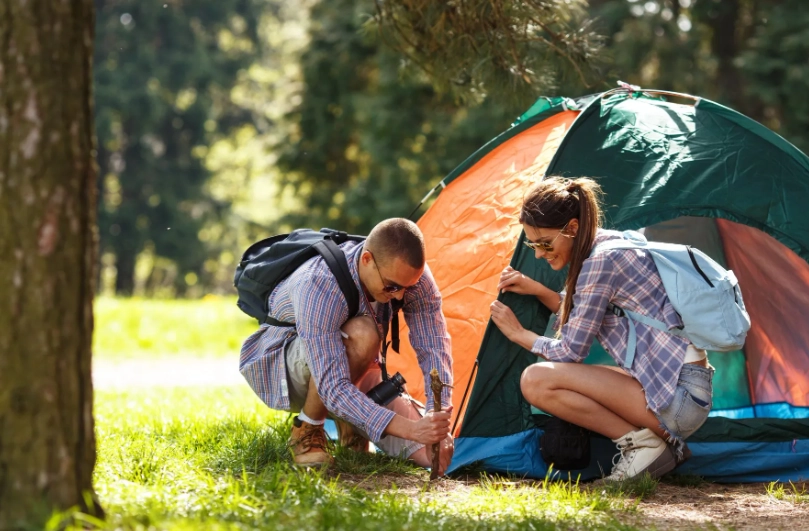
At home, everyone can retreat to their own corner—their room, their device. Camping removes those escape routes. You're in it together, setting up the tent, cooking over a camp stove, playing cards by lantern light.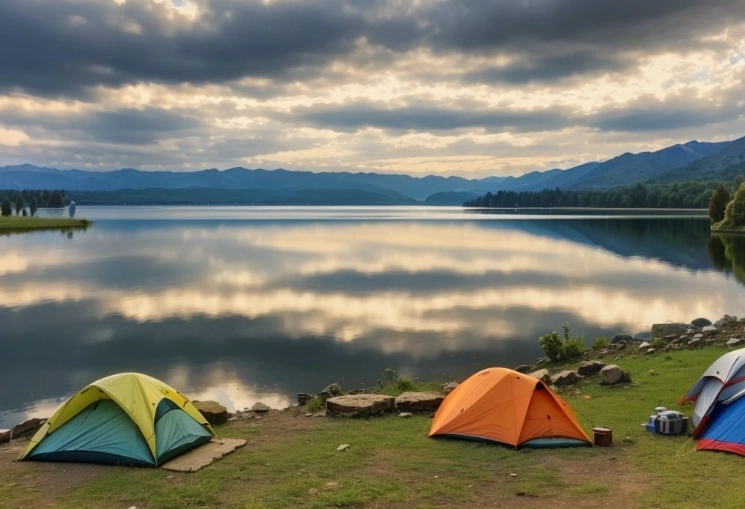
This shared, low-tech experience fosters real conversation and teamwork. There are no distractions competing for attention. You're not just in the same house; you're engaged in a shared adventure. The stories you create—the time it rained and you all huddled in the tent laughing, or the hike where you got slightly lost—become part of your family's lore. It's quality time, amplified.
This is a huge user pain point. We all know we're addicted to our phones, but breaking the habit feels impossible at home. Camping provides the perfect excuse. Spotty service or no service at all? Perfect.
This forced disconnection is a gift. It breaks the cycle of constant checking and scrolling. You start to notice things—the patterns of clouds, the different bird calls. Your attention span, which has been shredded into tiny pieces by social media, actually starts to heal. You can read a book for an hour without picking up your phone. You have uninterrupted thoughts.
Coming back online after a few days feels like a choice, not a compulsion. That sense of control over your technology, rather than being controlled by it, is a powerful and lasting benefit of a camping trip.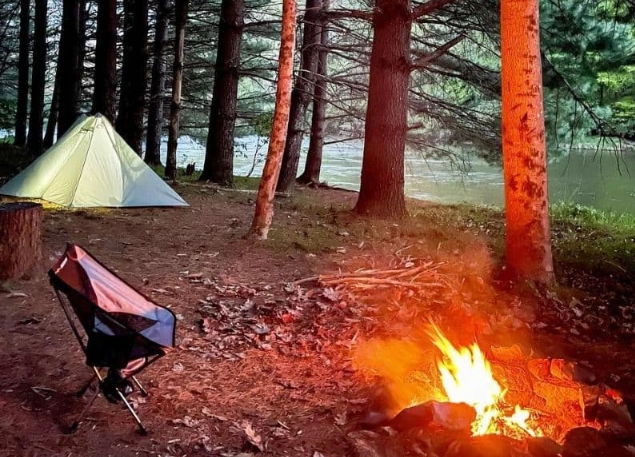
Camping is physical, even if you're not climbing mountains. Hauling gear, gathering wood, hiking to the water source—it's functional movement. It's not like going to the gym; it's exercise woven into the fabric of your day.
The air is cleaner (away from city pollution). The sunlight gives you a dose of Vitamin D, crucial for immune function and mood. The physical activity, combined with the fresh air, can improve cardiovascular health. The American Heart Association highlights the benefits of regular physical activity in nature for heart health. You're not just sitting still; your whole body is engaged in living.
This goes hand-in-hand with stress reduction but is distinct. Camping creates space for mental decluttering. Without the usual noise, your mind has room to wander, to process, and to just... be. It's a form of mindfulness that happens naturally.
Many people find that solutions to problems they've been stewing over suddenly appear when they're out on a trail. Creativity gets a boost. That sense of being overwhelmed by life's minutiae shrinks when you're faced with the vastness of a starry sky. Perspective is a powerful thing, and camping delivers it in spades.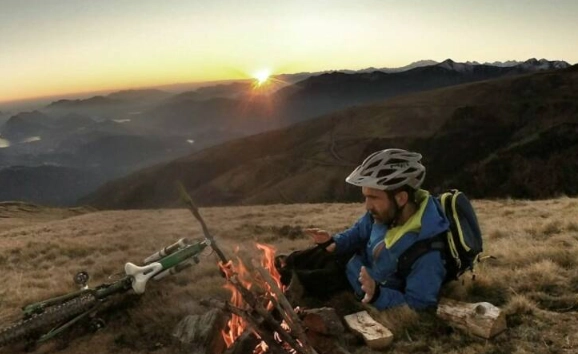
Modern life is about convenience. Camping is about resourcefulness. You gain a newfound appreciation for simple things: a warm meal you cooked yourself, a dry pair of socks, a comfortable chair (even if it's just a log).
This appreciation often translates into a more minimalist and eco-conscious mindset back home. You become more aware of waste (packing out all your trash will do that) and more grateful for everyday comforts. It's a humbling and grounding experience that connects you to a simpler way of living, even if just temporarily.
In our specialized world, how many of us know how to build a fire, read a basic map, or pitch a shelter? Camping is a low-stakes classroom for these fundamental skills. Learning to tie a proper knot, use a camping stove safely, or predict weather by reading the clouds feels empowering.
It's competence that builds confidence. It's also a great way to teach kids self-reliance and problem-solving. These aren't just camping skills; they're life skills that foster independence and preparedness.
Compared to flights, hotels, and expensive tourist attractions, camping is a budget-friendly way to have a real adventure. Once you have the basic gear (which can be borrowed or bought used to start), the biggest cost is often the campsite fee, which is a fraction of a hotel room.
You cook your own food. Your entertainment is the landscape itself. This financial accessibility is a major benefit of camping, opening up travel and relaxation to people who might not be able to afford a traditional resort vacation.
The Campground Vibe
There's a unique, low-key camaraderie at most campgrounds. People are generally friendly and helpful. You might borrow some lighter fluid from a neighbor or get tips on the best fishing spot. It's a reminder of simple, positive social interaction.
At the same time, you're responsible for your own little temporary home. You solve your own problems, from a wobbly table to a sudden rain shower. This balance of community spirit and personal responsibility is a healthy, rewarding dynamic that's hard to find elsewhere.
Putting It Into Perspective: A Quick Comparison
Sometimes it helps to see things side-by-side. Let's look at how a typical camping weekend stacks up against a typical 'relaxing' weekend at home in terms of key wellness factors.
| Wellness Factor | Typical Weekend at Home | Weekend Camping Trip |
|---|---|---|
| Screen Time | High (6+ hours/day) | Low to None (0-1 hour/day) |
| Physical Activity | Low (mostly sedentary) | Moderate to High (hiking, setup, chores) |
| Social Interaction Quality | Often distracted/by screens | Focused, shared activity-based |
| Sleep Environment | Artificial light, temperature control | Natural light/dark cycles, cooler air |
| Mental Stimulation | Passive (streaming, scrolling) | Active (observing, exploring, problem-solving) |
| Cost | Variable (eating out, entertainment) | Low (campsite fee, own groceries) |
This table isn't to say one is 'better' than the other, but it clearly shows the different 'nutrients' each experience provides. Camping delivers a dense dose of things modern life often lacks.
Your Camping Questions, Answered
Okay, so the 10 benefits of camping sound great. But you probably have some practical questions and concerns. Let's tackle some of the most common ones I hear.
Wrapping It Up: It's More Than Just a Trip
Look, camping isn't always picture-perfect. I've been caught in downpours, had raccoons raid my cooler, and spent nights shivering in a bag that wasn't warm enough. But even those experiences become stories. They build resilience. And they make the perfect moments—the sunrise over a misty lake, the shared laughter over a campfire meal, the profound quiet—feel earned and deeply satisfying.
The 10 benefits of camping we've talked about aren't just items on a list. They're interconnected parts of a holistic experience that counteracts the pressures of our hyper-connected, indoor-centric lives. It's a chance to physically move, mentally unwind, socially connect in a real way, and remember that we're part of a much bigger, slower, and more beautiful world.
So, what are you waiting for?
Find a local campground, dig that tent out of the garage (or borrow one), and give it a shot. Start with one night. You might just find that the best benefit of camping is the person you are when you come home: a little calmer, a little happier, and a little more connected to what actually matters.