Quick Guide
Let's be honest. The idea of tent camping with dogs sounds perfect, doesn't it? Your best friend, the crackle of a fire, stars overhead. But then the worries creep in. What if he barks all night? What if she runs off after a squirrel? Is my tent going to become a muddy, hairy disaster zone?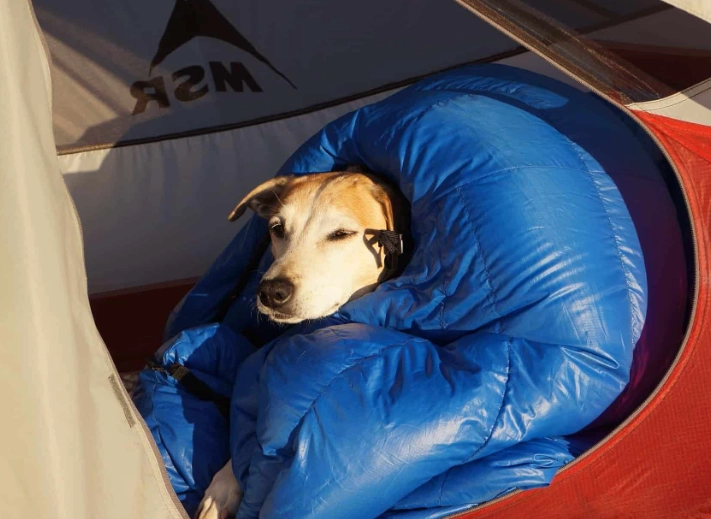
I've been there. My first time tent camping with my energetic Labrador, Luna, was... educational. Let's just say I learned more about forgotten poop bags and midnight whining than I did about constellations. But over many trips, I figured it out. Tent camping with dogs isn't just possible; it's one of the most rewarding ways to bond with your pet. This guide is everything I wish I'd known, served up without the fluff.
Why Bother? The Good, The Bad, and The Hairy
Before we dive into gear lists, let's talk about why you'd want to go tent camping with dogs in the first place. It's not for everyone, and that's okay.
The good stuff is incredible. The shared adventure strengthens your bond in a way city walks never could. Watching your dog sniff a million new smells, drink from a stream, and finally curl up, utterly content by the fire? That's the magic. It's pure, unfiltered joy for them (and for you). It's also fantastic exercise and mental stimulation. A tired dog is a good dog, and a weekend of tent camping with your dog is the ultimate tired-maker.
But you have to be realistic about the challenges. It's more work. You're responsible for their safety 24/7 in an unpredictable environment. You can't just pop into a store if you forget their food. There's dirt, there's mud, there's fur in your sleeping bag. And you have to be hyper-aware of other campers, wildlife, and campsite rules. If you're looking for a lazy, carefree weekend, maybe start with a cabin.
The Pre-Trip Grind: Getting You and Your Pup Ready
Failing to plan is planning for a stressful, possibly awful trip. This phase is everything.
Is Your Dog a Camper? A Brutally Honest Assessment
Not all dogs are cut out for tent camping with dogs. An anxious, reactive, or poorly trained dog can make the trip miserable for everyone. Ask yourself:
- Temperament: Is your dog generally calm and adaptable, or easily spooked by new sights/sounds?
- Training: Does they have a reliable recall? Can they settle on a mat or in a tent? Do they bark excessively?
- Health & Age: Is your dog physically fit enough for hiking? Puppies, very old dogs, or those with health issues might struggle.
- Social Skills: How do they react to other dogs, people, and wildlife at a distance?
If you're unsure, do a backyard trial run. Pitch your tent in the yard, sleep in it with your dog. See how it goes. It's a cheap way to uncover issues.
The Non-Negotiable Gear Checklist
Forgetting a human item is an inconvenience. Forgetting a dog item can be a crisis. Here’s your master list, broken down by category.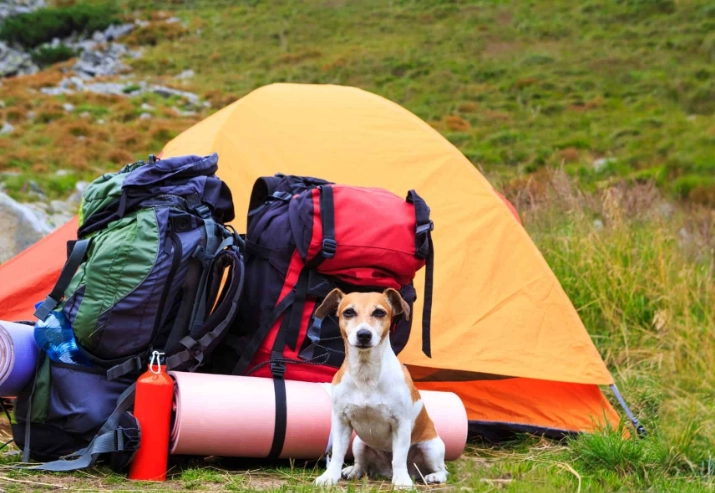
| Category | Essential Items | Pro-Tip / Why It's Crucial |
|---|---|---|
| Shelter & Sleep | ||
| Tent & Bedding | Your tent (ensure it's big enough), dog sleeping pad, blanket/sleeping bag, old towel for paws. | A pad insulates them from the cold ground. That old towel is a lifesaver for wiping down muddy paws before they enter the tent. Trust me. |
| Confinement | Stake-out tie-out (long cable), portable crate or exercise pen. | You need a way to safely secure your dog at camp so they can relax but not wander. Never leave them tethered unattended. |
| Safety & Health | ||
| Identification | Collar with up-to-date ID tags, microchip (ensure registered). | This is your #1 safety net if they get lost. Add a temporary tag with the campsite number/your site info. |
| First-Aid | Canine-specific first-aid kit. Include tweezers (ticks), vet wrap, antiseptic, Benadryl (ask your vet for dose). | Human kits lack key items. The American Kennel Club has a great checklist to build your own. |
| Parasite Control | Current flea/tick/heartworm prevention. | The woods are parasite central. Don't skip this. Check for ticks on your dog (and yourself) twice daily. |
| Food & Water | ||
| Hydration | Collapsible bowls, plenty of fresh water, portable water filter if sourcing from lakes. | Never let your dog drink from stagnant water. Giardia is a real, messy threat. Pack all their water or bring a filter. |
| Nutrition | Pre-portioned food in sealed containers, high-value treats, a can of wet food (entices eating if stressed). | Pack extra food. Camping burns more calories. A bear-proof canister or bag is a must in bear country for dog food too. |
| Other Must-Haves | ||
| Leashes | 6-foot leash, longer lead (15-30 ft) for campsite use. | Most parks require a 6ft max leash on trails. The long lead gives them campsite freedom safely. |
| Clean-Up | Excess poop bags, small trowel for digging catholes in backcountry. | Pack it in, pack it out. Always. No one wants to find your dog's mess. |
| Comfort | Favorite toy, brush, doggy booties (for rough terrain/hot sand). | Booties seem silly until you're dealing with cut paw pads miles from the car. |
Finding the Right Spot: Not All Campsites Are Dog-Friendly
This is where research pays off. "Pet-friendly" often just means dogs are allowed, not that they're welcomed. You need to dig deeper.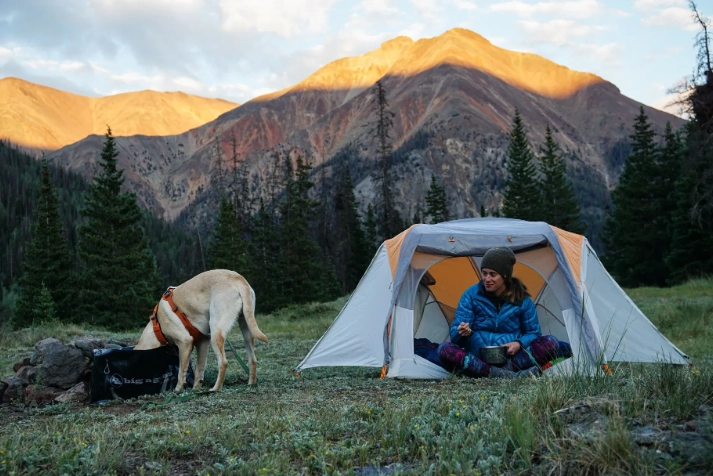
Always, always check the specific rules of the campground or public land. National Parks in the U.S. are notoriously restrictive—dogs are often banned from trails and must be leashed in developed areas only. National Forests and Bureau of Land Management (BLM) land are typically much more permissive, allowing leashed dogs on most trails. State parks vary wildly.
Look for phrases like "dogs allowed on trails" or "off-leash dog area." Read recent reviews on sites like BringFido or The Dyrt, specifically searching for "dog" comments. I once booked a "pet-friendly" site that was just a gravel parking lot next to a highway. Reviews from other dog owners saved me from that mistake on the next trip.
When you call to reserve, ask the direct questions: Are there breed/size restrictions? What are the leash laws? Are there any nearby hazards (steep cliffs, busy roads, aggressive wildlife)?
Camp Life: Making It Work When You're There
You've arrived. The work isn't over, but this is the fun part.
Setting Up a Dog-Friendly Home Base
Your campsite is your sanctuary. Set it up with your dog in mind immediately. The first thing I do is set up the tie-out cable on a sturdy tree or the picnic table leg, well away from the fire pit and trip hazards. Then I put down their bed and water bowl in that zone. This gives them a defined, safe "place" to be while I unpack and set up the tent. It prevents them from getting underfoot or darting off.
Inside the tent, layout is key.
Put their bed or pad in a corner. I keep a small LED collar light or clip-on light near the door—if they need to go out at 2 AM, I can easily see them. A small battery-powered fan can help with air circulation on hot nights. And seriously, keep the tent zipped at all times. No exceptions.
Managing the Big Three: Wildlife, Weather, and Other People
This is the core of responsible tent camping with dogs.
Weather: Dogs overheat fast. Hike in the cool mornings, provide constant shade and water at camp. For cold weather, that insulated sleeping pad is critical. Feel their ears and paws frequently.
Other Campers: Not everyone loves dogs. Be courteous. Keep your dog quiet and contained to your site. Always yield the trail to others, pulling your dog close to you. And for the love of the outdoors, clean up every single poop, immediately. Bag it and store it in your car's airtight container until you leave.
The Nighttime Routine (Getting Some Sleep)
Dogs can be restless in a new place. A long hike before dusk helps. Stick to their normal dinner time. Do a final long walk for potty right before bed.
In the tent, use familiar cues. I tell Luna "go to bed" and give her a treat on her pad, just like at home. Have a plan for if they need to pee at night. Keep shoes and a headlamp by the door. If they whine, take them out on leash, let them do their business with minimal fuss, and go back to bed. No playtime. You're reinforcing that nighttime is boring.
The Trip Home and Beyond
You've survived! The adventure isn't quite over.
Before you pack the car, do a thorough tick check. Run your hands over every inch of your dog, especially in armpits, ears, and between toes. Give them a good brushing to remove burrs and loose dirt. It makes the car ride cleaner.
When you get home, inspect their paws for cuts or cracks. A warm bath is a good idea to wash off any potential irritants (like poison ivy oil) and do one final tick sweep. Wash all their gear—bedding, towels, bowls—so it's ready for next time.
Observe them for a few days. Is they lethargic, limping, scratching excessively, or have loose stools? Sometimes issues like tick-borne illnesses or stomach bugs show up later. Know when to call the vet.
Your Tent Camping with Dogs Questions, Answered
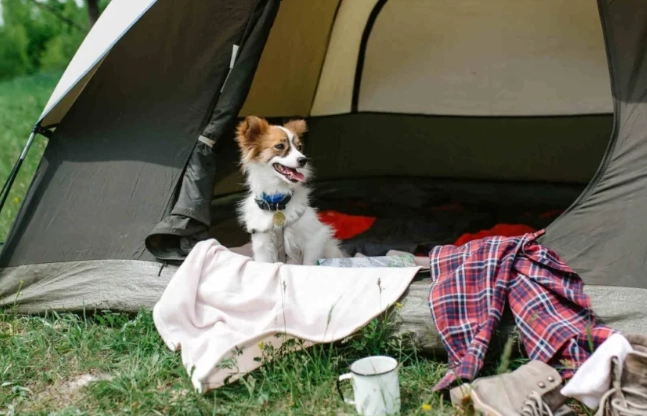
Look, tent camping with dogs adds a layer of complexity. There's more gear, more planning, more vigilance. Some trips will feel like work.
But then you'll be sitting by the fire, your dog's head heavy in your lap, both of you perfectly content in the quiet of the woods. You'll see them experience pure, simple joy on a trail. That connection, that shared adventure, is what makes every bit of preparation worth it. It turns you from just an owner into a true adventure partner. Start small, plan thoroughly, and go make those memories. The woods are waiting for you both.