Quick Guide
- Why California is a Van Camper's Paradise (And a Few Headaches)
- Step One: Finding Your Four-Wheeled Home
- Where to Park It: The California Van Camping Hierarchy
- Top Spots for Van Camping California: Beyond the Obvious
- Navigating the Rules: Don't Get a Ticket
- Budgeting for the Dream: A Realistic Cost Breakdown
- Gear You Actually Need vs. Instagram Gear
- Answering Your Big Questions (The FAQ Section)
- The Mindset: The Real Secret to Enjoying It
Let's be real. You've seen the pictures. A vintage VW bus parked on a cliff overlooking the Pacific, surfboards strapped to the roof. Or maybe a sleek Sprinter van tucked among giant redwoods, morning coffee steaming in hand. That's the dream, right? The siren call of van camping California style is powerful. It promises freedom, adventure, and a direct line to some of the most insane landscapes on the planet.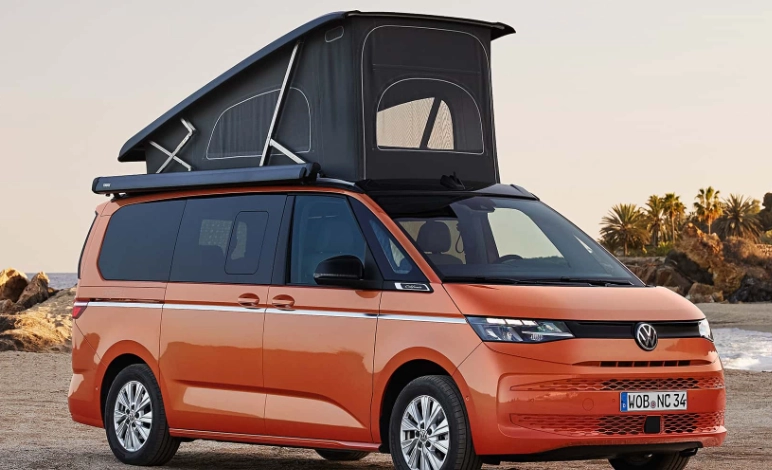
But between that Instagram daydream and actually hitting the road, there's a whole lot of... stuff. Questions. Logistics. A tiny bit of anxiety mixed with the excitement. What van do I even need? Where am I allowed to park it overnight? How do I not blow my entire budget in the first week?
I've been there. My first foray into van life in California was a mess of wrong turns, parking tickets, and nights spent in Walmart parking lots wondering what I was doing. It was also, without a doubt, the start of the best travel experiences of my life. This guide is everything I wish I'd known before I turned the key. We're going to strip away the hype and get into the gritty, glorious details of making your California van camping dream a practical, unforgettable reality.
Why California is a Van Camper's Paradise (And a Few Headaches)
It's not an accident that the van life movement feels so at home here. The geography is absurdly diverse. In a single day, you can theoretically surf, hike in a desert, and ski (season permitting). That variety is the biggest perk. You're never stuck with one type of scenery.
The infrastructure is also surprisingly supportive. There's a huge community, from weekend warriors in converted minivans to full-time digital nomads in $200k rigs. You'll find specialty mechanics, van build-out shops, and stores well-stocked with camping gear. The weather, for much of the state and year, is famously mild. You don't necessarily need extreme insulation or heating systems for three-season travel.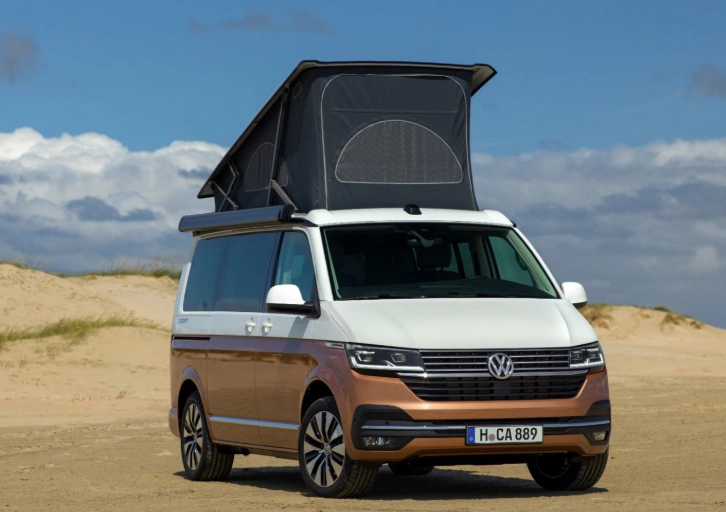
Now, the headaches.
It's popular. Really popular. That pristine, lonely beach spot you saw online? There might be three other vans there on a summer weekend. Coastal areas, especially, can feel crowded. And with popularity comes regulation. Cities like Los Angeles and San Francisco have cracked down on overnight street parking for larger vehicles. The cost of everything—from campground fees to a gallon of gas—is higher than in most other states. And let's not forget the traffic on the 1, the 101, the 5... you need patience.
The magic of van camping California isn't about finding complete solitude every night (though you can). It's about the ability to chase the perfect wave, the perfect hike, or the perfect taco, with your home on wheels following right behind.
Step One: Finding Your Four-Wheeled Home
This is the biggest decision, and it's deeply personal and budget-dependent. The "best" van doesn't exist; the right van for you does.
The Contenders: A Quick Breakdown
The Stealthy Minivan (Honda Odyssey, Toyota Sienna): Don't scoff. For solo travelers or couples, a minivan is a secret weapon. Incredible gas mileage, fits in any parking spot, and is the ultimate in stealth camping. You can sleep in a Walmart or a neighborhood street without a second glance. The downside? Very cramped. You live out of bins, and there's no standing room. It's a bed on wheels, not a tiny home.
The Classic Full-Size (Ford Econoline, Chevy Express): The workhorse. These are cheaper to buy (used) and fix. The van-shaped space is easier to build out for beginners. You get more room than a minivan but the fuel economy suffers. They drive like... well, a van. Not exactly nimble on mountain roads.
The High-Top Cargo (Ram ProMaster, Ford Transit, Mercedes Sprinter): The kings of the modern van life movement. The standing room is a game-changer for quality of life on the road. They are spacious, efficient for their size, and have a huge aftermarket support. The downside? The initial cost is high, even used. They are also big—driving in cities or on narrow forest roads can be stressful.
My first rig was a beat-up Ford Econoline. I loved its simplicity, but after a month of crouching, I understood why people pay for the high-top. It's a luxury that starts to feel like a necessity.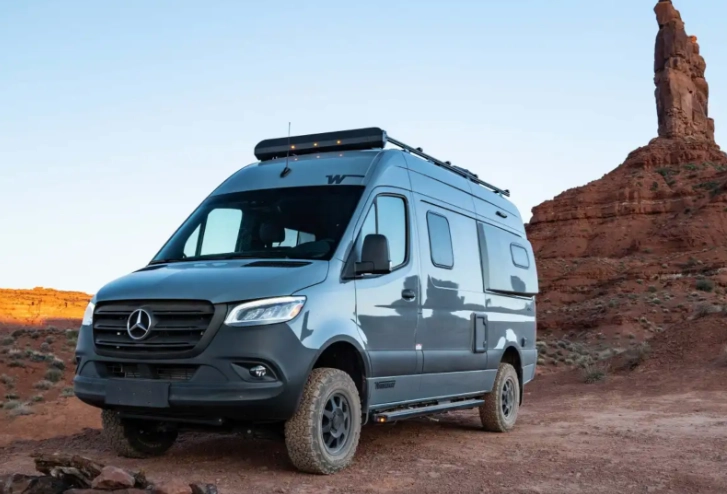
Van Selection Tip: Prioritize reliability over cool factor. A breakdown in Death Valley is not an adventure; it's a dangerous, expensive problem. A pre-purchase inspection by a mechanic who knows vans is the best $150 you'll ever spend. Check forums for common issues with the specific model and year you're looking at.
Where to Park It: The California Van Camping Hierarchy
This is the million-dollar question. The rules are a patchwork, and they change. Here’s the lay of the land.
Developed Campgrounds (State Parks, National Parks, Private)
These are the easiest, but often the most booked and expensive. You get amenities: picnic tables, fire rings, flush toilets, sometimes showers and hookups. For a first-timer, starting here is wise. It's low-stress. ReserveCalifornia.com is the official site for state parks, and spots at popular places like Big Sur or the Redwoods sell out months in advance. National parks use Recreation.gov. Private campgrounds (like KOA) are more plentiful and often have last-minute availability, but lack the wild feel.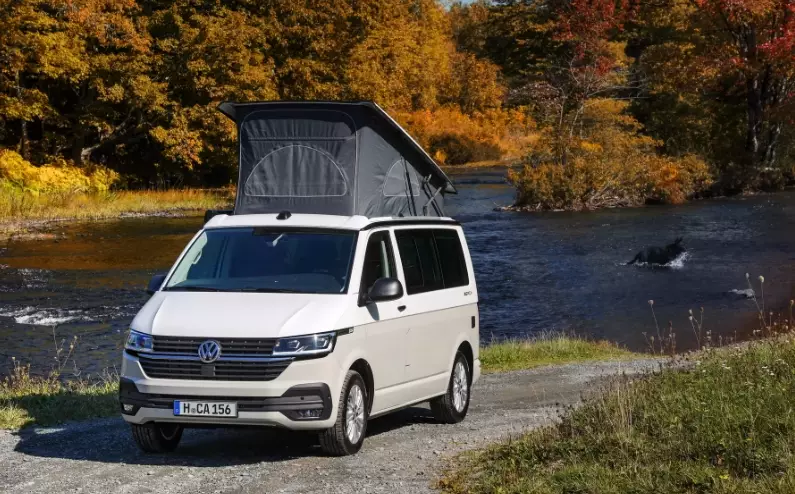
Pros: Legal, safe, have amenities.
Cons: Can feel like a parking lot, expensive, need reservations.
Dispersed Camping (National Forests, Bureau of Land Management - BLM Land)
This is the holy grail for many. It's free, it's on public land, and it offers real solitude. You find a pull-off along a forest service road and camp. No services, no reservations. It requires more self-sufficiency and a "leave no trace" ethic. The key is knowing who manages the land. National Forests (like Inyo, Sequoia, or Shasta-Trinity) and BLM land are your best bets. Always check the specific district's website for fire restrictions and rules—some areas close gates or have stay limits. The US Forest Service site and BLM website are essential bookmarks.
Overnight Parking (Truck Stops, Casinos, Some Stores)
The pragmatic option for in-between nights. Walmart's official policy is to allow it at store manager's discretion, but many in urban California no longer permit it. Always ask inside. Truck stops (like Love's or Pilot) are more reliable—they expect overnighters, have facilities, and are well-lit. Some casinos allow free overnight parking, hoping you'll come in and spend money. It's not scenic, but it's safe and convenient when you're just passing through.
Stealth/Urban Camping
A last resort, and it's getting harder. This involves blending in on city streets. It requires a low-profile vehicle (not a decked-out Sprinter), impeccable behavior (no awnings, chairs, or noise), and moving early. Research local ordinances. Santa Barbara? Very tough. Industrial areas of smaller towns? Maybe. The stress isn't worth it for me anymore, but it's a skill some van lifers use.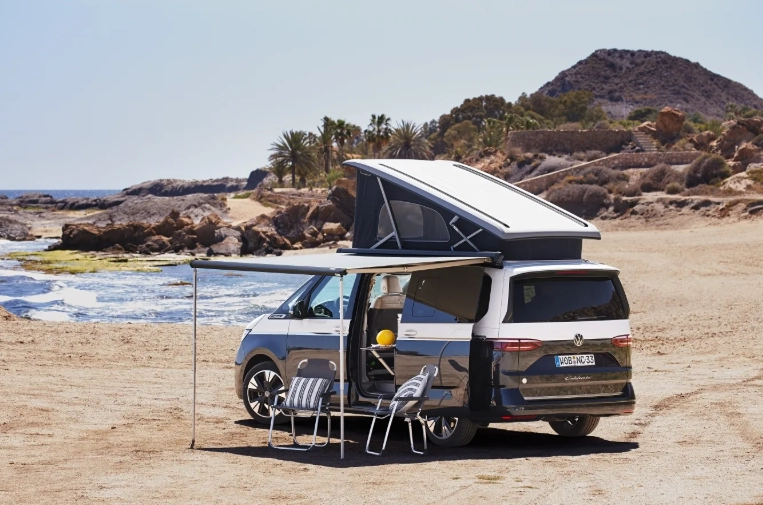
A Critical Note on Coastal Areas: Cities along the Pacific Coast Highway (PCH) have become fiercely restrictive due to overcrowding and waste issues. Overnight parking bans are strictly enforced with hefty fines. Do not assume you can pull over and sleep on the side of the PCH. Always have a planned, legal spot.
Top Spots for Van Camping California: Beyond the Obvious
Everyone knows Yosemite and Big Sur. They're famous for a reason. But here are a few less-obvious zones that deliver incredible California van camping experiences.
| Region/Area | Type of Camping | Key Attraction & Vibe | Best For |
|---|---|---|---|
| Alabama Hills (Near Lone Pine) | BLM Dispersed Camping | Otherworldly boulder formations with insane views of the Sierra Nevada (including Mt. Whitney). Free, first-come-first-serve. Feels like you're on Mars. | Stargazing, photography, hiking access to the Eastern Sierras. |
| Lost Coast (King Range) | BLM & Developed Campgrounds | California's most remote coastline. Rugged, raw, and often foggy. The road to the Mattole Campground is narrow and winding—not for huge rigs. | Solitude, beachcombing, serious hiking (the Lost Coast Trail). |
| Mojave National Preserve | Developed & Backcountry | Vast desert with Joshua tree forests, sand dunes, and volcanic cinder cones. More relaxed than Death Valley. Sites like Hole-in-the-Wall are great. | Winter sun, desert landscapes, quiet. |
| Stanislaus National Forest (Near Yosemite) | Dispersed & Developed | Yosemite's overflow. You can find free dispersed sites along forest roads (like near the Cherry Lake area) and still have quick access to the park's less crowded gates. | Proximity to Yosemite without the crowds/cost, river access. |
| Cleveland National Forest (SoCal) | Dispersed & Developed | A shock of green and pine not far from San Diego. Offers a mountain escape from the city heat. Dispersed options exist but require research. | Southern Californians looking for a quick, cool getaway. |
Navigating the Rules: Don't Get a Ticket
Ignorance isn't an excuse, and rangers have heard every story. A few golden rules:
- Fire is Everything: California has a brutal fire season. Campfire bans are serious and widespread for most of the summer/fall. Never have a fire outside of a designated metal ring in an open campground. A portable propane fire pit is often a legal alternative on BLM land (check current orders!), but never in high fire danger. The Cal Fire website is your bible.
- Stay Limits: On most BLM and National Forest land, the limit is 14 days within a 28-day period in one spot. You then have to move at least 25 miles away. This prevents people from setting up permanent residence.
- Human Waste: This is the biggest issue causing crackdowns. If there's no toilet, you need a plan. A portable cassette toilet is the minimum for many. The best practice in the backcountry is a WAG bag (like Restop) or digging a deep cathole 200+ feet from water. Never, ever just go behind a bush near a popular pull-out.
- Water & Food: In bear country (the Sierras, parts of the coast), use bear-proof lockers provided at campgrounds or a certified bear-resistant canister. Don't leave food, trash, or even toothpaste in your van.
Budgeting for the Dream: A Realistic Cost Breakdown
Let's talk money. The fantasy is free. The reality has costs. Here's a rough monthly estimate for two people, not including the van purchase/loan.
| Category | Frugal/Low-Cost | Comfortable/Average | Notes |
|---|---|---|---|
| Fuel | $400 - $600 | $600 - $900+ | California gas is pricey. Mileage and how much you drive is key. Coast-to-desert trips add up. |
| Camping Fees | $0 - $100 | $200 - $500 | Frugal = mostly dispersed/BLM. Comfortable = mixing in state parks & private sites with hookups. |
| Food & Groceries | $400 - $500 | $600 - $800 | Cooking in the van saves a fortune. Eating out in California towns is expensive. |
| Propane, Water, Dump Fees | $30 - $50 | $50 - $100 | Filling water, dumping tanks at RV stations, refilling propane. |
| Vehicle Maintenance/Insurance | $100 - $200 | $150 - $250 | Set aside a fund for oil changes, tires, unexpected repairs. |
| Entertainment & Misc | $50 - $100 | $200 - $400 | Park entry fees (e.g., National Parks pass is ~$80/year), coffee shops, laundry, souvenirs. |
| TOTAL (Monthly) | $980 - $1,550 | $1,800 - $2,950+ | It can be done cheaply, but comfort costs more. |
See? It's not nothing. But compared to rent in San Francisco plus a car payment, it can make sense. The real value of van life California style isn't in saving money, it's in buying freedom and experiences.
Gear You Actually Need vs. Instagram Gear
The internet will sell you a $300 portable shower. You probably don't need it. Here's my pared-down list of essentials that made my life better, not just more photogenic.
- Power: A simple, reliable power station (like Jackery, EcoFlow) paired with a solar panel. Skip the complex DIY electrical system for your first trip.
- Sleep System: Invest here. A good sleeping pad (insulated) and a sleeping bag or quilt rated for the coldest temps you'll face. Waking up cold ruins everything.
- Water: Two 5-gallon jugs are more versatile than one big tank. Easier to fill, and if one gets contaminated, you have a backup.
- Cook Kit: A single-burner propane stove (like a Coleman) is cheap and bulletproof. One pot, one pan, two plates, two sporks. Done.
- Navigation & Info: A paper map or atlas. Cell service dies in the best places. The app iOverlander is the crowd-sourced bible for van lifers—shows campsites, water fills, dump stations.
- Recovery & Safety: A full spare tire (check it!), a tire repair kit, a basic tool set, jumper cables, and a first-aid kit. Don't be the person who has to beg for help on a lonely road.
Answering Your Big Questions (The FAQ Section)
The Mindset: The Real Secret to Enjoying It
You can have the perfect van and the perfect plan, and things will go wrong. A flat tire. A missed reservation. Days of rain. The secret to a successful van camping California adventure is flexibility.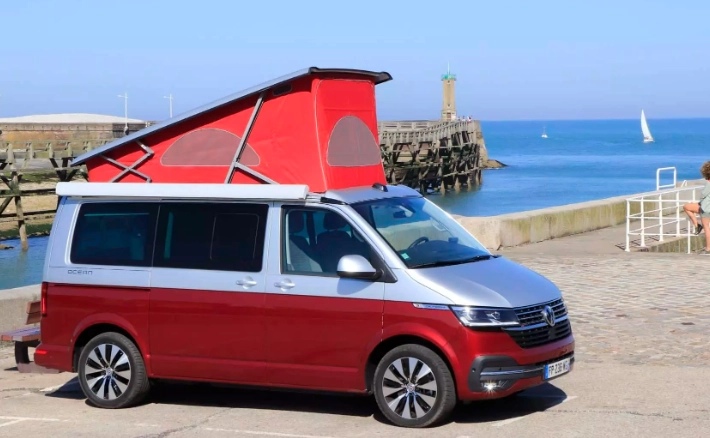
Have a loose plan, not a rigid itinerary. If the coast is fogged in, pivot to the desert. If a campground is full, have your iOverlander app ready for a backup. Embrace the slow pace. The goal isn't to check off every landmark; it's to wake up somewhere beautiful and have the freedom to explore it.
Be a good neighbor. Pack out all your trash. Be quiet after dark. Leave your spot cleaner than you found it. We're all guests in these incredible places, and our behavior determines if they stay open to us.
So, is van camping California for everyone? No. It requires adaptability, a tolerance for small spaces, and a willingness to problem-solve. But if the thought of your front door opening to a redwood grove one morning and a desert sunrise the next makes your heart beat faster, then it's absolutely for you. Start planning, start simple, and get ready for the ride of your life. The road is waiting.