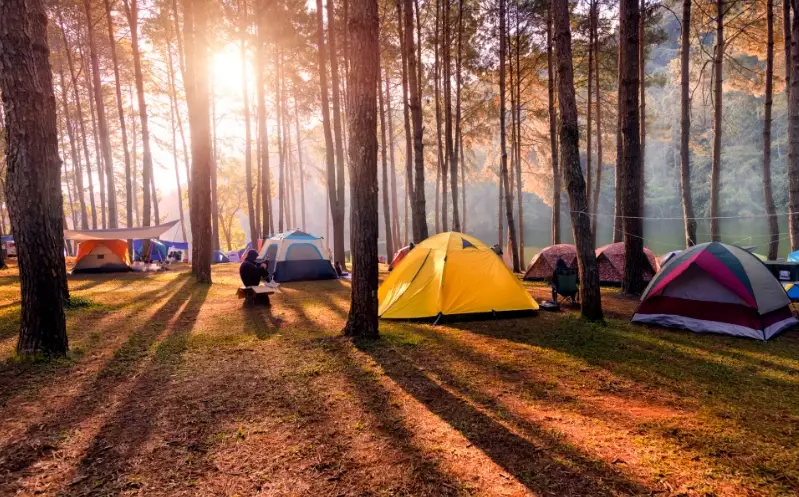
You've seen the pictures. A cozy tent under a starry sky, a morning yoga session by a misty lake, the smell of coffee brewing over a campfire. That's the promise of a camping retreat. But it's more than just fancy camping. A camping retreat is a structured getaway designed to disconnect you from daily stress and reconnect you with nature, yourself, or a community with similar interests. It takes the logistical headaches out of camping and packages the experience with intention—be it wellness, adventure, skill-building, or pure relaxation.
Your Quick Trail Map
What Exactly Is a Camping Retreat?
Let's clear this up first. A standard camping trip is you, your gear, and a plot of land. A camping retreat is a curated experience. Think of it as summer camp for adults, but with much better food and no forced trust falls (usually). An organizer—often a yoga teacher, wellness coach, or adventure guide—handles the location, accommodations, meals, and a schedule of activities. You just show up.
The accommodations can range from "glamping" safari tents with real beds and rugs to more traditional tent setups you might bring yourself. The common thread is the program. Days might start with meditation, include guided hikes or photography workshops, and end with group dinners and stargazing.
Why Choose a Retreat Over Solo Camping?
If you're a seasoned backpacker, you might scoff. But hear me out. I've done both for years, and retreats solve specific problems.
You learn more. A guided foraging walk with a local expert will teach you more in an hour than a year of Googling. A retreat focused on wilderness skills might teach you advanced fire-starting or navigation you'd never attempt alone.
Zero planning stress. No scouring Recreation.gov for permits, no meal prep, no figuring out where the good trails are. This is the biggest draw for busy people. You trade some autonomy for complete mental decompression from the moment you arrive.
Built-in community. Traveling solo? This is the perfect way to do it. You're instantly with a group of like-minded people. I've made lasting friends on retreats. The shared experience of being offline and in nature creates bonds quickly.
Access to private land. Many of the best camping retreats happen on stunning private property you could never access on your own—a secluded valley, a ranch with hot springs, a pristine lakeshore.
A common mistake: People assume all retreats are silent, strict, or overly spiritual. Not true. The spectrum is huge. There are beer-tasting camping retreats, mountain biking retreats, and writing retreats. The key is to match the retreat's vibe with your own goals.
How to Choose the Right Camping Retreat for You
This is where most people get overwhelmed. Don't just pick the prettiest photos. Ask these questions:
What's Your Primary Goal?
Be honest. Is it to truly unplug and sleep for ten hours a night? To learn a new outdoor skill? To socialize? To push physical limits? The retreat's description should clearly state its focus. A "wellness retreat" will be different from an "adventure retreat."
Scrutinize the Accommodations and Amenities
"Luxury camping" means different things. Does "shared bathroom facility" mean a clean, heated block with showers, or a rustic outhouse? Are meals included, and do they cater to dietary needs? I once booked a retreat assuming "vegetarian options" meant a thoughtful menu. It was plain pasta and salad every night. Now I ask for a sample menu.
Research the Facilitators, Not Just the Location
The person leading the retreat makes or breaks it. Look them up. Do they have legitimate credentials? What's their background? A yoga retreat led by a teacher with 20 years of experience will feel different from one led by a recent certification graduate. Read past participant reviews that mention the leader specifically.
Understand the True Cost
Price isn't just the ticket. Factor in travel to often-remote locations. Does the price include all activities, meals, and equipment rental? What's the cancellation policy? A cheaper retreat might have hidden costs for rentals or optional activities that are essentially mandatory.
Three Stunning Camping Retreat Destinations (With Specifics)
To give you a concrete idea, here are three highly-regarded camping retreats in the U.S. that exemplify different styles. These are based on aggregating consistent high praise from multiple outdoor travel sources.
| Retreat Name & Focus | Location & Setting | Accommodations | Price Range (per person) | What Makes It Special |
|---|---|---|---|---|
| 1. Dunton River Camp Luxury Glamping & Adventure |
Dolores, Colorado. On the banks of the Dolores River, surrounded by the San Juan Mountains. | >Eight luxurious safari-style tents with king beds, en-suite bathrooms (with soaking tubs), and private decks. >$$$$ ($1,200+ per night, often with 3-night min). Includes all meals (gourmet), guided activities, and drinks. >It's on a historic 500-acre cattle ranch. Activities include guided fly-fishing, horseback riding to a ghost town, and hot springs soaks. This is for those who want wilderness with five-star service.|||
| 2. The Wildland Retreats Backpacking & Wilderness Skills |
>Various locations in the Sierra Nevada (CA) and North Cascades (WA). Basecamp style in remote alpine zones.
>Participants provide their own backpacking tent/sleeping bag. Group basecamp is set up in a spectacular meadow or lakeside.
>$$ ($800-$1200 for a 4-day retreat). Includes all backcountry meals, expert guiding, and group gear.
>Led by professional guides with decades of experience. Focuses on teaching self-reliance: navigation, bear safety, weather reading, and low-impact camping. You leave a better, more confident camper.
||||
| 3. Under Canvas Lake Powell Family-Friendly Adventure Gateway |
>Page, Arizona. Minutes from Lake Powell and Antelope Canyon.
>Multiple tent options from simple (shared bath) to suites with private bathrooms. All have proper beds.
>$$-$$$ ($250-$500 per night). Activities and meals are à la carte.
>Perfect balance of comfort and access. You can book guided slot canyon tours, boat rentals on the lake, or just lounge at the camp with s'mores and live music. Less structured program, more à la carte adventure hub.
Remember, the best camping retreats for you align with your desired activity level, comfort needs, and budget. A place like Dunton is incredible, but if you're looking for deep solitude, the social atmosphere of a glamping resort might not be it.
What to Pack: The Retreat-Specific Essentials
Beyond your usual camping gear, consider these often-forgotten items for a retreat:
A real journal and book. You'll have downtime. Staring at trees is great, but having a journal to process thoughts or a novel is better. Leave the tablet in the car if you can.
Layers for stationary activities. Morning meditation or evening circle can get chilly. A warm, packable puffy jacket and a beanie are worth their weight in gold.
Comfortable camp shoes. Think slip-on sandals or moccasins. You'll be taking shoes on and off constantly moving in and out of tents and communal spaces.
A headlamp with a RED light mode. This is my pro tip. White light kills night vision and is rude in a shared camp after dark. Red light lets you see without blinding yourself or others. It's a small thing that shows camp etiquette.
A small backpack or daypack. For carrying your water, layers, and journal on short hikes or to activity areas.
Most retreats will send a detailed packing list. Read it. If they say "quick-dry towels," don't bring a bulky cotton one.
Your Camping Retreat Questions, Answered
Ready to start looking? Use terms like "guided camping retreat [your state/region]", "women's wilderness retreat", or "glamping and yoga weekend" in your searches. Check platforms like Recreation.gov for unique partnerships with retreat operators on public lands. The right camping retreat isn't just a trip; it's a reset button. It gives you the framework to experience the profound benefits of nature—community, challenge, and peace—without any of the usual hassle. That's a trade worth making.